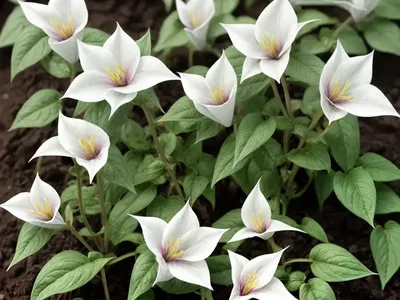
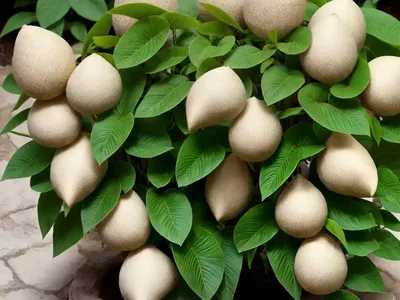
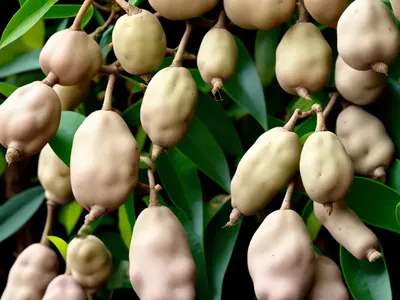
Chinese Yam (Dioscorea Polystachya)
Chinese yam, scientifically known as Dioscorea Polystachya, is a perennial climbing plant that belongs to the Dioscoreaceae family. It is native to China.
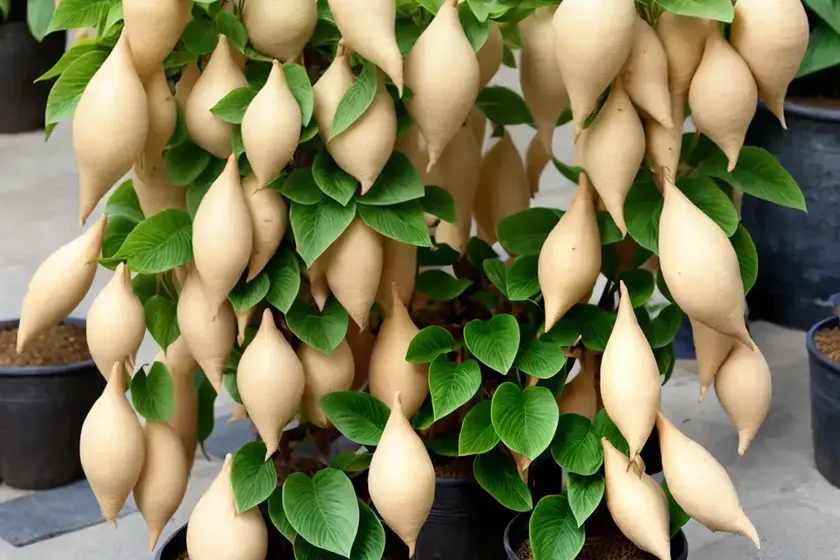
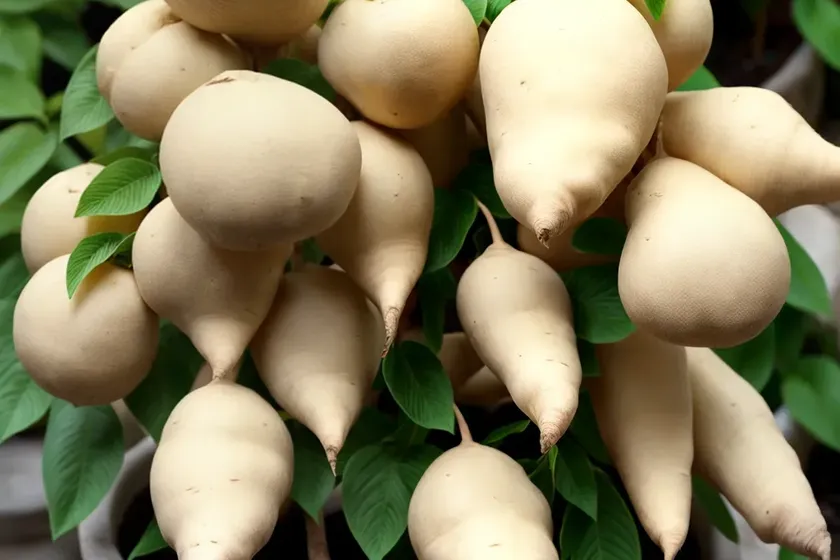
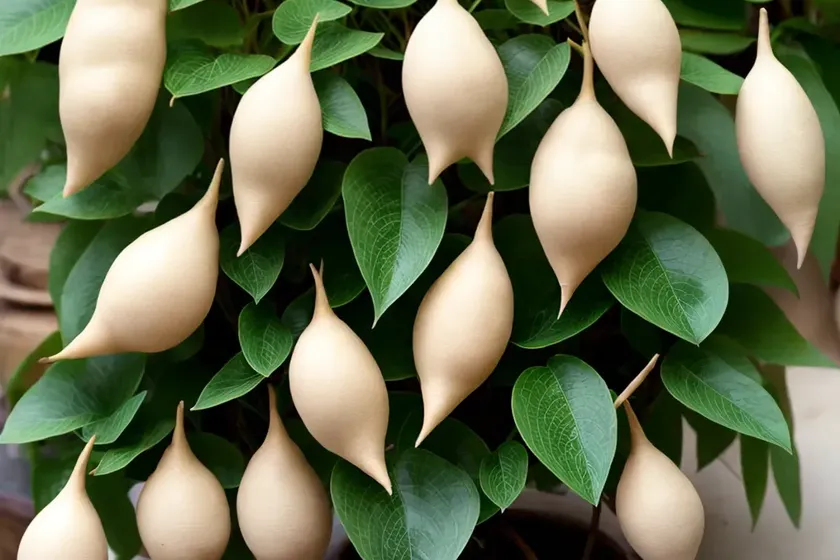
What is Chinese Yam (Dioscorea Polystachya)?
Chinese yam, scientifically known as Dioscorea Polystachya, is a perennial climbing plant that belongs to the Dioscoreaceae family. It is native to China, Japan, and Korea and is widely cultivated for its starchy tubers, which are a popular ingredient in traditional Chinese cuisine and herbal medicine.
Chinese yam has a long history of cultivation, dating back thousands of years, and is valued for its nutritional, medicinal, and cultural significance. Its versatility and adaptability make it a desirable plant for both home gardeners and commercial cultivators.
Key Takeaways – Chinese Yam (Dioscorea Polystachya)
The cultivation, care, and utilization of Chinese yam encompass a wide range of considerations. From its growth requirements to its culinary and medicinal uses, understanding the plant in its entirety is crucial for anyone looking to incorporate it into their garden, kitchen, or wellness regimen. Below, we will delve into various aspects of Chinese yam, covering culture, uses, maintenance, and more, to provide a comprehensive guide for enthusiasts and practitioners alike.
Culture
The cultural significance of Chinese yam extends beyond its consumption and medicinal properties. In traditional Chinese medicine, it is believed to nourish the yin and support kidney and lung health. Further, it has been used in rituals and celebrations, signifying longevity, good fortune, and prosperity.
Uses
Chinese yam possesses a broad spectrum of uses, ranging from culinary applications to therapeutic remedies. It is commonly featured in stir-fries, soups, and herbal concoctions, while also being utilized in natural skincare products and dietary supplements.
Water
Proper watering is essential for the healthy growth of Chinese yam. Maintaining consistent moisture levels in the soil is crucial, with regular, deep watering being beneficial, especially during the tuber formation stage.
Sunlight
Chinese yam thrives in partial shade to full sun conditions. In regions with intense sun, providing some shade during the hottest part of the day can benefit the plant.
Fertilizer
The application of organic fertilizers, such as well-decomposed compost or aged manure, can enhance the growth and yield of Chinese yam. Additionally, a balanced fertilizer with a slightly higher potassium content can promote tuber development.
Soil
Well-draining, loamy soil that is rich in organic matter and slightly acidic (pH 5.5-6.5) is ideal for planting Chinese yam. Loose soil structure is essential for the development of tubers.
Pruning
Pruning Chinese yam vines is beneficial for managing their growth and ensuring proper air circulation, which can help prevent disease and pest infestations. Removing dead or damaged vines also promotes the plant’s overall vigor.
Propagation
Chinese yam can be propagated through both division of tubers and stem cuttings. Selecting healthy, disease-free tubers or cuttings is essential for successful propagation.
Container Popularity
The adaptability of Chinese yam to container gardening has garnered popularity among urban gardeners and those with limited outdoor space. It offers the opportunity to grow this valuable plant on balconies, patios, or even indoors, provided the necessary conditions are met.
Container
Selecting a well-draining container that is at least 12 inches deep and wide enough to accommodate the spread of the vine is essential for growing Chinese yam in containers. This allows for adequate root development and supports the growth of tubers.
Common Diseases
While Chinese yam is generally resilient, it is susceptible to certain diseases that can impact its growth and yield. Understanding common diseases and their management is crucial for maintaining plant health.
Disease Diagnosis
Identifying diseases such as powdery mildew, anthracnose, and various rots early on is key to implementing appropriate control measures. Timely diagnosis can prevent the spread of diseases and minimize their impact.
Common Pests
Pests such as aphids, spider mites, and nematodes can pose a threat to Chinese yam. Vigilance and prompt intervention are essential for preventing pest-induced damage.
Botanist’s Tips
Drawing from botanical principles and practices, the following tips can aid in the successful cultivation of Chinese yam, ensuring optimal growth and productivity.
Fun Facts
Uncover interesting and lesser-known facts about Chinese yam, shedding light on its ecological, cultural, and historical significance.
Chinese Yam (Dioscorea Polystachya) External Resources
For in-depth information, recipes, medicinal uses, and gardening tips related to Chinese yam (Dioscorea Polystachya), explore the following external resources:
-
Dioscorea Polystachya Cultivation Guide
A comprehensive guide to cultivating Chinese yam, covering growth requirements, propagation methods, and harvesting tips. -
Chinese Yam Benefits and Nutritional Value
Explore the nutritional benefits and value of Chinese yam, alongside culinary ideas and traditional uses. -
Dioscorea Polystachya in Traditional Chinese Medicine
An exploration of the medicinal properties and traditional therapeutic uses of Chinese yam in Chinese medicine. -
Chinese Yam Recipes and Culinary Uses
Discover a diverse range of recipes and cooking techniques that feature Chinese yam as a central ingredient. -
Dioscorea Polystachya Health Benefits and Medicinal Properties
Delve into the health benefits, medicinal properties, and natural remedies associated with Chinese yam. -
Chinese Yam Gardening Tips and Plant Care
Access gardening tips, plant care guidelines, and insights into the optimal conditions for growing Chinese yam. -
Dioscorea Polystachya Pests and Diseases Management
Learn about common pests and diseases affecting Chinese yam and effective strategies for prevention and control. -
Chinese Yam Harvesting and Storage Methods
Guidance on the best practices for harvesting Chinese yam and techniques for its proper storage and preservation. -
Dioscorea Polystachya Companion Plants and Garden Design Ideas
Explore companion planting options and garden design concepts that complement the cultivation of Chinese yam. -
Chinese Yam Herbal Uses and Ethnobotanical Significance
Uncover the ethnobotanical uses, herbal applications, and ethnopharmacological significance of Chinese yam.
By tapping into these external resources, you can expand your knowledge and proficiency in growing, utilizing, and appreciating Chinese yam in various contexts.
In summary, the multifaceted nature of Chinese yam (Dioscorea Polystachya) presents a rich tapestry of cultural, culinary, and horticultural dimensions. Its cultivation and utilization hold immense potential for both personal enrichment and community well-being. As we navigate the intricate realms of plant stewardship and botanical exploration, Chinese yam stands as a compelling exemplar of nature’s bounty, offering a blend of sustenance, vitality, and cultural legacy.