Mexican Orange Blossom (Choisya Ternata)
In the world of gardening, few plants can rival the Mexican Orange Blossom (Choisya Ternata) in terms of versatility, beauty, and ease of care. This.
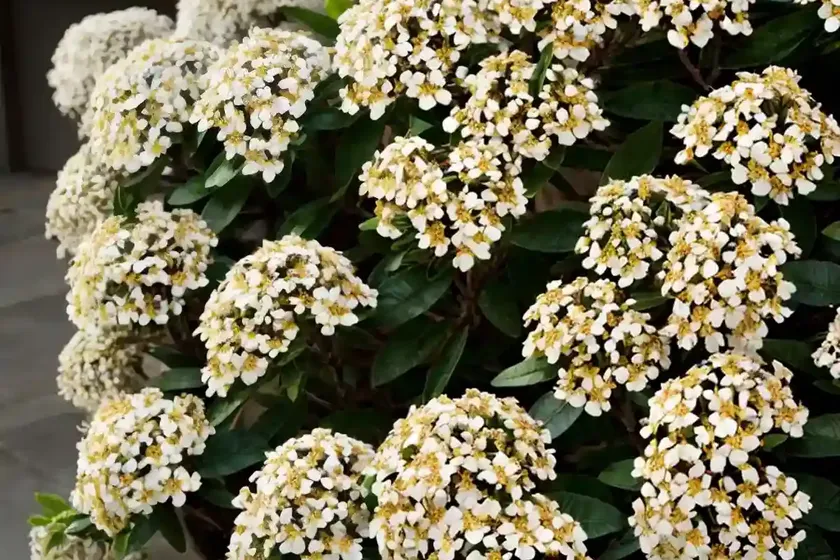
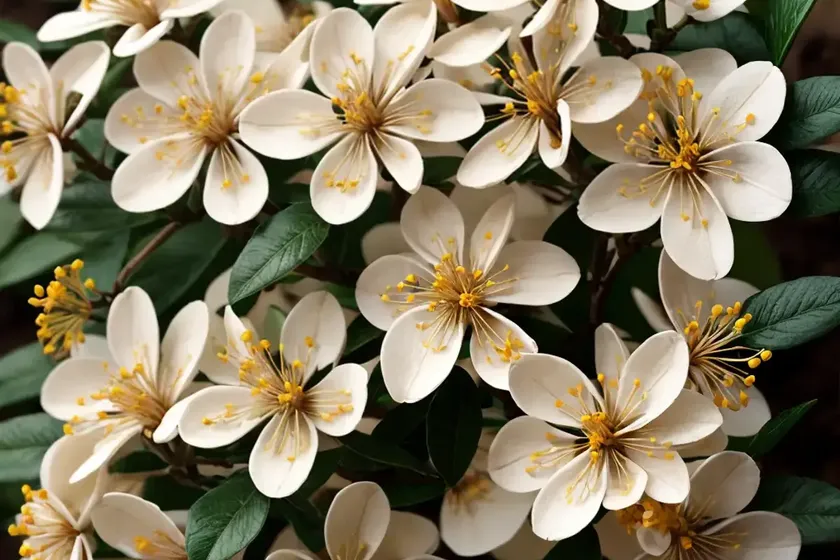
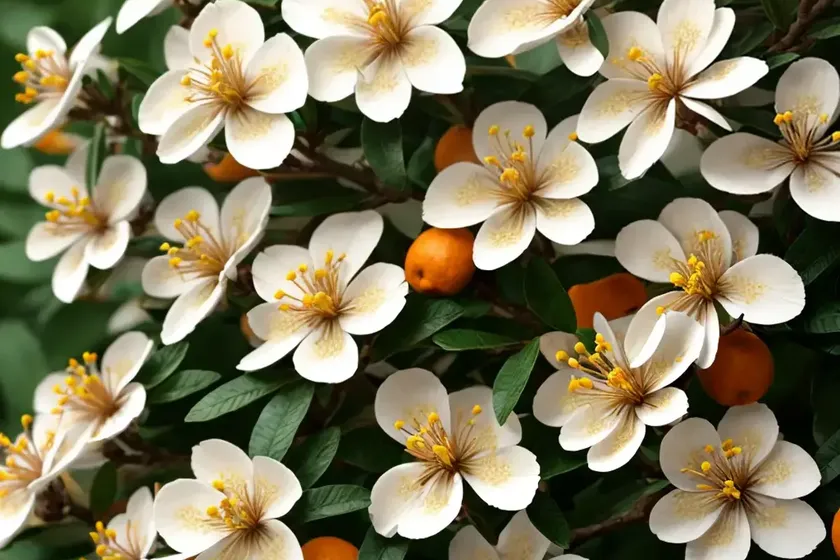
In the world of gardening, few plants can rival the Mexican Orange Blossom (Choisya Ternata) in terms of versatility, beauty, and ease of care. This evergreen shrub is cherished for its fragrant flowers, vibrant foliage, and adaptability to various growing conditions. Whether you are a seasoned gardener or someone venturing into the wonderful world of gardening for the first time, the Mexican Orange Blossom is sure to captivate you with its charm and practicality.
In this comprehensive guide, we will delve into the intricate details of the Mexican Orange Blossom, covering its culture, uses, care requirements, propagation, common diseases, and much more. By the end of this article, you will be equipped with all the knowledge needed to cultivate and nurture this delightful shrub with confidence.
What is Mexican Orange Blossom (Choisya Ternata)?
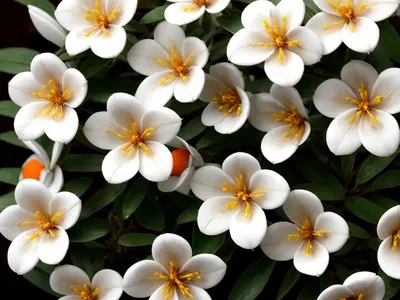
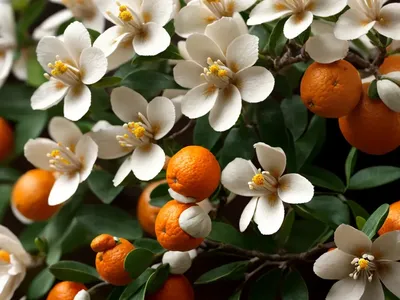
The Mexican Orange Blossom, scientifically known as Choisya Ternata, is a species of flowering plants in the rue family, Rutaceae. Indigenous to the southwestern United States, Mexico, and the temperate regions of South America, this evergreen shrub has found widespread popularity in gardens around the world. Its common name, Mexican Orange Blossom, is derived from the delightful fragrance of its white flowers, which resembles that of orange blossoms.
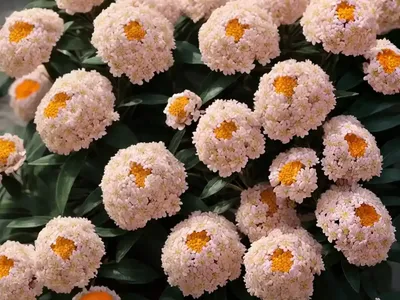
The Choisya Ternata shrub is characterized by its dense, aromatic foliage and clusters of fragrant flowers that bloom in spring and often again in late summer or early autumn. Its attractive appearance, coupled with its ease of care, has made it a favored choice for gardeners seeking a low-maintenance yet visually appealing addition to their landscapes.
Key Takeaways – Mexican Orange Blossom (Choisya Ternata)
Before we delve into the specific aspects of caring for Mexican Orange Blossom, let’s begin with a quick overview of its key takeaways:
- Culture:
- Choisya Ternata is a versatile shrub that thrives in a variety of climates and soil conditions. It can be cultivated as a standalone specimen, a hedge, or as part of a mixed border.
- Uses:
- This shrub is commonly utilized for its ornamental value, owing to its fragrant flowers and attractive foliage. It serves as an excellent choice for gardens, landscapes, and even containers.
- Water:
- While Mexican Orange Blossom is relatively drought-tolerant once established, regular watering is essential, particularly during its initial stages of growth.
- Sunlight:
- The plant thrives in full sunlight to partial shade, making it adaptable to different light conditions.
- Fertilizer:
- Simple yet occasional feeding with a balanced fertilizer can contribute to the shrub’s overall health and vigor.
- Soil:
- Well-draining soil is crucial for the plant’s success. Amending the soil with organic matter can enhance its fertility and structure.
- Pruning:
- Pruning should be conducted after the blooming periods to maintain the shrub’s shape and encourage new growth.
- Propagation:
- Mexican Orange Blossom can be propagated through various methods, including cuttings and seeds.
- Container Popularity:
- The shrub is well-suited for container gardening, offering an excellent option for those with limited garden space.
- Common Diseases:
- While relatively resistant to diseases, it is susceptible to certain issues such as root rot and fungal infections.
- Common Pests:
- Aphids, scale insects, and spider mites are among the common pests that can affect Choisya Ternata.
With these highlights in mind, let’s embark on a detailed exploration of the Mexican Orange Blossom, gaining insights into its care and cultivation to ensure its successful growth and thriving presence in your garden or landscape.
Culture
The culture of Mexican Orange Blossom encompasses its adaptability to various environmental conditions, its ornamental uses, and the different ways it can be integrated into garden designs. Understanding the plant’s cultural requirements is crucial for its successful cultivation and maintenance.
Uses
Choisya Ternata is revered for its ornamental uses, bestowing gardens and landscapes with its visual and olfactory appeal. Here are some common applications of Mexican Orange Blossom:
- Gardens and Landscapes:
- The shrub serves as an excellent choice for gardens, where it can be employed as a standalone specimen, a border plant, or a component of mixed plantings. Its dense foliage and fragrant flowers make it a captivating addition to any garden setting.
- Containers:
- Mexican Orange Blossom is well-suited for container gardening, allowing individuals with limited garden space to enjoy its beauty on patios, balconies, or even indoors.
- Hedging:
- With its dense growth habit and responsiveness to pruning, Choisya Ternata can be shaped into attractive hedges, providing both visual and functional benefits in the landscape.
The plant’s versatility in these various applications makes it a popular choice for gardeners seeking a plant that can serve multiple purposes and adapt to diverse design needs.
Water
Understanding the water requirements of Mexican Orange Blossom is essential for maintaining its health and promoting optimal growth. While the shrub displays a degree of drought tolerance once established, it still necessitates adequate moisture particularly during its early stages of establishment.
- Establishment Phase:
- During the initial phases of growth, it is crucial to ensure that the plant receives regular watering to support root development. This is especially important in regions with prolonged dry spells or inadequate rainfall.
- Mature Plants:
- Once the shrub is well-established, it exhibits greater tolerance to dry conditions. However, regular watering during extended periods of drought can help sustain its vigor and flowering potential.
Balancing the need for adequate moisture with the plant’s capacity for drought tolerance is key to ensuring its sustained health and performance in the garden.
Sunlight
Mexican Orange Blossom thrives in a variety of light conditions, encompassing full sunlight to partial shade. Understanding its sunlight requirements ensures that the plant receives the necessary light exposure for robust growth and flowering.
- Full Sun:
- The shrub flourishes in full sunlight, where it can manifest its optimal growth and flower production. When planted in locations with ample sunlight, it tends to exhibit more vigorous growth and a profusion of blooms.
- Partial Shade:
- While the plant favors full sunlight, it can also tolerate partial shade, making it adaptable to various garden settings. In regions with intense summer heat, providing some afternoon shade can prevent potential stress on the plant.
By aligning the plant with suitable light conditions based on the local climate and garden layout, gardeners can optimize its performance and overall visual appeal.
Fertilizer
Fertilizing Mexican Orange Blossom, though not excessively demanding, contributes to its overall health and vigor. A balanced feeding regimen can support the plant’s growth and blooming potential, particularly in nutrient-deficient soils.
- Frequency:
- Applying a balanced fertilizer in spring and again in early summer can provide the plant with the essential nutrients it requires for sustained growth and flowering.
- Type:
- A general-purpose, slow-release fertilizer formulated for flowering shrubs can be suitable for Mexican Orange Blossom. Ensure that the fertilizer is distributed evenly around the base of the plant and watered in thoroughly.
By adhering to a consistent fertilization schedule and using appropriate formulations, gardeners can promote the plant’s vitality and floral display throughout the growing season.
Soil
The selection and preparation of the soil are pivotal for the successful cultivation of Mexican Orange Blossom. Understanding the soil requirements and making necessary amendments can create an optimal growing environment for the shrub.
- Drainage:
- Well-draining soil is crucial for the plant’s health, as it helps prevent waterlogged conditions that can lead to root rot and other issues. Amending heavy or poorly draining soils with organic matter can enhance their structure and drainage capacity.
- Acidity:
- Choisya Ternata thrives in slightly acidic to slightly alkaline soils. Conducting a soil test can provide insights into the soil’s pH levels, enabling gardeners to adjust it if necessary to create a favorable growing environment for the plant.
By ensuring that the soil meets the plant’s specific requirements, gardeners can lay a strong foundation for its growth and vitality, setting the stage for a thriving Mexican Orange Blossom in their garden.
Pruning
Pruning is an integral aspect of maintaining the shape, health, and blooming potential of Mexican Orange Blossom. Understanding the appropriate pruning techniques and timing is essential for cultivating a well-groomed and floriferous shrub.
- Timing:
- Pruning is best conducted after the plant’s blooming periods, which typically occur in spring and possibly again in late summer or early autumn. This timing allows for the removal of spent flowers and the shaping of the shrub without sacrificing the potential for future blooms.
- Techniques:
- When pruning, it is advisable to remove any dead, damaged, or crossing branches to maintain the plant’s structure and promote air circulation. Light shaping cuts can also be made to control the shrub’s size and enhance its aesthetic appeal.
Regular and judicious pruning can contribute to the plant’s overall health and appearance, ensuring that it remains an attractive and well-maintained feature in the garden.
Propagation
The propagation of Mexican Orange Blossom can be achieved through various methods, providing gardeners with options to propagate new plants from existing ones. Understanding the different propagation techniques enables enthusiasts to expand their plant collection and cultivate additional specimens for their gardens or landscapes.
- Cuttings:
- Propagation by stem cuttings is a commonly employed method for Choisya Ternata. Stem cuttings are collected from the parent plant, treated with a rooting hormone, and then rooted in a suitable growing medium. This method allows for the replication of the parent plant’s genetic characteristics in the new specimens.
- Seeds:
- While less commonly used than cuttings, seeds can also be employed for propagating Mexican Orange Blossom. The seeds need to be collected, cleaned, and sown in a suitable germination medium, after which they undergo the process of germination and establishment.
By availing of the propagation methods suited to their preferences and circumstances, gardeners can expand their Mexican Orange Blossom population and share the plant’s splendor with others.
Container Popularity
Mexican Orange Blossom’s adaptability to container culture makes it a favored choice for individuals with limited garden space, as well as for those seeking to introduce the plant to their patios, balconies, or interior settings.
- Suitable Varieties:
- Compact cultivars of Choisya Ternata are well-suited for container gardening, offering attractive options for individuals seeking space-efficient plants. These varieties exhibit the same charming characteristics as their counterparts, including fragrant flowers and lush foliage, while remaining well-contained within their containers.
- Cultural Considerations:
- When cultivating Mexican Orange Blossom in containers, it is important to select a well-draining potting mix and provide adequate irrigation. Regular monitoring of the plant’s moisture levels and occasional feeding can promote its sustained health and vigor in the containerized environment.
The popularity of Mexican Orange Blossom in container gardening presents opportunities for individuals to integrate this delightful shrub into a diverse array of settings, adding a touch of elegance and fragrance to their confined spaces.
Common Diseases
While relatively resilient, Mexican Orange Blossom is susceptible to certain diseases and health issues that necessitate attentive management and care. Recognizing these common diseases and adopting preventive measures can safeguard the plant from potential ailments.
Disease Diagnosis
- Root Rot:
- Excessive moisture or poorly draining soil can lead to root rot, which is characterized by the plant’s wilting, yellowing foliage, and overall decline. Well-draining soil and proper watering practices are essential for averting this issue.
- Fungal Infections:
- Prolonged periods of high humidity and poor air circulation can render the plant susceptible to fungal infections, including powdery mildew and leaf spot diseases. Ensuring adequate airflow around the shrub and avoiding overhead watering can reduce the risk of these fungal issues.
By monitoring the plant for symptoms of these diseases and implementing preventive measures, gardeners can mitigate the impact of potential ailments and maintain the plant’s health and vitality.
Common Pests
Mexican Orange Blossom can face infestations from various pests, from sap-sucking insects to mites, which can adversely affect its growth and appearance. Recognizing these common pests and adopting appropriate pest management practices is pivotal for preserving the plant’s health.
- Aphids:
- These small sap-sucking insects can cluster on the plant’s tender shoots and foliage, potentially causing distortion and discoloration of the affected plant parts. Natural predators such as ladybugs and parasitic wasps can aid in controlling aphid populations.
- Scale Insects:
- Scale insects can attach themselves to the plant and sap its juices, leading to weakened growth and yellowing foliage. Physical removal of scales and the application of horticultural oil can help manage infestations.
- Spider Mites:
- These tiny arachnids can infest the plant and cause stippling and discoloration of its foliage. Regularly hosing down the shrub and applying insecticidal soaps can help mitigate spider mite populations.
By implementing integrated pest management strategies and vigilantly monitoring the plant for signs of pest activity, gardeners can effectively safeguard Mexican Orange Blossom from the deleterious effects of common pests.
Botanist’s Tips
To enrich our understanding of Mexican Orange Blossom and its optimal care, let’s explore some insightful tips from botanists and gardening experts:
- Mulching: Applying a layer of organic mulch around the base of the shrub can help conserve soil moisture, suppress weed growth, and enhance the soil’s structure – beneficial for the plant’s overall health.
- Winter Protection: In regions with harsh winters, providing the plant with a layer of mulch and situating it in a sheltered location can offer protection from frost and freezing temperatures, safeguarding it from potential winter damage.
- Companion Planting: Pairing Mexican Orange Blossom with companion plants that share similar cultural requirements can create harmonious and visually appealing combinations in the garden, enhancing the overall landscape aesthetic.
These tips accentuate the nuances of caring for Mexican Orange Blossom, offering practical insights that can contribute to its sustained health and beauty in the garden.
Fun Facts
To further appreciate the allure of Mexican Orange Blossom, here are some engaging and little-known facts about the plant:
- The aromatic foliage of the Choisya Ternata releases a pleasant fragrance that intensifies when the leaves are brushed or crushed, adding an olfactory dimension to its ornamental value.
- In addition to its ornamental uses, the plant has been utilized in traditional medicine for its purported medicinal properties, including its potential as a herbal remedy.
These fun facts provide a glimpse into the unique and intriguing facets of Mexican Orange Blossom, adding depth to our appreciation for this charming shrub.
Links to External Resources
Enrich your understanding of Mexican Orange Blossom by exploring the following resources:
These external resources offer valuable insights and guidance for cultivating and caring for Mexican Orange Blossom, providing additional perspectives and recommendations to enhance your plant management practices.
In conclusion, Mexican Orange Blossom (Choisya Ternata) stands as a captivating and practical addition to gardens and landscapes, offering an enchanting combination of fragrant flowers, lush foliage, and easy maintenance. Its adaptability to various growing conditions, ornamental uses, and delightful fragrance make it a cherished choice for gardeners of all levels of experience. Through a holistic understanding of its culture, care requirements, and ornamental features, enthusiasts can cultivate and nurture this splendid shrub with confidence, further enriching their garden environments with its enduring allure.