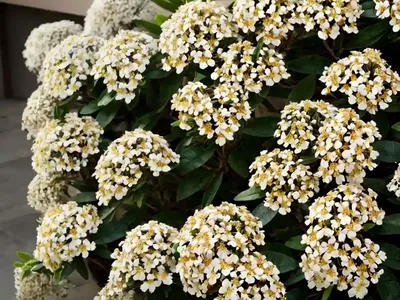
Choisya Ternata (Mexican Orange Blossom)
Plants play a crucial role in our ecosystem, providing us with oxygen, food, and a plethora of environmental benefits. One such remarkable plant is Choisya.
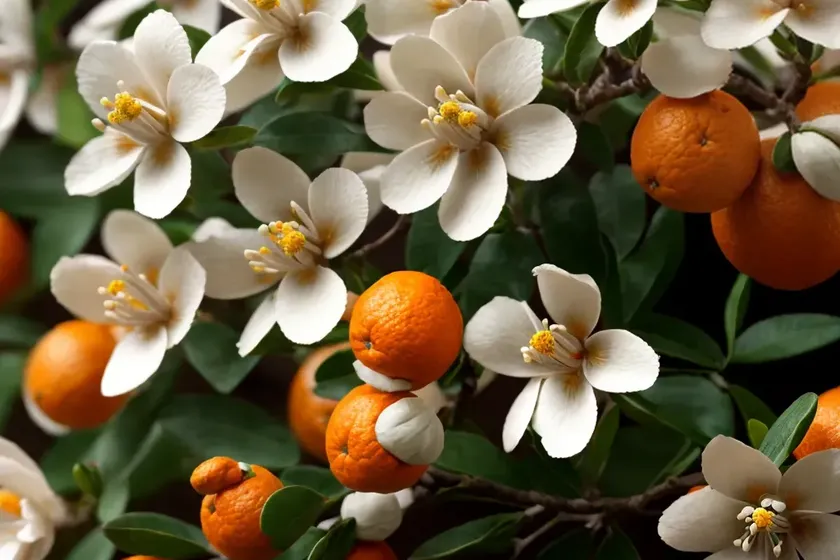
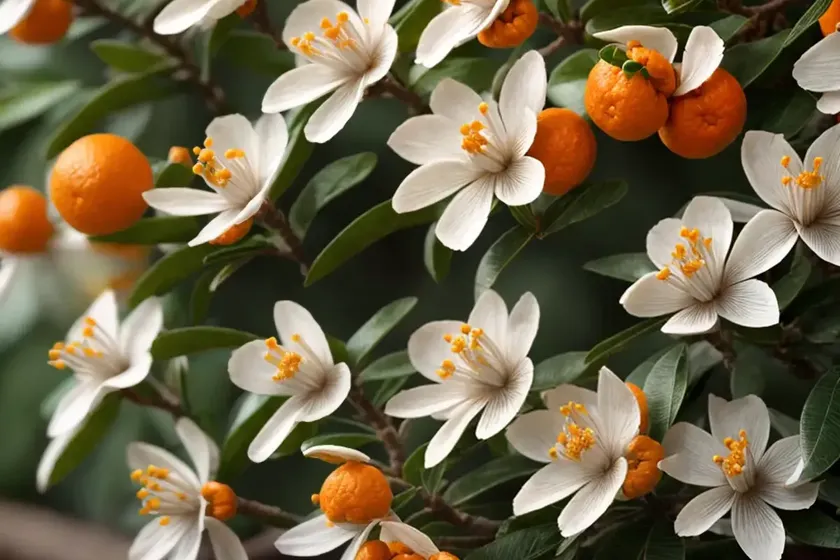
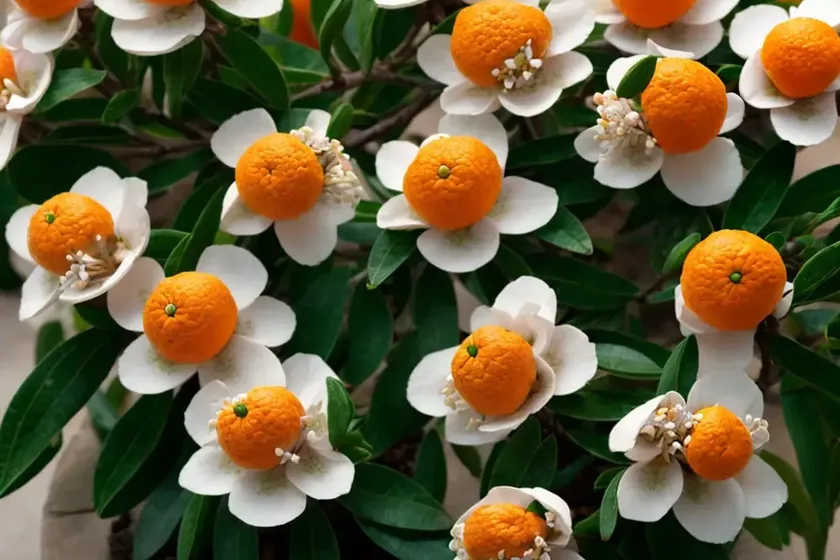
Plants play a crucial role in our ecosystem, providing us with oxygen, food, and a plethora of environmental benefits. One such remarkable plant is Choisya ternata, commonly known as Mexican Orange Blossom. This versatile and visually appealing shrub has gained popularity among gardeners and landscapers for its vibrant foliage, fragrant flowers, and various cultural and ornamental uses. In this comprehensive guide, we will delve into the world of Choisya ternata, exploring its cultural requirements, uses, maintenance, and the intricate details of its growth habits, diseases, and pests.
What is Choisya Ternata (Mexican Orange Blossom)?
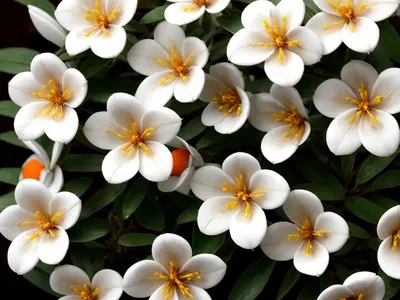
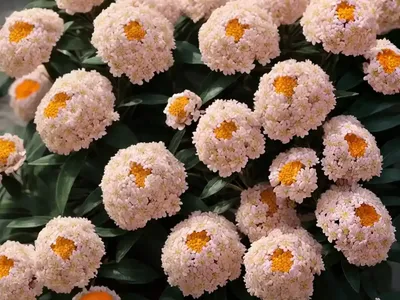
Choisya ternata is an evergreen shrub belonging to the Rutaceae family. Native to Mexico, this species is characterized by its lush, glossy green leaves and profusion of fragrant, star-shaped white flowers. The common name, Mexican Orange Blossom, is a testament to the plant’s captivating citrus-like fragrance that fills the air when in bloom. Its aesthetic appeal and adaptability have made it a popular choice for gardens, parks, and landscaping projects. Understanding the intricacies of this plant, including its cultural requirements and maintenance, is essential for harnessing its full potential in various horticultural settings.
Key Takeaways – Choisya Ternata (Mexican Orange Blossom)
Culture
- Botanical Name: Choisya ternata
- Common Name: Mexican Orange Blossom
- Family: Rutaceae
- Plant Type: Evergreen shrub
- Native Habitat: Mexico
- Foliage: Glossy, dark green
- Flowers: Fragrant, white, star-shaped
- Fragrance: Citrus-like
Uses
- Ornamental: Landscaping, gardens
- Fragrance: Aromatic gardens, sensory landscapes
- Wildlife: Pollinator attractant
- Medicinal: Traditional herbal uses
Water
- Watering Needs: Moderate
- Drought Tolerance: Moderate
- Watering Frequency: Regular, especially during the growing season
- Soil Moisture: Well-draining
Sunlight
- Sun Exposure: Partial to full sun
- Shade Tolerance: Partial shade
- Optimal Light: Bright, indirect sunlight
Fertilizer
- Fertilization: Balanced, slow-release fertilizer
- Feeding Schedule: Spring and early summer
- Nutrient Needs: Nitrogen, Phosphorus, Potassium
Soil
- Soil Type: Well-draining, fertile
- Soil pH: Slightly acidic to neutral (pH 6.5-7.5)
- Soil Composition: Loamy, sandy loam
Pruning
- Pruning Needs: Occasional
- Pruning Time: After flowering or in early spring
- Techniques: Light shaping, removal of dead or damaged branches
- Maintenance Pruning: Regular deadheading of spent flowers
Propagation
- Propagation Methods: Stem cuttings, seeds
- Optimal Time: Spring to early summer
- Propagation Medium: Well-draining potting mix
Container Popularity
- Suitability: Well-adapted to container gardening
- Container Size: Medium to large-sized containers
- Growth Requirements: Similar to ground cultivation
Container Common Diseases
- Disease Risk: Limited
- Preventive Measures: Adequate drainage, proper ventilation
Disease Diagnosis
- Common Diseases: Root rot, powdery mildew
- Symptoms: Yellowing leaves, wilting, powdery residue on foliage
Common Pests
- Pest Susceptibility: Low to moderate
- Pest Control: Neem oil, insecticidal soap
- Pest Species: Aphids, scale insects
Botanist’s Tips
- Mulching: Beneficial for moisture retention and weed control
- Winter Care: Protect from frost in colder climates
- Companion Planting: Pair with other aromatic, pollinator-friendly species
Fun Facts
- Cultural Significance: Symbol of good fortune in Mexico
- Folklore: Believed to ward off evil spirits in traditional practices
Links to External Resources
Now that we have acquainted ourselves with the key aspects of Choisya ternata, let’s delve deeper into the nuances of its care, cultivation, and overall horticultural significance.
Choisya Ternata Care
Caring for Choisya ternata involves a blend of attentive maintenance and an understanding of its specific cultural requirements. From proper watering and fertilization to suitable pruning techniques, nurturing this evergreen shrub contributes to its optimal growth and ornamental appeal.
Mexican Orange Blossom Planting Guide
When planning the installation of Choisya ternata in a garden or landscape, consider the following factors to ensure its successful establishment and long-term vitality:
Planting Season
- Optimal Time: Spring or early fall
- Temperature Range: Avoid extreme heat or cold
- Weather Consideration: Plant during mild, stable conditions
Soil Requirements
- Soil Type: Well-draining, fertile
- Soil Texture: Loamy, sandy loam
- Soil pH: Slightly acidic to neutral (pH 6.5-7.5)
- Amendments: Organic matter for improved fertility and moisture retention
Sun Exposure
- Ideal Light: Partial to full sun
- Shade Tolerance: Partial shade, especially in hotter climates
- Sunlight Benefits: Enhances flowering and overall vigor
Water Needs
- Watering Frequency: Regular, especially during the growing season
- Moisture Regulation: Well-draining soil to prevent waterlogging
- Drought Considerations: Moderate tolerance; supplement during extended dry periods
Fertilization
- Fertilizer Type: Balanced, slow-release formula
- Nutrient Ratio: Nitrogen, Phosphorus, Potassium
- Feeding Schedule: Spring and early summer for optimal growth and flowering
Pruning
- Pruning Time: Post-flowering or in early spring
- Pruning Objectives: Shape control, removal of dead or damaged growth
- Maintenance Pruning: Regular deadheading of spent flowers for aesthetic upkeep
Choisya Ternata Pruning
Pruning Choisya ternata is a vital aspect of its maintenance, enabling gardeners to manage its shape, size, and overall appearance. Understanding the principles of proper pruning contributes to the shrub’s health and aesthetic appeal.
Pruning Techniques
- Light Shaping: Trimming to maintain a compact, bushy form
- Thinning: Removal of congested or crossing branches to improve air circulation
- Deadheading: Eliminating spent flowers to encourage continuous blooming
Pruning Time
- Post-Flowering: Trim lightly after the flowering period
- Early Spring: Conduct major shaping and maintenance pruning before new growth emerges
- Avoid Fall Pruning: Minimize pruning in fall to prevent stimulating new growth susceptible to frost damage
Mexican Orange Blossom Soil Requirements
Understanding the soil preferences of Choisya ternata is pivotal in providing an optimal growing environment that supports its long-term health and vitality.
Soil Characteristics
- Drainage: Essential; prevents waterlogging and root rot
- Nutrient Content: Fertile soil for sustained growth and flowering
- Texture: Well-draining loamy or sandy loam substrate
- pH Range: Slightly acidic to neutral (pH 6.5-7.5)
Soil Amendment
- Organic Matter: Compost or well-rotted manure for enhanced fertility and moisture retention
- Mulching: Application of organic mulch for moisture regulation and weed suppression
Soil pH Management
- pH Testing: Assess soil acidity regularly using a pH testing kit
- pH Adjustment: Amend excessively alkaline or acidic soil to achieve the ideal pH range
- Lime Application: Raise pH if soil is too acidic; aluminum sulfate for pH reduction in alkaline soils
Choisya Ternata Sun Exposure
Understanding the sunlight requirements of Choisya ternata is crucial in optimizing its growth, flowering, and overall performance in a garden or landscape setting.
Sunlight Preferences
- Optimal Light: Partial to full sun exposure
- Flowering Enhancement: Abundant sunlight encourages prolific blooming
- Shade Tolerance: Partial shade in hot climates to prevent leaf scorch
Sun-Mediated Benefits
- Photosynthesis: Energy production for growth and flower development
- Aesthetic Appeal: Sunlight accentuates the vibrant foliage and fragrant flowers of the shrub
Choisya Ternata Evergreen Shrub
The evergreen nature of Choisya ternata contributes to its year-round ornamental value and structural presence in diverse horticultural settings.
Evergreen Attributes
- Foliage Retention: Year-round glossy, dark green leaves
- Seasonal Consistency: Maintains visual appeal in all seasons
- Winter Interest: Cold-hardy foliage and occasional winter bloom in milder climates
Mexican Orange Blossom Plant Characteristics
The distinctive attributes of Choisya ternata contribute to its versatility and ornamental prominence in gardens and landscapes.
Foliage
- Color: Glossy, dark green
- Texture: Smooth, leathery leaves
- Aromatic Release: Fragrance emitted upon leaf bruising
Flowers
- Form: Fragrant, star-shaped, white blooms
- Blooming Period: Spring to early summer
- Attractive to Pollinators: Bee and butterfly-attracting flowers
Fragrance
- Aroma: Citrus-like, sweet floral scent
- Olfactory Appeal: Aromatic addition to sensory gardens and outdoor spaces
Choisya Ternata Water Needs
Understanding the water requirements of Choisya ternata aids in maintaining optimal soil moisture and supporting the shrub’s overall health and vitality.
Watering Guidelines
- Moderate Needs: Regular watering during the growing season
- Drought Tolerance: Moderate; supplemental watering during extended dry spells
- Avoid Waterlogging: Well-draining soil to prevent root rot and water stress
Watering Practices
- Irrigation: Water at the base to avoid foliage wetting and minimize disease risk
- Morning Watering: Allows for moisture absorption before midday heat
- Avoid Overwatering: Monitor soil moisture to prevent waterlogged conditions
Mexican Orange Blossom Hedge
The dense growth habit and visual appeal of Choisya ternata make it a desirable choice for hedge and border plantings, offering both aesthetic and functional advantages.
Hedge Characteristics
- Compact Growth: Naturally bushy form ideal for hedging
- Screening Potential: Privacy and windbreak benefits
- Ornamental Use: Border delineation and garden structure enhancement
Choisya Ternata Container Gardening
Choisya ternata exhibits excellent adaptability to container cultivation, offering an alternative growing option for gardeners with limited space or specific design preferences.
Container Suitability
- Adaptation: Well-suited to container gardening
- Container Size: Medium to large containers for root space
- Drainage: Adequate drainage is crucial for container growth
Container Maintenance
- Watering Needs: Regular monitoring to maintain soil moisture
- Fertilization: Balanced, slow-release fertilizer for sustained growth
- Winter Care: Protection from freezing temperatures in colder climates
Mexican Orange Blossom Pruning Techniques
Applying appropriate pruning techniques to Choisya ternata in container settings contributes to its compact form and overall container gardening success.
Pruning Considerations
- Size Control: Regular shaping and trimming to manage growth
- Aesthetic Maintenance: Removal of spent flowers for visual appeal
- Container Limitation: Prune to prevent overcrowding within the container
Choisya Ternata Garden Design
Incorporating Choisya ternata into garden designs offers an array of aesthetic possibilities, from sensory landscapes to wildlife-friendly spaces.
Landscape Applications
- Aromatic Gardens: Fragrance-focused planting schemes
- Pollinator Gardens: Bee and butterfly-attracting landscapes
- Sensory Spaces: Multi-sensory plantings for visual and olfactory experiences
- Wildlife Habitats: Inclusion in wildlife-friendly garden designs
Mexican Orange Blossom Varieties
Varietal diversity within the Choisya ternata species offers gardeners and landscapers a range of options for ornamental and functional utilization.
Variegated Cultivars
- Foliage Variation: Variegated leaf patterns for added visual interest
- Aesthetic Contrast: Variegated forms for intriguing foliage displays
- Cultural Similarity: Consistent care requirements compared to standard varieties
- Availability: Variegated cultivars may require specialized sourcing
Compact Varieties
- Size Constraints: Restricted growth for smaller gardens or containers
- Compact Habit: Neat, restrained form conducive to urban landscapes
- Maintenance Advantage: Reduced pruning needs for compact varieties
Flowering Enhancements
- Extended Blooms: Varied cultivars with prolonged flowering periods
- Floral Profusion: Abundant blooming for increased ornamental impact
- Multi-Season Interest: Continual flower production for year-round appeal
Choisya Ternata Growth Habits
Understanding the growth habits and development patterns of Choisya ternata is essential for informed cultivation and maintenance.
Growth Rate
- Moderate: Steady, consistent growth under optimal conditions
- Establishment Period: Initial settling before active growth
- Cultural Influence: Soil fertility and environmental factors impact growth rate
Size Potential
- Mature Height: 6-8 feet
- Spread: 6-8 feet
- Spacings: 3-5 feet apart for hedging or border plantings
Mature Form
- Bushy Habit: Naturally dense and compact growth
- Arching Branches: Elegant, refined silhouette
Growth Considerations
- Support Structures: Stake or tie young plants if needed
- Wind Protection: Shelter from strong winds during establishment
- Root Establishment: Ensure sufficient root space and soil moisture for healthy development
Mexican Orange Blossom Flowers
The fragrant, star-shaped white flowers of Choisya ternata contribute to its ornamental allure and sensory appeal in garden and landscape settings.
Blooming Season
- Primary Bloom: Spring to early summer
- Secondary Blooms: Occasional flower production in favorable conditions
- Floral Fragrance: Citrus-like, sweet, and aromatic
Pollinator Attraction
- Bee-Friendly: Draws bees for pollination and biodiversity support
- Butterfly Interaction: Attracts butterflies, contributing to garden ecology
Floral Care
- Post-Flowering: Light pruning to remove spent blooms
- Aesthetic Consideration: Continuous deadheading for neat, attractive displays
Choisya Ternata Propagation Methods
Propagating Choisya ternata through specific techniques enables gardeners to expand their plantings and maintain genetic diversity within the species.
Stem Cuttings
- Propagation Time: Spring to early summer
- Cutting Preparation: Select healthy, non-flowering shoots for propagation
- Rooting Medium: Well-draining mix for successful rooting
Seed Propagation
- Seed Viability: Viable seeds from mature fruits for sowing
- Germination Period: Variable, may require stratification for optimal germination
- Seedling Care: Provide adequate light and moisture for seedling growth
Propagation Considerations
- Genetic Variation: Maintaining species diversity through controlled propagation
- Propagation Success: Environment and timing influence propagation outcomes
- Cultural Continuity: Propagation preserves desired plant traits and characteristics
Choisya Ternata Maintenance
Ongoing maintenance practices for Choisya ternata aim to sustain its health, vigor, and ornamental value within diverse horticultural contexts.
Soil Management
- Weed Control: Mulching for weed suppression and moisture retention
- Soil Testing: Regular pH testing and nutrient assessment
- Maintenance Fertilization: Periodic feeding for sustained growth and flowering
Watering Practices
- Seasonal Adjustments: Adapting watering frequency to seasonal moisture variations
- Monitoring Moisture: Assessing soil moisture for consistent plant hydration
- Drought Periods: Supplemental watering during extended dry spells
Disease Prevention
- Cultural Care: Optimal growing conditions for disease resistance
- Proactive Monitoring: Regular inspection for early disease identification
- Adequate Air Circulation: Preventing fungal conditions through improved ventilation
Mexican Orange Blossom Landscaping Ideas
Incorporating Choisya ternata into landscape designs offers myriad possibilities for ornamental and functional utilization within varied outdoor spaces.
Fragrance Gardens
- Aromatic Plantings: Integrate with other fragrant species for olfactory landscapes
- Sensory Experience: Create spaces for sensory engagement and therapeutic benefits
- Cloister Gardens: Enclosed sensory retreats with aromatic and tactile displays
Pollinator Habitats
- Butterfly Gardens: Attract butterflies for ecological support and aesthetic appeal
- Bee-Friendly Zones: Incorporate bee-attracting plants for pollination and biodiversity
Wildlife Landscapes
- Avian Attraction: Include shrubs for bird shelter and habitat provision
- Sensory Balance: Aesthetically pleasing landscapes with visual and olfactory appeal
Mexican Orange Blossom Pests and Diseases
Understanding the potential pests and diseases affecting Choisya ternata is essential for proactive management and preventive measures.
Common Pests
- Aphids: Sap-sucking insects that may distort new growth
- Scale Insects: Immobile pests that form colonies on stems and leaves
- Control Methods: Neem oil, insecticidal soap, or natural predators for pest management
Disease Risks
- Root Rot: Soil waterlogging leading to root deterioration
- Powdery Mildew: Fungal disease causing white powdery growth on foliage
- Management Practices: Adequate drainage, disease-resistant cultivars, and air circulation
Disease Diagnosis
- Symptoms: Yellowing leaves, wilting, powdery residue on foliage
- Early Detection: Regular plant inspection for early symptom identification
- Isolation: Prompt measures to prevent disease spread to