Mexican Mint (Plectranthus Amboinicus)
Plants have been an integral part of human civilization for centuries, providing us with food, medicine, and essential resources. One such plant that has.
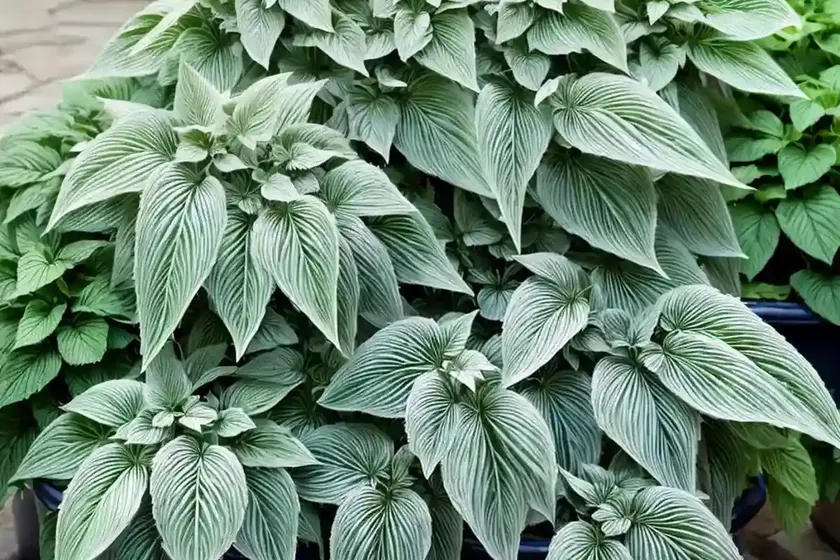
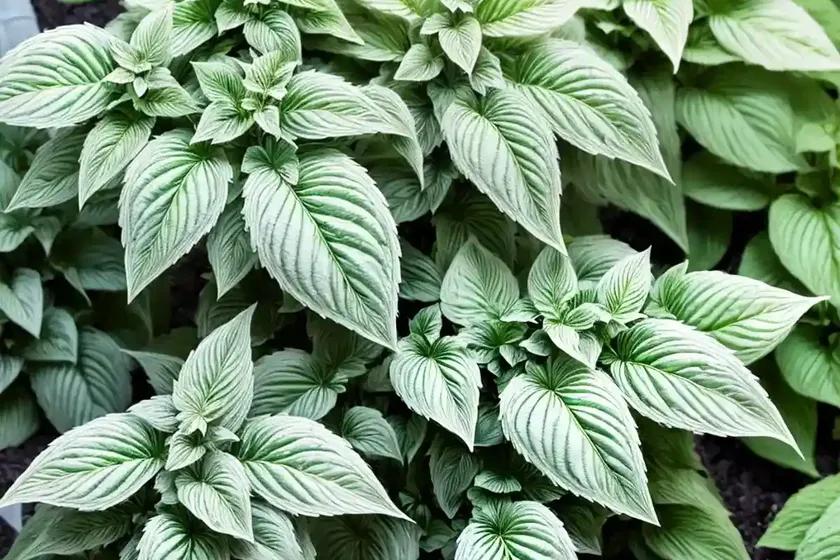
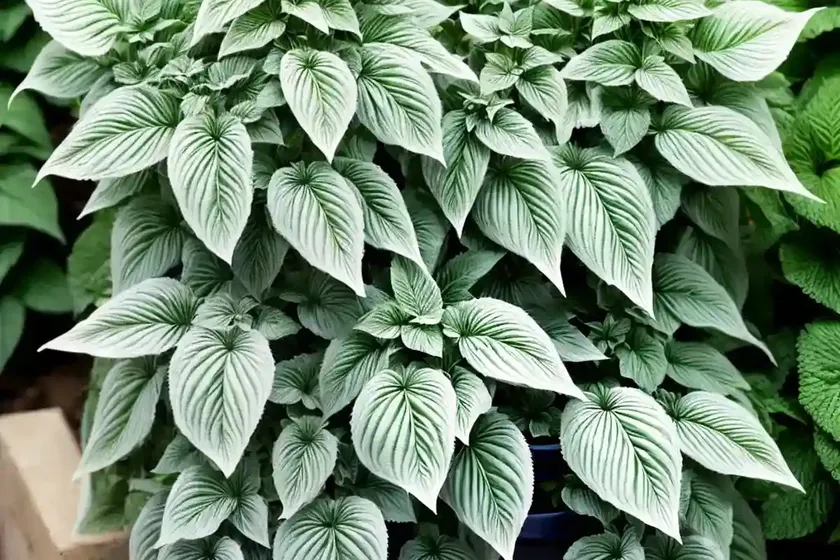
Plants have been an integral part of human civilization for centuries, providing us with food, medicine, and essential resources. One such plant that has garnered attention for its medicinal and culinary uses is the Mexican mint (Plectranthus amboinicus). Known for its aromatic leaves and diverse applications, Mexican mint has found its way into gardens, kitchens, and traditional medicine practices. In this comprehensive guide, we will delve into the culture, uses, care tips, and much more for this fascinating plant.
What is Mexican Mint (Plectranthus amboinicus)?
Mexican mint, also known as Plectranthus amboinicus, is a perennial herb that belongs to the Lamiaceae family. It is native to Southern and Eastern Africa, but it has also become naturalized in various other tropical and subtropical regions. The plant is characterized by its succulent, fleshy leaves and a pleasant aroma, reminiscent of oregano and thyme. It is often referred to as Cuban oregano, Spanish thyme, or Indian borage.
Key Takeaways
Before we delve deeper, let’s highlight some key takeaways about Mexican mint:
- Scientific Name: Plectranthus amboinicus
- Common Names: Mexican mint, Cuban oregano, Spanish thyme, Indian borage
- Plant Type: Perennial herb
- Uses: Medicinal, culinary, ornamental
- Native Region: Southern and Eastern Africa
- Aroma: Oregano-like, with hints of thyme and sage
Now, let’s explore the various aspects of Mexican mint, ranging from its culture and uses to care tips and common diseases.
Culture
Mexican mint is a versatile plant that thrives in diverse conditions, making it a popular choice for both indoor and outdoor cultivation. Understanding its cultural requirements is essential for its successful growth and development.
Water
Proper watering is crucial for Mexican mint, especially during its growing season. The plant prefers moist, well-draining soil and is susceptible to root rot if overwatered. To maintain an optimal moisture level, water the plant when the top inch of the soil feels dry to the touch. During the winter months or dormant periods, reduce the frequency of watering to prevent waterlogged conditions.
Sunlight
Mexican mint thrives in partial to full sunlight, making it an excellent choice for both indoor and outdoor cultivation. When grown indoors, place the plant in a location that receives indirect sunlight for several hours each day. In outdoor settings, ensure that the plant receives ample sunlight, especially in cooler regions where additional warmth can promote vigorous growth.
Soil
The choice of soil is critical for Mexican mint’s growth and overall health. It prefers well-draining, sandy loam soil with a slightly acidic to neutral pH. Adding organic matter, such as compost or peat moss, can improve soil texture and fertility, promoting robust growth and essential oil production. Additionally, a well-aerated soil structure can mitigate the risk of waterlogged conditions and root diseases.
Uses
Mexican mint has been valued for its diverse applications, ranging from medicinal and culinary to ornamental and aromatic uses. Understanding its multifaceted uses can shed light on its significance and relevance in various human spheres.
Medicinal Uses of Mexican Mint
Mexican mint has been traditionally used in herbal medicine for its potential health benefits. From respiratory support to skin care, the plant’s medicinal properties have been harnessed for centuries. Some of its notable medicinal uses include:
- Respiratory Health: Mexican mint is recognized for its potential to alleviate respiratory issues such as coughs, colds, and sinusitis. Its expectorant and decongestant properties make it a valuable natural remedy for respiratory congestion and discomfort.
- Skin Conditions: The essential oil derived from Mexican mint is known for its antifungal and antiseptic properties, making it beneficial for treating minor skin ailments such as cuts, insect bites, and fungal infections.
- Digestive Health: In traditional medicine, Mexican mint has been used to address digestive issues, including indigestion and bloating. It is also believed to stimulate appetite and promote digestive comfort.
- Menstrual Support: The plant has been employed to alleviate menstrual cramps and discomfort, providing relief during the menstrual cycle.
- Anti-inflammatory and Antioxidant Effects: Mexican mint exhibits potential anti-inflammatory and antioxidant properties, contributing to its traditional use in managing inflammatory conditions and combating oxidative stress.
Culinary Uses
In addition to its medicinal attributes, Mexican mint is valued for its culinary applications, particularly in various regional cuisines. Its aromatic leaves impart a distinctive flavor and aroma to dishes, enhancing their taste and appeal. Some common culinary uses of Mexican mint include:
- Flavoring: The leaves of Mexican mint are used to flavor soups, stews, curries, and sauces, adding a unique blend of herbal and citrusy notes to the dishes.
- Teas and Infusions: The leaves can be infused in hot water to prepare aromatic teas and herbal infusions, providing a refreshing and flavorful beverage option.
- Seasoning: Ground or finely chopped Mexican mint leaves can be used as a seasoning for meat, poultry, seafood, and vegetable-based dishes, elevating their taste profile.
Fertilizer
To promote healthy growth and abundant foliage, Mexican mint benefits from periodic fertilization. Using a balanced, water-soluble fertilizer with a slightly higher ratio of nitrogen can support robust vegetative growth and essential oil production. Apply the fertilizer during the plant’s active growing phase, typically from spring to late summer, following the manufacturer’s recommended dilution and application frequency.
Pruning
Regular pruning is essential to keep Mexican mint in optimal condition and shape. Pruning helps manage the plant’s size, promotes bushier growth, and encourages the production of fresh, aromatic leaves. Trim the plant regularly, removing any dead or leggy growth and maintaining a compact and healthy appearance. Pruning can also stimulate new growth and prevent the plant from becoming woody or unmanageable.
Propagation
Mexican mint can be propagated through various methods, including stem cuttings, division, and seed propagation. Each propagation technique offers unique advantages and considerations, allowing growers to propagate the plant according to their preferences and resources.
Stem Cuttings
Stem cuttings are one of the most common and effective methods for propagating Mexican mint. To propagate through stem cuttings:
1. Select a healthy, non-flowering stem with several nodes.
2. Use a sharp, sterilized knife or scissors to cut a 4-6 inch section of the stem, ensuring that it includes at least one leaf node.
3. Remove the lower leaves from the cutting, leaving only a few leaves at the tip.
4. Dip the cut end in a rooting hormone to promote root development (optional but recommended).
5. Plant the cutting in a well-draining potting mix and keep it moist until roots develop.
Division
Division involves separating the plant into smaller sections, each with its own root system. This method is best employed when the plant has become overcrowded or when growers wish to propagate multiple plants from a single specimen. To propagate through division:
1. Carefully unearth the plant and gently separate the root mass into smaller sections, ensuring that each section has sufficient roots and foliage.
2. Replant the divided sections in individual containers or designated areas in the garden, ensuring optimal spacing and care for each new plant.
Container Popularity
Mexican mint’s adaptability and compact growth habit make it an attractive choice for container gardening. It thrives in containers both indoors and outdoors, allowing individuals with limited garden space to cultivate this versatile herb. Whether grown on windowsills, balconies, or patios, Mexican mint adds a touch of greenery and fragrance to urban spaces.
Container Common Diseases
While container gardening offers numerous benefits, it also presents unique challenges, particularly related to plant health and disease management. Mexican mint may be susceptible to certain diseases when grown in containers, necessitating proactive care and vigilance.
Disease Diagnosis
Common diseases that may affect Mexican mint in containers include:
- Powdery Mildew: A fungal disease that manifests as a powdery white coating on the leaves, compromising their health and vigor.
- Root Rot: Excess moisture and poor drainage in container soil can lead to root rot, causing wilting, yellowing of foliage, and overall decline.
- Leaf Spot: Fungal and bacterial pathogens may cause leaf spots, leading to blemished and weakened foliage.
Disease Management
To mitigate the risks of diseases in container-grown Mexican mint, implement the following preventive measures and management strategies:
- Proper Watering: Avoid overwatering and ensure that the containers have adequate drainage to prevent waterlogged conditions.
- Air Circulation: Promote good air circulation around the plants to reduce humidity and minimize the risk of fungal diseases.
- Sanitation: Remove and dispose of any diseased or damaged plant material to prevent the spread of pathogens.
- Fungicidal Treatments: If necessary, apply organic fungicidal sprays to combat fungal diseases and protect the plants from further infection.
Common Pests
In addition to diseases, Mexican mint may also face challenges from various pests, impacting its overall health and vitality. Identifying and addressing pest infestations promptly can help safeguard the plant from significant damage.
Common pests that may affect Mexican mint include:
- Aphids: Small, soft-bodied insects that feed on the sap of the plant, causing distortion and stunted growth.
- Spider Mites: Tiny arachnids that can infest the undersides of leaves, leading to webbing and discoloration of foliage.
- Whiteflies: Small, white, moth-like insects that congregate on the undersides of leaves and can reduce plant vigor.
Pest Management
To manage pest infestations and promote the plant’s health, consider the following pest control measures:
- Biological Controls: Introduce beneficial predatory insects such as ladybugs and lacewings to combat aphids and other small pests.
- Horticultural Oils: Apply horticultural oils to suffocate and control spider mite infestations, targeting the pests’ vulnerable life stages.
- Water Sprays: Use strong water sprays to dislodge and remove whiteflies from the plant, reducing their populations and impact.
Botanist’s Tips
As a plant scientist, I would like to share some additional tips and insights to help you cultivate and enjoy Mexican mint to its fullest potential:
- Varietal Considerations: Explore different varieties of Plectranthus amboinicus to discover unique leaf shapes, sizes, and flavors, adding diversity to your garden and culinary repertoire.
- Harvesting Protocol: When harvesting Mexican mint leaves, opt for the younger, tender leaves at the tips of the stems, as they offer the best flavor and aroma.
- Overwintering: In regions with colder climates, consider overwintering Mexican mint indoors to protect it from frost and cold temperatures, allowing it to thrive year-round.
- Companion Planting: Mexican mint can be strategically planted alongside vegetables and ornamental plants to deter pests and enhance overall garden biodiversity.
Fun Facts
To further appreciate the allure of Mexican mint, here are some intriguing and fun facts about this remarkable herb:
- The essential oil of Plectranthus amboinicus has been used in traditional medicine as a natural insect repellent, offering protection against mosquitoes and other biting insects.
- In some cultures, Mexican mint has folklore and superstitions associated with it, often linked to its aromatic and medicinal properties.
- The plant’s nectar-rich flowers attract pollinators such as bees and butterflies, contributing to the ecological diversity of its growing environment.
Links to External Resources
For those seeking additional information and resources on Mexican mint, the following external links can provide valuable insights and guidance:
- Medicinal and Culinary Uses of Cuban Oregano (Mexican Mint)
- Growing and Caring for Plectranthus amboinicus
- Traditional Uses and Folklore of Mexican Mint
- Pest and Disease Management for Plectranthus amboinicus
In conclusion, Mexican mint (Plectranthus amboinicus) stands as a versatile and valuable plant, offering an array of practical and aesthetic benefits. From its role in herbal medicine to its use in enhancing culinary creations, this herb continues to captivate and inspire. Whether you’re a seasoned gardener, a passionate cook, or an enthusiast of natural remedies, Mexican mint is a botanical gem worthy of exploration and appreciation. By understanding its culture, uses, care tips, and intriguing facets, we can unlock the full potential of Mexican mint and revel in its numerous gifts to humanity.
To the verdant world of Mexican mint, where fragrance and flavor entwine, adding a touch of nature’s charm to our lives.


