Agastache Cana (Texas Hummingbird Mint)
Agastache cana, commonly known as Texas Hummingbird Mint, is a stunning and versatile perennial plant that is native to the southern regions of North.
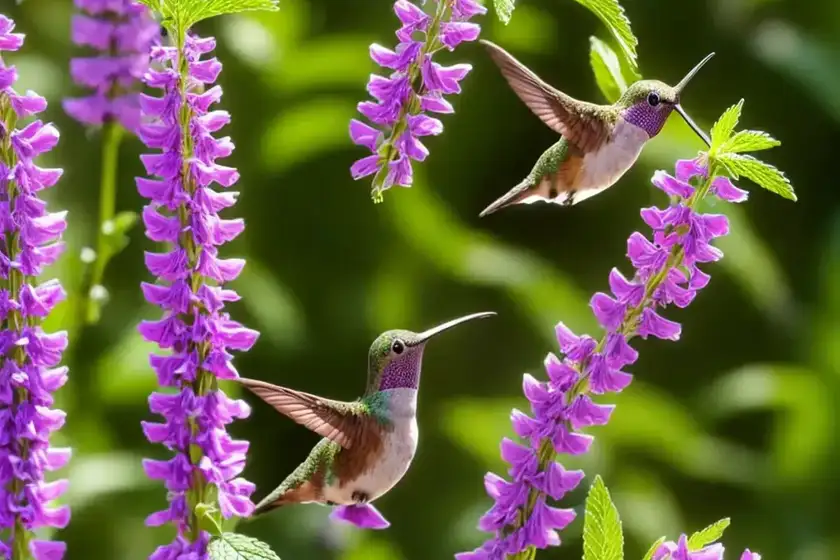
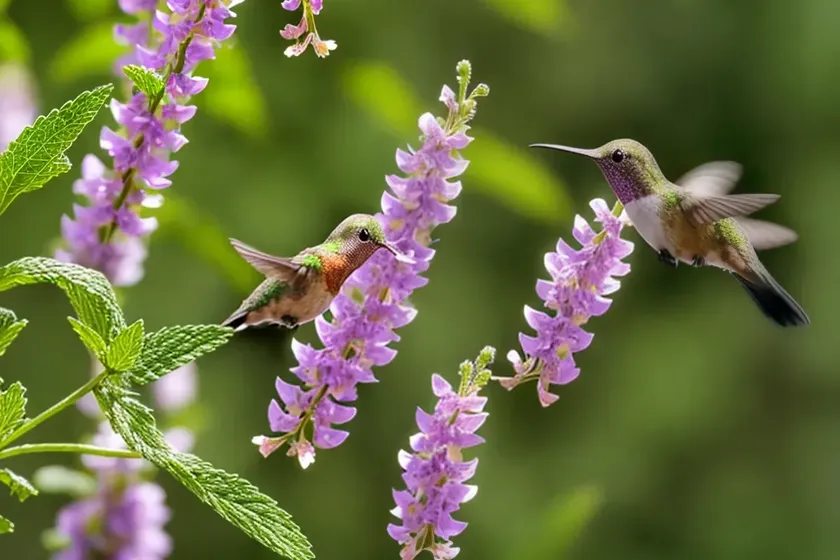
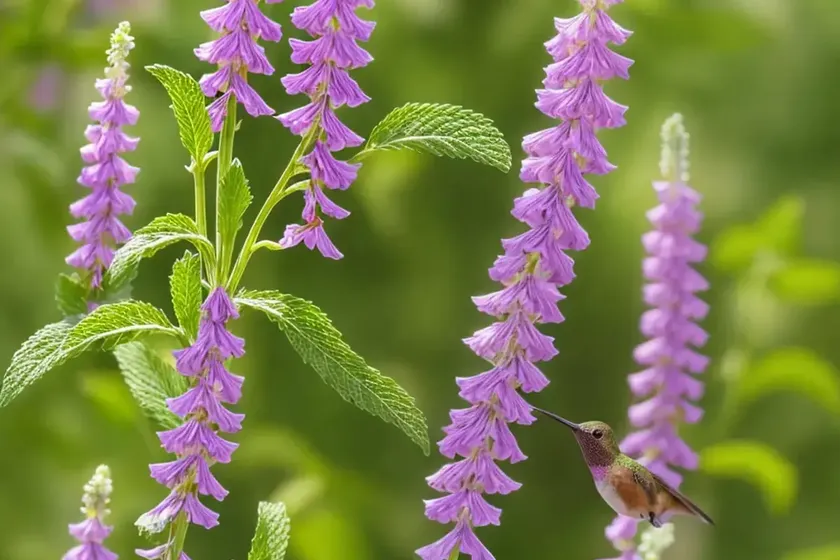
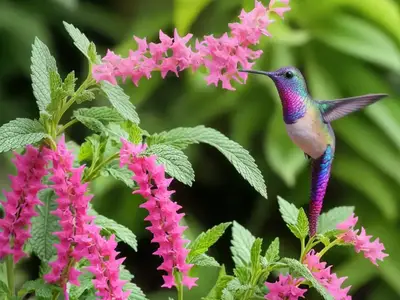
Agastache cana, commonly known as Texas Hummingbird Mint, is a stunning and versatile perennial plant that is native to the southern regions of North America. This beautiful herbaceous plant belongs to the mint family (Lamiaceae) and is renowned for its unique fragrance, vibrant blooms, and its ability to attract various pollinators, particularly hummingbirds. In this comprehensive guide, we will delve into the various facets of Agastache cana, including its culture, uses, maintenance, and much more. Whether you are a seasoned gardener or a plant enthusiast, this article will equip you with all the essential knowledge you need to successfully cultivate and appreciate this remarkable species.
What is Agastache Cana (Texas Hummingbird Mint)?
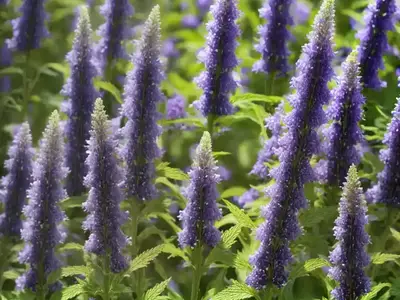
Agastache cana, commonly referred to as Texas Hummingbird Mint, is a perennial herbaceous plant that is indigenous to the southern regions of North America. This striking species is a member of the mint family (Lamiaceae) and is prized for its aromatic foliage, vibrant blooms, and its exceptional appeal to a variety of pollinators, especially hummingbirds. The plant features upright spikes of tubular flowers, which are adorned with a delightful array of colors, ranging from shades of pink, purple, and blue, depending on the specific cultivar.
Agastache cana is renowned for its adaptability and is relatively low-maintenance, making it an ideal addition to gardens, landscapes, and even container displays. It is valued not only for its ornamental beauty but also for its potential medicinal and culinary uses, solidifying its status as a multifunctional and versatile plant.
Key Takeaways – Agastache Cana (Texas Hummingbird Mint)
Before delving into the specifics of cultivating and caring for Agastache cana, it’s crucial to understand the fundamental aspects of this plant. Below are key takeaways that encapsulate the essence of Texas Hummingbird Mint.
- Botanical Name: Agastache cana
- Common Name: Texas Hummingbird Mint
- Plant Type: Perennial
- Family: Lamiaceae
- Native Habitat: Southern regions of North America
- Notable Features: Fragrant foliage, tubular flowers, attraction to pollinators, including hummingbirds
- Uses: Ornamental, culinary, medicinal, wildlife attraction
With these key highlights in mind, we will explore the nuances of cultivating and caring for Agastache cana, spanning aspects such as culture, uses, maintenance, and its ecological impact.
Culture
Water
Agastache cana, or Texas Hummingbird Mint, thrives in well-drained soil and prefers moderate moisture levels. While it is essential to provide sufficient water to establish the plant, it is equally crucial to ensure that the soil does not become waterlogged, as this can lead to root rot and other issues. Once the plant is established, it exhibits a good level of tolerance to drought conditions, making it well-suited for regions with sporadic rainfall or limited irrigation resources.
Sunlight
This species flourishes in bright, full sun environments. It is best to position Agastache cana in locations where it can receive at least 6 to 8 hours of sunlight daily. Adequate sun exposure is critical for promoting vigorous growth, prolific flowering, and maximizing the aromatic qualities of the foliage.
Soil
Texas Hummingbird Mint thrives in well-drained, loamy or sandy soil with a slightly acidic to neutral pH. It is imperative to avoid heavy, compacted soils, as they can impede drainage and lead to root suffocation. Additionally, incorporating organic matter into the soil can enhance its overall structure and fertility, contributing to the long-term vitality of the plant.
Fertilizer
When it comes to fertilization, Agastache cana generally does not have excessive nutrient requirements. However, applying a balanced, slow-release fertilizer in early spring can bolster the plant’s growth and overall health. It is advisable to refrain from over-fertilizing, as this can lead to excessive foliage growth at the expense of flower production and may render the plant more susceptible to pest and disease issues.
Uses
Agastache cana, or Texas Hummingbird Mint, offers a diverse array of applications, ranging from ornamental and culinary to medicinal and ecological uses. Understanding the multifaceted uses of this plant can provide insights into its versatility and the potential value it can bring to various settings.
Ornamental
With its stunning display of vibrant flowers and aromatic foliage, Agastache cana is a valuable addition to ornamental gardens, borders, and landscapes. Its ability to attract pollinators, particularly hummingbirds and butterflies, adds a dynamic and enchanting element to outdoor spaces. Additionally, the plant’s compact growth habit and colorful blooms make it well-suited for container gardening, allowing individuals with limited garden space to partake in its beauty.
Culinary
The leaves and flowers of Agastache cana possess a delightful, minty flavor with subtle undertones of citrus and anise. This unique flavor profile makes it an intriguing culinary ingredient, suitable for various applications. The leaves can be used to infuse beverages, such as teas and cocktails, imparting a refreshing and aromatic twist. Similarly, the flowers can be employed to garnish salads and desserts, adding a visually appealing and flavorful touch to culinary creations.
Medicinal
In traditional herbal medicine, Agastache species have been utilized for their potential medicinal properties. While research specific to Agastache cana may be limited, its relatives within the Agastache genus have been attributed with various medicinal benefits, including anti-inflammatory, antimicrobial, and analgesic properties. The leaves and flowers of Texas Hummingbird Mint are valued for their aromatic and potentially therapeutic qualities, paving the way for their incorporation into herbal remedies and wellness practices.
Ecological
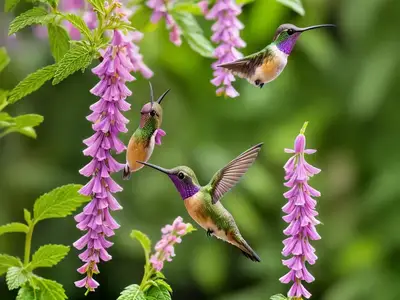
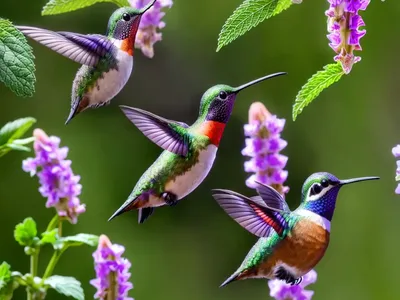
From an ecological perspective, Agastache cana plays a vital role in supporting biodiversity and ecosystem health. Its capacity to attract a diverse array of pollinators, including bees, butterflies, and hummingbirds, contributes to the overall resilience of local ecosystems. By providing nectar and habitat for these essential pollinators, Agastache cana contributes to the broader conservation of wildlife and the preservation of ecological balance.
Pruning
Pruning is an essential aspect of maintaining the health, vigor, and aesthetic appeal of Agastache cana. While this plant exhibits a naturally tidy growth habit, periodic pruning can help prolong its flowering period, prevent the formation of seed heads, and rejuvenate its overall appearance. Pruning should be conducted in early spring, and the following guidelines can serve as a practical reference for effectively managing the plant:
-
Remove spent flower spikes: As the flowers fade, it is advisable to deadhead the plant by removing the spent flower spikes. This not only promotes a tidier appearance but also encourages the development of new blooms.
-
Trimming for rejuvenation: In regions where Agastache cana experiences a dormant or semi-dormant period, it can be beneficial to trim the foliage and stems to the ground during late winter or early spring. This practice helps stimulate new growth and refreshes the plant for the upcoming growing season.
-
Thinning for air circulation: To mitigate the risk of fungal diseases and improve air circulation, thinning out congested or overlapping stems can enhance the plant’s overall health and resilience.
By adopting these pruning strategies, gardeners can effectively manage the growth and vitality of Agastache cana, ensuring that it remains a stunning and productive presence in the garden.
Propagation
Propagating Agastache cana provides an opportunity to expand its presence in the garden, share its beauty with others, and renew aging or declining specimens. There are several methods suitable for propagating Texas Hummingbird Mint, including division, stem cuttings, and seed sowing.
Division
Dividing mature Agastache cana plants is a straightforward and reliable method for propagation. This process is typically conducted in early spring, and the following steps outline the basic procedure for successful division:
-
Prepare the plant: Water the plant thoroughly a day before division to ensure that it is adequately hydrated. This facilitates the process of separating the root mass without causing undue stress to the plant.
-
Select the divisions: Identify healthy, vigorous clumps within the plant that can be separated and transplanted as independent specimens. Use a sharp spade or garden knife to carefully slice through the root mass, ensuring that each division possesses an adequate portion of roots and shoots.
-
Transplant the divisions: Plant the divisions in prepared soil, ensuring that they are positioned at the same depth as they were originally growing. Water the newly transplanted divisions to settle the soil and help them establish seamlessly.
Stem Cuttings
Taking stem cuttings from Agastache cana provides a reliable method for generating new plants with identical genetic traits to the parent plant. The following steps outline the basic process for propagating Texas Hummingbird Mint through stem cuttings:
-
Select and prepare the cuttings: Choose healthy, non-flowering stems and carefully cut sections that are approximately 4 to 6 inches in length. Remove the lower leaves from the cutting, leaving only a few sets of leaves at the top to minimize moisture loss and promote successful rooting.
-
Rooting medium: Dip the cut end of each stem cutting in a rooting hormone powder to encourage the development of roots. Plant the cuttings in a well-draining rooting medium, such as a mixture of perlite and peat moss, and ensure that they are kept consistently moist.
-
Provide suitable conditions: Place the cuttings in a warm, bright location with indirect sunlight. Maintain high humidity levels around the cuttings by covering them with a transparent plastic dome or using a misting system. Regularly monitor the moisture level of the medium and provide gentle bottom heat if possible to expedite root formation.
-
Transplanting: Once the cuttings have developed a healthy root system, they can be transplanted into individual containers or directly into the garden, where they will continue to mature and thrive.
Seed Sowing
Sowing seeds is a cost-effective and rewarding method for propagating Agastache cana. The seeds can be collected from mature plants or obtained from reputable seed suppliers. The following steps outline the basic procedure for successfully sowing Texas Hummingbird Mint seeds:
-
Seed preparation: If harvesting seeds from existing plants, allow the seed heads to fully mature and dry on the plant. Collect the seeds and store them in a cool, dry place until they are ready for sowing.
-
Sowing technique: Sow the seeds in a well-prepared seed-starting medium, ensuring that they are positioned at a shallow depth and lightly covered with the growing medium. Water gently to settle the soil and maintain consistent moisture levels to support germination.
-
Provide ideal conditions: Place the seed trays or pots in a warm, bright location, ensuring that they receive adequate indirect sunlight. Maintain appropriate moisture levels and ambient temperature to facilitate the emergence of seedlings.
-
Transplanting: Once the seedlings have developed several sets of true leaves and are of sufficient size, they can be transplanted into individual containers or into the garden, where they will continue to mature and flourish.
By employing these propagation methods, individuals can expand their collection of Agastache cana, share its beauty with others, and contribute to the conservation and appreciation of this remarkable plant species.
Container Popularity
The adaptability and compact growth habit of Agastache cana make it an excellent candidate for container gardening. Whether cultivated in spacious terracotta pots, decorative urns, or hanging baskets, Texas Hummingbird Mint adds a touch of charm and vibrancy to outdoor living spaces. Its ability to thrive in containers expands its appeal to individuals with limited gardening space, while also providing the flexibility to be positioned in various areas, such as patios, balconies, and outdoor dining areas.
Planting Texas Hummingbird Mint in containers necessitates attention to key considerations, including appropriate soil, drainage, and regular maintenance. Selecting a high-quality potting mix with excellent drainage properties is essential for supporting the healthy growth and development of the plant. Additionally, incorporating a layer of gravel or perlite at the base of the container can enhance drainage and mitigate the risk of waterlogging. Regular watering, adequate sunlight, and occasional fertilization are crucial for promoting the vigor and floriferous nature of Agastache cana in container settings.
Given its ornamental allure, aromatic foliage, and appeal to pollinators, Agastache cana is a standout choice for container gardening enthusiasts seeking to infuse color, fragrance, and ecological vitality into their outdoor environments.
Common Diseases
While Agastache cana is generally resilient and disease-resistant, it may be susceptible to certain issues under unfavorable growing conditions or in the presence of stressors. Understanding the common diseases that can affect Texas Hummingbird Mint equips gardeners with the knowledge to detect, prevent, and address these issues effectively.
Downy Mildew (Peronospora)
Downy mildew is a fungal disease that can affect the leaves of Agastache cana, causing the development of yellow to brown spots, usually on the upper surface of the foliage. As the disease progresses, a fuzzy, purplish-gray mold may emerge on the undersides of the leaves. Downy mildew thrives in humid conditions and can be particularly problematic during periods of prolonged wetness.
Root Rot (Pythium and Phytophthora)
Excessive moisture and poor drainage can contribute to the development of root rot in Agastache cana. This condition is caused by water mold pathogens, such as Pythium and Phytophthora, which infect the roots and subsequently impair their ability to absorb water and nutrients. Plants affected by root rot exhibit symptoms such as wilting, yellowing of the foliage, and the potential collapse of the entire plant.
Powdery Mildew (Erysiphe cichoracearum)
Powdery mildew is a common fungal disease that can afflict Agastache cana, leading to the formation of a powdery, white coating on the surfaces of the leaves and stems. This condition often arises in environments with poor air circulation, high humidity, and moderate temperatures. While powdery mildew may not be fatal to the plant, it can detract from its aesthetic appeal and overall vigor.
Prevention and Management
Implementing preventative measures and early intervention strategies is key to mitigating the impact of common diseases on Agastache cana. The following practices can help safeguard the plant against disease issues:
-
Optimize growing conditions: Provide well-drained soil, adequate spacing between plants, and sufficient air circulation to create an environment that discourages the development and spread of fungal diseases.
-
Avoid overhead watering: Direct water at the base of the plant to minimize moisture on the foliage, as excess moisture can create conditions conducive to fungal diseases.
-
Monitor moisture levels: Water the plant in the morning to allow the foliage to dry thoroughly throughout the day, reducing the risk of fungal pathogens taking hold.
-
Prudent sanitation: Remove and dispose of any affected plant material, such as diseased leaves or stems, to prevent the spread of pathogens.
-
Fungal treatments: In cases where fungal diseases persist or become severe, applying fungicidal treatments recommended for ornamental plants can help alleviate the symptoms and protect the plant from further damage.
Common Pests
Agastache cana, or Texas Hummingbird Mint, is generally resilient to most pest issues, owing to its aromatic foliage and the presence of natural compounds that act as deterrents to certain insects. However, it may still be susceptible to occasional pest infestations, particularly under conditions of stress or suboptimal growing environments. Understanding the common pests that can affect this plant aids in proactive pest management and the preservation of its health and vitality.
Aphids
Aphids are small, soft-bodied insects that may be found congregating on the tender shoots and new growth of Agastache cana. They feed by piercing the plant tissue and extracting sap, which can lead to stunted growth, distorted foliage, and the development of a sticky substance known as honeydew. Additionally, aphids can serve as vectors for plant viruses, compounding the potential damage they can inflict.
Spider Mites
Spider mites are common pests that can affect Agastache cana, particularly in warm, dry conditions. These minuscule arachnids feed on the plant tissue, puncturing individual cells and extracting the contents. The presence of spider mites may result in stippled or bronzed foliage, webbing on the undersides of leaves, and a general decline in the plant’s overall vigor.
Preventative Measures and Control
The implementation of proactive measures and targeted strategies can bolster the resilience of Agastache cana against common pests and help mitigate potential infestations. The following approaches serve as effective tools for pest prevention and management:
-
Pruning and sanitation: Regularly inspect the plant for signs of pest activity and promptly remove and destroy any infested foliage to curtail the spread of pests.
-
Beneficial insects: Encourage the presence of natural predators, such as ladybugs, lacewings, and predatory mites, that feed on common garden pests, thereby contributing to natural pest control.
-
Horticultural oils and insecticidal soaps: Application of these materials can effectively manage aphid and spider mite infestations without causing harm to beneficial insects or pollinators.
-
Cultural practices: Implement practices that promote plant vigor, such as adequate watering, appropriate fertilization, and the reduction of stress factors, to fortify the plant’s natural defenses against pest pressure.
By integrating these integrated pest management strategies, gardeners can protect Agastache cana from potential pest issues while fostering a balanced and resilient garden ecosystem.
Botanist’s Tips
As botanists, plant enthusiasts, and conscientious gardeners, there are various strategies and insights that can elevate our appreciation and cultivation of Agastache cana. The following tips are designed to enhance the experience of growing and caring for Texas Hummingbird Mint while fostering its optimal health, beauty, and ecological impact.
-
Diverse cultivars: Explore the diverse array of Agastache cana cultivars available, each offering a unique blend of flower colors, growth habits, and fragrance profiles. Experimenting with different cultivars can introduce captivating diversity into the garden and expand the sensory experience of growing this species.
-
Overwintering strategies: Depending on the specific climate and growing conditions, consider implementing overwintering strategies, such as providing protective mulching or situating containers in sheltered locations, to safeguard the plant from potentially harsh winter conditions.
-
Companion planting: Integrate Agastache cana with complementary companion plants that share similar cultural requirements and harmonize aesthetically. Suitable companions may include other drought-tolerant perennials, ornamental grasses, and pollinator-attracting species, creating visually captivating and ecologically vibrant plant communities.
-
Wildlife observation: Embrace the opportunity to observe and appreciate the diversity of wildlife that Agastache cana attracts, such as hummingbirds, butterflies, and bees. By serving as a conduit for observing wildlife, this species contributes to the enrichment of our understanding and stewardship of natural ecosystems.
-
Conservation efforts: As advocates for biodiversity and habitat preservation, consider contributing to conservation efforts that support the protection of native plant species, including Agastache cana, and the restoration of ecosystems where these species play a vital role.
These botanist’s tips encapsulate the ethos of informed and holistic engagement with Agastache cana, guiding us toward fostering