Meadowsweets (Spirea Shrub)
As a plant scientist, I am thrilled to delve into the captivating world of meadowsweets, specifically the Spirea shrub. Meadowsweets are enchanting.
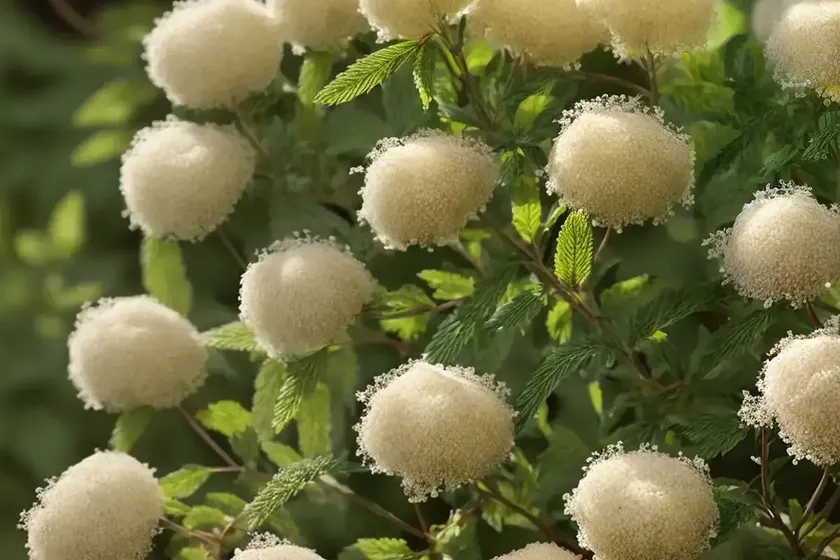
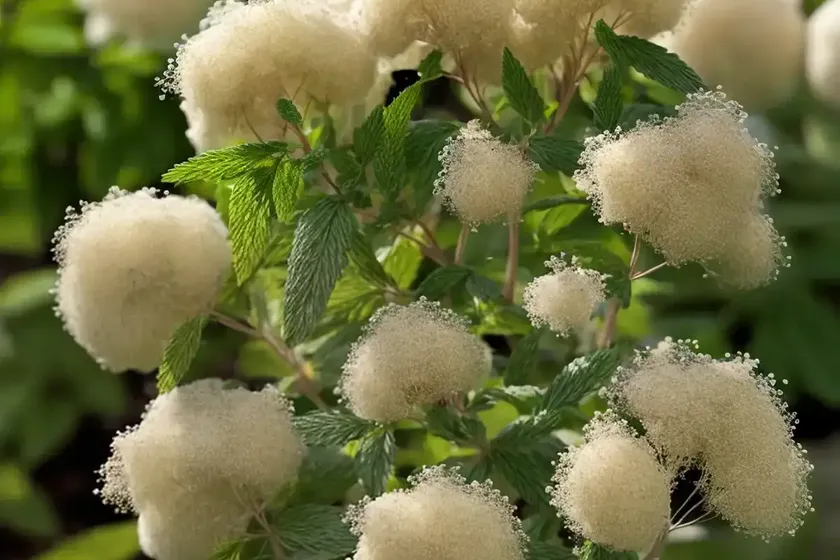
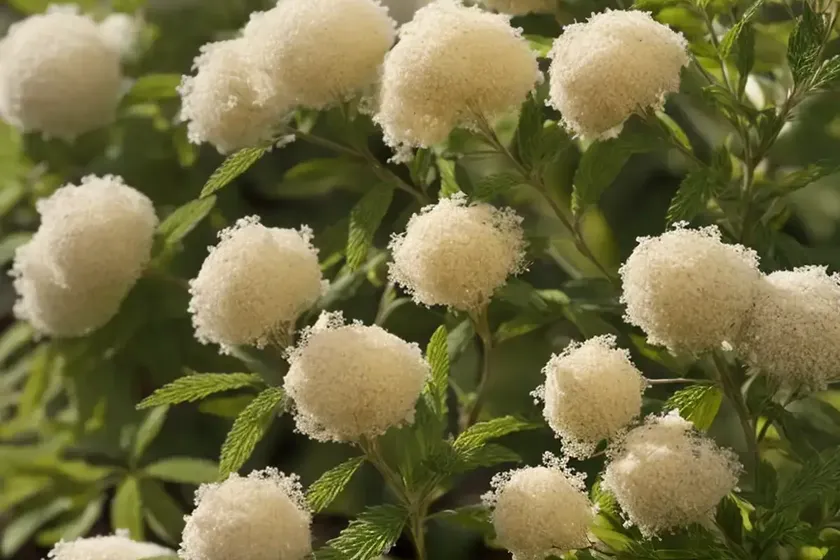
As a plant scientist, I am thrilled to delve into the captivating world of meadowsweets, specifically the Spirea shrub. Meadowsweets are enchanting additions to landscapes, renowned for their elegant flowers, remarkable adaptability, and diverse cultural significance. In this comprehensive guide, we will explore everything there is to know about meadowsweets – from their cultivation and maintenance to their ecological importance and cultural symbolism.
What is a Meadowsweet (Spirea Shrub)?
Meadowsweet, scientifically known as Spiraea, is a genus of woody shrubs belonging to the family Rosaceae. These ornamental shrubs are native to various regions across the Northern Hemisphere, including Europe, Asia, and North America. With approximately 80 species within the Spiraea genus, meadowsweets exhibit remarkable diversity in terms of size, flower color, and growth habits.
One of the most popular species within the Spiraea genus is the Spirea shrub. Known for its graceful arching branches and profusion of delicate, clustered blooms, the Spirea shrub is a favorite among gardeners and landscapers alike. The flowers of the Spirea shrub attract a myriad of pollinators, while its foliage provides an enticing backdrop throughout the growing season.
Key Takeaways – Meadowsweets (Spirea Shrub)
As we embark on this exploration of meadowsweets and specifically the Spirea shrub, it’s essential to highlight the key takeaways that will guide our journey through the intricate world of these enchanting plants. The following sections will provide insights into the cultivation, uses, maintenance, and ecological significance of meadowsweets:
- Culture
- Understanding the preferred growing conditions for meadowsweets, including soil, water, sunlight, and climate requirements.
- Uses
- Exploring the diverse applications of meadowsweets in landscaping, herbal medicine, culinary practices, and traditional celebrations.
- Water
- Determining the optimal watering regimen to ensure the health and vitality of meadowsweets, particularly the Spirea shrub.
- Sunlight
- Identifying the best light conditions for meadowsweets to thrive and bloom abundantly, along with their adaptation to different light intensities.
- Fertilizer
- Implementing appropriate fertilization practices to enhance the growth and flowering potential of meadowsweets, including specific fertilizer formulations.
- Soil
- Assessing the soil requirements for meadowsweets, focusing on soil composition, drainage, and pH levels for optimal growth.
- Pruning
- Mastering the art of pruning meadowsweets, specifically the Spirea shrub, to maintain their shape, promote flowering, and rejuvenate older plants.
- Propagation
- Exploring various methods of propagating meadowsweets, including seed propagation, cuttings, and division techniques.
- Container Popularity
- Evaluating the suitability of meadowsweets, particularly the Spirea shrub, for container gardening and their decorative appeal in containers.
- Common Diseases
- Recognizing prevalent diseases that affect meadowsweets and implementing preventive measures and treatments to safeguard their health.
- Disease Diagnosis
- Developing skills in diagnosing diseases and disorders in meadowsweets, enabling prompt intervention and management strategies.
- Common Pests
- Identifying the common pests that pose a threat to meadowsweets and implementing eco-friendly pest control measures.
- Botanist’s Tips
- Unveiling expert tips and insights from seasoned botanists to optimize the growth and well-being of meadowsweets, with a focus on the Spirea shrub.
- Fun Facts
- Unearthing intriguing and captivating facts about meadowsweets, enriching our appreciation for these remarkable plants.
- Links to External Resources
- Accessing a treasure trove of external resources, including research articles, guides, and databases, to further expand our knowledge of meadowsweets and the Spirea shrub.
With an outline of these key takeaways, our journey into the world of meadowsweets, specifically the Spirea shrub, promises to be an enlightening and captivating exploration. Let’s commence our odyssey into the captivating realm of meadowsweets, delving into the intricacies of their care, cultural significance, and ecological importance.
The successful cultivation of meadowsweets, including the beloved Spirea shrub, hinges on understanding and fulfilling their specific cultural requirements. From the composition of the soil to the intensity of sunlight, providing optimal growing conditions is paramount for the health and vigor of these remarkable plants.
Water
Meadowsweets’ Watering Regimen
Meadowsweets, including the Spirea shrub, exhibit varying preferences for moisture and soil hydration. Understanding the specific watering needs of meadowsweets is fundamental to their overall health and vitality. Consider the following guidelines for watering meadowsweets:
-
Regular, Deep Watering: Meadowsweets benefit from consistent, deep watering, especially during periods of prolonged drought. When watering, aim to moisten the soil to a depth that reaches the root zone of the plants.
-
Established Plantings: Once meadowsweets are established, they generally display a degree of drought tolerance. However, it’s advisable to monitor their moisture levels, particularly during dry spells, to prevent undue stress.
-
Avoid Waterlogged Soil: While meadowsweets require adequate soil moisture, it’s crucial to prevent waterlogging, as excessive moisture can lead to root rot and other detrimental conditions.
Sunlight
Optimal Light Conditions for Meadowsweets
Sunlight plays a pivotal role in the growth and flowering potential of meadowsweets. Understanding their light requirements is essential for choosing suitable planting locations and ensuring their prolific blooming. Consider the following aspects of sunlight for meadowsweets:
-
Full Sun to Partial Shade: Meadowsweets, including the Spirea shrub, generally thrive in full sun to partial shade. They benefit from at least 6 hours of direct sunlight each day, which promotes robust growth and profuse blooms.
-
Adaptation to Various Light Intensities: While full sun is preferable, certain meadowsweet varieties exhibit adaptability to partial shade, broadening their suitability for diverse garden settings.
By catering to the water and sunlight needs of meadowsweets, gardeners and landscapers can create an environment conducive to their flourishing, adorned by a cascade of captivating blooms and lush foliage.
Fertilizer
Nourishing Meadowsweets: Fertilization Practices
Applying appropriate fertilizers at strategic intervals can significantly enhance the growth, flowering, and overall vigor of meadowsweets. Implementing a well-rounded fertilization regimen is essential for optimizing their ornamental appeal and resilience. Consider the following guidelines for fertilizing meadowsweets:
-
Balanced Fertilizers: Choosing balanced, slow-release fertilizers rich in essential nutrients can provide a steady and sustained nourishment for meadowsweets throughout the growing season.
-
Spring Fertilization: In early spring, as the growing season commences, apply a controlled-release fertilizer formulated for flowering shrubs according to the manufacturer’s recommendations. This sets the stage for robust growth and abundant blooming.
-
Avoid Excessive Nitrogen: While meadowsweets benefit from fertilization, excessive nitrogen can promote excessive foliage growth at the expense of flowering. Opt for fertilizers with a balanced N-P-K ratio to foster a harmonious development.
By adhering to a well-considered fertilization routine, gardeners can bestow meadowsweets with the nutritional support necessary for their exuberant growth and resplendent blossoms.
Soil
Understanding Meadowsweets’ Soil Preferences
The soil serves as the foundation for the growth and sustenance of meadowsweets, thus understanding their soil preferences is central to their successful cultivation. Factors such as soil composition, drainage, and pH levels all play a crucial role in their overall well-being. Consider the following aspects of soil for meadowsweets:
-
Well-Drained Loamy Soil: Meadowsweets thrive in rich, well-drained loamy soil that provides a balance of moisture retention and aeration. Amend heavy clay soils with organic matter to improve drainage and friability.
-
Neutral to Slightly Acidic pH: Most meadowsweets, including the Spirea shrub, prefer a slightly acidic to neutral soil pH ranging from 6.0 to 7.0. Conduct a soil test to ascertain the pH level and make necessary adjustments.
-
Avoid Waterlogged Conditions: Ensuring adequate drainage is crucial, as waterlogged conditions can lead to root suffocation and susceptibility to fungal diseases.
By providing meadowsweets with an environment characterized by fertile, well-drained soil with an appropriate pH, gardeners lay the groundwork for their flourishing growth and enchanting floral displays.
Pruning
Mastering Pruning Techniques for Meadowsweets
Pruning plays a pivotal role in maintaining the aesthetic appeal, vigor, and longevity of meadowsweets, including the Spirea shrub. By employing the appropriate pruning techniques, gardeners can sculpt these shrubs into elegant forms while promoting vigorous growth and profuse flowering. Consider the following guidelines for pruning meadowsweets:
-
Seasonal Pruning: Conduct regular pruning in late winter or early spring before the onset of new growth. This rejuvenates older wood, encourages new shoots, and enhances flowering.
-
Selective Pruning: Remove dead, damaged, or diseased branches to improve the overall health and appearance of meadowsweets. Additionally, thin out crowded growth to improve air circulation and light penetration.
-
Pruning for Rejuvenation: For mature meadowsweets that exhibit diminished vigor and flowering, rejuvenation pruning can invigorate the shrubs by removing older stems and encouraging new growth.
Propagation
Methods for Propagating Meadowsweets
Expanding your collection of meadowsweets, or simply sharing the beauty of these plants with others, can be achieved through various propagation methods. From seed propagation to divisions and cuttings, exploring the propagation techniques for meadowsweets enables gardeners to multiply these enchanting shrubs. Consider the following propagation methods for meadowsweets:
-
Seed Propagation: Meadowsweets can be propagated from seeds, though this method requires patience, as it may take time for seed-grown plants to reach maturity and bloom.
-
Softwood Cuttings: During the active growing season, take softwood cuttings from healthy meadowsweet plants for propagation. Provide the cuttings with the right conditions to promote root development.
-
Division: Mature meadowsweets, particularly those with established root systems, can be divided to create new plants. This method rejuvenates the parent plant while yielding additional specimens.
By mastering the intricacies of pruning and propagation, gardeners and plant enthusiasts can enhance their proficiency in maintaining and expanding their collection of meadowsweets, perpetuating the allure of these captivating plants.
Meadowsweets, including the beloved Spirea shrub, hold a myriad of uses that extend beyond their ornamental value. From their culinary and medicinal applications to their ecological importance, meadowsweets play diverse roles that underscore their cultural significance and practical utility.
Landscaping
Meadowsweets’ Ornamental Appeal in Landscaping
Meadowsweets, renowned for their graceful form and abundant blooms, are cherished additions to diverse landscaping settings. Whether as focal points in traditional gardens or components of naturalistic landscapes, meadowsweets imbue outdoor spaces with their captivating beauty. Consider the following landscaping uses for meadowsweets:
-
Borders and Edges: Incorporate meadowsweets, including the Spirea shrub, along borders and edges to delineate garden beds and pathways with their charming foliage and profuse blooms.
-
Mixed Plantings: Combine meadowsweets with other flowering shrubs, perennials, or ornamental grasses to create visually engaging and dynamic plantings that evolve throughout the seasons.
-
Wildlife Gardens: The nectar-rich flowers of meadowsweets entice a variety of pollinators, making them valuable additions to wildlife-friendly gardens that support biodiversity.
-
Privacy Hedges: Certain meadowsweet varieties, such as those with dense growth habits, can be utilized to create privacy hedges that provide visual screening and a habitat for wildlife.
By integrating meadowsweets into landscaping designs, gardeners can infuse outdoor spaces with their timeless elegance, while providing essential resources for wildlife and contributing to the overall ecological balance.
Herbal Medicine
Meadowsweets’ Medicinal Properties and Traditional Uses
Meadowsweets have a long-standing history of medicinal use, revered for their therapeutic properties and contributions to herbal medicine. From alleviating discomfort to promoting general wellness, meadowsweets have garnered attention for their beneficial attributes. Consider the following medicinal uses of meadowsweets:
-
Pain Relief: Meadowsweet has been traditionally used to alleviate pain, including headaches and musculoskeletal discomfort, owing to its salicylate content.
-
Digestive Health: The astringent and soothing properties of meadowsweet have been employed to support digestive health and address minor gastrointestinal disturbances.
-
Anti-Inflammatory Effects: Compounds present in meadowsweet exhibit anti-inflammatory properties, which have been harnessed to mitigate various inflammatory conditions.
-
Herbal Preparations: Meadowsweet leaves and flowers have been used in herbal teas, tinctures, and topical applications to harness their medicinal benefits.
By exploring the medicinal potential of meadowsweets, herbal enthusiasts can gain insights into the therapeutic value of these plants, paving the way for their integration into holistic wellness practices.
Culinary Uses
Meadowsweets’ Culinary Applications
Meadowsweet’s delicate blossoms and fragrant foliage impart a subtle, yet distinct flavor that has found its way into the culinary realm. From beverages to confections, meadowsweets’ culinary applications reveal their versatility and sensory allure. Consider the following culinary uses of meadowsweets:
-
Flavoring Agent: Meadowsweet’s blossoms and leaves can be used to infuse beverages, such as teas, lemonades, and cocktails, with their aromatic and floral notes.
-
Desserts and Baked Goods: Incorporate meadowsweet blooms or extracts into desserts, syrups, and jams to impart a nuanced floral flavor and fragrance.
-
Herbal Vinegars and Oils: Create infused vinegars and oils using meadowsweet foliage to enhance dressings, marinades, and culinary preparations with their aromatic essence.
-
Culinary Creativity: Explore innovative ways to incorporate meadowsweet into culinary creations, discovering its understated yet enchanting contribution to the culinary arts.
By embracing meadowsweets’ culinary potential, gastronomes and culinary enthusiasts can elevate their culinary repertoire with the delightful essence of these captivating plants, adding a touch of floral sophistication to their culinary exploits.
The diverse uses of meadowsweets, spanning from landscaping and herbal medicine to culinary applications, underscore their versatility and cultural significance. By embracing and celebrating these multifaceted plants, we honor their historical legacy and enduring allure in contemporary contexts.
As custodians of meadowsweets, it is imperative to remain vigilant in safeguarding these plants against potential threats posed by diseases and pests. By understanding the prevalent diseases and pests that afflict meadowsweets, gardeners can implement preventive measures and responsive strategies to ensure the health and vitality of these enchanting shrubs.
Common Diseases
Recognizing and Managing Diseases in Meadowsweets
Meadowsweets, including the beloved Spirea shrub, are susceptible to certain diseases that can compromise their vigor and ornamental appeal. By familiarizing ourselves with the common diseases that affect meadowsweets, we arm ourselves with the knowledge necessary to promptly diagnose and manage these conditions. Consider the following prevalent diseases that may afflict meadowsweets:
-
Powdery Mildew (Podosphaera spp.): This fungal disease manifests as a white, powdery coating on the foliage, impacting the plant’s photosynthetic capacity and overall health.
-
Leaf Spot (Diplocarpon and Septoria spp.): Leaf spot diseases present as circular lesions on the foliage, leading to premature leaf drop and diminished aesthetic quality.
-
Fire Blight (Erwinia amylovora): A bacterial disease characterized by wilting, blackened stem tips, and cankers, which can have devastating effects on the shrub’s overall health.
-
Root Rot: Excessive soil moisture, especially in poorly drained soil, can predispose meadowsweets to root rot, resulting in wilting, decline, and potential mortality.
By recognizing the symptoms of these prevalent diseases and understanding their underlying causes, gardeners can act decisively to mitigate their impact and prevent their recurrence, ensuring the continued well-being of meadowsweets.
Disease Diagnosis
Building Skills in Diagnosing Diseases in Meadowsweets
Timely and accurate diagnosis of diseases is fundamental to implementing effective disease management strategies for meadowsweets. By honing skills in disease diagnosis, gardeners can swiftly identify and address potential issues before they escalate. Consider the following approaches to diagnosing diseases in meadowsweets:
-
Visual Inspection: Conduct periodic examinations of meadowsweets’ foliage, stems, and overall appearance to detect any aberrations, discolorations, or lesions that may indicate potential diseases.
-
Symptom Analysis: Familiarize yourself with the characteristic symptoms of common diseases, such as powdery mildew, leaf spot, and fire blight, to discern their distinctive manifestations.
-
Professional Consultation: If uncertain about disease symptoms or their potential causes, seek guidance from experienced horticulturists, extension services, or plant health clinics to facilitate accurate diagnosis.
By refining our ability to diagnose diseases in meadowsweets, we empower ourselves to intervene proactively, preserving the health and vitality of these captivating shrubs and ensuring their enduring charm in the landscape.
Common Pests
Identifying and Controlling Pests Afflicting Meadowsweets
Meadowsweets are prized for their enchanting blooms and ornamental foliage, making them targets for a range of pests that can compromise their aesthetic appeal and overall health. By identifying common pests and implementing appropriate control measures, gardeners can safeguard meadowsweets against infestations. Consider the following prevalent pests that may afflict meadowsweets:
-
Aphids: These small, sap-sucking insects can infest meadowsweets, causing distorted growth, yellowing leaves, and the production of honeydew, which can lead to sooty mold.
-
Spider Mites: These tiny arachnids may infest meadowsweets, causing stippling on the foliage, webbing in severe infestations, and diminished vigor.
-
Scale Insects: Scale insects may colonize meadowsweets, appearing as raised, waxy bumps on stems and foliage, impeding the plant’s physiological functions.
-
Caterpillars and Sawflies: Certain caterpillars and sawflies may feed on meadowsweet foliage, leading to defoliation and aesthetic damage.
By familiarizing ourselves with the signs of pest infestations and implementing integrated pest management (IPM) practices, we can uphold the health and beauty of meadowsweets, allowing them to thrive and enchant with their resplendent blooms and alluring foliage.
Safeguarding meadowsweets against diseases and pests requires vigilance, sharp diagnostic skills, and the judicious application of preventive and responsive measures. By nurturing a proactive approach to plant health, gardeners can sustain the vitality and ornamental allure of meadowsweets, ensuring their enduring presence in gardens and landscapes.
Drawing inspiration and


