Meadow Clary (Salvia Pratensis)
Welcome to the wonderful world of plant exploration! In this comprehensive guide, we will delve into the captivating realm of Meadow Clary, scientifically.
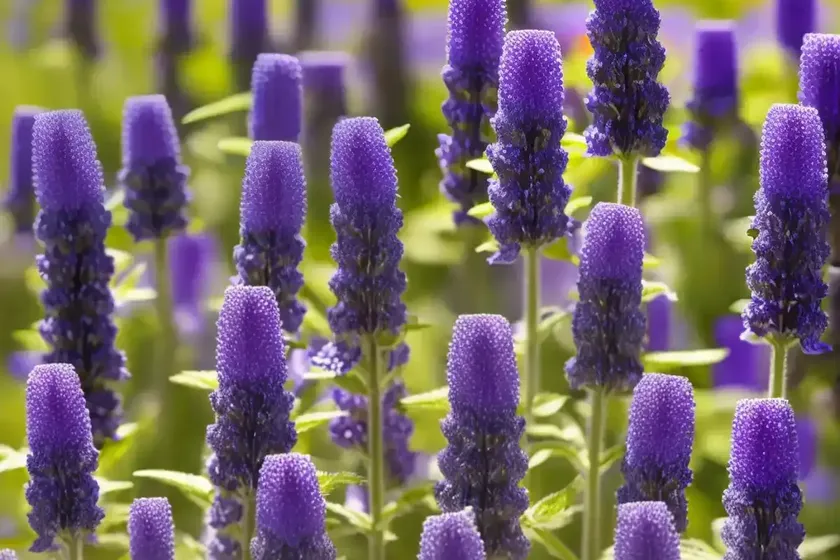
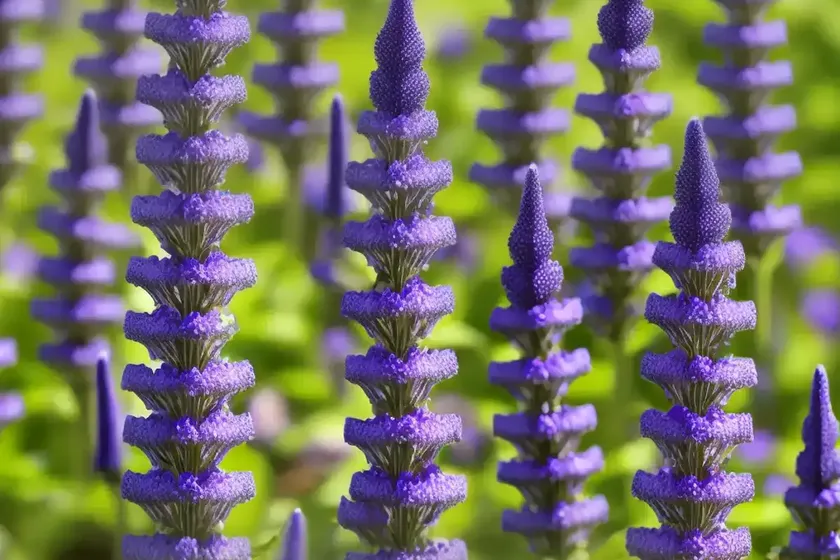
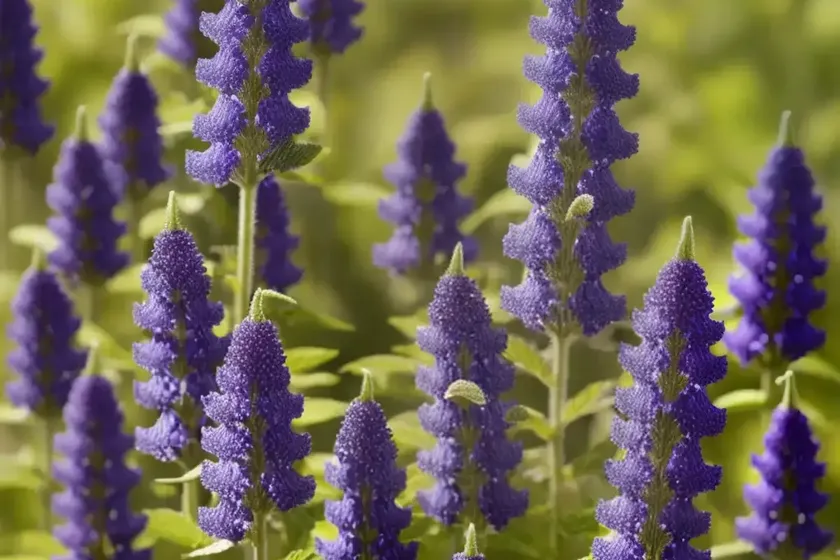
Welcome to the wonderful world of plant exploration! In this comprehensive guide, we will delve into the captivating realm of Meadow Clary, scientifically known as Salvia pratensis. From its basic characteristics to its diverse uses and maintenance requirements, this guide aims to provide you with a thorough understanding of this beautiful plant.
What is Meadow Clary (Salvia pratensis)?
Meadow Clary, or Salvia pratensis, is a delightful herbaceous perennial plant that belongs to the Lamiaceae family. Native to Europe and Western Asia, this plant is renowned for its stunning display of blue to violet flowers, making it a delightful addition to meadows, gardens, and landscapes.
Meadow Clary exhibits a robust growth habit, typically reaching a height of 24-36 inches (60-90 cm). Its lance-shaped, aromatic leaves and tall spikes of colorful flowers contribute to the plant’s aesthetic appeal. Moreover, its ability to attract pollinators, including bees and butterflies, adds to its ecological significance.
Key Takeaways – Meadow Clary (Salvia pratensis)
Culture
- Common Name: Meadow Clary
- Scientific Name: Salvia pratensis
- Family: Lamiaceae
- Type: Herbaceous perennial
- Native Habitat: Europe, Western Asia
Uses
- Ornamental: Meadow Clary is often cultivated for its decorative value, adding color and vibrancy to gardens and natural landscapes.
- Medicinal: Traditional medicinal applications have been associated with Meadow Clary, highlighting its potential health benefits.
- Wildlife Attraction: As a pollinator-friendly plant, Meadow Clary plays a crucial role in supporting local ecosystems.
Water
- Watering Requirements: Meadow Clary prefers well-draining soil and a moderate level of moisture. It is relatively drought-tolerant once established.
Sunlight
- Sun Exposure: This plant thrives in full sun to partial shade, requiring at least 6-8 hours of sunlight daily for optimal growth and flowering.
Fertilizer
- Nutrient Needs: While Meadow Clary can thrive in average soils, occasional supplementation with a balanced fertilizer can enhance its vigor and bloom production.
Soil
- Soil Type: Well-drained, fertile soil is ideal for Meadow Clary. It is adaptable to various soil textures, including loam and sandy soils.
Pruning
- Pruning Techniques: Regular deadheading of spent flowers and light pruning can promote prolonged flowering and maintain a neat appearance.
Propagation
- Propagation Methods: Meadow Clary can be propagated through seeds or division of mature clumps.
Container Popularity
- Container Gardening: While Meadow Clary is primarily grown in garden beds, it can thrive in large containers with proper care and maintenance.
Common Diseases
- Disease Susceptibility: Meadow Clary is relatively resistant to diseases. However, occasional issues such as powdery mildew may arise, especially in humid conditions.
Disease Diagnosis
- Recognizing Symptoms: Yellowing or spotted leaves, stunted growth, and powdery white patches on foliage are indicators of potential diseases in Meadow Clary.
Common Pests
- Pest Management: Aphids and spider mites are among the common pests that may affect Meadow Clary. Regular inspection and horticultural oils can help manage pest infestations.
Now that we have gained an overview of Meadow Clary’s characteristics and uses, let’s delve deeper into its cultivation, maintenance, and the remarkable benefits it offers to wildlife and gardening enthusiasts.
Meadow Clary Benefits
Meadow Clary, also known by its scientific name Salvia pratensis, offers an array of benefits that extend beyond its ornamental value. From its ecological advantages to its potential medicinal properties, this captivating plant holds a special place in the realm of horticulture and sustainable gardening practices.
Salvia pratensis Uses
Wildlife Attraction
- Pollinator-Friendly: Meadow Clary serves as a vital nectar source for bees and butterflies, contributing to the conservation of pollinator populations and supporting the overall biodiversity of ecosystems.
Environmental Benefits
- Erosion Control: Its extensive root system aids in soil stabilization, making it an effective plant for erosion-prone areas within meadows and landscapes.
- Habitat Restoration: Meadow Clary can be utilized in habitat restoration projects, especially in regions where native wildflowers are crucial for wildlife preservation.
Meadow Clary Flowering Season
The delightful flowering season of Meadow Clary is an eagerly anticipated event for gardeners and nature enthusiasts. Typically, this breathtaking plant exhibits its charming blooms from late spring to early summer, creating a picturesque display of vibrant blue to violet flowers.
How to Grow Meadow Clary
Cultivation Guide
To successfully grow and cultivate Meadow Clary, certain key aspects of its care and maintenance should be considered. Here are essential tips for promoting the healthy growth and vibrant flowering of Meadow Clary:
- Site Selection: Choose a planting site with well-draining soil and ample sunlight, ensuring that the plant receives at least 6-8 hours of sunshine daily.
- Soil Preparation: Amend the soil with organic matter to enhance its fertility and drainage capabilities, promoting optimal conditions for Meadow Clary’s root development.
- Planting Depth: When transplanting or sowing seeds, ensure that Meadow Clary is planted at the appropriate depth, usually at a depth twice the width of the seed or root ball.
- Watering Schedule: Initially, provide regular watering to establish the plant, gradually transitioning to a moderate watering routine once the plant is established and exhibiting steady growth.
Salvia pratensis Care Tips
Maintenance
Maintaining Meadow Clary’s health and vigor entails several vital practices that contribute to its overall well-being. Consider the following care tips to ensure the successful growth and long-term vitality of this remarkable plant:
- Deadheading: Regularly remove spent flowers to encourage continuous blooming and prevent the formation of seeds, directing the plant’s energy towards growth and floral production.
- Pruning: Lightly prune Meadow Clary to remove dead or damaged foliage, promoting air circulation and reducing the risk of disease development.
- Fertilization: While Meadow Clary is generally adaptable to average soils, periodic fertilization with a balanced, low-nitrogen fertilizer can enhance its vitality and blooming capacity.
Meadow Clary Medicinal Properties
Salvia pratensis Cultivation Guide
The successful cultivation of Salvia pratensis, or Meadow Clary, relies on a strategic approach to planting, maintenance, and environmental considerations. By adhering to essential cultivation practices, gardeners and conservation enthusiasts can appreciate the full potential and benefits of this captivating plant.
Meadow Clary Garden Tips
Salvia pratensis Varieties
Meadow Clary Habitat
Salvia pratensis Natural Habitat
Meadow Clary Perennial Plant
Salvia pratensis Wildlife Attraction
Meadow Clary Drought-Tolerant
Salvia pratensis Pollinator-Friendly
Meadow Clary Landscape Plant
Salvia pratensis Soil Requirements
Meadow Clary Maintenance
Salvia pratensis Pruning Techniques
Meadow Clary Propagation Methods
Salvia pratensis Seed Collection
Meadow Clary Companion Plants
Salvia pratensis Sun Exposure
Meadow Clary Water Requirements
Salvia pratensis Disease Prevention
Meadow Clary Pest Management
Salvia pratensis Gardening Ideas
Meadow Clary Decorative Uses
Salvia pratensis Herbal Uses
Meadow Clary Tea Recipe
Salvia pratensis Natural Remedies
Meadow Clary Folklore and Traditions
Salvia pratensis Historical Significance
Meadow Clary Folk Medicine
Salvia pratensis Aromatic Properties
Meadow Clary Culinary Uses
Salvia pratensis Essential Oil
Meadow Clary DIY Projects
Salvia pratensis Crafts
Meadow Clary Eco-Friendly Gardening
Salvia pratensis Sustainable Practices
Meadow Clary Indoor Cultivation
Salvia pratensis Container Gardening
Meadow Clary Landscaping Ideas
Salvia pratensis Therapeutic Benefits
Meadow Clary Relaxation Properties
Salvia pratensis Mindfulness Practices
Meadow Clary Natural Habitat Conservation
Salvia pratensis Environmental Benefits
Meadow Clary Gardening Trends
Conclusion
In conclusion, Meadow Clary (Salvia pratensis) stands as a remarkable plant that offers a tapestry of benefits, from its ornamental allure to its ecological significance and potential medicinal properties. Whether embraced for its vibrant blooms, role in conservation, or traditional applications, this captivating plant continues to enrich landscapes and inspire a deeper appreciation for sustainable gardening practices.
By understanding the diverse facets of Meadow Clary’s cultivation, maintenance, and benefits, enthusiasts and conservation advocates can cultivate a deeper bond with the natural world while contributing to the preservation of native flora and wildlife. With its picturesque flowers, drought tolerance, and floral charm, Meadow Clary, or Salvia pratensis, exemplifies the enduring beauty and functional value of native plants within diverse ecological contexts.
As we continue to explore the intricate tapestry of Meadow Clary’s uses and cultural significance, let’s celebrate the enduring beauty and multifaceted contributions of this captivating plant, ensuring its legacy endures for generations to come.
For further insights and resources on Meadow Clary and native plant conservation, you are welcome to explore the following links:
- Royal Horticultural Society – Salvia pratensis
- Botanical Society of Britain & Ireland – Meadow Clary
- The Wildlife Trusts – Wildflower Meadow Creation
Thank you for embarking on this journey through the captivating world of Meadow Clary (Salvia pratensis). May your gardening endeavors be filled with joy, inspiration, and the flourishing beauty of native plants.


