Mass Cane (Dracaena Massangeana)
Dracaena Massangeana, commonly known as Mass Cane or Corn Plant, is a popular houseplant cherished for its vibrant green foliage and air-purifying.
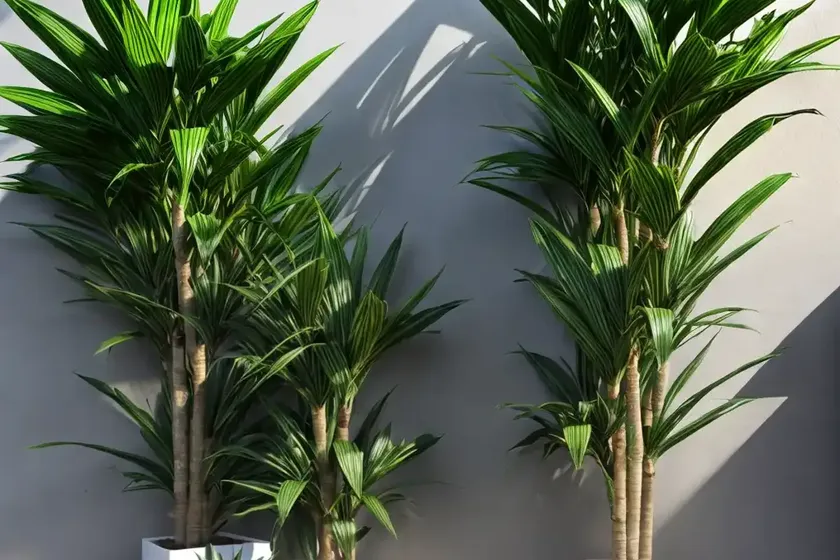
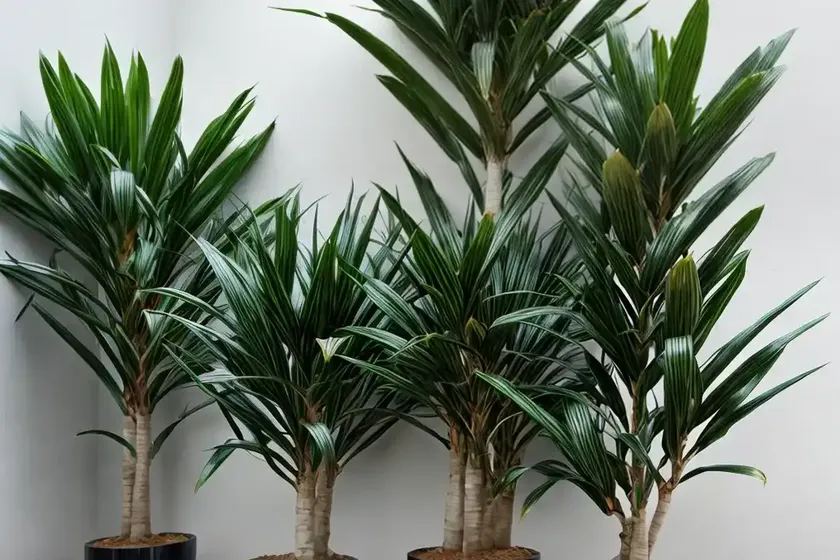

Dracaena Massangeana, commonly known as Mass Cane or Corn Plant, is a popular houseplant cherished for its vibrant green foliage and air-purifying qualities. This resilient and low-maintenance plant is an excellent addition to any indoor environment, courtesy of its adaptability and attractive appearance. In this comprehensive guide, we will delve into the various facets of caring for the Mass Cane plant. From its preferred cultural conditions to potential diseases and pests, this guide aims to equip plant enthusiasts with the knowledge necessary to ensure the thriving and longevity of their Dracaena Massangeana.
What is Dracaena Massangeana?
Taxonomy and Description
Dracaena Massangeana belongs to the Asparagaceae family and is a cultivar of Dracaena fragrans. Its unique features include long, glossy, sword-shaped leaves that exhibit a glorious mixture of green and yellow hues. This vibrant foliage brings a touch of the tropics to any setting, making it a beloved choice for interior decoration and improving air quality.
Key Takeaways – Mass Cane (Dracaena Massangeana)
Before delving into the specifics of Dracaena Massangeana care, it is essential to grasp the key takeaways that encapsulate the fundamental aspects of nurturing this captivating plant. Let’s explore these key points:
– Culture
– Uses
– Water
– Sunlight
– Fertilizer
– Soil
– Pruning
– Propagation
– Container
– Popularity
– Common Diseases
– Disease Diagnosis
– Common Pests
– Botanist’s Tips
– Fun Facts
– Links to External Resources
The following sections will provide an in-depth understanding of these key takeaways, ensuring that both novice and experienced plant enthusiasts can cultivate and maintain thriving Dracaena Massangeana specimens.
Culture
Uses of Dracaena Massangeana
The Mass Cane plant serves various purposes, ranging from ornamental to health-related functions. Understanding its versatile applications can provide a deeper appreciation for this remarkable species:
– Ornamental Plant: Dracaena Massangeana is primarily used as an ornamental houseplant, enhancing the aesthetics of indoor spaces with its graceful, arching foliage.
– Air Purification: This plant is a natural air purifier, contributing to improved air quality by removing harmful pollutants and enhancing oxygen levels in its environment.
– Interior Design Element: Its stunning appearance and adaptability enable the Mass Cane to be used as a key component in interior design, adding a touch of elegance and charm to homes, offices, and various indoor settings.
Water
Watering Requirements
Understanding the optimal watering regimen is crucial for maintaining the health and vitality of Dracaena Massangeana. Here are the key considerations for watering this species:
– Moderation is Key: Overwatering can lead to root rot, while underwatering may cause the plant to wilt and display signs of dehydration. Striking the right balance is essential for promoting healthy growth.
– Frequency: Water the Mass Cane thoroughly, allowing excess water to drain from the pot. Wait until the top inch of the soil feels dry before watering again, usually every 1-2 weeks, depending on environmental conditions.
– Water Quality: It is advisable to use room-temperature water to avoid shocking the plant’s roots. Additionally, distilled or filtered water can prevent the accumulation of salts and chemicals in the soil, promoting better growth and minimizing the risk of tip burn on the leaves.
– Humidity Considerations: Dracaena Massangeana appreciates moderate humidity levels, and adjusting the watering frequency based on the ambient humidity is essential for maintaining optimal moisture balance in the soil.
Sunlight
Best Lighting for Dracaena Massangeana
Sunlight plays a pivotal role in the growth and overall well-being of the Mass Cane plant. Understanding its lighting requirements is crucial for providing an environment conducive to healthy growth:
– Indirect Light: Dracaena Massangeana flourishes in bright, indirect light. Placing the plant near a window that filters bright sunlight or at a distance from a sunny exposure ensures adequate lighting without subjecting it to direct rays that may scorch its leaves.
– Low Light Tolerance: While the Mass Cane prefers bright light, it can also tolerate low light conditions. However, prolonged periods of low light may lead to reduced growth and vibrancy of its foliage.
– Avoidance of Direct Sunlight: Exposure to direct sunlight can cause leaf burn and negatively impact the plant’s overall health. Shielding it from direct sun rays or using sheer curtains to filter intense light is essential when locating it near windows.
Fertilizer
Fertilizer Needs
Proper fertilization is essential for promoting robust foliage and sustained growth in Dracaena Massangeana. Consider the following guidelines when fertilizing this species:
– Balanced Fertilizer: Apply a balanced, water-soluble fertilizer formulated for houseplants during the growing season, typically from spring to early fall. Dilute the fertilizer to half the recommended strength to avoid over-fertilization, which can lead to salt buildup in the soil.
– Frequency: Fertilize the Mass Cane plant approximately once a month during the growing season, reducing the frequency to every 6-8 weeks in winter when its growth rate slows down.
– Fertilization Cautions: Avoid applying fertilizer to dry soil, as it can lead to root burn and damage. Additionally, flushing the soil with water periodically can prevent salt accumulation, ensuring the well-being of the plant.
Soil
Soil Requirements
The choice of soil and its quality are integral to the successful cultivation of Dracaena Massangeana. Understanding the soil requirements is key to providing an optimal growing medium for this species:
– Well-Draining Soil: Use a well-draining, lightweight potting mix that allows excess water to percolate through, preventing waterlogging and root rot. A combination of peat moss, perlite, and coarse sand creates an ideal substrate for the Mass Cane plant.
– pH Considerations: The soil pH should ideally range between 6.0 and 6.5, providing a slightly acidic to neutral environment that supports nutrient uptake and overall plant health.
– Soil Aeration: Ensuring adequate aeration of the soil is essential for promoting healthy root development and preventing compaction, which can impede the plant’s growth and vigor.
Pruning
Pruning Tips
Regular pruning is crucial for maintaining the shape, size, and overall appearance of Dracaena Massangeana. Here are essential pruning tips to ensure the plant’s vitality and aesthetic appeal:
– Leaf Removal: Trim yellowing or browning leaves close to the stem using clean, sharp pruning shears. Regular removal of damaged or diseased foliage contributes to the plant’s overall health and appearance.
– Height Control: If the Mass Cane becomes too tall or leggy, it can be pruned to the desired height by cutting the stem at the desired point. New growth will emerge from the cut, promoting a more compact and lush appearance.
– Propagation Potential: Pruned stem cuttings can be utilized for propagation, allowing enthusiasts to expand their collection of Dracaena Massangeana or share the plant with fellow enthusiasts.
Propagation
Propagation Techniques for Dracaena Massangeana
Propagating Dracaena Massangeana allows plant enthusiasts to multiply their cherished specimens and share the beauty of this species with others. Here are methods for propagating the Mass Cane plant:
– Stem Cuttings: Propagation via stem cuttings is a popular and straightforward method. Cut a healthy stem section and place it in a container with moistened, well-draining soil. Provide warmth and indirect light, and new roots will develop over time.
– Water Propagation: Placing stem cuttings in water can also stimulate root development. Change the water regularly to prevent stagnation and promote healthy rooting before transplanting the cutting into soil.
Container
Container Gardening for Dracaena Massangeana
Choosing the right container and ensuring optimal conditions for potted Dracaena Massangeana are crucial for its growth and well-being. Here are key considerations for container gardening with the Mass Cane plant:
– Pot Size: Select a pot that provides ample space for root development while allowing excess water to drain efficiently. A slightly larger pot than the current root ball facilitates healthy growth without overwhelming the plant with excessive soil volume.
– Drainage Holes: Ensure that the selected container has adequate drainage holes at the bottom to prevent waterlogging and maintain optimal soil moisture levels.
– Potting Mix: Fill the container with a well-draining potting mix that offers good aeration and moisture retention, providing a conducive environment for root growth and overall plant health.
Popularity
The Allure of Dracaena Massangeana
The popularity of Dracaena Massangeana stems from various factors, making it a sought-after addition to indoor spaces worldwide. Here are reasons behind the widespread appeal of the Mass Cane plant:
– Aesthetic Appeal: Its striking foliage and graceful growth habit make Dracaena Massangeana an eye-catching ornamental plant, adding visual interest to homes, offices, and public establishments.
– Low-Maintenance: This species is renowned for its low-maintenance requirements, making it an ideal choice for individuals seeking an attractive yet undemanding houseplant.
– Air-Purifying Qualities: The Mass Cane plant is lauded for its air-purifying capabilities, promoting healthier indoor environments and enhancing overall well-being.
Common Diseases
Disease Diagnosis and Management
While Dracaena Massangeana is generally resilient, it is susceptible to certain diseases that can impact its health and appearance. Understanding common diseases and their management is essential for safeguarding the well-being of the Mass Cane plant:
– Leaf Spot Diseases: Fungal infections, such as Cercospora and Fusarium leaf spots, can manifest as discolored, water-soaked lesions on the foliage. Treating affected plants with fungicidal sprays and ensuring proper air circulation can mitigate these diseases.
– Root Rot: Overwatering and poor drainage can lead to root rot, characterized by mushy, foul-smelling roots and wilting foliage. Adjust the watering regimen and repot the plant in well-draining soil to address root rot and prevent its recurrence.
Common Pests
Pest Management
Pests can pose a threat to the health and appearance of Dracaena Massangeana, necessitating proactive pest management measures to preserve the plant’s vitality. Here are common pests and effective control methods to safeguard the Mass Cane plant:
– Spider Mites: These tiny arachnids can infest Dracaena Massangeana, causing stippled, discolored leaves and fine webbing on the foliage. Regularly misting the plant, using insecticidal soaps, and maintaining adequate humidity can help deter spider mite infestations.
– Mealybugs: Mealybug infestations may occur on the Mass Cane, leading to white, cottony masses on the stems and leaf axils. Removing mealybugs with a cotton swab dipped in rubbing alcohol and applying neem oil can effectively combat these pests without harming the plant.
Botanist’s Tips
Expert Suggestions for Mass Cane Care
Acquiring insights and tips from experienced botanists can elevate the care and cultivation of Dracaena Massangeana. Here are valuable suggestions from experts to enhance the well-being of the Mass Cane plant:
– Consistent Monitoring: Regularly inspect the plant for signs of stress, disease, or pest infestations, enabling prompt intervention and preventive measures to maintain its health and vigor.
– Moderation in Watering: It is crucial to avoid both overwatering and underwatering, as maintaining proper soil moisture is integral to the thriving of Dracaena Massangeana. Adjust the watering frequency based on environmental conditions and seasonal changes.
– Light Adjustment: While the Mass Cane thrives in bright, indirect light, it is essential to acclimate it gradually to avoid leaf burn when transitioning to a new location with differing light conditions.
Fun Facts
Fascinating Trivia About Dracaena Massangeana
Uncovering interesting facts and trivia about Dracaena Massangeana can deepen one’s appreciation for this captivating plant species. Let’s explore some fun and intriguing facts about the Mass Cane plant:
– Traditional Symbolism: In folklore and traditional beliefs, Dracaena Massangeana is associated with good luck, prosperity, and positive energy, making it a popular choice for gifts and decor in various cultures.
– Air-Purifying Champion: Alongside its aesthetic appeal, the Mass Cane is celebrated for its exceptional air-purifying traits, effectively removing volatile organic compounds (VOCs) and enhancing indoor air quality.
– Resilience and Longevity: With proper care, Dracaena Massangeana can thrive for many years, making it a cherished and enduring companion in households and indoor environments.
Links to External Resources
For comprehensive information and additional insights into the care and cultivation of Dracaena Massangeana, exploring external resources from reputable sources can be highly beneficial. Here are some recommended links:
– The Spruce – Dracaena Massangeana Care Guide
– University of Florida IFAS Extension – Dracaena Diseases and Disorders
– Gardening Know How – Pest Control for Dracaena
Dracaena Massangeana, with its vibrant foliage and air-purifying prowess, continues to captivate plant enthusiasts and interior decor aficionados alike. By embracing the guidelines and insights outlined in this comprehensive care guide, individuals can foster the thriving and longevity of their cherished Mass Cane plants, fostering a harmonious and visually stunning indoor environment.
As we delve deeper into the multifaceted world of plant care, the allure of Dracaena Massangeana emerges as a symbol of resilience, beauty, and the transformative power of nature within our living spaces.
Remember: the key to nurturing the Mass Cane lies in attentive care, a touch of finesse, and a genuine appreciation for the verdant splendor it gracefully bestows upon its surroundings.