Marsh Dock (Rumex Palustris)
Plants are not only essential for the survival of all living organisms on Earth, but they also hold immense cultural, ecological, and medicinal.
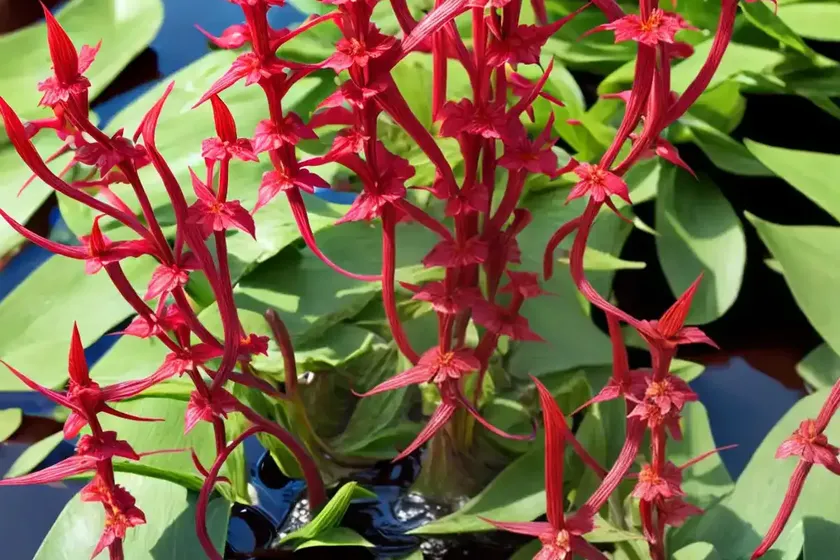
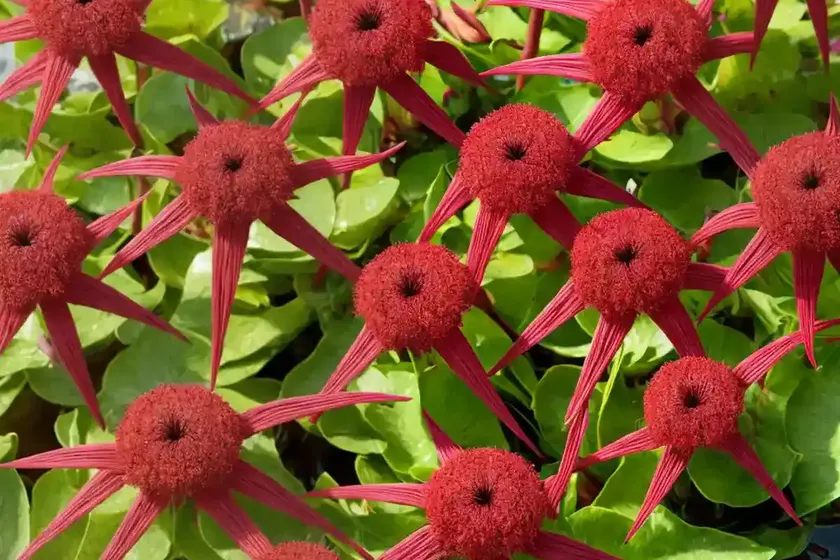
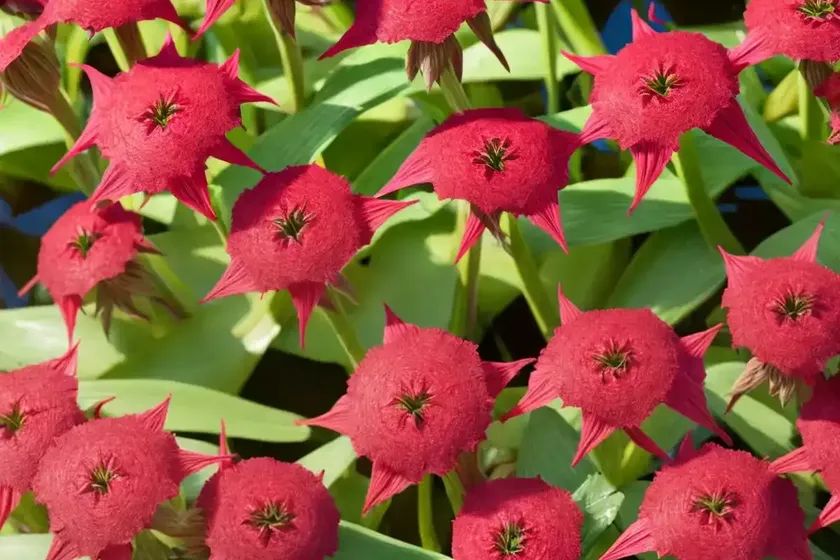
Plants are not only essential for the survival of all living organisms on Earth, but they also hold immense cultural, ecological, and medicinal significance. In this comprehensive guide, we will delve into the intriguing world of Marsh Dock (Rumex palustris), exploring its characteristics, uses, habitat, ecological role, and much more. Whether you are an avid gardener, a nature enthusiast, or a botany aficionado, there is much to discover about this fascinating plant.
What is Marsh Dock (Rumex palustris)?
Marsh Dock, scientifically known as Rumex palustris, is a species within the genus Rumex, which belongs to the family Polygonaceae. This plant is commonly found in wetland areas, along the edges of ponds, rivers, and marshes, thriving in moist and often waterlogged conditions. Rumex palustris is recognized for its lance-shaped leaves, reddish-brown stems, and clusters of small greenish flowers.
As we embark on this exploration of Marsh Dock, we will delve into various aspects such as its cultural uses, growth requirements, ecological role, traditional remedies, and much more. Let’s begin by understanding the botanical and ecological characteristics of this intriguing plant.
Rumex palustris Classification
Plants are classified based on their botanical characteristics and genetic makeup. Rumex palustris is categorized as follows:
| Kingdom | Plantae |
|---|---|
| Clade | Tracheophytes |
| Clade | Angiosperms |
| Clade | Eudicots |
| Order | Caryophyllales |
| Family | Polygonaceae |
| Genus | Rumex |
| Species | Rumex palustris |
Understanding the taxonomical classification of a plant provides valuable insights into its evolutionary relationships and genetic features.
Marsh Dock Plant Characteristics
Marsh Dock (Rumex palustris) exhibits several key characteristics that distinguish it within the plant kingdom. These traits include:
- Leaves: The leaves of Rumex palustris are lance-shaped and often grow to a considerable size, providing a lush green appearance to the plant.
- Stems: The stems of Marsh Dock are typically reddish-brown, adding a pop of color to its overall appearance.
- Flowers: This plant produces clusters of small greenish flowers, contributing to its aesthetic appeal and biological function.
Understanding these characteristics is crucial for anyone seeking to cultivate, study, or appreciate the unique features of Marsh Dock.
Rumex palustris Habitat
The habitat of Rumex palustris plays a pivotal role in shaping its growth and ecological interactions. Marsh Dock is commonly found in wetland areas, demonstrating an affinity for regions with high moisture content. Its habitat includes:
- Wetlands: Marsh Dock thrives in wetland areas, often growing along the edges of ponds, marshes, and riverbanks where the soil is consistently moist.
- Moist Environments: It is well-adapted to moist and waterlogged conditions, showcasing its resilience in habitats that might be challenging for other plant species.
Understanding the natural habitat of Rumex palustris provides crucial insights into its ecological preferences and conservation requirements.
Marsh Dock Medicinal Uses
Apart from its ecological significance, Marsh Dock (Rumex palustris) also holds medicinal value in traditional and alternative medicine systems. The plant is recognized for several medicinal uses, including:
- Traditional Remedies: In traditional medicine, Marsh Dock has been utilized for various therapeutic purposes, such as alleviating digestive issues and skin conditions.
- Ethnobotanical Uses: Indigenous communities have incorporated Marsh Dock into their traditional remedies for generations, harnessing its purported healing properties.
Exploring the medicinal uses of Rumex palustris sheds light on the cultural significance and potential pharmacological properties of this plant.
Rumex palustris Cultivation
Cultivating Marsh Dock (Rumex palustris) requires careful attention to its growth requirements and environmental considerations. The following factors are crucial for successful cultivation:
- Water: Adequate moisture is essential for the growth of Marsh Dock, making it well-suited for areas with consistent access to water.
- Sunlight: While Marsh Dock tolerates partial shade, it thrives in full sunlight, requiring sufficient light for optimal growth.
- Soil: Well-drained, nutrient-rich soil is favorable for Rumex palustris, although it exhibits adaptability to a range of soil conditions.
Understanding these cultivation requirements is essential for gardeners and horticulturists aiming to nurture Marsh Dock in their outdoor spaces.
Marsh Dock Growth Requirements
In addition to specific cultivation factors, Marsh Dock (Rumex palustris) has distinct growth requirements that shape its development and overall health. These requirements include:
- Water: Given its affinity for moist habitats, Marsh Dock requires consistent access to water, making it an excellent choice for gardens with water features or marshy areas.
- Sunlight: While it can tolerate partial shade, Marsh Dock flourishes in full sunlight, which supports robust growth and flowering.
- Soil: The plant thrives in nutrient-rich, well-drained soil, although it can adapt to various soil types within wetland environments.
By understanding these growth requirements, growers can provide an environment conducive to the healthy development of Marsh Dock.
Rumex palustris Ecology
The ecological role of Marsh Dock (Rumex palustris) extends beyond its physical characteristics, encompassing its interactions within natural ecosystems. The plant’s ecological role includes:
- Habitat Support: Marsh Dock contributes to the ecological diversity of wetland habitats, offering resources for various organisms and contributing to ecosystem stability.
- Soil Stabilization: Its extensive root system aids in stabilizing the soil in wetland areas, mitigating erosion and maintaining the integrity of riparian zones.
Understanding the ecological role of Rumex palustris is crucial for conservation efforts and maintaining the health of wetland ecosystems.
Marsh Dock Distribution
The distribution of Marsh Dock (Rumex palustris) spans across specific geographic regions, where it is found in abundance. The plant is commonly distributed in the following areas:
- Wetland Regions: Rumex palustris is prevalent in wetland areas across different continents, thriving in regions with suitable environmental conditions.
By understanding the distribution of Marsh Dock, researchers and conservationists can gain insights into its presence within distinct ecological landscapes.
Rumex palustris Benefits
Beyond its ecological significance, Marsh Dock (Rumex palustris) offers various benefits to the environment and potentially to human well-being. Some notable benefits include:
- Habitat Enhancement: The plant contributes to habitat diversity and stability within wetland environments, supporting a range of organisms.
- Potential Medicinal Value: Traditional uses of Marsh Dock hint at its potential medicinal properties, prompting further exploration for therapeutic applications.
Recognizing these benefits sheds light on the multifaceted contributions of Rumex palustris within natural ecosystems and cultural contexts.
Marsh Dock Traditional Uses
Throughout history, Marsh Dock (Rumex palustris) has been integrated into various traditional practices and cultural uses, reflecting its significance in different societies. Its traditional uses encompass:
- Medicinal Applications: Indigenous communities have utilized Marsh Dock for addressing health-related concerns, relying on its purported therapeutic properties.
- Cultural Significance: The plant holds cultural significance in certain communities, featuring in folklore, traditional ceremonies, and culinary practices.
Exploring the traditional uses of Rumex palustris unveils its rich cultural heritage and enduring relevance in diverse cultural contexts.
Rumex palustris Ethnobotany
The ethnobotanical study of Marsh Dock (Rumex palustris) delves into the plant’s cultural and historical significance, as well as its traditional uses within different societies. Its ethnobotanical aspects encompass:
- Historical Significance: Marsh Dock has been integrated into traditional practices and cultural customs for generations, shaping its ethnobotanical relevance.
- Traditional Knowledge: Indigenous communities have passed down knowledge about the plant’s uses and significance, contributing to its ethnobotanical heritage.
By delving into the ethnobotanical dimensions of Rumex palustris, researchers gain valuable insights into its cultural resonance and historical context.
Marsh Dock Adaptations
The adaptations of Marsh Dock (Rumex palustris) demonstrate its resilience and ability to thrive in specific environmental conditions. Notable adaptations include:
- Moisture Tolerance: Marsh Dock exhibits a high tolerance for moist environments, with adaptations that enable its survival and growth in waterlogged areas.
- Ecological Niche: The plant’s adaptations position it as a valuable contributor to wetland ecosystems, playing a distinct role in ecological processes.
Understanding these adaptations provides a glimpse into the evolutionary traits that have shaped the survival and ecological significance of Rumex palustris.
Rumex palustris Conservation
Given its habitat preferences and potential ecological significance, the conservation of Marsh Dock (Rumex palustris) is a matter of importance. Conservation considerations include:
- Habitat Protection: Preserving wetland areas and riparian zones is essential for safeguarding the natural habitat of Rumex palustris and the organisms it supports.
- Biodiversity Conservation: The plant’s presence contributes to the biodiversity of wetland ecosystems, highlighting its value in conservation efforts.
Addressing the conservation needs of Rumex palustris is crucial for sustaining its presence within natural environments and supporting broader conservation objectives.
Marsh Dock Folklore
Folklore and mythology often intertwine with the botanical realm, and Marsh Dock (Rumex palustris) is no exception. Its folklore encompasses:
- Cultural Narratives: The plant features in cultural narratives and folklore, embodying symbolic meanings and cultural interpretations within specific communities.
- Herbal Lore: Marsh Dock may hold significance in herbal lore, incorporating mythical and legendary associations that enrich its folklore.
Exploring the folklore surrounding Rumex palustris offers a window into the cultural imagination and symbolic significance attributed to this plant.
Rumex palustris Natural Habitat
The natural habitat of Marsh Dock (Rumex palustris) offers valuable insights into the plant’s role within specific ecosystems and its ecological preferences. Its natural habitat includes:
- Wetland Environments: Marsh Dock thrives in wetland habitats, populating regions with high moisture content and serving as an integral component of these ecosystems.
Understanding the natural habitat of Rumex palustris enhances our appreciation for its ecological niche and conservation needs.
Marsh Dock Plant Profile
A comprehensive plant profile for Marsh Dock (Rumex palustris) encompasses its botanical traits, ecological role, cultural uses, and other pertinent details. This profile provides a holistic overview of the plant’s:
- Botanical Characteristics: Description of its leaves, stems, flowers, and other distinguishing features.
- Ecological Significance: Insight into its role within natural ecosystems and its contributions to biodiversity and ecological processes.
- Cultural Relevance: Exploration of its traditional uses, folklore, and potential cultural significance.
Developing a detailed plant profile for Rumex palustris is essential for promoting a comprehensive understanding of its diverse attributes and value.
Rumex palustris Uses
The uses of Marsh Dock (Rumex palustris) span ecological, cultural, and potential medicinal dimensions, showcasing its versatility and significance. Its uses encompass:
- Ecological Contributions: Marsh Dock supports wetland ecosystems and contributes to the diversity and stability of these environments.
- Cultural Significance: The plant holds cultural and traditional value, featuring in customs, folklore, and potentially culinary practices within certain communities.
Recognizing the diverse uses of Rumex palustris enriches our understanding of its multifaceted contributions to different spheres of human and ecological life.
Marsh Dock Ecological Role
The ecological role of Marsh Dock (Rumex palustris) is integral to sustaining the health and balance of wetland environments. Its ecological role includes:
- Habitat Support: Marsh Dock serves as a resource for various organisms within wetland habitats, enhancing the ecological diversity and functionality of these ecosystems.
- Soil Stabilization: The plant’s root system aids in stabilizing the soil, mitigating erosion, and contributing to the structural integrity of riparian zones.
Understanding the ecological role of Rumex palustris is essential for recognizing its significance within broader ecological systems.
Rumex palustris Edible Parts
While Marsh Dock (Rumex palustris) is not primarily cultivated for culinary purposes, certain parts of the plant may have edible qualities. Its edible parts include:
- Leaves: The leaves of Rumex palustris may be consumed after specialized preparation methods are employed.
It is important to exercise caution and seek guidance from experts before considering the consumption of any wild plant species.
Marsh Dock Traditional Remedies
Marsh Dock (Rumex palustris) has been integrated into traditional remedies and alternative medicine systems, offering potential therapeutic applications. Its traditional remedies encompass:
- Herbal Preparations: In traditional medicine, Marsh Dock has been utilized to address specific health concerns, often through the preparation of herbal remedies.
- Ethnopharmacology: Indigenous knowledge systems may provide insights into the potential pharmacological properties of Rumex palustris, informing its traditional remedies.
Exploring the traditional remedies associated with Rumex palustris unveils its historical and cultural significance in medicinal contexts.
Rumex palustris Native Range
The native range of Marsh Dock (Rumex palustris) denotes the geographical regions where the plant naturally occurs and thrives. Its native range extends across:
- Wetland Areas: Rumex palustris has a native range that encompasses various wetland habitats, reflecting its preference for moist and waterlogged environments.
Understanding the native range of Rumex palustris provides essential context for appreciating its presence within specific ecological landscapes.
Marsh Dock Folklore and Legends
Folklore and myths associated with Marsh Dock (Rumex palustris) offer a glimpse into the cultural interpretations and symbolic significance attributed to the plant. Its folklore and legends may include:
- Cultural Symbolism: The plant may hold symbolic meanings within specific cultural narratives, serving as a source of inspiration or conveying metaphorical significance.
- Mythical Associations: Marsh Dock may feature in stories and myths, embodying mythical qualities that contribute to its folklore and legendary status.
Exploring the folklore and legends surrounding Rumex palustris enriches our understanding of its cultural resonance and symbolic representations.
Rumex palustris Ecological Benefits
The ecological benefits of Marsh Dock (Rumex palustris) extend to the broader environment, offering valuable contributions to natural ecosystems. Some ecological benefits include:
- Habitat Support: Rumex palustris contributes to the enhancement of wetland habitats, providing resources for diverse organisms and contributing to ecosystem stability.
- Soil Conservation: The plant’s presence aids in soil stabilization, mitigating erosion and preserving the structural integrity of riparian zones.
Recognizing the ecological benefits of Rumex palustris underscores its ecological significance and conservation value.
Marsh Dock Benefits for Wildlife
The presence of Marsh Dock (Rumex palustris) offers benefits to various forms of wildlife within wetland environments. Its benefits for wildlife include:
- Habitat Resources: The plant provides resources for insects, birds, and other wildlife, fostering biodiversity within wetland ecosystems.
- Shelter and Nesting Sites: Marsh Dock may offer shelter and nesting sites for certain wildlife species, contributing to their habitat needs.
Understanding the benefits of Rumex palustris for wildlife sheds light on its role in supporting diverse forms of biodiversity within wetland ecosystems.
Rumex palustris Traditional Medicine
The traditional medicinal applications of Marsh Dock (Rumex palustris) are rooted in the historical and cultural practices of different societies. Its traditional medicine uses encompass:
- Therapeutic Properties: Marsh Dock has been utilized in traditional medicine for addressing specific health concerns, reflecting its perceived therapeutic properties.
- Historical Significance: The plant holds historical significance within traditional medicine systems, playing a role in folk remedies and healing practices.
Exploring the traditional medicine associated with Rumex palustris enriches our understanding of its cultural and historical relevance in medicinal contexts.
Marsh Dock Cultural Uses
The cultural uses of Marsh Dock (Rumex palustris) reflect its role within specific cultural traditions, customs, and practices. Its cultural uses encompass:
- Folklore and Symbolism: The plant may hold symbolic and metaphorical meanings within certain cultural narratives, contributing to its cultural significance.
- Traditional Practices: Marsh Dock may be integrated into traditional ceremonies, rituals, or customs within specific cultural contexts.
Recognizing the cultural uses of Rumex palustris offers insights into its enduring relevance and significance within diverse cultural settings.
Rumex palustris Ecological Adaptations
The ecological adaptations of Marsh Dock (Rumex palustris) demonstrate its specialized features that enable it to thrive in specific environmental conditions. Key ecological adaptations include:
- Moisture Tolerance: Rumex palustris exhibits a high tolerance for moist environments, reflecting adaptations that facilitate its survival and growth in wetland areas.
- Ecological Interactions: The plant’s adaptations enable it to interact with and support various organisms within wetland ecosystems, contributing to ecological processes.
Understanding the ecological adaptations of Rumex palustris elucidates the remarkable traits that have shaped its ecological success and significance.
Marsh Dock Conservation Status
Assessing the conservation status of Marsh Dock (Rumex palustris) is crucial for understanding and addressing its conservation needs. Conservation considerations include:
- Habitat Protection: Preserving wetland habitats and riparian zones is essential for safeguarding the natural habitat of Rumex palustris and the biodiversity it supports.
- Ecosystem Management: Implementing strategies for sustainable ecosystem management is vital to supporting the ecological requirements of Rumex palustris.
Addressing the conservation status of Rumex palustris is key to ensuring the preservation of its presence within natural environments.
Rumex palustris Native Plants
The native plants that coexist within the ecological community of Marsh Dock (Rumex palustris) contribute to the overall biodiversity and ecological dynamics of its habitat. Native plants within its ecological community may include:
- Wetland Flora: Various species of wetland plants and associated flora that thrive alongside Rumex palustris in wetland environments.
- Riparian Species: Plants adapted to riparian zones and waterlogged soils, forming part of the plant community within the habitat of Rumex palustris.
Understanding the native plants associated with Rumex palustris provides insights into its ecological interactions and the broader ecosystem it inhabits.
Marsh Dock Plant Diversity
The plant diversity within the genus Rumex, to which Marsh Dock (Rumex palustris) belongs, adds to the richness of botanical diversity within specific ecological contexts. Plant diversity within the genus Rumex includes:
- Species Variability: The diverse range of Rumex species showcases varied botanical traits and ecological adaptations across different habitats.
- Ecological Niches: Different Rumex species occupy specific ecological niches, reflecting the adaptability and ecological flexibility of the genus.
Recognizing the plant diversity within the genus Rumex enriches our comprehension of the ecological and botanical intricacies within specific ecosystems.
Rumex palustris Ecosystem Role
The ecosystem role of Marsh Dock (Rumex palustris) encompasses its contributions to ecological processes, habitat support, and interactions within natural environments. Its ecosystem role includes:
- Biodiversity Support: Rumex palustris contributes to the biodiversity of wetland ecosystems, offering resources for a range of organisms and enhancing ecological diversity.
- Ecological Processes: The plant participates in ecological


