Marijuana (Cannabis)
Plants have always been an integral part of human society, offering sustenance, medicine, and resources. Among the myriad of plant species, Cannabis has.
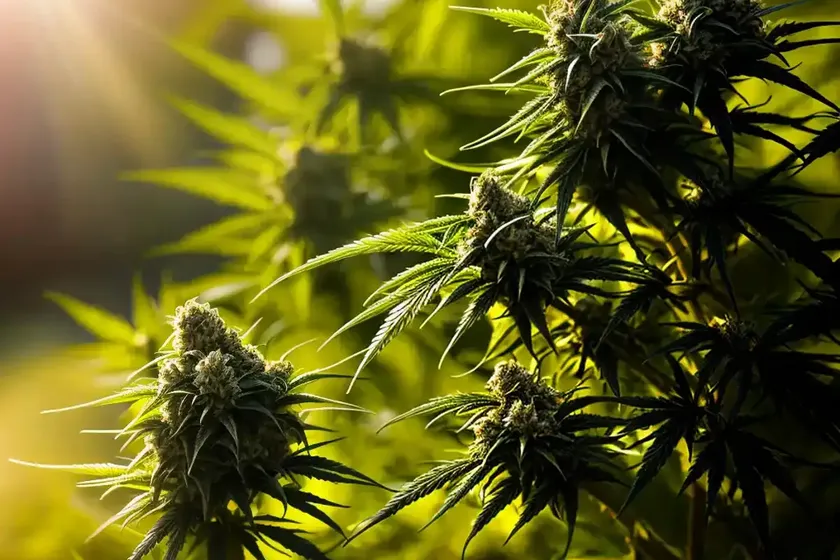
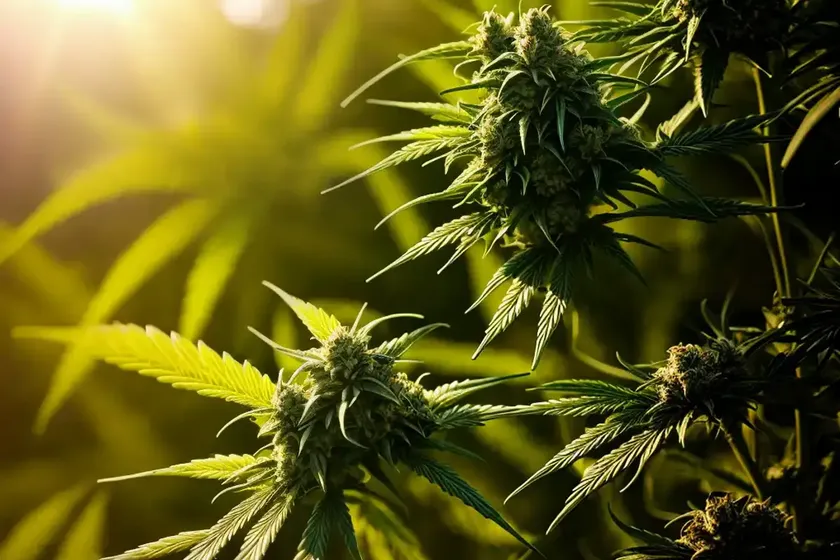
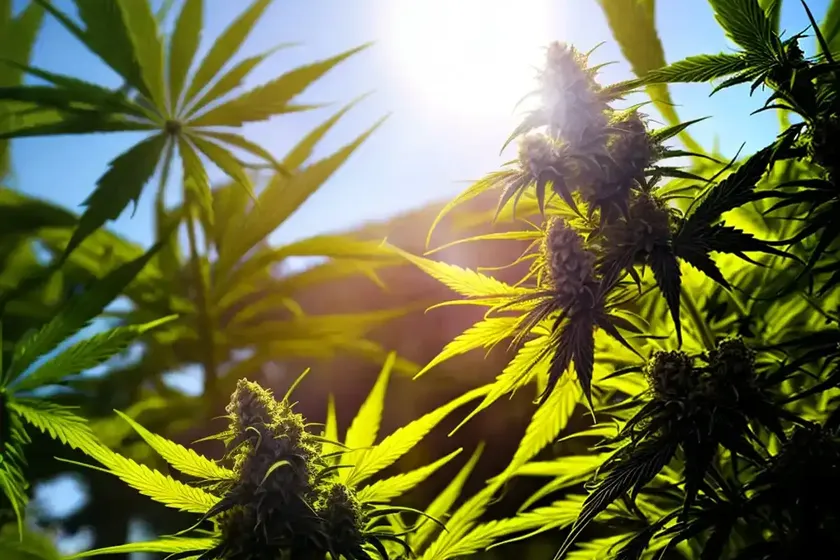
Plants have always been an integral part of human society, offering sustenance, medicine, and resources. Among the myriad of plant species, Cannabis has garnered particular attention due to its cultural significance, medicinal properties, and recreational uses. In this comprehensive guide, we will delve into the captivating world of Cannabis and explore its cultivation, uses, care, and much more.
What is Marijuana (Cannabis)?
Cannabis refers to a genus of flowering plants within the family Cannabaceae. It is acclaimed for its psychoactive and medicinal properties, and is cultivated and used for various purposes such as recreational consumption, medicinal treatments, and industrial applications.
Within the genus Cannabis, there are three primary species: Cannabis Sativa, Cannabis Indica, and Cannabis Ruderalis. Each of these species has unique characteristics and is utilized for specific purposes.
-
Cannabis Sativa: Known for its tall stature, narrow leaves, and invigorating effects, Cannabis Sativa plants are commonly associated with providing a cerebral, uplifting high. This species is often used for its euphoric and energizing properties.
-
Cannabis Indica: In contrast to Cannabis Sativa, Cannabis Indica plants are shorter and bushier with broader leaves. They are recognized for their relaxing and sedating effects, making them suitable for soothing discomfort and inducing relaxation.
-
Cannabis Ruderalis: Considered the least common among the three species, Cannabis Ruderalis is known for its autoflowering trait and its ability to thrive in harsh climates. It is often utilized in hybridization and for its potential therapeutic properties.
The cultivation and uses of Cannabis have been the subject of extensive research and debate, with the plant’s properties and possibilities continually sparking interest and innovation.
Key Takeaways – Marijuana (Cannabis)
Before delving into the specifics of cultivating and caring for Cannabis, it’s important to highlight some key takeaways that encompass the plant’s significance and versatility:
- Cannabis encompasses three primary species: Sativa, Indica, and Ruderalis, each with distinct characteristics and applications.
- The plant has a rich history of cultural, medicinal, and recreational use, dating back thousands of years across different civilizations.
- Its psychoactive properties are attributed to compounds known as cannabinoids, with THC (tetrahydrocannabinol) and CBD (cannabidiol) being the most well-known and researched.
- Cannabis cultivation has evolved, leading to the development of diverse strains, hybrids, and products that cater to various preferences and needs.
Now, let’s delve into the details of cultivating and caring for Cannabis plants, encompassing aspects such as culture, uses, water, sunlight, fertilizer, soil, pruning, propagation, container gardening, and addressing common diseases and pests.
Culture
The culture of Cannabis refers to the environmental conditions, care practices, and techniques associated with its cultivation. Understanding the optimal culture for Cannabis plants is crucial for fostering their healthy growth and maximizing their potential.
-
Climate: Cannabis thrives in a temperate climate with ample sunlight and moderate humidity. However, advancements in cultivation techniques, such as indoor and greenhouse growing, have enabled cultivation in diverse climatic conditions.
-
Indoor vs. Outdoor: While outdoor cultivation allows plants to benefit from natural sunlight and air circulation, indoor growing provides greater control over environmental factors such as temperature, humidity, and light cycles.
-
Light Cycles: Cannabis plants require different light cycles during their growth stages. For instance, the vegetative stage typically involves 18-24 hours of light, while the flowering stage benefits from a 12-hour light cycle.
-
Air Circulation: Ensuring adequate air circulation helps prevent issues such as mold, mildew, and pests while facilitating the exchange of gases essential for photosynthesis.
Uses
The uses of Cannabis are diverse, encompassing medicinal, recreational, and industrial applications. Understanding these applications sheds light on the plant’s significance and the myriad ways it enriches human lives.
-
Medicinal: Cannabis has a long history of medicinal use, with its compounds, particularly THC and CBD, displaying therapeutic potential. It has been utilized to alleviate symptoms such as pain, nausea, inflammation, and anxiety, and has garnered attention for its potential in managing various medical conditions.
-
Recreational: The recreational use of Cannabis is deeply ingrained in many cultures, offering a means of relaxation, euphoria, and socialization. The diverse strains and products cater to different preferences, whether for unwinding after a long day or enhancing social experiences.
-
Industrial: Beyond its psychoactive and medicinal properties, Cannabis has industrial applications. The plant’s fibers and seeds can be utilized in the production of textiles, paper, biodegradable plastics, biofuels, and nutritious food products.
Water
Proper watering is essential for the health and vitality of Cannabis plants. Understanding the plant’s water requirements and adopting suitable watering practices is crucial for preventing issues such as overwatering or underwatering, both of which can adversely affect plant growth.
-
Watering Frequency: The frequency of watering Cannabis plants depends on factors such as the stage of growth, environmental conditions, and soil moisture level. Young plants and those in containers may require more frequent watering, while established plants in well-draining soil may need less frequent watering.
-
Moisture Levels: It’s important to maintain balanced soil moisture levels to prevent waterlogging or drought stress. Well-draining soil and containers with drainage holes facilitate proper moisture management.
-
Nutrient Solution: In hydroponic or soilless growing systems, nutrient solutions are formulated to provide plants with essential minerals and water. Understanding the appropriate nutrient solution strength and pH level is vital for supporting plant growth.
Sunlight
As with all plants, sunlight is a primary energy source for Cannabis through the process of photosynthesis. Adequate exposure to sunlight or suitable artificial lighting is crucial for robust growth and the development of potent flower clusters.
-
Light Spectrum: Cannabis plants benefit from specific light spectrums during different growth stages. For instance, blue light (400-500 nm) promotes vegetative growth, while red light (600-700 nm) encourages flowering.
-
Light Intensity: Ensuring sufficient light intensity, measured in lumens or lux, is vital for promoting vigorous growth and dense, resinous buds. However, excessive light intensity can cause light stress, leading to issues such as bleaching or leaf damage.
-
Light Duration: Managing light duration is essential for triggering the flowering phase in Cannabis plants. By adjusting the light cycle, growers can control the timing of the flowering stage, optimizing yields and harvest schedules.
Fertilizer
Fertilization plays a pivotal role in supplying Cannabis plants with essential nutrients, promoting healthy growth, and enhancing flower production. Understanding the nutritional requirements of the plant and employing suitable fertilization methods is integral to successful cultivation.
-
Macronutrients: Cannabis plants require primary macronutrients such as nitrogen (N), phosphorus (P), and potassium (K) in varying ratios during different growth stages. Balancing the supply of macronutrients supports robust vegetative growth and prolific flowering.
-
Micronutrients: In addition to macronutrients, Cannabis also benefits from micronutrients such as iron, zinc, manganese, and boron, which play essential roles in enzyme activity, photosynthesis, and overall plant health.
-
Organic vs. Synthetic: Growers have the option to choose between organic and synthetic fertilizers based on their preferences and cultivation practices. Organic fertilizers, derived from natural sources, contribute to soil health and microbial activity, while synthetic fertilizers offer precise control over nutrient availability.
Soil
The soil in which Cannabis plants are cultivated forms the foundation for their growth and development. Selecting suitable soil, amending it as needed, and maintaining optimal soil conditions are critical factors that influence plant health.
-
Soil Composition: Well-draining soil with a balanced texture, rich in organic matter, and with good aeration, is ideal for Cannabis cultivation. Sandy loam or peat-based mixes are favored choices due to their water retention and nutrient-holding capacity.
-
pH Level: The pH level of the soil profoundly impacts nutrient availability to plants. Cannabis thrives in a slightly acidic to neutral pH range, typically between 6.0 and 7.0. Monitoring and adjusting the soil pH as needed helps promote optimal nutrient uptake.
-
Amendments: Incorporating organic amendments such as compost, worm castings, and guano enriches the soil with beneficial microorganisms, essential nutrients, and organic matter, enhancing its structure and fertility.
Pruning
Pruning is a horticultural practice that involves removing specific parts of a plant to promote desirable growth patterns, aesthetics, and yields. When applied to Cannabis cultivation, pruning supports better light penetration, airflow, and bud development.
-
Lollipop Technique: The lollipop technique involves trimming the lower foliage and small, larf (lower) buds to divert the plant’s energy to the upper canopy, where the most substantial and potent buds develop.
-
Topping: Topping entails removing the apical meristem (the main stem’s tip) to promote lateral growth, resulting in the formation of multiple colas and an even canopy of buds.
-
LST (Low-Stress Training): LST involves gently bending and securing the plant’s branches to encourage horizontal growth, optimize light distribution, and enhance bud development.
Propagation
The propagation of Cannabis plants is essential for preserving desirable traits, expanding cultivars, and perpetuating favored genetics. Understanding propagation methods and practices equips growers with the skills to maintain plant diversity and quality.
-
Seed Propagation: Growing Cannabis from seeds is a straightforward and widely practiced method. It allows for genetic diversity and the possibility of discovering unique phenotypes within a population.
-
Cloning: Cloning involves taking cuttings from a parent plant and encouraging them to form roots, resulting in genetically identical offspring. This method conserves the desired characteristics of the parent plant.
-
Tissue Culture: Tissue culture, although more complex, offers a means of rapidly multiplying plants in a sterile laboratory setting, safeguarding against diseases and genetic degradation.
Container Gardening
Container gardening provides flexibility and convenience for growing Cannabis in various environments, be it on balconies, patios, or indoor spaces. Selecting suitable containers, managing soil moisture, and providing adequate care are essential for successful container gardening.
-
Container Size: The size of the container directly influences the size and development of Cannabis plants. Larger containers accommodate more extensive root systems and provide stability, while smaller containers limit growth and may necessitate more frequent watering.
-
Drainage: Proper drainage is critical for container-grown Cannabis plants. Containers should have drainage holes to prevent waterlogging, promote root aeration, and discourage the development of root-rot-inducing conditions.
-
Substrate Selection: Choosing a well-aerated, nutrient-rich substrate is crucial for container gardening success. The substrate should provide adequate support for the plant, retain moisture, and facilitate nutrient uptake.
Popularity
The popularity of Cannabis has surged in recent years, driven by evolving attitudes, legislative changes, and advancing research showcasing its potential benefits. Understanding the factors contributing to its popularity sheds light on societal shifts and the expanding avenues for Cannabis use.
-
Legislation: Changes in legislation, with an increasing number of regions legalizing Cannabis for medicinal and recreational use, have contributed to greater acceptance and accessibility.
-
Research: Growing scientific interest and investment in understanding Cannabis and its constituents have brought attention to its therapeutic properties and potential as a versatile plant with diverse applications.
-
Cultural Evolution: A gradual shift in cultural norms and attitudes toward Cannabis has fostered a climate in which its benefits are increasingly acknowledged and integrated into healthcare, wellness, and lifestyle practices.
Common Diseases
Cannabis plants, like all cultivated crops, are susceptible to various diseases that can compromise their health and vitality. Identifying and addressing common diseases is essential for implementing effective preventive measures and management strategies.
| Disease | Symptoms | Management |
|---|---|---|
| Powdery Mildew | White, powdery spots on leaves | Improve air circulation, maintain lower humidity levels, apply fungicidal sprays |
| Gray Mold (Botrytis Cinerea) | Grayish mold on buds and flowers | Remove affected plant parts, improve air circulation, apply fungicidal treatments |
| Root Rot | Wilting, yellowing leaves, plant decline | Ensure well-draining soil, avoid overwatering, use beneficial microbes |
| Fusarium Wilt | Yellowing, wilting, and eventual plant death | Strict sanitation, avoid overwatering, employ resistant varieties |
| Downy Mildew | Yellow, chlorotic spots on leaves, mildew growth | Ensure proper air circulation, apply fungicidal treatments, manage humidity levels |
Disease Diagnosis
Diagnosing Cannabis diseases involves careful observation of symptoms, understanding environmental conditions, and, if necessary, seeking expert assistance. Early detection and intervention are crucial for preventing the spread of diseases and minimizing crop losses.
-
Symptom Identification: Recognizing the characteristic symptoms of common Cannabis diseases, such as powdery mildew, botrytis, and root rot, enables timely intervention and management.
-
Environmental Assessment: Assessing the environmental conditions, including temperature, humidity, and air circulation, aids in identifying factors predisposing plants to specific diseases and informs preventive measures.
-
Professional Consultation: In cases of uncertainty or complicated disease symptoms, consulting with agricultural extension services or plant pathology experts can provide valuable insights and diagnostic assistance.
Common Pests
Pests pose a persistent threat to Cannabis cultivation, causing damage to plants and affecting yield and quality. Addressing common pests through integrated pest management (IPM) strategies is essential for safeguarding plant health and productivity.
-
Spider Mites: These tiny arachnids feed on plant sap, causing stippling, webbing, and overall decline. Miticides, increased humidity, and biological controls help manage spider mite infestations.
-
Aphids: Aphids, or plant lice, damage plants by sucking sap and secreting honeydew, leading to mold development. Introducing predatory insects, such as ladybugs, and deploying insecticidal soaps aid in aphid control.
-
Whiteflies: Whiteflies cause damage by feeding on plant sap, leading to leaf yellowing, honeydew secretion, and sooty mold growth. Yellow sticky traps, reflective mulches, and biocontrol agents help manage whitefly populations.
-
Thrips: Thrips damage plants by puncturing cells and feeding on plant fluids, causing stippling, leaf distortion, and silvering. Biological control agents and insecticidal applications assist in managing thrips.
Botanist’s Tips
As a plant scientist, I offer the following tips to enhance the cultivation and care of Cannabis plants:
-
Genetic Diversity: Embrace and explore the vast genetic diversity within the Cannabis genus to discover unique phenotypes and valuable traits for breeding and cultivation.
-
Environmental Stewardship: Practicing sustainable cultivation methods, conservation of land and resources, and minimizing environmental impact contribute to the long-term viability of Cannabis cultivation.
-
Collaboration and Knowledge Sharing: Engage in knowledge exchange, collaborate with fellow growers and scientists, and contribute to the collective understanding and advancement of Cannabis cultivation.
Fun Facts
- Cannabis has been cultivated for millennia and holds cultural, spiritual, and medicinal significance in various societies across the globe, with historical documentation dating back thousands of years.
- The entourage effect, a concept highlighting the synergistic interactions among Cannabis compounds, underlines the importance of viewing the plant holistically rather than focusing solely on individual cannabinoids.
- Cannabis plants exhibit remarkable phenotypic variation, resulting in diverse aroma profiles, growth patterns, and resin production, contributing to the diverse range of strains available to consumers.
Links to External Resources
For further exploration of Cannabis cultivation, uses, and research, the following external resources offer valuable insights and information:
Plant Name: “Marijuana ( Cannabis)”
In conclusion, Cannabis continues to captivate and intrigue enthusiasts, researchers, and cultivators alike, offering a multifaceted plant with profound cultural, medicinal, and industrial significance. By understanding the intricacies of Cannabis cultivation, from its genetic diversity to optimal care practices, we can steward the plant’s potential and ensure its responsible and beneficial integration into diverse aspects of human life.
As plant scientists and enthusiasts, let us embrace the boundless possibilities of Cannabis and contribute to its sustainable cultivation, meaningful applications, and continual exploration of its remarkable properties.
Let’s grow and learn together in the ever-evolving world of Cannabis.
The captivating world of Cannabis encompasses a multitude of facets, from its rich cultural history to its potential for medicinal and industrial applications. By delving into the cultivation, uses, and care of Cannabis, we gain a deeper understanding of its significance and the manifold ways it enriches our lives. As researchers, growers, and appreciators of plants, let’s continue to explore and nurture the remarkable potential of Cannabis in the pursuit of knowledge, wellness, and sustainability.