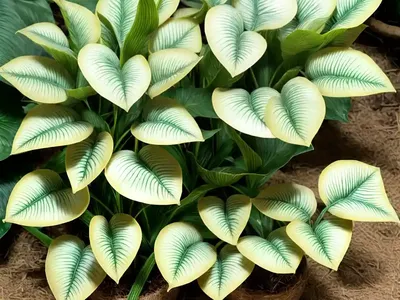
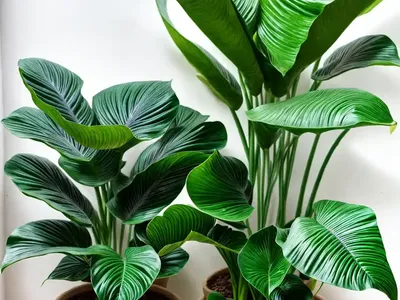
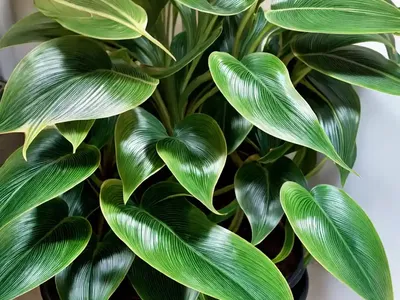
Pothos Snow Queen (Epipremnum Aureum ‘snow Queen’)
The Pothos Snow Queen, scientifically known as Epipremnum Aureum ‘Snow Queen’, is a delightful and elegant plant that captivates the hearts of plant.
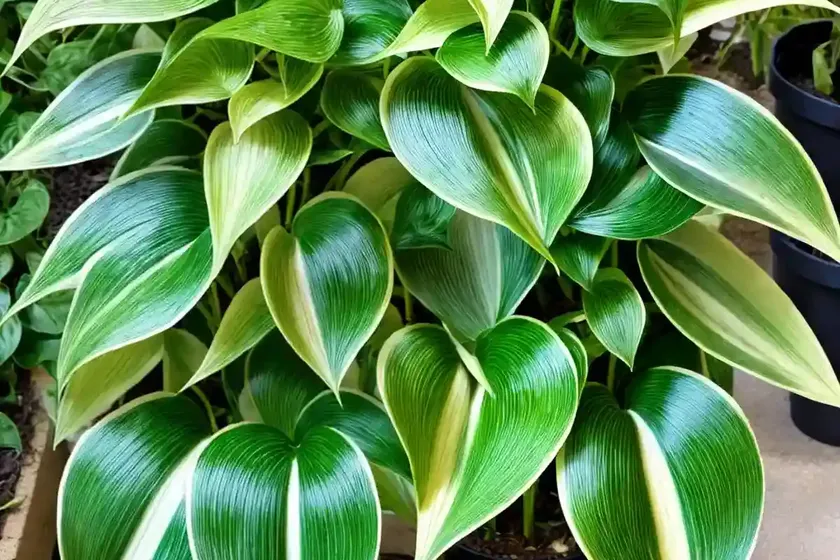
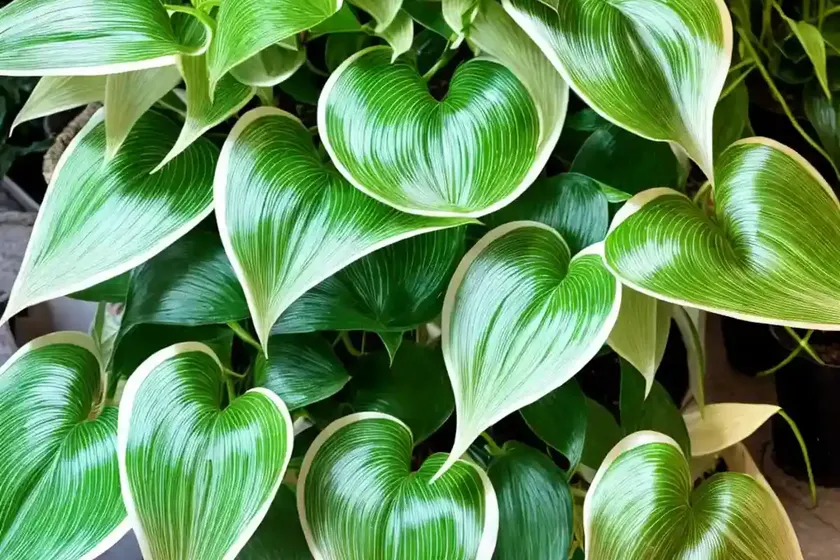
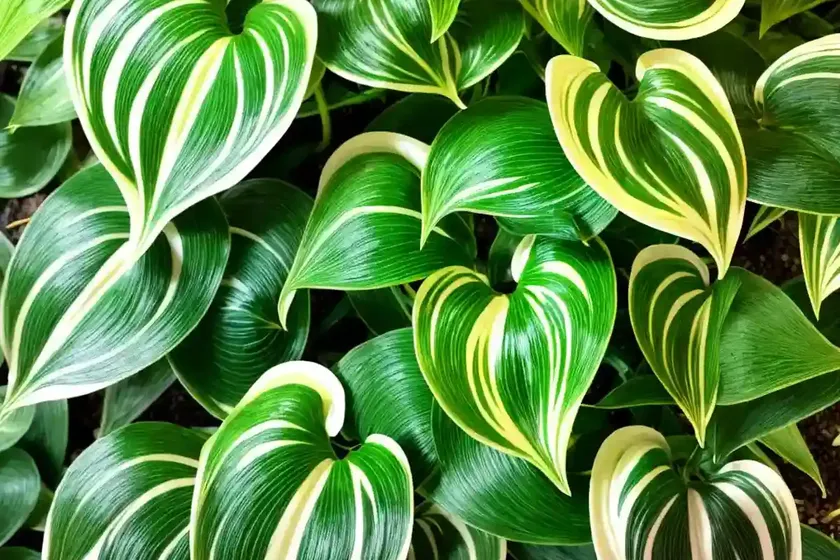
The Pothos Snow Queen, scientifically known as Epipremnum Aureum ‘Snow Queen’, is a delightful and elegant plant that captivates the hearts of plant enthusiasts with its charming beauty and low-maintenance nature. Its lush green and white variegated foliage makes it a stunning addition to any indoor or outdoor space. In this comprehensive guide, we will delve into the intricacies of caring for the Pothos Snow Queen, including its culture, uses, water and sunlight requirements, fertilizer needs, soil preferences, pruning techniques, propagation methods, container options, common diseases, pests, and much more. Let’s embark on a journey to unveil the secrets of nurturing and enjoying the remarkable Pothos Snow Queen.
What is a Pothos Snow Queen?
The Pothos Snow Queen is a cultivar of the species Epipremnum Aureum, also commonly referred to as Devil’s Ivy. It is a member of the Araceae family and is native to the Solomon Islands. This evergreen vine is renowned for its heart-shaped leaves that exhibit striking variegation, featuring hues of green and white. Its sprawling, trailing nature makes it a splendid choice for hanging baskets or as a cascading accent in containers. The Pothos Snow Queen is celebrated for its air-purifying qualities, making it an ideal choice for enhancing indoor air quality.
Key Takeaways – Pothos Snow Queen (Epipremnum Aureum ‘Snow Queen’)
The Pothos Snow Queen, with its enchanting foliage and undemanding care requirements, offers a multitude of benefits as an indoor plant. Here are the central aspects we will explore in detail:
- Culture
- Uses
- Water
- Sunlight
- Fertilizer
- Soil
- Pruning
- Propagation
- Container Popularity
- Common Diseases
- Disease Diagnosis
- Common Pests
- Botanist’s Tips
- Fun Facts
- Links to External Resources
Now, let’s embark on a journey to gain profound insights into each of these aspects, unraveling the mystique of the exquisite Pothos Snow Queen.
Culture of the Pothos Snow Queen
Caring for the Pothos Snow Queen involves understanding its preferred environmental conditions, propagation methods, and maintenance requirements. Let’s explore the nuanced elements of its culture.
Uses
The Pothos Snow Queen serves as a versatile and aesthetically appealing plant with several practical applications and benefits:
- Enhancing Indoor Spaces: With its visually striking variegated foliage, the Snow Queen Pothos serves as an exquisite addition to interior spaces, effortlessly elevating the ambiance with its vibrant charm.
- Air Purification: This plant excels in purifying the air, effectively removing toxins and impurities, thereby contributing to a healthier indoor environment.
- Ornamental Purposes: The cascading nature of the Snow Queen Pothos makes it an ideal choice for ornamental use, adorning shelves, mantles, and hanging planters with its graceful foliage.
Water
Proper watering is fundamental to the health and vitality of the Snow Queen Pothos. Maintaining an optimal moisture level is essential for the well-being of this delightful plant. Here are key aspects to consider regarding its water requirements:
- Moderation: Pothos Snow Queen thrives when the soil is kept slightly moist but not waterlogged. Overwatering can lead to root rot, while underwatering may cause the foliage to wilt.
- Monitoring: Regularly check the moisture level of the soil and avoid allowing it to dry out completely. Adjust the watering frequency based on environmental conditions and the plant’s specific needs.
Sunlight
The right balance of sunlight is vital for the Snow Queen Pothos to flourish. Understanding its sunlight preferences is crucial for providing an optimal growing environment:
- Moderate Indirect Light: The Pothos Snow Queen thrives in moderate to bright indirect light. Direct sun exposure should be limited, as it can scorch the delicate leaves.
- Low-Light Tolerance: This cultivar exhibits a degree of tolerance to lower light conditions, making it suitable for interior spaces with minimal natural light.
Fertilizer
Applying appropriate fertilization supports the healthy growth and development of the Snow Queen Pothos. Here are essential considerations for fertilizing this delightful plant:
- Balanced Fertilizer: A well-balanced, water-soluble fertilizer, diluted to half-strength, is ideal for the Snow Queen Pothos. Regular application during the growing season promotes lush foliage and robust growth.
- Frequency: Fertilize the plant every 2-4 weeks during the active growing period, tapering off to monthly or bi-monthly applications during the fall and winter months.
Soil
The right soil composition is crucial for ensuring the well-being of the Snow Queen Pothos and supporting its growth. Understanding its soil preferences is vital for fostering a thriving plant:
- Well-Draining Mix: The Snow Queen Pothos thrives in a well-draining, aerated potting mix. A blend of peat moss, perlite, and pine bark offers an excellent medium for cultivation.
- Moisture Retention: The soil should retain sufficient moisture to support the plant’s hydration needs, while allowing excess water to drain freely to prevent waterlogging.
Pruning the Snow Queen Pothos
Pruning is a valuable practice for maintaining the appearance and health of the Snow Queen Pothos. By selectively removing overgrown or damaged foliage, you can enhance the plant’s aesthetic appeal and encourage new growth. Here are essential insights into pruning this delightful cultivar:
- Removal of Spent Foliage: Regularly trim or remove yellow, withered, or damaged leaves to promote a tidy and vibrant appearance.
- Controlled Growth: Pruning enables you to shape the plant and manage its size, preventing it from becoming excessively leggy or sprawling.
Propagation Techniques for the Snow Queen Pothos
The propagation of the Snow Queen Pothos offers an exciting opportunity to expand your plant collection and share its beauty with others. Here are key methods for propagating this captivating cultivar:
- Water Propagation: Propagate cuttings in water, allowing them to develop roots before transplanting into soil.
- Soil Propagation: Directly plant cuttings in a well-draining potting mix, providing optimal conditions for root development.
Container Popularity
The Pothos Snow Queen is celebrated for its suitability in various container arrangements, offering an array of options for enhancing indoor and outdoor spaces:
- Hanging Baskets: The cascading nature of the Snow Queen Pothos makes it ideally suited for hanging baskets, where its elegant foliage can trail gracefully.
- Pots and Planters: This cultivar thrives in pots and planters of diverse sizes, adapting well to different interior décor styles and outdoor settings.
Common Diseases and Pests
Understanding the potential diseases and pests that may affect the Snow Queen Pothos is vital for implementing preventive measures and prompt intervention when necessary:
Disease Diagnosis
The Snow Queen Pothos may be susceptible to common plant diseases such as:
- Root Rot: Overwatering or poor drainage can lead to the development of root rot, characterized by wilting, yellowing foliage, and a foul odor from the soil.
- Leaf Spot: Fungal infections can cause unsightly spots on the foliage, potentially leading to leaf yellowing and drop.
Common Pests
Pests that may affect the Snow Queen Pothos include:
- Spider Mites: These tiny arachnids can infest the foliage, causing webbing and stippling on the leaves.
- Mealybugs: Mealybug infestations may lead to white, waxy secretions on the plant, accompanied by stunted growth and leaf yellowing.
Botanist’s Tips for Success
Experienced botanists and enthusiasts offer valuable insights and tips to help cultivate thriving Snow Queen Pothos plants:
- Adequate Drainage: Ensure that the plant containers have sufficient drainage holes to prevent water accumulation and promote healthy root development.
- Regular Monitoring: Regularly inspect the plant for signs of pest infestations, diseases, or any stress indicators, allowing for timely intervention and care.
Fun Facts about the Snow Queen Pothos
Exploring the intriguing and delightful aspects of the Snow Queen Pothos adds to the enchantment of this captivating plant:
- Varieties: The Snow Queen Pothos is a variegated cultivar of the Epipremnum Aureum, with distinct white and green foliage.
- Air-Purifying Abilities: This plant is celebrated for its remarkable capacity to cleanse the air, significantly improving indoor air quality.
Conclusion
The Pothos Snow Queen, with its ethereal beauty and resilience, stands as a testament to the allure and benefits of indoor gardening. Its ability to thrive in diverse conditions, coupled with its air-purifying qualities, solidifies its position as a cherished plant for enthusiasts and novices alike. By understanding its preferences and implementing appropriate care, you can witness the Snow Queen Pothos flourish and grace your living spaces with its exquisite foliage.
I hope this guide provides you with valuable insights and inspiration as you embark on your journey with the captivating Snow Queen Pothos. May this enchanting plant bring joy and natural elegance to your indoor garden or outdoor oasis!
For further information and detailed care guidelines, consider consulting authoritative resources, nurseries, or botanical experts. Your local extension office or horticultural society may also offer valuable guidance on cultivating and enjoying the remarkable Pothos Snow Queen.
Links to External Resources
- The Spruce – Pothos Plant (Devil’s Ivy)
- Gardening Know How – Pothos Snow Queen Care
- Plant Care Today – Pothos Snow Queen
- University of Florida IFAS Extension – Epipremnum aureum (Golden Pothos)
- The Old Farmer’s Almanac – Pothos Care Guide
- American Society for the Prevention of Cruelty to Animals (ASPCA) – Pet-Friendly Plants
Remember, the journey of nurturing and appreciating plants is a continuous learning experience, filled with moments of delight and newfound knowledge. Embrace the wonder of the botanical world, and may your gardening endeavors bloom and flourish abundantly!
Happy gardening!
Disclaimer: This blog post is for informational purposes only. It is not intended to serve as professional horticultural or botanical advice. Always consult with qualified professionals for precise guidance concerning plant care and maintenance.