Neon Pothos (Epipremnum Aureum Neon)
As a plant scientist, I am thrilled to delve into the topic of Neon Pothos, scientifically known as Epipremnum aureum Neon. This stunning plant has gained.
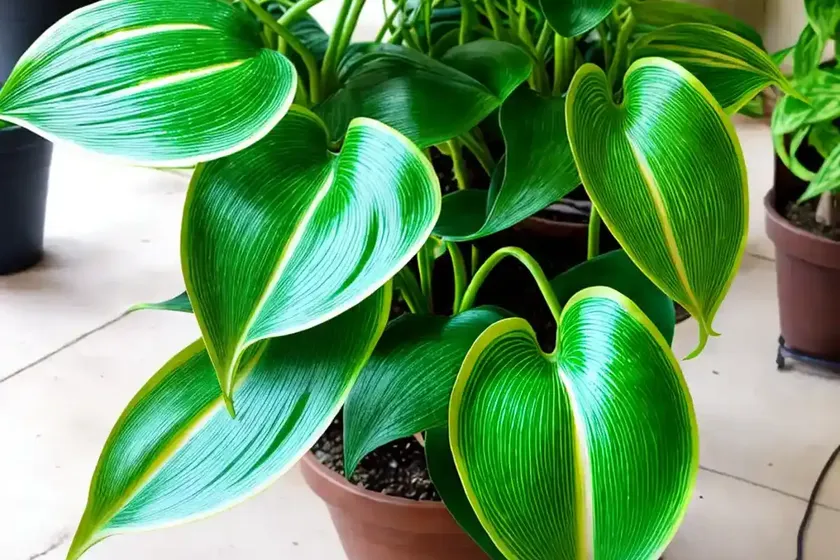
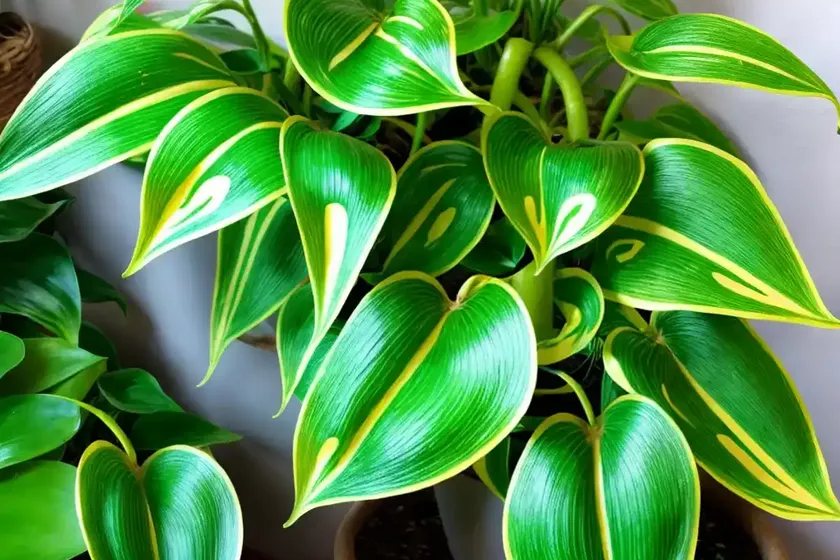
As a plant scientist, I am thrilled to delve into the topic of Neon Pothos, scientifically known as Epipremnum aureum Neon. This stunning plant has gained popularity as a favorite among indoor gardeners due to its vibrant foliage and ease of care. In this comprehensive guide, I aim to cover every aspect of Neon Pothos, from its unique characteristics to its care requirements, propagation, common diseases, and more.
What is Neon Pothos?
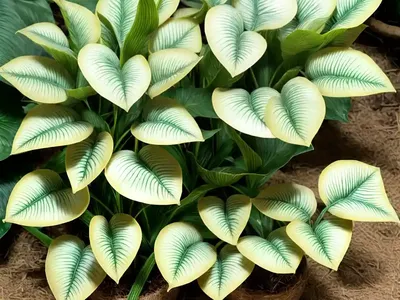
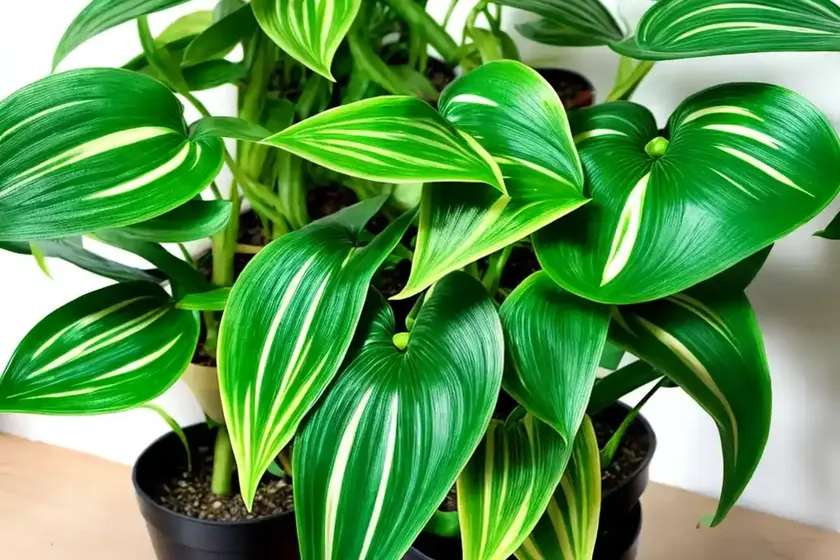
Neon Pothos, a variety of Epipremnum aureum, is a tropical plant known for its strikingly bright chartreuse-colored, heart-shaped leaves. This trailing vine can be grown as a hanging plant or displayed on surfaces to showcase its cascading growth habit. Neon Pothos is prized for its air-purifying qualities, making it an excellent addition to indoor spaces.
Neon Pothos belongs to the Araceae family and is native to the Solomon Islands. It is often confused with other varieties of Pothos, such as the Golden Pothos (Epipremnum aureum) and Marble Queen Pothos (Epipremnum aureum ‘Marble Queen’), but its distinctive neon-colored foliage sets it apart.
Key Takeaways – Neon Pothos (Epipremnum aureum Neon)
Before we dive deep into the care and maintenance of Neon Pothos, let’s highlight some key takeaways that you will gain from this article:
- Understanding the proper cultural requirements for Neon Pothos
- Exploring the various uses of Neon Pothos in indoor gardening and decor
- Learning about the water, sunlight, and fertilizer needs of Neon Pothos
- Identifying suitable soil and containers for growing Neon Pothos
- Gaining insights into the propagation, popularity, and common diseases of Neon Pothos
Now, let’s embark on a journey of discovery about one of the most popular and visually appealing indoor plants – Neon Pothos!
Culture
Uses
Neon Pothos serves multiple purposes in indoor spaces, making it a versatile and attractive plant for various settings. Here are some common uses of Neon Pothos:
- Indoor decor: Its vibrant foliage adds a pop of color to any indoor setting, making it a popular choice for homes, offices, and commercial spaces.
- Air purification: Neon Pothos is known for its air-purifying abilities, contributing to improved air quality indoors by removing toxins and impurities.
- Hanging baskets: Its trailing growth habit makes it well-suited for hanging baskets, where its cascading vines create a visually appealing display.
- Living walls: In modern interior design, living walls or vertical gardens featuring Neon Pothos are an innovative way to bring greenery into indoor spaces.
Water
Proper watering is crucial for the health and growth of Neon Pothos. Here are some key points to consider regarding the water requirements of this plant:
- Frequency: Neon Pothos prefers moderately moist soil, but it’s essential to allow the top inch of the soil to dry out between waterings to prevent overwatering.
- Water quality: Use filtered or room-temperature water to avoid subjecting the plant to extreme temperatures or harmful chemicals found in some tap water.
- Drainage: Ensure that the pot has drainage holes to prevent water from pooling at the bottom, which can lead to root rot.
Sunlight
Neon Pothos has moderate light requirements and can thrive in various light conditions, making it a suitable choice for indoor spaces with different light levels. Here’s what you need to know about providing the right amount of sunlight for Neon Pothos:
- Low light: It can tolerate low-light conditions, but the vibrant neon coloration of its leaves may fade in prolonged low light. Therefore, providing moderate to bright indirect light is ideal to maintain its vibrant appearance.
- Direct sunlight: While it can tolerate some direct sunlight, prolonged exposure to intense sunlight can lead to leaf burn. Filtered or dappled sunlight is preferable to direct, harsh rays.
Fertilizer
Proper fertilization is essential to support the growth and vitality of Neon Pothos. Here are some tips for fertilizing this beautiful plant:
- Frequency: Feed Neon Pothos with a balanced, water-soluble fertilizer every 4-6 weeks during the growing season (spring and summer). Reduce fertilization to every 8-12 weeks in the fall and winter when growth slows.
- Dilution: Dilute the fertilizer to half or a quarter of the recommended strength to avoid over-fertilizing, which can lead to chemical burns on the plant’s roots.
Soil
Selecting the right type of soil is crucial for Neon Pothos to thrive. Here are some considerations when choosing soil for this plant:
- Well-draining: Use a well-draining potting mix that allows excess water to percolate through, preventing waterlogged conditions that can lead to root rot.
- Nutrient-rich: A high-quality, peat-based potting mix enriched with organic matter provides the essential nutrients and aeration required for healthy growth.
Pruning
Pruning is an essential aspect of maintaining the appearance and health of Neon Pothos. Here’s what you need to know about pruning this plant:
- Remove dead or yellowing leaves: Regularly inspect the plant for dead or yellowing leaves and remove them to promote new growth and prevent the spread of diseases.
- Trimming leggy growth: If the vines become excessively long or sparse, trim them back to encourage bushier, more compact growth.
- Propagation cuttings: Pruning provides the opportunity to collect cuttings for propagation, allowing you to expand your Neon Pothos collection or share the plant with others.
Propagation
Neon Pothos can be easily propagated through stem cuttings, offering an economical way to multiply your plant or share it with friends and family. Here’s a simple propagation method for Neon Pothos:
- Select a healthy stem: Choose a stem with several leaves and a node (a small protrusion on the stem where the roots will grow).
- Take a cutting: Using clean, sharp scissors or pruning shears, cut the stem right below a node, ensuring that each cutting is 4-6 inches long.
- Remove lower leaves: Remove the lower leaves from the cutting, leaving 2-3 leaves at the top to continue photosynthesis.
- Rooting medium: Place the cutting in a jar of water or directly into moist potting mix, ensuring that at least one node is submerged.
- Root development: Within a few weeks, roots will begin to grow from the nodes, indicating successful propagation.
Container Popularity
Neon Pothos is popularly grown in various types of containers to enhance indoor spaces. The container choices for this plant include:
- Hanging baskets: The trailing growth habit of Neon Pothos makes it an ideal choice for hanging baskets, where its cascading vines can create a stunning display.
- Pots and planters: Neon Pothos can be grown in pots and planters of different sizes, allowing for versatile placement in homes, offices, and other indoor settings.
- Living walls: In contemporary interior design, Neon Pothos is often featured as part of living walls or vertical gardens, adding a touch of nature to modern spaces.
Common Diseases
While Neon Pothos is generally resilient, it can be susceptible to some common diseases when grown in suboptimal conditions. Understanding these diseases and their symptoms is crucial for effective management. Here are some common diseases that may affect Neon Pothos:
- Root rot: Overwatering or poorly draining soil can lead to root rot, characterized by wilting, yellowing leaves and a foul odor from the soil. To prevent and treat root rot, allow the soil to dry out between waterings and ensure proper drainage.
- Leaf spot: Fungal infections can cause dark, water-soaked spots on the leaves, potentially leading to leaf discoloration and drop. Improve air circulation and avoid overhead watering to prevent leaf spot diseases.
- Pothos vine decline: This condition is characterized by the sudden decline and collapse of the plant, often due to overwatering and poor soil drainage. Adjust the watering frequency and repot the plant in well-draining soil to foster recovery.
Understanding the causes and symptoms of these diseases will enable you to implement preventive measures and address any issues promptly to ensure the health of your Neon Pothos plants.
Disease Diagnosis
Diagnosing plant diseases can be challenging, but careful observation and knowledge of common symptoms can help pinpoint the issue. Here are some diagnostic steps to identify potential diseases in Neon Pothos:
- Inspect the leaves and stems: Look for discoloration, spots, wilting, or unusual growth patterns.
- Check the soil and drainage: Assess the moisture level and odor of the soil, as well as the presence of any mold or fungal growth.
- Review recent care practices: Consider recent changes in watering, light exposure, and fertilization that may have impacted the plant’s health.
By conducting a thorough assessment and possibly seeking the advice of a plant expert, you can accurately diagnose and address any diseases affecting your Neon Pothos plants.
Common Pests
Pests can occasionally trouble Neon Pothos, impacting its growth and appearance. Familiarizing yourself with common pests and their management is crucial for maintaining healthy plants. Here are some common pests that may affect Neon Pothos:
- Spider mites: These tiny pests can cause webbing on the undersides of the leaves and lead to yellowing and stippling. Regularly misting the plant and using insecticidal soap can help control spider mite infestations.
- Mealybugs: Mealybugs appear as white, cottony masses on the stems and leaf nodes, sucking sap from the plant and causing wilting. Using rubbing alcohol-soaked cotton swabs to remove mealybugs can help prevent their spread.
- Scale insects: These pests may appear as small, raised bumps on the stems and leaves, and they can weaken the plant by draining its sap. Gently scrubbing the scales with a soft brush and applying horticultural oil can help manage scale infestations.
Vigilance and prompt action are essential for pest management, and regularly inspecting your Neon Pothos for signs of pests can help prevent infestations from becoming severe.
Botanist’s Tips
As a plant scientist, I would like to share some valuable tips for successfully caring for Neon Pothos, based on scientific knowledge and practical experience:
- Moderation in all aspects: From watering to light exposure and fertilization, practicing moderation is key to preventing common issues such as overwatering, sunburn, and fertilizer burn.
- Regular maintenance: Consistent pruning, cleaning of leaves, and monitoring for pests and diseases are essential for promoting the health and appearance of Neon Pothos.
- Adapt to environmental changes: Neon Pothos is adaptable to various environmental conditions, but it’s essential to gradually acclimate the plant to significant changes in light or temperature to prevent stress.
By integrating these tips into your care routine, you can create an optimal environment for Neon Pothos to thrive and flourish.
Fun Facts
To wrap up our exploration of Neon Pothos, here are some intriguing fun facts about this captivating plant:
- Oxygen production: Like all green plants, Neon Pothos contributes to oxygen production through photosynthesis, enhancing the air quality in its surroundings.
- Air-purifying qualities: Neon Pothos has been identified as an effective air purifier, helping to remove volatile organic compounds (VOCs) from indoor air.
- Natural variegation: The striking neon coloration of its leaves is a result of natural variegation, adding to its visual appeal.
- Tropical origins: Originating from the Solomon Islands, Neon Pothos thrives in warm, humid environments, mimicking its natural habitat in indoor settings.
The unique characteristics and benefits of Neon Pothos make it a fascinating and rewarding addition to any indoor plant collection.
Links to External Resources
For further exploration of Neon Pothos and its care, propagation, and uses, I recommend referring to the following external resources:
- American Society for the Prevention of Cruelty to Animals (ASPCA) – Toxic and Non-Toxic Plants: Pothos
- University of Florida IFAS Extension – Pothos Production Guide
- The Spruce – How to Grow and Care for Neon Pothos
- Royal Horticultural Society (RHS) – Pothos Care Guide
- Nursery Management Magazine – Growing Pothos in Containers
- University of Vermont Extension Department of Plant and Soil Sciences – Common Problems of Pothos
These resources provide valuable information and insights into various aspects of caring for Neon Pothos, enriching your knowledge and expertise as an indoor gardener and plant enthusiast.
In conclusion, Neon Pothos (Epipremnum aureum Neon) stands out as a visually stunning, low-maintenance plant with numerous benefits for indoor spaces. By understanding its cultural requirements, maintenance techniques, and potential challenges, you can foster healthy, thriving Neon Pothos plants, enhancing the beauty and air quality of your indoor environment.
I hope this comprehensive guide has equipped you with the knowledge and confidence to cultivate and enjoy the unique charm of Neon Pothos in your own indoor garden. Happy gardening!
Keywords: Neon pothos care, Epipremnum aureum Neon plant, How to grow Neon pothos, Neon pothos varieties, Neon pothos propagation, Neon pothos light requirements, Epipremnum aureum care tips, Best soil for Neon pothos, Neon pothos indoor gardening, Epipremnum aureum Neon benefits, Neon pothos water requirements, Neon pothos pruning techniques, Epipremnum aureum Neon plant care, Neon pothos fertilization, Neon pothos hanging basket, Epipremnum aureum Neon toxicity, Neon pothos trailing vine, Neon pothos indoor plants, Epipremnum aureum Neon leaves, Neon pothos humidity needs, Neon pothos pest control, Epipremnum aureum Neon growth rate, Neon pothos potting mix, Neon pothos variegation, Epipremnum aureum Neon trailing plant, Neon pothos temperature requirements, Neon pothos air purification, Epipremnum aureum Neon light preferences, Neon pothos water propagation, Neon pothos common problems, Epipremnum aureum Neon indoor plant, Neon pothos pet-friendly, Neon pothos trailing houseplant, Epipremnum aureum Neon plant decor, Neon pothos growth habits, Neon pothos oxygen production, Epipremnum aureum Neon humidity tolerance, Neon pothos low light conditions, Neon pothos soil drainage, Epipremnum aureum Neon hanging plant, Neon pothos air-purifying qualities, Neon pothos leaf patterns, Epipremnum aureum Neon vine plant, Neon pothos toxic to cats/dogs, Neon pothos container gardening, Epipremnum aureum Neon light levels, Neon pothos leaf propagation, Neon pothos maintenance tips, Epipremnum aureum Neon trailing foliage, Neon pothos plant décor ideas.