Mango (Mangifera Indica)
Mango (Mangifera indica) is a widely cultivated fruit tree that belongs to the flowering plant family Anacardiaceae. It is known for its delicious, juicy.
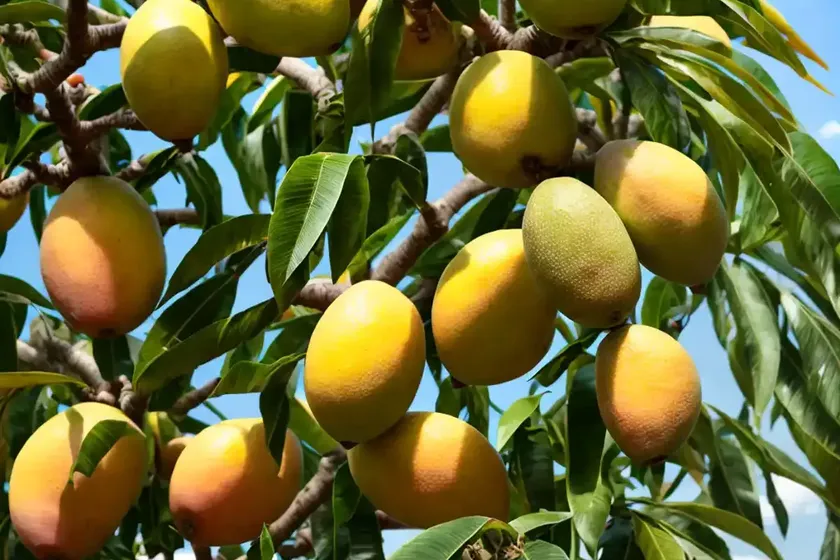
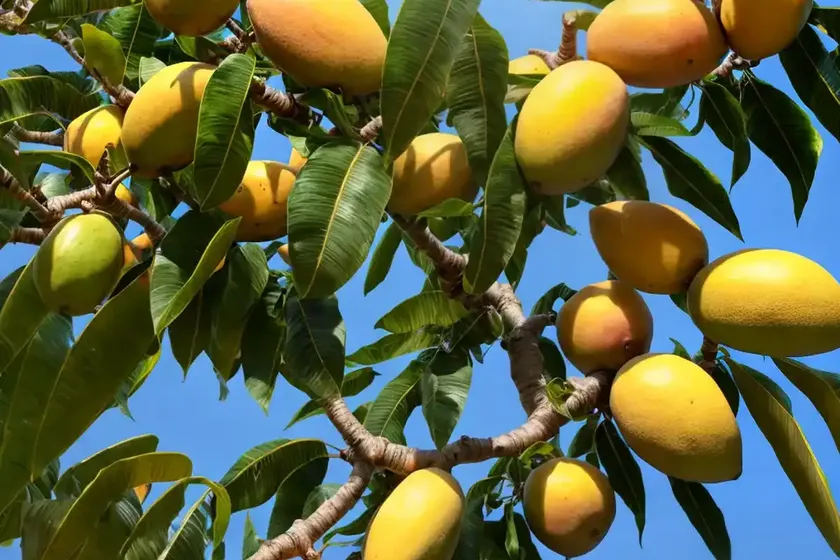
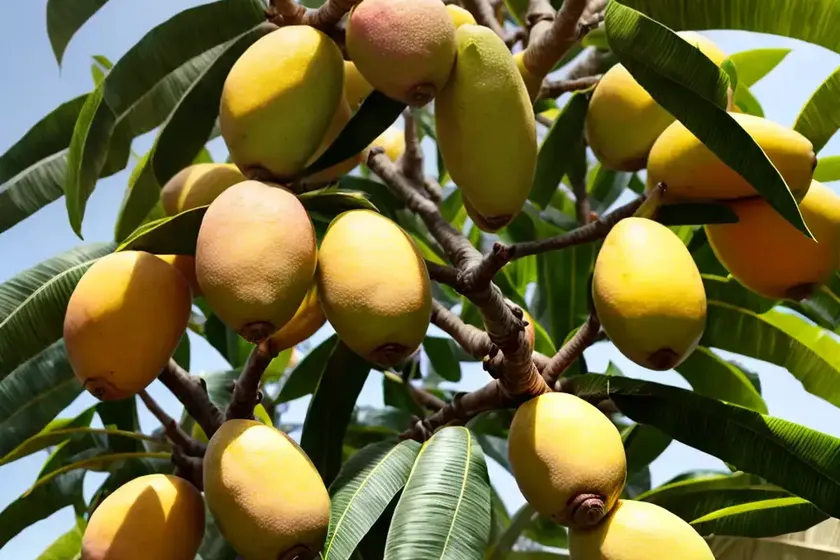
Mango (Mangifera indica) is a widely cultivated fruit tree that belongs to the flowering plant family Anacardiaceae. It is known for its delicious, juicy fruits and has been cultivated for thousands of years. The mango tree is native to South Asia but is also grown in various tropical and subtropical regions around the world. In this comprehensive guide, we will explore the cultural, uses, care, and maintenance of the mango plant, including its water, sunlight, fertilizer, soil, pruning, propagation, and common pests and diseases.
Key Takeaways – Mango (Mangifera indica)
Before delving into the specifics of mango tree care and cultivation, let’s outline some key takeaways about this remarkable plant:
- Mango (Mangifera indica) is a tropical fruit tree known for its sweet and flavorful fruits.
- It requires a warm climate and ample sunlight to thrive and produce high-quality fruits.
- Proper watering, well-draining soil, and periodic fertilization are essential for healthy mango trees.
- Pruning and regular maintenance help shape the tree and promote fruit production.
- Mango trees can be propagated through various methods, including seed sowing, grafting, and air layering.
- Common pests and diseases that affect mango trees include anthracnose, powdery mildew, and mango weevils.
Now, let’s explore the specific cultural practices, uses, and care measures for cultivating mango trees.
Culture
Climate
Mango trees thrive in tropical and subtropical climates and are sensitive to frost. The ideal temperature range for mango cultivation is between 30°F to 100°F (-1°C to 38°C). The tree requires a frost-free climate with dry periods to set and produce fruits. While mature trees have some tolerance to drought, consistent and regular watering is essential for optimal fruit production.
Hardiness Zones
Mango trees are suitable for planting in USDA hardiness zones 10-12. In these zones, the climate provides the necessary warmth and humidity for the tree to flourish. In regions outside these zones, mango trees can be grown in containers and moved indoors during colder months.
Uses
Culinary Uses
The primary use of mangoes is for their delicious and nutritious fruits. Ripe mangoes are consumed fresh, sliced, or used in a variety of culinary applications, including salads, smoothies, desserts, and chutneys. Additionally, mangoes are processed into juices, jams, and preserves.
Medicinal Uses
Mangoes have also been used in traditional medicine for their potential health benefits. They are a good source of vitamins A and C, as well as dietary fiber. Some traditional remedies use mango leaves and bark for their purported medicinal properties.
Planting and Care
Water
Proper watering is crucial for the growth and fruiting of mango trees. Newly planted mango trees should be watered regularly to establish a healthy root system. During dry periods, it is important to ensure that the tree receives sufficient water to maintain adequate soil moisture.
Sunlight
Mango trees require full sun to thrive and produce abundant fruits. They should be planted in a location that receives at least 6-8 hours of direct sunlight per day. Insufficient sunlight may lead to poor fruit development and overall tree health.
Fertilizer
Fertilization is essential for mango trees, especially in nutrient-poor soils. A balanced fertilizer with a higher potassium content is beneficial for fruiting trees. Fertilizer applications should be adjusted based on the tree’s age and the soil’s nutrient levels. Organic fertilizers, such as compost and aged manure, can also be used to improve soil fertility.
Soil
Mango trees prefer well-draining soil with a slightly acidic to neutral pH (pH 5.5-7.5). Sandy loam or loamy soils are ideal for mango cultivation. Regular soil testing can help determine nutrient deficiencies and pH levels, allowing for targeted soil amendments.
Pruning
Pruning is an important aspect of mango tree maintenance, as it helps shape the tree, promote air circulation, and facilitate fruit production. Pruning should be done to remove dead or diseased branches, improve sunlight penetration, and maintain the tree’s overall structure. It is best to prune mango trees during the dry season to minimize the risk of disease.
Propagation
Mango trees can be propagated through various methods, including:
- Seed Propagation: Mango seeds can be planted directly in the ground or in containers. It is important to use fresh, viable seeds from mature fruits for best results.
- Grafting: Grafting onto rootstocks is a common method used to propagate mango trees. It allows for the production of specific cultivars and can help accelerate fruit production.
- Air Layering: This method involves inducing roots to form on a branch while it is still attached to the parent tree. Once roots have developed, the branch can be severed and planted as a new tree.
Container Cultivation
In regions with unfavorable climates, mango trees can be grown in containers. This allows for greater control over environmental conditions, making it possible to move the trees indoors during colder months. When growing mango trees in containers, it is important to select a large, well-draining container and use a high-quality potting mix.
Common Diseases and Pests
Common Diseases
- Anthracnose: This fungal disease causes dark, sunken lesions on leaves, flowers, and fruits. Proper sanitation and fungicidal sprays can help manage anthracnose.
- Powdery Mildew: White powdery growth on leaves is a sign of powdery mildew. Adequate air circulation and fungicidal treatments are crucial for control.
- Bacterial Black Spot: This disease causes dark spots to form on leaves and young shoots. Copper-based fungicides can aid in managing bacterial black spot.
Disease Diagnosis
Diagnosing diseases in mango trees requires careful observation of symptoms, including leaf discoloration, lesions, and abnormal growth patterns. It is important to consult with local horticultural experts or extension services to accurately identify and address any diseases affecting mango trees.
Common Pests
- Mango Weevils: These pests damage the fruits by creating entry holes and feeding on the pulp. Insecticidal treatments and proper orchard sanitation can help manage mango weevils.
- Mango Hoppers: These sap-feeding insects can cause leaf curling and yellowing. Insecticidal sprays and biological control methods are used to mitigate mango hopper infestations.
Botanist’s Tips
- Regularly monitor mango trees for signs of pests and diseases to address issues promptly.
- Provide proper tree spacing and pruning to ensure good air circulation through the canopy.
- Select suitable mango cultivars based on local climate and soil conditions for optimal fruit production.
- Conduct soil tests and nutrient analyses to tailor fertilizer applications to the tree’s specific needs.
- Incorporate organic matter and mulch around the base of the tree to improve soil structure and moisture retention.
Fun Facts
- The mango is the national fruit of India, Pakistan, and the Philippines.
- Mango trees can live for up to 300 years, with some trees known to still bear fruit after 300 years.
- There are over 1,000 different mango cultivars, each with its own unique flavor, aroma, and texture.
Now that we have explored the cultural practices, uses, and care of mango trees, let’s delve into additional resources and references for further information.
Links to External Resources
- Mango Cultivation in the Home Garden
- Cultural Practices for Mango Production
- Mango Diseases and Their Management
- Integrated Pest Management for Mangoes
This comprehensive guide provides a detailed overview of mango tree cultivation, covering various aspects such as cultural practices, care, common diseases, pests, and propagation methods. By following the recommended guidelines and best practices, enthusiasts and farmers can successfully cultivate and maintain healthy mango trees, yielding delicious and nutritious fruits. Whether grown for personal enjoyment or commercial production, mangoes continue to be a prized fruit with their rich flavor and cultural significance.