Manacx� Da Serra (Tibouchina Mutabilis)
Plants play an essential role in the ecosystem, providing us with food, oxygen, and contributing to the aesthetic appeal of our surroundings. One such.
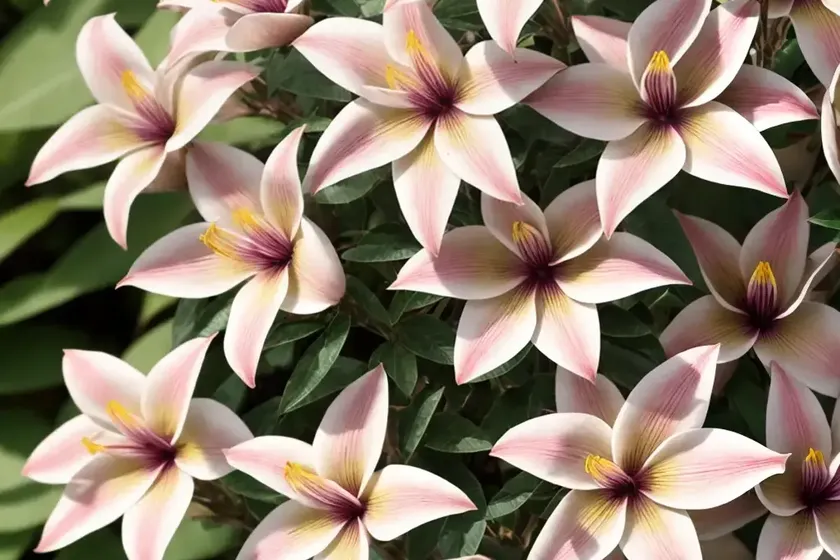
Plants play an essential role in the ecosystem, providing us with food, oxygen, and contributing to the aesthetic appeal of our surroundings. One such fascinating plant is the Manacá Da Serra, scientifically known as Tibouchina Mutabilis. Often referred to as the “Purple Glory Tree,” “Brazilian Glory Tree,” or “Princess Flower,” this plant is cherished for its vibrant and color-changing flowers. In this blog post, we will delve into the various aspects of the Manacá Da Serra plant, including its culture, uses, care requirements, propagation, common diseases and pests, and interesting facts.
What is Manacá Da Serra (Tibouchina Mutabilis)?
Manacá Da Serra, or Tibouchina Mutabilis, is a tropical plant native to Brazil. Belonging to the Melastomataceae family, it is a shrub or small tree celebrated for its stunning and unique foliage. The plant is characterized by its vibrant and showy flowers that change color as they age, ranging from bright purple to pink. With its evergreen nature and attractive flowers, it is a popular choice for ornamental gardens and landscapes.
Key Takeaways – Manacá Da Serra (Tibouchina Mutabilis)
The Manacá Da Serra (Tibouchina Mutabilis) is a versatile plant that offers a myriad of benefits and features. Here are some key takeaways about this beautiful species:
- Vibrant Blooms: The plant is known for its vibrant and color-changing flowers, which range from bright purple to pink.
- Tropical Plant: Native to Brazil, the Manacá Da Serra thrives in tropical climates, making it an ideal choice for gardens in such regions.
- Attracts Wildlife: The plant is a magnet for butterflies and other pollinators, contributing to the local ecosystem and biodiversity.
- Low-Maintenance: Once established, the Manacá Da Serra is relatively low-maintenance, making it an excellent choice for gardeners seeking an attractive yet easy-to-care-for plant.
- Ornamental Tree: Due to its striking flowers and attractive foliage, the Manacá Da Serra is a popular choice as an ornamental tree in gardens and landscapes.
With these key takeaways in mind, let’s further explore the culture, uses, care requirements, and other essential aspects of the Manacá Da Serra plant.
Cultivating and nurturing the Manacá Da Serra plant requires an understanding of its cultural preferences. From its water and sunlight needs to its preferred soil type, providing the ideal cultural environment is crucial for the plant’s health and vitality.
Uses
The Manacá Da Serra plant holds several uses, ranging from ornamental landscaping to its potential ecological contributions. Here are some of its primary uses:
- Ornamental Landscaping: The vibrant and color-changing flowers of the Manacá Da Serra make it a popular choice for ornamental landscaping, adding visual interest and beauty to gardens and public spaces.
- Wildlife Habitat: The plant’s nectar-rich flowers attract butterflies and other pollinators, contributing to the local ecosystem’s biodiversity.
- Eye-Catching Foliage: The plant’s dense and upright growth, coupled with its striking flower colors, makes it an eye-catching addition to any garden or landscape.
Now, let’s delve into the specific cultural requirements for successfully growing and maintaining the Manacá Da Serra plant.
Water
Like many tropical plants, the Manacá Da Serra thrives in consistently moist soil. However, it’s essential to avoid overwatering, as excessive moisture can lead to root rot and other issues. Here are some water-related considerations for the plant:
- Regular Watering: During the growing season, ensure that the plant receives regular, deep watering to keep the soil evenly moist. However, allow the soil to dry out slightly between waterings to prevent waterlogging.
- Dry Season Care: During drier periods, especially in regions with seasonal changes, pay close attention to the plant’s water needs. Supplemental watering may be necessary to sustain the plant’s health.
Proper watering is crucial to the Manacá Da Serra’s overall well-being, ensuring that it thrives and produces its vibrant blooms.
Sunlight
As a tropical plant, the Manacá Da Serra thrives in bright, indirect sunlight. While it requires ample light to fuel its growth and flowering, it’s essential to shield it from direct, intense sunlight, which can scorch the leaves and flowers. Consider the following sunlight requirements for the plant:
- Filtered Light: Position the plant in an area with filtered sunlight, such as under the canopy of taller trees or near structures that provide light shade.
- Indoor Placement: If growing the plant indoors, place it near a bright window where it can receive plenty of indirect sunlight throughout the day.
Balancing the plant’s sunlight needs is crucial for promoting healthy growth and encouraging prolific flowering.
Fertilizer
Fertilizing the Manacá Da Serra plant is essential for providing it with the nutrients needed to thrive and produce its vibrant blooms. However, it’s crucial to use a balanced fertilizer and apply it at the right times to avoid overstimulating the plant or causing nutrient imbalances. Consider the following fertilizer guidelines for the plant:
- Balanced Fertilizer: Use a balanced, slow-release fertilizer formulated for flowering shrubs or tropical plants. Apply the fertilizer according to the manufacturer’s instructions, typically in the early spring and late summer.
- Avoid Excessive Fertilization: Overfertilizing can lead to excessive foliage growth at the expense of flowers. Use fertilizers sparingly and monitor the plant’s response to ensure it remains healthy and well-balanced.
Providing the Manacá Da Serra with the appropriate fertilization helps maintain its vigor and supports its ability to produce spectacular blooms.
Soil
The Manacá Da Serra plant thrives in well-draining, slightly acidic soil. The soil type and quality are crucial factors in ensuring the plant’s overall health and vitality. Consider the following soil-related considerations:
- Well-Draining Soil: Plant the Manacá Da Serra in soil that allows excess water to drain away freely. Avoid waterlogged or poorly drained soils that can lead to root rot.
- Slightly Acidic pH: The plant prefers soil with a slightly acidic pH level, typically in the range of 5.5 to 6.5. Test the soil acidity periodically and amend it as needed to maintain the ideal pH level.
The right soil conditions create an optimal growing environment for the Manacá Da Serra, supporting its nutrient uptake and overall well-being.
Pruning
Pruning the Manacá Da Serra plant is essential for maintaining its shape, promoting healthy growth, and encouraging prolific flowering. Proper pruning practices help ensure the plant remains aesthetically pleasing and productive. Consider the following pruning guidelines:
- Post-Flowering Pruning: After the plant has finished blooming, conduct light pruning to remove faded flowers and any leggy or overgrown branches. This encourages the plant to produce new growth and prepares it for the next blooming cycle.
- Shape Maintenance: Regularly inspect the plant for any wayward or damaged branches and trim them as needed to maintain a balanced and attractive shape.
- Avoid Heavy Pruning: While the plant responds well to light pruning, avoid excessive or heavy pruning, as this can reduce flowering and disrupt the natural form of the plant.
Proper pruning techniques contribute to the overall health and appearance of the Manacá Da Serra, ensuring it remains a focal point in any garden or landscape setting.
The propagation of the Manacá Da Serra plant involves various methods, allowing gardeners and horticulturists to multiply their existing plants or share them with others. Understanding the different propagation techniques is crucial for expanding the plant’s presence and ensuring its continued cultivation and enjoyment.
Seed Propagation
Propagating the Manacá Da Serra from seeds is a viable and satisfying method, allowing individuals to cultivate new plants from the seeds of established specimens. Consider the following steps for successful seed propagation:
-
Seed Collection: Collect seeds from mature, healthy Manacá Da Serra plants after the flowering period. Harvest the seeds from dried seed pods or capsules.
-
Seed Preparation: Clean the seeds and remove any debris or non-viable seeds. Consider scarifying the seeds lightly to improve germination by breaking their outer seed coat.
-
Seed Sowing: Sow the prepared seeds in seed trays or small pots filled with a well-draining, peat-based growing medium. Press the seeds lightly into the soil surface and cover them with a thin layer of additional growing medium.
-
Germination and Care: Place the seed trays or pots in a warm, bright location with consistent moisture. Keep the growing medium lightly moist but not waterlogged. Germination should occur within a few weeks, after which the seedlings can be cared for as young plants.
Seed propagation offers an affordable and rewarding way to propagate the Manacá Da Serra, providing a sense of accomplishment and continuity in cultivating the species.
Stem Cutting Propagation
Propagating the Manacá Da Serra from stem cuttings is an effective way to create new plants from the parent specimen. This method allows for the production of genetically identical plants, ensuring the continuation of specific traits and characteristics. Consider the following steps for successful stem cutting propagation:
-
Cutting Preparation: Select healthy, non-flowering stems from the parent plant. Each stem cutting should be 4 to 6 inches long and include several leaf nodes. Remove the lower leaves from the stem, leaving a few leaves at the tip.
-
Rooting Hormone: Dip the cut end of each stem cutting in a powdered or liquid rooting hormone to encourage the development of roots.
-
Planting: Plant the prepared stem cuttings in small pots filled with a well-draining, moist growing medium. Insert the cuttings into the medium, ensuring that at least one leaf node is buried below the soil surface.
-
Rooting Environment: Place the pots with the stem cuttings in a warm, humid environment with bright, indirect light. Covering the cuttings and pots with a clear plastic bag or placing them in a propagation tray with a lid can create a mini greenhouse effect, promoting humidity and root development.
Stem cutting propagation is an efficient method for multiplying the Manacá Da Serra plants, offering a reliable means of expanding the plant’s presence in gardens and landscapes.
Division Propagation
Dividing established Manacá Da Serra plants is a straightforward method of propagation that allows for the creation of new plants from existing clumps. Dividing the plants can rejuvenate them and provide additional specimens for cultivation. Consider the following steps for division propagation:
-
Established Clumps: Identify healthy, well-established clumps of the Manacá Da Serra plants that are suitable for division. Choose clumps that exhibit vigorous growth and are several years old.
-
Clump Division: Carefully dig up the chosen clumps, taking care to disturb the roots as little as possible. Use a sharp, clean tool to divide the clumps into smaller sections, ensuring that each section has a healthy portion of roots and foliage.
-
Replanting: Plant the divided sections in prepared planting holes in a suitable location, ensuring that they receive proper care and attention after planting. Water the newly divided plants thoroughly to support their establishment.
Division propagation presents an excellent opportunity to expand the presence of the Manacá Da Serra plant, providing additional specimens for cultivation and enjoyment.
Each propagation method offers distinct advantages and considerations, contributing to the diversity and availability of the Manacá Da Serra in various garden and landscape settings.
The Manacá Da Serra plant is well-suited for container gardening, offering the opportunity to enjoy its vibrant blooms and unique foliage in a contained environment. Whether grown on balconies, patios, or as indoor specimens, understanding the specific considerations for container gardening with the Manacá Da Serra is essential for successful cultivation.
Popularity in Containers
The Manacá Da Serra’s popularity in container gardening stems from its striking visual appeal and suitability for confined spaces. Container-grown specimens offer flexibility in placement and allow individuals with limited garden space to enjoy the plant’s beauty. Consider the following reasons for the plant’s popularity in containers:
- Space Efficiency: Container-grown Manacá Da Serra plants provide an efficient use of space, making them suitable for small gardens, urban balconies, and other confined areas.
- Aesthetic Versatility: Containers offer the chance to position the plant strategically, enhancing the visual impact of its vibrant blooms and striking foliage.
- Climate Adaptability: Container gardening allows for the mobility of the plant, enabling it to be moved indoors during colder seasons in non-tropical regions.
Given its popularity in container gardening, the Manacá Da Serra presents an attractive option for individuals seeking to cultivate the plant in confined or controlled environments.
Common Diseases in Containers
While container gardening offers several advantages, it also presents unique challenges, including the susceptibility of container-grown plants to certain diseases. Understanding the common diseases affecting the Manacá Da Serra in containers is crucial for implementing appropriate preventive measures and interventions.
Disease Diagnosis
Several diseases can affect the Manacá Da Serra when grown in containers. These include:
- Root Rot: Excessive moisture in container soil can lead to root rot, characterized by wilting, yellowing, and dieback of the plant’s foliage.
- Powdery Mildew: Humid conditions within containers can promote the development of powdery mildew, causing a white, powdery growth on the plant’s leaves.
Careful monitoring and timely intervention are essential for diagnosing and addressing these and other potential diseases affecting the Manacá Da Serra in container settings.
Common Pests in Containers
In addition to diseases, container-grown Manacá Da Serra plants are also susceptible to various pests that can impact their health and vitality. Identifying the common pests and implementing appropriate pest management strategies are crucial for preserving the plant’s overall well-being.
Common Pests
Common pests that may affect the Manacá Da Serra in containers include:
- Aphids: These small, pear-shaped insects can infest the plant’s tender new growth, causing distortion and discoloration of the leaves.
- Spider Mites: Spider mites thrive in dry and warm conditions, often infesting the undersides of the plant’s leaves and causing stippling and webbing.
Vigilance and proactive measures are necessary to detect and manage the presence of pests in container-grown Manacá Da Serra plants, safeguarding their health and beauty.
As a plant scientist and enthusiast, I am delighted to share my expert tips for successfully growing and caring for the Manacá Da Serra plant. These insights encompass various aspects of the plant’s cultivation, from its cultural requirements to maintaining its health and beauty in garden and landscape settings.
Fun Facts about Manacá Da Serra
Before delving into the botanist’s tips, let’s explore some fascinating and lesser-known facts about the Manacá Da Serra plant:
- Native Habitat: The Manacá Da Serra is native to Brazil, where it thrives in the country’s rich and diverse tropical flora.
- Butterfly Attraction: The plant’s nectar-rich flowers attract butterflies, making it a cherished addition to butterfly gardens and wildlife habitats.
- Color-Changing Flowers: One of the plant’s most captivating features is its flowers, which change color from bright purple to pink as they age, creating a visually stunning display.
Now, let’s dive into the botanist’s tips for cultivating and caring for this unique and vibrant species.
Botanist’s Tips
1. Soil and Drainage
- Use a well-draining, slightly acidic soil mix to provide the ideal growing environment for the Manacá Da Serra. Incorporate organic matter such as peat or compost to improve soil structure and nutrient retention.
2. Pruning and Shaping
- Engage in regular pruning to maintain the plant’s shape and encourage prolific flowering. However, avoid heavy pruning, as this can diminish the plant’s blooming potential.
3. Watering Practices
- Monitor the plant’s water needs closely, ensuring that the soil remains consistently moist but not waterlogged. Adjust the watering frequency based on environmental conditions and the plant’s growth stage.
4. Container Considerations
- When growing the Manacá Da Serra in containers, select pots with adequate drainage holes to prevent water accumulation. Consider using a peat-based, well-draining potting mix suitable for tropical plants.
5. Pest Prevention
- Implement proactive pest prevention measures, such as regularly inspecting the plant for signs of pest infestation and using natural or targeted control methods to manage potential issues.
By following these botanist’s tips, individuals can enhance their success in cultivating and enjoying the Manacá Da Serra plant, ensuring its longevity and visual appeal in various garden and landscape settings.
To further expand your knowledge of the Manacá Da Serra (Tibouchina Mutabilis) plant and its cultivation, I recommend exploring the following external resources:
- Royal Horticultural Society – Tibouchina
- University of Florida IFAS Extension – Glorytree, Tibouchina spp.
- Missouri Botanical Garden – Tibouchina Urvilleana
These resources provide valuable insights, expert guidance, and in-depth information about the Manacá Da Serra plant, enriching your understanding and appreciation of this captivating species.
In conclusion, the Manacá Da Serra (Tibouchina Mutabilis) plant is a stunning and versatile species, offering vibrant blooms, unique foliage, and ecological contributions. Whether grown in ornamental landscapes, containers, or indoor settings, its visual appeal and low-maintenance nature make it a sought-after choice for gardeners and enthusiasts. By understanding its cultural requirements, propagation methods, and effective care practices, individuals can cultivate and enjoy the beauty of the Manacá Da Serra, adding a vibrant and captivating presence to their surroundings.
The plant’s ability to attract pollinators, contribute to the ecosystem, and thrive in various climates further underscores its significance and desirability. Through continued exploration and appreciation of the Manacá Da Serra, we can enhance our connection with nature and celebrate the unique wonders of the plant kingdom.
Whether you’re a seasoned gardener or a novice enthusiast, the Manacá Da Serra invites you to embrace its beauty, versatility, and ecological significance, enriching your horticultural journey and enhancing the visual splendor of your surroundings.


