Malus X Robusta ‘Red Sentinel’ (Crabapple)
Malus x robusta ‘Red Sentinel,’ commonly known as the Crabapple, is a popular ornamental tree prized for its vibrant blossoms, attractive foliage, and.
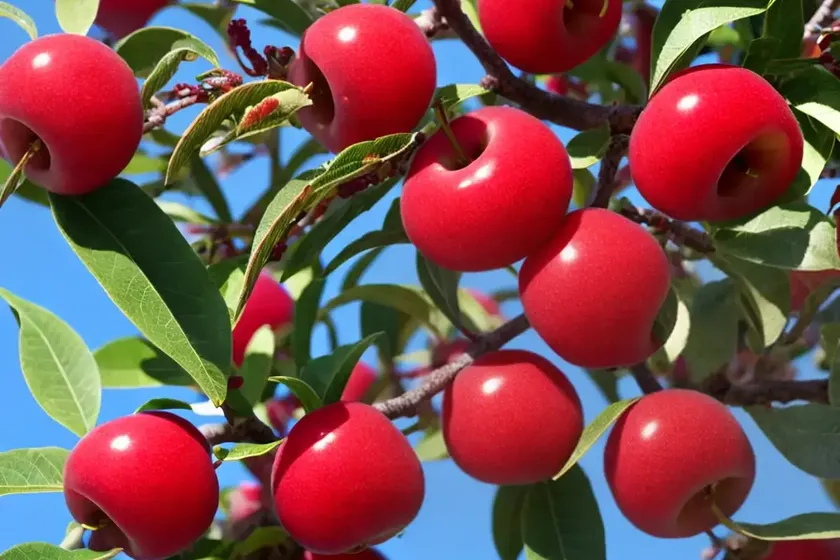
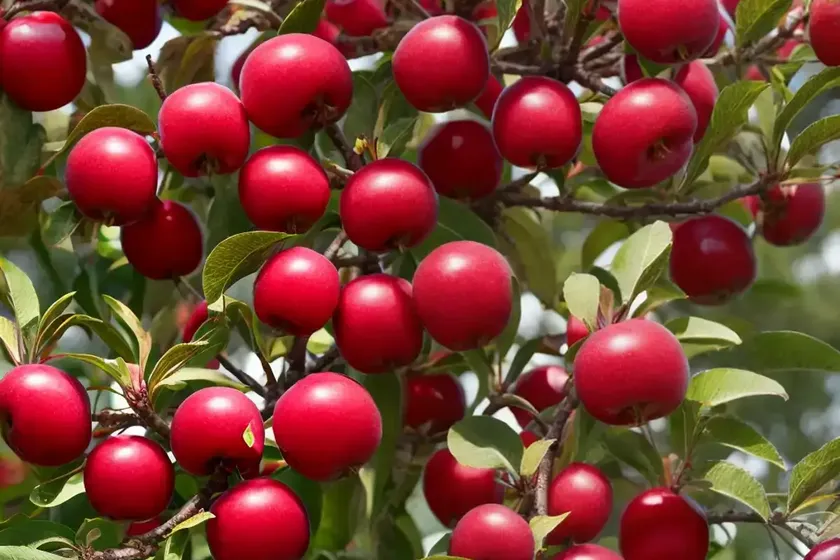
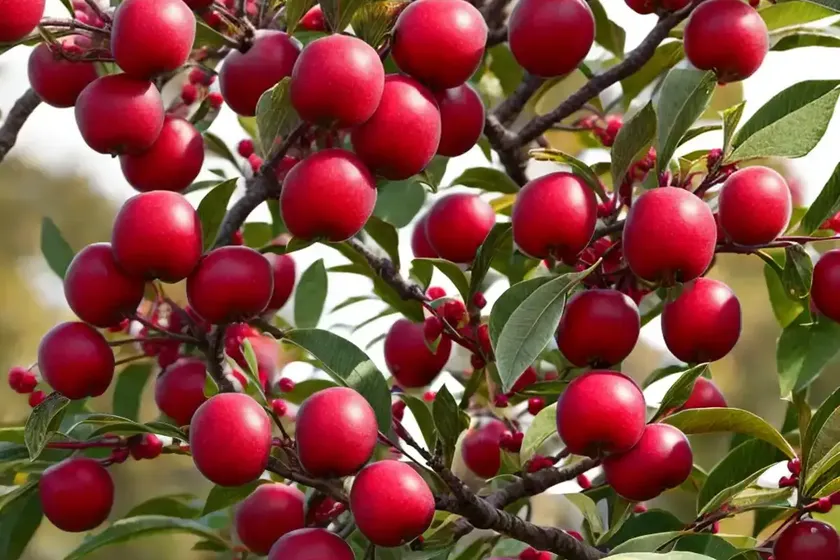
Malus x robusta ‘Red Sentinel,’ commonly known as the Crabapple, is a popular ornamental tree prized for its vibrant blossoms, attractive foliage, and small edible fruits. This comprehensive guide will cover all aspects of growing and caring for this beautiful tree, including its characteristics, cultural requirements, common uses, and maintenance tips.
What is Malus x robusta ‘Red Sentinel’ (Crabapple)?
Malus x robusta ‘Red Sentinel’ is a deciduous tree that belongs to the Rosaceae family, which includes apples, cherries, and other fruit-bearing plants. It is a hybrid crabapple tree that is renowned for its profusion of pinkish-red buds and stunning white flowers in spring, followed by small, persistent red fruits in the fall. The tree’s compelling visual appeal makes it a cherished addition to landscapes, gardens, and public spaces.
Malus x robusta ‘Red Sentinel’ Characteristics
- Scientific Name: Malus x robusta ‘Red Sentinel’
- Common Name: Red Sentinel Crabapple
- Family: Rosaceae
- Height: 7.5 – 9 meters (25 – 30 feet)
- Spread: 5 – 7.5 meters (16 – 25 feet)
- Shape: Upright, rounded form
- Growth Rate: Moderate
The Crabapple ‘Red Sentinel’ exhibits exceptional ornamental features, making it a sought-after plant for its visual impact throughout the seasons. Understanding its characteristics is fundamental to successful cultivation and care.
Key Takeaways – Malus x robusta ‘Red Sentinel’ (Crabapple)
Before delving into the detailed aspects of the culture, uses, and care requirements of the Malus x robusta ‘Red Sentinel,’ here are the key takeaways that will be covered in this comprehensive guide:
- Culture
- Uses
- Water
- Sunlight
- Fertilizer
- Soil
- Pruning
- Propagation
- Container Popularity
- Common Diseases
- Disease Diagnosis
- Common Pests
- Botanist’s Tips
- Fun Facts
- Links to External Resources
These takeaways will help provide a holistic understanding of this captivating ornamental tree and guide enthusiasts in its successful cultivation and maintenance.
Culture
Understanding the cultural requirements of Malus x robusta ‘Red Sentinel’ is crucial for ensuring its healthy growth and longevity. The cultural aspects of this tree encompass its preferred climate, native habitat, and historical background.
Native Habitat and Historical Background
The Crabapple ‘Red Sentinel’ is a hybrid cultivar that originated from intentional crossbreeding to harness desirable traits for ornamental purposes. While its precise lineage may vary, it exhibits a rich history of cultivation, attracting interest for its visual allure and adaptability to various environmental conditions.
Hardiness Zones
Malus x robusta ‘Red Sentinel’ is well-suited to a range of hardiness zones, typically thriving in zones 4 to 8. This adaptability extends its appeal to a broad geographic spectrum, providing an opportunity for enthusiasts across diverse regions to experience its beauty.
Soil Preferences
The Red Sentinel Crabapple thrives in well-drained, fertile soil with a slightly acidic to neutral pH. While it exhibits adaptability to different soil types, ensuring proper drainage and adequate fertility are essential for its sustained growth and vigor.
Sunlight Requirements
This crabapple variety thrives in full sun, receiving at least 6-8 hours of direct sunlight daily. Adequate sunlight is vital for promoting robust flowering, fruiting, and overall plant vigor.
Water Needs
Malus x robusta ‘Red Sentinel’ has moderate water requirements, necessitating regular watering, especially during periods of drought or prolonged dry spells. Adequate soil moisture is critical for sustaining healthy growth and flowering.
Uses
Malus x robusta ‘Red Sentinel’ possesses multifaceted uses and serves diverse purposes in landscape design, horticulture, and ecological conservation. Understanding its potential applications is essential for making informed decisions regarding its integration into different settings.
Landscape Ornamentation
The Red Sentinel Crabapple is widely celebrated for its ornamental value, adorning landscapes with its captivating spring blossoms, attractive foliage, and persistent fruits. It serves as a focal point in gardens, parks, and public spaces, enhancing the aesthetic appeal through its seasonal displays.
Wildlife Attraction
The small fruits of the Crabapple ‘Red Sentinel’ are a valuable food source for birds and wildlife, contributing to ecological diversity and fostering a thriving ecosystem. Its capacity to attract beneficial fauna amplifies its ecological significance in supporting local biodiversity.
Edible Fruit Production
While the fruits of Malus x robusta ‘Red Sentinel’ are relatively small, they are edible and can be utilized in culinary applications, such as jellies, preserves, and baking. The tree’s fruit production adds a practical dimension to its ornamental allure, offering a dual-purpose feature for enthusiasts.
Seasonal Aesthetics
The seasonal transformations of the Crabapple ‘Red Sentinel,’ from the resplendent spring blossoms to the vivid fall fruits and foliage, contribute to dynamic seasonal aesthetics. Its ever-changing visual appeal creates captivating landscapes that evolve throughout the year.
Ecological Restoration
In addition to its ornamental and ecological value, the Red Sentinel Crabapple plays a role in ecological restoration and conservation initiatives. Its adaptability, wildlife support, and aesthetic appeal position it as a valuable component in sustainable ecological landscapes and restoration projects.
Fertilizer
Fertilization plays a pivotal role in promoting the health and vitality of Malus x robusta ‘Red Sentinel.’ Providing the appropriate nutrients in the right quantities and at the optimal time is essential for sustaining its ornamental features and robust growth.
Fertilizer Requirements
Applying a balanced, slow-release fertilizer formulated for trees and shrubs is beneficial for the nutrient requirements of the Red Sentinel Crabapple. It is advisable to follow the manufacturer’s recommendations regarding application rates and frequency, ensuring an appropriate nutrient balance without risking over-fertilization.
Timing of Application
Fertilization is typically carried out in early spring, before the onset of new growth, to provide essential nutrients for the upcoming growing season. Additionally, a light application in late fall can help fortify the tree for winter and support its overall vigor.
Soil Amendment
Incorporating organic matter, such as well-aged compost or composted manure, into the soil can enhance its fertility and structure, providing a natural source of nutrients for the Crabapple ‘Red Sentinel.’ It also contributes to improved soil health and moisture retention, benefiting the tree’s overall well-being.
Pruning
Pruning is a pivotal aspect of Malus x robusta ‘Red Sentinel’ maintenance, contributing to its shape, size, and aesthetic appeal. Proper pruning practices ensure the tree’s structural integrity, flowering potential, and longevity.
Pruning Objectives
Pruning aims to achieve several objectives, including:
- Structural Integrity: Removing weak, crossing, or overcrowded branches helps maintain the tree’s structural strength and form.
- Enhanced Air Circulation: Thinning the canopy promotes better air circulation, reducing the risk of disease and pest infestations.
- Flowering Enhancement: Pruning promotes the development of flowering spurs, contributing to abundant and vibrant blossoms in the subsequent season.
Pruning Schedule
The ideal time for pruning the Red Sentinel Crabapple is during late winter or early spring, before the onset of new growth. This timing coincides with the tree’s dormant period, facilitating optimal healing and minimizing stress on the plant.
Pruning Techniques
Proper pruning techniques involve the strategic removal of undesirable branches while preserving the tree’s natural form and overall health. Utilizing sharp, sterilized pruning tools and following best practices is critical for achieving optimal results and preventing damage or disease transmission.
Formative Pruning
In the early years of establishment, formative pruning is beneficial for shaping the young tree and guiding its structural development. This proactive approach sets the foundation for a well-balanced and aesthetically pleasing canopy.
Propagation
Understanding propagation methods is essential for enthusiasts interested in expanding their collection of Malus x robusta ‘Red Sentinel’ or cultivating new trees for ornamental purposes. Propagation opens up opportunities for enthusiasts to engage in plant reproduction and conservation efforts.
Propagation Techniques
- Seed Propagation: Collecting and germinating seeds from mature fruits can be a rewarding method for propagating the Crabapple ‘Red Sentinel.’ However, it may result in variability due to the genetic diversity of the parent tree.
- Grafting: Utilizing grafting techniques, such as whip-and-tongue or T-budding, enables enthusiasts to reproduce and preserve the desirable traits of the ‘Red Sentinel’ cultivar with precision and consistency.
- Cutting Propagation: Taking semi-hardwood cuttings and employing rooting hormones and controlled environmental conditions can facilitate successful propagation of this crabapple variety.
Environmental Considerations
Creating an optimal environment for propagating Malus x robusta ‘Red Sentinel’ involves providing adequate humidity, warmth, and protection from extreme environmental stress. Utilizing sterile, well-draining propagation media and maintaining favorable conditions supports the successful establishment of young plants.
Vigilance in Selection
When selecting propagation material, it is essential to choose healthy, disease-free specimens with the desired ornamental traits. Vigilance in selection contributes to the successful propagation of the ‘Red Sentinel’ cultivar and the preservation of its genetic identity.
Container Popularity
The Crabapple ‘Red Sentinel’ exhibits appreciable suitability for container gardening, offering enthusiasts the flexibility to incorporate its ornamental beauty in diverse settings, including patios, balconies, and urban landscapes.
Container Selection
Choosing a spacious, well-draining container is essential for accommodating the root system of the Crabapple ‘Red Sentinel’ and providing ample room for growth. Selecting a container with adequate drainage holes promotes healthy root aeration and prevents waterlogging.
Soil Considerations
Utilizing a high-quality, well-aerated potting mix specifically formulated for trees and shrubs is advantageous for container cultivation. This ensures proper moisture retention, nutrient availability, and root development, contributing to the sustained vigor of the tree.
Placement and Sunlight
Positioning the container in a location that receives ample sunlight, consistent with the tree’s full sun requirements, is crucial for supporting its flowering and overall vitality. Ensuring adequate airflow around the tree enhances its environmental resilience.
Maintenance Considerations
Regular monitoring of soil moisture, appropriate watering, and seasonal fertilization are integral aspects of container maintenance. Additionally, periodic root inspection and potential repotting are essential for sustaining the health and longevity of the Crabapple ‘Red Sentinel’ in containers.
Common Diseases
While the Crabapple ‘Red Sentinel’ is relatively resilient, it may be susceptible to certain diseases that can impact its vigor and ornamental appeal. Familiarity with common diseases and proactive prevention and management strategies is vital for preserving the health of the tree.
Cedar-Apple Rust
Cedar-apple rust, caused by the fungal pathogen Gymnosporangium juniperi-virginianae, can affect crabapples, leading to characteristic orange lesions on leaves and potential defoliation. It has a complex life cycle involving both juniper and apple family hosts and often necessitates coordinated management approaches.
Apple Scab
Venturia inaequalis, the causal agent of apple scab, can also affect crabapples, leading to unsightly lesions on leaves and fruits, negatively impacting the tree’s ornamental value.
Fire Blight
Fire blight, caused by the bacterium Erwinia amylovora, can pose a significant threat to crabapples, resulting in wilting, dieback, and blackened, scorched appearance of the branches. This disease requires prompt management to reduce its impact on the tree.
Preventative Measures
Implementing preventative strategies, such as promoting good airflow, maintaining overall tree health, and selecting disease-resistant cultivars, can help mitigate the risk of common diseases. Additionally, promptly removing and destroying infected plant material and practicing proper sanitation contribute to disease control efforts.
Disease Diagnosis
Diagnosing potential diseases affecting the Crabapple ‘Red Sentinel’ involves vigilant observation of the tree’s foliage, stems, and fruits for signs of abnormalities. Accurate disease diagnosis is pivotal for implementing targeted management measures and preserving the tree’s health and aesthetics.
Visual Symptoms
Observing the presence of characteristic lesions, discolorations, wilting, or abnormal growth patterns on the tree can provide valuable clues for disease diagnosis. Documenting the appearance and progression of symptoms aids in the accurate identification of potential diseases.
Professional Consultation
In cases where disease diagnosis may be challenging or inconclusive, seeking the expertise of certified arborists, plant pathologists, or horticultural specialists can provide valuable insights and facilitate informed decision-making regarding disease management and treatment.
Diagnostic Resources
Various educational resources, including diagnostic guides, extension publications, and online databases, offer comprehensive information on common diseases affecting crabapples, empowering enthusiasts to enhance their disease diagnosis proficiency and management strategies.
Common Pests
The Red Sentinel Crabapple may encounter certain insect pests that can affect its foliage, flowers, and fruits. Familiarizing oneself with common pests and their management is instrumental in preserving the tree’s health and mitigating potential damage.
Aphids
Aphids, such as the green apple aphid (Aphis pomi) and the woolly apple aphid (Eriosoma lanigerum), may infest crabapples, feeding on plant sap and secreting honeydew. Monitoring the presence of aphids and implementing targeted control measures is important for preventing infestations.
Caterpillars
Caterpillars, including the larvae of various moth species, can consume foliage and affect the aesthetic appeal of the tree. Vigilant inspection and the application of biological or selective insecticides can help manage caterpillar populations effectively.
Scale Insects
Scale insects, such as the oystershell scale (Lepidosaphes ulmi), may colonize crabapples, feeding on plant fluids and potentially causing stress to the tree. Careful monitoring and the application of horticultural oils or insecticidal treatments can assist in controlling scale infestations.
Integrated Pest Management
Utilizing integrated pest management (IPM) practices, which emphasize proactive monitoring, cultural controls, biological interventions, and targeted pesticide applications, offers a holistic and sustainable approach to pest management.
Botanist’s Tips
Drawing on insights and recommendations from professional botanists and horticultural specialists can provide valuable guidance for enthusiasts seeking to maximize the ornamental potential and health of Malus x robusta ‘Red Sentinel.’
Seasonal Care
Tailoring care practices to the seasonal requirements of the Crabapple ‘Red Sentinel’ is essential for promoting its optimal growth, flowering, and fruiting. Proactively adjusting watering, fertilization, and pruning based on seasonal considerations supports the tree’s overall vitality.
Vigorous Inspection
Regularly inspecting the tree for signs of disease, pest infestations, or structural irregularities allows for early detection and targeted interventions, reducing potential long-term impact on the tree’s health and aesthetic appeal.
Selective Pruning
Adopting selective pruning practices to remove dead, diseased, or crossing branches, as well as minimally invasive thinning, supports the tree’s natural vigor and resilience while preserving its ornamental form and flowering potential.
Nutrient Optimization
Balancing the nutrient requirements of Malus x robusta ‘Red Sentinel’ through strategic fertilization, organic soil amendments, and tailored feeding regimens can enhance the tree’s vitality, flowering capacity, and overall robustness.
Fun Facts
Uncovering intriguing and lesser-known facts about Malus x robusta ‘Red Sentinel’ adds to the appreciation of its botanical significance and ornamental charm, enriching enthusiasts’ understanding of this captivating tree.
Did You Know?
-
The Crabapple ‘Red Sentinel’ is utilized in breeding programs to introduce disease resistance and ornamental traits into new apple cultivars, contributing to the genetic diversity of commercial apple varieties.
-
The vibrant blossoms of the Red Sentinel Crabapple not only attract human admirers but also serve as a valuable nectar source for pollinators, supporting local bee populations and ecological resilience.
-
Different varieties of Malus x robusta ‘Red Sentinel’ exist, showcasing variations in flower color, fruit size, and growth habits, offering enthusiasts a diverse array of ornamental options.
-
The persistent fruits of the tree are a valuable food source for overwintering birds, providing sustenance and ecological support during colder months.
-
The landscape value of the Crabapple ‘Red Sentinel’ extends beyond its ornamental allure, with its presence contributing to the cultural and ecological significance of diverse settings, from urban parks to suburban landscapes.
Links to External Resources
To further enrich your understanding of Malus x robusta ‘Red Sentinel’ and access valuable resources for cultivation, care, and ornamental integration, explore the following external links:
- The American Horticultural Society
- Royal Horticultural Society – Plant Selector
- University Extension Publications on Ornamental Tree Care
These external resources offer a wealth of knowledge, expertise, and insights to support your journey with the Crabapple ‘Red Sentinel’ and expand your horticultural proficiency.
By embracing the comprehensive guide and exploring the multifaceted dimensions of Malus x robusta ‘Red Sentinel,’ enthusiasts can deepen their appreciation for this captivating ornamental tree and foster its sustained health, beauty, and ecological impact within diverse landscapes. With attentive cultivation, informed maintenance, and a keen eye for its seasonal splendor, the Red Sentinel Crabapple continues to captivate and enrich outdoor spaces, reflecting its timeless allure and botanical significance.
In this comprehensive guide, we’ve delved deep into the world of Malus x robusta ‘Red Sentinel’ (Crabapple), exploring its cultural facets, uses, care requirements, and botanical significance. This extensive resource aims to empower enthusiasts, arborists, and gardeners with valuable insights, tips, and references to support the successful cultivation and ornamental integration of this beloved tree.


