Malus X Moerlandsii ‘Liset’ (Crabapple)
As a plant scientist, I am excited to share comprehensive information about Malus x moerlandsii ‘Liset’ (Crabapple) with you. This visually stunning and.
Introduction
As a plant scientist, I am excited to share comprehensive information about Malus x moerlandsii ‘Liset’ (Crabapple) with you. This visually stunning and versatile tree has gained popularity for its abundance of colorful flowers, ornamental fruits, and attractive foliage. In this guide, we will explore the characteristics, cultivation practices, and care requirements for Malus x moerlandsii ‘Liset’, along with common diseases and pests that may affect this tree.
What is Malus x moerlandsii ‘Liset’ (Crabapple)?
Malus x moerlandsii ‘Liset’ is a deciduous tree that belongs to the Rosaceae family. This hybrid crabapple tree is acclaimed for its beautiful display of fragrant flowers in spring, followed by an abundance of small ornamental fruits in summer and fall. The ‘Liset’ variety is known for its compact and rounded form, making it an excellent choice for small gardens, urban landscapes, and ornamental plantings.
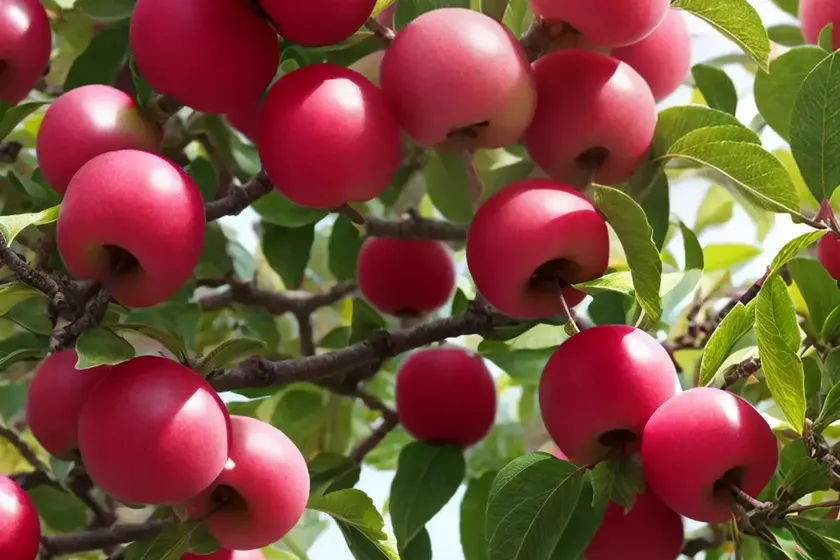
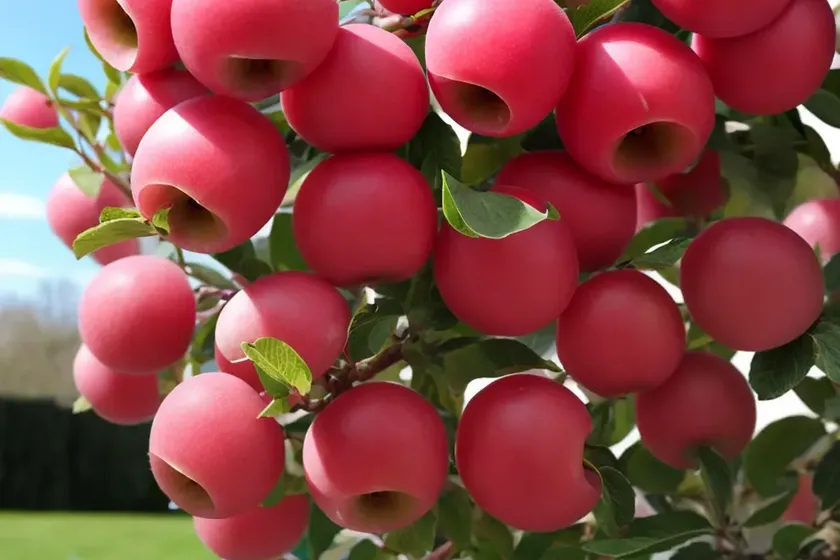
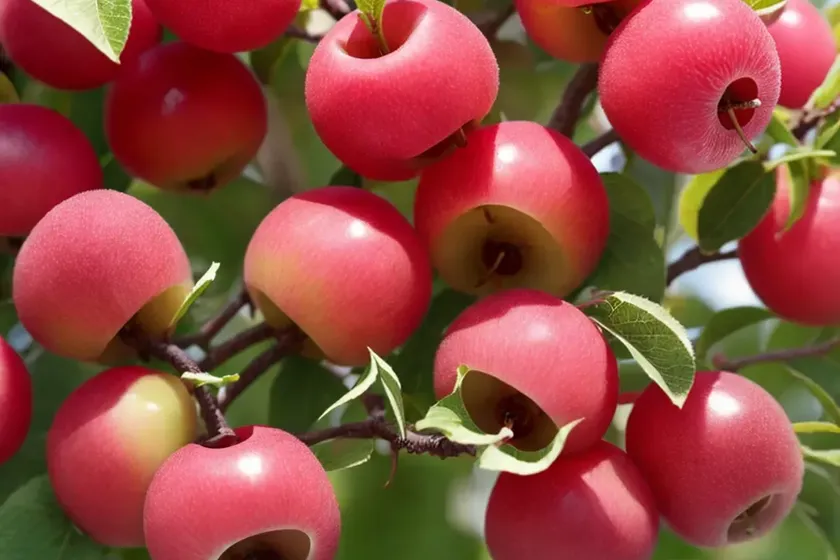
The leaves of Malus x moerlandsii ‘Liset’ are typically green and ovate, providing an attractive backdrop to the colorful blossoms and fruits. The tree’s flowers can range from various shades of white to pink, creating a stunning visual spectacle when in full bloom. Additionally, the fruits of ‘Liset’ crabapples are small, typically red or yellow, and can persist on the tree well into the winter, providing ornamental interest throughout the seasons.
Key Takeaways – Malus x moerlandsii ‘Liset’ (Crabapple)
Culture
- Common Name: ‘Liset’ Crabapple
- Botanical Name: Malus x moerlandsii ‘Liset’
- Family: Rosaceae
- Type: Deciduous Tree
- Mature Height: 15-20 feet
- Mature Spread: 15-20 feet
- Growth Rate: Moderate
Uses
- Ornamental Tree for Landscaping
- Suitable for Small Gardens
- Urban Landscaping
- Pollinator-Friendly Tree
Water
- Watering Needs: Regular water, especially during dry periods
- Soil Moisture: Well-drained soil
- Drought Tolerance: Moderate
Sunlight
- Sun Exposure: Full sun to partial shade
- Preferred Light Conditions: Bright, sunny locations
Fertilizer
- Fertilization: Spring application of balanced slow-release fertilizer
- Fertilizer Type: Tree and shrub fertilizer
- Application Frequency: Annually
Soil
- Soil Type: Well-drained, loamy soil
- Soil pH: Slightly acidic to neutral (pH 6.0-7.0)
- Soil Amendments: Organic matter for improving soil structure
Pruning
- Pruning Time: Late winter to early spring
- Pruning Needs: Minimal pruning for shaping and removing dead or damaged branches
Propagation
- Propagation Methods: Grafting, Softwood Cuttings
- Optimal Propagation Time: Late spring to early summer
Container Popularity
- Suitability for Containers: Limited due to mature size and root requirements
- Considerations: Dwarf or patio varieties may be more suitable for containers
Container Common Diseases
- Potential Diseases: Soil-borne pathogens, root rot
- Preventive Measures: Well-draining soil, proper irrigation practices
Disease Diagnosis
- Common Diseases: Apple Scab, Fire Blight, Cedar Apple Rust
- Symptoms: Leaf spots, cankers, fruit lesions
- Control Measures: Fungicidal sprays, sanitation measures
Common Pests
- Pest Concerns: Aphids, Caterpillars, Scale Insects
- Control: Horticultural oils, insecticidal soaps, natural predators, and parasites
Botanist’s Tips
Here are some expert tips for successfully cultivating and caring for Malus x moerlandsii ‘Liset’:
- Select a suitable planting location with well-drained soil and adequate sunlight.
- Regularly monitor the tree for signs of pests and diseases, especially during the growing season.
- Practice proper watering techniques to maintain soil moisture without waterlogging the roots.
- Consider companion planting with early-flowering bulbs or perennials to enhance the visual appeal of the crabapple tree’s landscape.
Fun Facts
- The crabapple tree has a rich cultural and historical significance, often associated with mythology, folklore, and culinary traditions.
- Crabapple fruits can be used for making preserves, jellies, and flavorful additions to various culinary recipes.
- The tree’s abundant flowers are known to attract pollinators such as bees and butterflies, contributing to the overall biodiversity of the garden or landscape.
Links to External Resources
- Missouri Botanical Garden – Crabapple Tree Care
- The Spruce – Growing Crabapple Trees
- Royal Horticultural Society – Crabapple Cultivation
With these key takeaways, tips, and fun facts, you are equipped with essential knowledge about Malus x moerlandsii ‘Liset’ (Crabapple) and can confidently consider adding this magnificent tree to your landscape.
In this guide, we will explore the characteristics, cultivation practices, and care requirements for Malus x moerlandsii ‘Liset’, along with common diseases and pests that may affect this tree. Crabapple trees have gained popularity over the years for their breathtaking display of flowers and ornamental fruits. Let’s delve into the world of Malus x moerlandsii ‘Liset’ and uncover the secrets to successfully growing and caring for this stunning tree.
Characteristics of Malus x moerlandsii ‘Liset’
Flowering and Fruiting
One of the most captivating features of Malus x moerlandsii ‘Liset’ is its prolific flowering. The tree bursts into a spectacle of blossoms in spring, with an array of colors ranging from delicate white to vibrant shades of pink. These flowers not only adorn the tree with their beauty but also attract pollinators, contributing to the overall biodiversity of the landscape.
Following the floral extravaganza, Liset crabapples produce an abundance of small, colorful fruits. These fruits are typically red or yellow, depending on the specific cultivar, and add ornamental value to the tree. The fruits often persist well into the winter, providing visual interest and serving as a food source for wildlife.
Foliage and Growth Habit
The foliage of Malus x moerlandsii ‘Liset’ consists of ovate, green leaves that provide an attractive and lush backdrop to the vibrant flowers and fruits. The overall growth habit of the ‘Liset’ variety is compact and rounded, making it a suitable choice for smaller gardens, urban landscapes, or ornamental plantings.
Environmental Adaptability
Malus x moerlandsii ‘Liset’, like many crabapple varieties, is appreciated for its adaptability to various environmental conditions. It thrives in full sun to partial shade and can tolerate a range of soil types, provided they are well-drained. With moderate drought tolerance, ‘Liset’ crabapples can withstand periodic dry spells, although regular watering is essential for optimal growth and fruit production.
Growing Malus x moerlandsii ‘Liset’
Planting Location and Soil Preparation
When selecting a site for planting Malus x moerlandsii ‘Liset’, it is crucial to consider its requirements for sunlight and well-drained soil. Choose a location that receives ample sunlight, as this will promote healthy growth and abundant flowering. Additionally, ensure that the soil is well-drained, as crabapple trees are susceptible to root rot in waterlogged conditions.
Before planting, prepare the soil by incorporating organic matter to improve its structure and fertility. This can be achieved by mixing compost or well-rotted manure into the existing soil. In regions with heavy clay soil, amending the soil with organic matter is particularly important to enhance drainage and aeration.
Planting Process
The ideal time for planting Malus x moerlandsii ‘Liset’ is in early spring, allowing the tree to establish its roots before the onset of the growing season. Begin by digging a hole that is twice the width of the tree’s root ball and of the same depth. Gently place the tree in the center of the hole, ensuring that the top of the root ball is level with the surrounding soil. Backfill the hole with the amended soil, gently tamping it down to remove air pockets.
Once planted, provide the tree with a thorough watering to settle the soil around the roots. Apply a layer of mulch around the base of the tree, leaving a few inches of space around the trunk to prevent moisture retention and potential rot. Mulching helps conserve soil moisture and suppresses the growth of weeds, benefiting the overall health of the tree.
Watering and Soil Moisture
Malus x moerlandsii ‘Liset’ thrives in moist, well-drained soil. During the initial establishment period, it is essential to provide the tree with regular water to support root development and overall growth. Although the tree can tolerate moderate drought conditions once established, consistent watering is beneficial, especially during extended dry spells.
When watering Liset crabapples, aim to moisten the top 6-8 inches of soil around the tree’s root zone. Avoid overwatering, as waterlogged soil can lead to root rot and other moisture-related issues. To assess moisture levels, periodically check the soil’s moisture content by inserting a finger or a soil moisture meter into the soil. Adjust the watering frequency based on the tree’s specific needs and environmental conditions.
Sunlight Requirements
Malus x moerlandsii ‘Liset’ thrives in full sun to partial shade, with a preference for bright, sunny locations. Adequate sunlight is essential for promoting vigorous growth, abundant flowering, and fruit production. When selecting a planting site, choose a location that receives at least 6-8 hours of direct sunlight per day to ensure the tree’s optimal performance.
In regions with hot climates, providing some afternoon shade can help protect the tree from excessive heat and sun exposure. Additionally, planting Liset crabapples in areas with good air circulation can help minimize the risk of foliar diseases by promoting drying of the foliage after rainfall or irrigation.
Fertilization Practices
Applying a balanced, slow-release fertilizer can provide Malus x moerlandsii ‘Liset’ with essential nutrients for healthy growth and blooming. A general recommendation is to fertilize the tree in early spring, before the onset of new growth. Choose a fertilizer specifically formulated for trees and shrubs, and follow the manufacturer’s instructions for application rates and methods.
When applying fertilizer, evenly distribute it around the tree’s drip line, which is the outer perimeter of the tree’s canopy. This allows the tree’s feeder roots to access the nutrients effectively. Avoid direct contact between the fertilizer and the tree’s trunk, as this can cause potential damage to the bark and underlying tissues.
Pruning and Maintenance
Proper pruning of Malus x moerlandsii ‘Liset’ is essential for maintaining its health, shape, and overall appearance. Pruning is typically performed in late winter to early spring, before the tree enters its active growth phase. The main objectives of pruning include removing dead, damaged, or diseased wood, shaping the tree, and promoting adequate air circulation within the canopy.
When conducting pruning, use clean, sharp tools to make precise cuts, minimizing the risk of tearing or injuring the tree’s branches. Focus on removing any crossing or crowded branches to maintain an open and balanced structure. Additionally, promptly remove any suckers or water sprouts that emerge from the tree’s base or trunk, as these can divert energy from the main tree and compromise its appearance.
Propagation Methods
Malus x moerlandsii ‘Liset’ can be propagated through various methods, including grafting and softwood cuttings. These propagation techniques allow for the production of new trees with consistent characteristics and traits, ensuring the preservation and availability of desirable cultivars.
Grafting
Grafting is a common method of propagating crabapple trees, including the ‘Liset’ variety. It involves uniting a scion (a young shoot or bud from a desired tree) with a compatible rootstock to create a new tree. Grafting allows for precise control over the characteristics and performance of the resulting tree, making it a preferred method in commercial nurseries and breeding programs.
Softwood Cuttings
Softwood cuttings are another propagation method that can be employed to propagate Malus x moerlandsii ‘Liset’. This technique involves taking young, actively growing shoots from the mother tree and encouraging them to root and establish as new independent plants. Softwood cuttings are best collected in late spring to early summer when the tree’s growth is vigorous, increasing the likelihood of successful rooting and establishment.
Container Popularity and Considerations
While Malus x moerlandsii ‘Liset’ is predominantly grown as a landscape tree, some gardeners may consider planting it in containers to enjoy its beauty on patios, balconies, or small outdoor spaces. When selecting a crabapple tree for container cultivation, consider suitable dwarf or patio varieties that are specifically bred for compact growth and container suitability.
Suitable Varieties for Containers
- Malus ‘Royal Beauty’ (Royal Beauty Crabapple): A compact and ornamental crabapple suitable for containers, featuring pink buds that open to fragrant white flowers.
- Malus ‘Adirondack’ (Adirondack Crabapple): Known for its rich pink blossoms and small stature, making it ideal for container cultivation and urban landscapes.
Considerations for Container Planting
- Select a large, sturdy container with adequate drainage holes to provide sufficient space for the tree’s roots and promote healthy growth.
- Use a well-draining potting mix formulated for trees and shrubs, ensuring proper aeration and moisture retention.
- Regularly monitor the soil moisture and water the tree as needed, especially during dry periods, to prevent the soil from drying out completely.
Common Diseases of Malus x moerlandsii ‘Liset’
-
Apple Scab: A fungal disease that causes dark, scabby lesions on the leaves, reducing the tree’s aesthetic appeal and overall health. Regular monitoring and the application of fungicidal sprays can help manage and prevent apple scab.
-
Fire Blight: This bacterial disease can affect the blossoms, shoots, and branches of crabapple trees, causing wilting and blackening of the affected tissues. Pruning out infected branches and promoting overall tree health through proper care practices can help reduce the risk of fire blight.
-
Cedar Apple Rust: A fungal disease that primarily affects crabapple trees and cedar trees, causing orange spots on the leaves and potential defoliation. Removing nearby cedar trees and employing fungicidal treatments can help control cedar apple rust.
Disease Diagnosis and Control
When managing and preventing diseases in Malus x moerlandsii ‘Liset’, it is essential to promptly diagnose the specific issues affecting the tree and implement targeted control measures. Regularly inspect the foliage, stems, and fruits for any signs of disease, such as lesions, discoloration, or abnormal growth. Consult with local horticultural experts or extension services for accurate disease diagnosis and recommended control strategies.
Integrated Disease Management
-
Fungicidal Sprays: Application of fungicides at appropriate times can help manage and prevent fungal diseases, such as apple scab and cedar apple rust. Follow the labeled instructions and safety precautions when using fungicidal products.
-
Sanitation Practices: Proper sanitation, including the removal and disposal of infected plant debris, can help reduce the spread of diseases within the garden or landscape.
-
Cultural Practices: Implementing cultural practices that promote overall tree health, such as proper watering, adequate spacing, and balanced fertilization, can bolster the tree’s natural defenses against diseases.
Common Pests Affecting Malus x moerlandsii ‘Liset’
-
Aphids: Small, sap-feeding insects that can cluster on the new growth of crabapple trees, causing leaf distortion and the secretion of sticky honeydew. Natural predators, such as ladybugs and lacewings, can help manage aphid populations.
-
Caterpillars: Various caterpillar species may feed on the leaves of crabapple trees, leading to defoliation and reduced tree vigor. Manual removal of caterpillars and the application of biological insecticides can help control caterpillar infestations.
-
Scale Insects: Scale insects can infest crabapple trees, appearing as small, immobile bumps on the stems and branches. Horticultural oils and insecticidal soaps can be used to manage scale insects by disrupting their protective waxy coating and reducing their population.
Pest Control and Prevention
When addressing pest issues affecting Malus x moerlandsii ‘Liset’, it is important to employ integrated pest management strategies that prioritize natural and cultural control methods over broad-spectrum chemical treatments.
Integrated Pest Management (IPM) Approach
-
Biological Control: Encourage the presence of natural enemies, such as predatory insects and beneficial nematodes, to help regulate pest populations within the garden or landscape.
-
Monitoring and Identification: Routinely inspect the tree for signs of pest activity, including feeding damage, honeydew secretion, and the presence of insect pests. Accurate identification of pests is crucial for implementing targeted control measures.
-
Selective Pesticide Use: Consider using targeted, low-impact insecticides and pesticides only when pest populations reach damaging levels and non-chemical control measures have been deemed ineffective. Follow the recommended application rates, timing, and safety precautions for pesticide use.
Fragrant Liset Crabapple Trees
One of the delightful features of Malus x moerlandsii ‘Liset’ is its fragrant blossoms, which fill the air with a delightful aroma during the spring flowering season. The sweet fragrance of the blossoms adds an extra dimension of sensory appeal to the tree, making it a charming addition to garden spaces, walkways, and outdoor seating areas.
Selecting Fragrant Varieties
When seeking fragrant crabapple trees, gardeners can explore specific cultivars and selections known for their aromatic blossoms. Some crabapple varieties are celebrated for their exceptional fragrance, adding an olfactory delight to the garden environment. Here are a few fragrant crabapple varieties that may appeal to enthusiasts seeking aromatic blooms:
-
Malus ‘Sugar Tyme’ (Sugar Tyme Crabapple): This cultivar is renowned for its abundant clusters of fragrant white flowers, creating a captivating display in the spring landscape.
-
Malus ‘Donald Wyman’ (Donald Wyman Crabapple): Known for its profusion of fragrant pink blossoms and ornamental fruits, this cultivar adds visual and aromatic interest to the garden throughout the seasons.
Fragrance and Pollinator Attraction
The


