Malus X Floribunda (Japanese Crabapple)
Malus x floribunda, commonly known as the Japanese Crabapple, is a stunning ornamental tree that is a favorite among gardeners for its beautiful flowers.
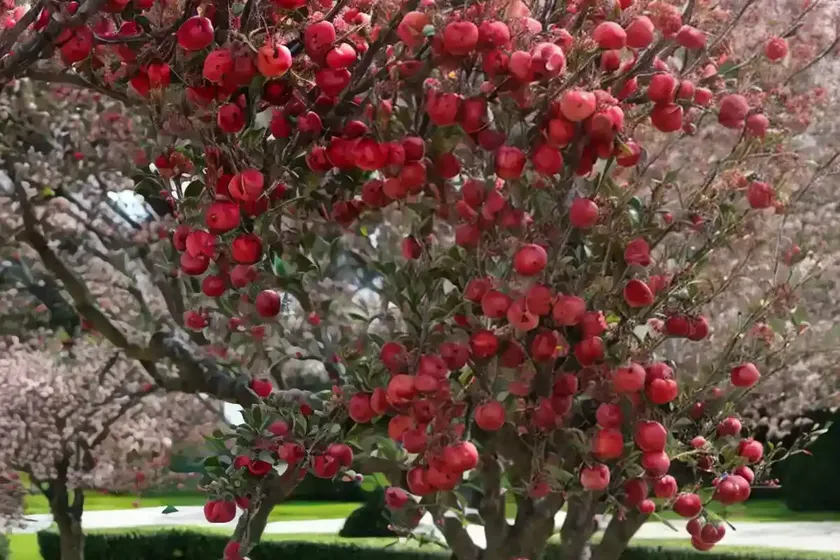
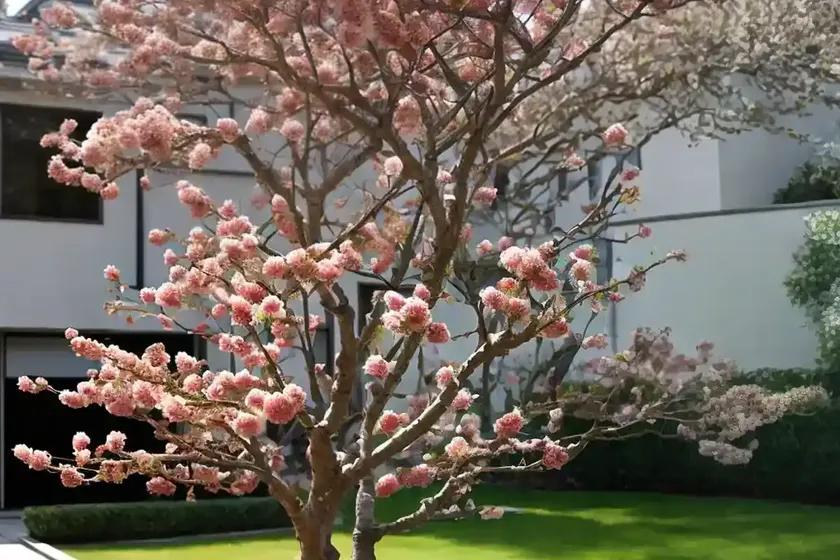
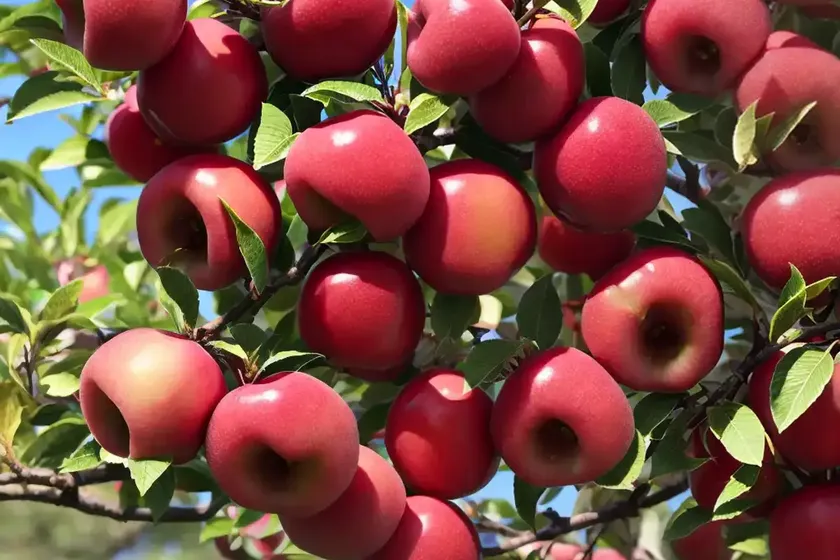
Malus x floribunda, commonly known as the Japanese Crabapple, is a stunning ornamental tree that is a favorite among gardeners for its beautiful flowers and ornamental fruits. This article will provide a comprehensive guide to understanding the culture, uses, care requirements, and potential issues related to this captivating plant. Whether you’re already familiar with the Japanese Crabapple or are considering adding it to your garden, this guide will equip you with the knowledge needed to nurture and appreciate this remarkable tree.
What is Malus x floribunda (Japanese Crabapple)?
Malus x floribunda is a deciduous flowering tree that is adorned with an abundance of vibrant and fragrant blossoms during the spring season. Originating from Japan, this species belongs to the Rosaceae family and is widely admired for its aesthetic appeal, making it a popular choice for ornamental plantings in gardens, parks, and landscapes.
The Japanese Crabapple typically features an attractive rounded crown and can reach a height of approximately 15-25 feet, with some varieties extending up to 30 feet, creating a striking focal point in any outdoor space. The tree’s foliage consists of glossy dark green leaves that provide a lovely backdrop to the captivating display of flowers.
Key Takeaways – Malus x floribunda (Japanese Crabapple)
Before diving into the detailed aspects of this exceptional plant, let’s explore the key takeaways that will be covered in this guide. These takeaways will serve as a roadmap for understanding the optimal conditions required for the growth and maintenance of Malus x floribunda.
- Culture
- Uses
- Water
- Sunlight
- Fertilizer
- Soil
- Pruning
- Propagation
- Container Popularity
- Common Diseases
- Disease Diagnosis
- Common Pests
- Botanist’s Tips
- Fun Facts
- Links to External Resources
Now, let’s delve into each of these aspects to gain a comprehensive understanding of this remarkable species.
Culture
Understanding the cultural requirements of Malus x floribunda is crucial for ensuring its successful growth and development. By providing the right environment and care, you can enable the Japanese Crabapple to thrive and showcase its full potential in your garden or landscape.
Uses
The Japanese Crabapple is primarily valued for its ornamental qualities, making it a popular choice for enhancing the visual appeal of outdoor spaces. The tree’s striking blossoms and decorative fruits make it an excellent option for:
- Gardens
- Parks
- Landscapes
- Public Spaces
- Ornamental Plantings
In addition to its visual charm, the Crabapple’s fruits can also attract wildlife, including birds, making it a valuable addition to wildlife-friendly gardens.
Water
Proper watering is essential for the health and vitality of Malus x floribunda. While the Japanese Crabapple is relatively tolerant of varying soil moisture levels, it is critical to establish a consistent watering routine, especially during the tree’s early stages of growth and during dry spells. The frequency of watering should be adjusted based on factors such as soil type, climate, and seasonal changes.
It is important to ensure that the tree’s root system receives sufficient moisture without becoming waterlogged, as excessive water accumulation can lead to root rot and other complications. An adequate layer of mulch around the base of the tree can help conserve soil moisture and regulate the temperature of the root zone.
Sunlight
Malus x floribunda thrives in locations that receive ample sunlight, making it well-suited for sunny to partially shaded environments. When selecting a planting site for the Japanese Crabapple, prioritize areas that offer full to partial sun exposure throughout the day.
Adequate sunlight is essential for promoting robust flowering, enhancing the visual impact of the tree, and facilitating the development of healthy foliage. While the Japanese Crabapple can tolerate some degree of shade, maximizing exposure to sunlight will ensure optimal growth and blooming.
Fertilizer
Providing appropriate nutrients through fertilization is crucial for promoting the overall health and vigor of Malus x floribunda. A well-balanced fertilizer specifically formulated for flowering ornamental trees should be applied during the tree’s active growing season, typically in early spring and late summer.
Carefully follow the manufacturer’s instructions regarding the application rates and methods for fertilizing the Japanese Crabapple to prevent over-fertilization, which can potentially harm the tree. Additionally, incorporating organic matter into the soil during planting or through mulching can contribute to the tree’s nutrient intake and soil quality.
Soil
The soil composition plays a significant role in the growth and development of Malus x floribunda. This species thrives in well-draining, loamy soils that offer good aeration and moisture retention. When planting or transplanting the Japanese Crabapple, it is advisable to prepare the soil by incorporating organic matter and ensuring proper drainage to create an optimal growing environment.
A slightly acidic to neutral soil pH within the range of 6.0 to 7.0 is generally suitable for the Japanese Crabapple. Conducting a soil test can provide valuable insights into the existing soil conditions and guide the necessary amendments to create an ideal habitat for the tree.
Pruning
Pruning is an essential aspect of maintaining the shape, health, and flowering potential of Malus x floribunda. Regular pruning allows for the removal of dead or diseased branches, shaping the tree, and promoting vigorous growth. Additionally, selective pruning can contribute to the enhancement of the Japanese Crabapple’s aesthetic appeal and overall structure.
When pruning the tree, it is crucial to utilize proper pruning techniques and tools to minimize damage and ensure swift healing of pruning wounds. The ideal time for pruning the Japanese Crabapple is during the dormant season in late winter or early spring, prior to the onset of new growth. This timing reduces the risk of stress and maximizes the tree’s capacity to recover from pruning.
Propagation
Propagating Malus x floribunda enables the expansion of its presence and the preservation of desirable traits through the generation of new plants. This can be achieved through several methods, including:
- Seed Propagation: Growing the tree from collected seeds can be a rewarding process, allowing for the development of unique genetic variations.
- Grafting: Utilizing grafting techniques to combine the desirable characteristics of the Japanese Crabapple with a compatible rootstock.
- Cuttings: Propagating the tree through stem cuttings, providing a means to produce genetically identical clones of the parent plant.
Each propagation method offers distinct advantages and considerations, and the choice of approach will depend on factors such as the desired outcome, available resources, and expertise in propagation techniques.
Container Popularity
The Japanese Crabapple is also well-suited for cultivation in containers, making it a versatile option for urban gardens, patios, and smaller outdoor settings. When grown in containers, the tree can thrive in a controlled environment and can be strategically positioned to enhance outdoor spaces, even with limited planting areas.
Cultivating Malus x floribunda in containers requires careful attention to the provision of adequate growing conditions, including suitable soil mix, drainage, watering, and sunlight exposure. Regular monitoring and maintenance are essential to ensure the tree’s well-being and sustained growth in a containerized environment.
Common Diseases
While Malus x floribunda is generally resilient, it is susceptible to certain diseases that can affect its vitality and visual appeal. Being aware of common plant diseases that can afflict the Japanese Crabapple and implementing preventive measures is crucial for maintaining the tree’s health. Common diseases that may impact the Japanese Crabapple include:
- Apple Scab (Venturia inaequalis): A fungal disease that can cause defoliation and affect the tree’s aesthetic appearance.
- Fire Blight (Erwinia amylovora): A bacterial disease that can lead to wilting and cankers on branches.
- Powdery Mildew: Fungal infection that can manifest as white powdery patches on the leaves and buds.
Early detection and proactive management of these diseases can help mitigate their impact and maintain the vigor of Malus x floribunda.
Disease Diagnosis
Effectively diagnosing diseases that affect the Japanese Crabapple involves keen observation and, if necessary, consulting with horticultural experts or plant pathologists. Key factors to consider when diagnosing potential diseases include:
- Visual Symptoms: Noting any unusual discoloration, deformities, or abnormalities on the foliage, stems, or fruits.
- Environmental Conditions: Assessing the prevailing environmental factors, such as humidity, temperature, and rainfall, which can impact disease development.
- Historical Context: Understanding the past health and growing conditions of the tree, including any recent changes or stressors.
By thoroughly assessing these factors, it becomes possible to accurately diagnose potential diseases and implement appropriate treatment strategies.
Common Pests
In addition to diseases, Malus x floribunda may encounter certain pests that can compromise its well-being and appearance. Awareness of common pests that can affect the Japanese Crabapple is essential for implementing preventive measures and targeted pest management techniques. Common pests that may infest the Japanese Crabapple include:
- Aphids: Small, sap-sucking insects that can distort new growth and excrete honeydew, leading to sooty mold.
- Caterpillars: Larval stages of moths and butterflies that can consume foliage and diminish the tree’s vitality.
- Scale Insects: Pests that can attach themselves to branches and feed on sap, potentially weakening the tree and causing dieback.
Implementing integrated pest management (IPM) practices, such as promoting natural predators and employing selective controls, can help manage pest infestations while minimizing the impact on beneficial organisms and the surrounding environment.
Botanist’s Tips
To further enhance your understanding and appreciation of Malus x floribunda, consider incorporating these botanist’s tips into your interactions with the Japanese Crabapple:
- Observation: Take the time to observe the tree throughout the seasons, noting changes in growth, flowering patterns, and the development of fruits.
- Recording: Maintain a gardening journal to document the tree’s progress, including noteworthy observations, pruning activities, and any occurrences of diseases or pests.
- Networking: Engage with local horticultural communities, botanical gardens, and plant enthusiasts to exchange experiences and insights related to the cultivation of the Japanese Crabapple.
By actively applying these tips, you can enrich your involvement with Malus x floribunda and contribute to the sustained health and vitality of this remarkable species.
Fun Facts
Uncover intriguing tidbits about Malus x floribunda through the following captivating fun facts:
- Cultural Significance: In Japanese culture, the flowering of crabapple trees is associated with the tradition of Hanami, a centuries-old custom of appreciating the beauty of cherry blossoms and other flowering trees.
- Versatile Fruits: The fruits of the Japanese Crabapple are not only ornamental but can also be used to produce flavorful jellies, adding a practical dimension to their appeal.
- Wildlife Interaction: The tree’s blossoms and fruits can attract a variety of wildlife, including birds, butterflies, and pollinators, enriching the ecological dynamics of the surrounding area.
These fun facts provide insights into the multifaceted nature of Malus x floribunda and its impact on cultural, culinary, and ecological realms.
Links to External Resources
To further expand your knowledge and expertise on Malus x floribunda, explore the following external resources:
- American Horticultural Society
- Royal Horticultural Society
- University Extension Services
- Plant Pathology Resources
By engaging with authoritative organizations and resources, you can access valuable information, research, and guidance related to the cultivation, care, and appreciation of the Japanese Crabapple.
In conclusion, Malus x floribunda, or the Japanese Crabapple, is a captivating species that offers an array of aesthetic, ecological, and cultural benefits. By integrating the insights and recommendations provided in this comprehensive guide, you can embark on a rewarding journey of nurturing, enjoying, and preserving the remarkable qualities of this ornamental plant. Whether you are an experienced gardener or an aspiring enthusiast, the Japanese Crabapple has the potential to enrich outdoor spaces and inspire a deeper connection with the natural world.
- Keywords: Crabapple tree varieties, Ornamental crabs, Japanese flowering crabapple, Japanese crabapple cultivars, Malus floribunda tree, Crabapple tree facts, Flowering crabapple trees, Japanese crabapple varieties, Malus floribunda cultivars, Crabapple tree care, Flowering crabapple tree species, Japanese Crabapple information, Crabapple tree characteristics, Japanese flowering crabapple varieties, Malus x floribunda tree, Crabapple tree diseases, Japanese crabapple tree care, Malus floribunda species, Crabapple tree pruning, Japanese flowering crabapple facts, Malus floribunda information, Crabapple tree planting, Japanese crabapple tree characteristics, Malus x floribunda cultivars, Flowering crabapple tree care, Japanese crabapple tree species, Crabapple tree pests, Malus floribunda tree varieties, Crabapple tree maintenance, Japanese flowering crabapple care, Malus floribunda tree facts, Crabapple tree landscaping, Japanese crabapple tree pruning, Malus floribunda tree care, Crabapple tree flowering, Japanese flowering crabapple species, Malus x floribunda information, Crabapple tree pollination, Japanese crabapple tree care guide, Malus floribunda species, Crabapple tree propagation, Japanese flowering crabapple tree facts, Malus x floribunda tree varieties, Crabapple tree soil requirements, Japanese crabapple tree maintenance, Malus floribunda tree characteristics, Crabapple tree sunlight needs, Japanese flowering crabapple tree care, Malus x floribunda tree care, Crabapple tree pruning tips


