Plant Scientist Blog: All about Hibiscus syriacus Lil’ Kim Violet (Rose of Sharon)
Welcome to the Plant Scientist Blog! In this blog post, we will explore the fascinating world of Hibiscus syriacus Lil’ Kim Violet also known as Rose of Sharon. We will delve into its culture, uses, care tips, common diseases, and much more.
What is Hibiscus syriacus Lil’ Kim Violet (Rose of Sharon)?
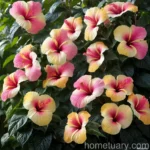
Hibiscus syriacus Lil’ Kim Violet is a delightful flowering shrub that belongs to the family Malvaceae. It is also commonly referred to as Rose of Sharon. This beautiful plant is known for its stunning violet flowers with a deep red eye at the center, which bloom profusely during the summer months. It is the perfect addition to any garden or landscape, adding a touch of elegance and charm.
The Lil’ Kim Violet variety is particularly beloved for its compact size, making it an excellent choice for small gardens, urban landscapes, or even container gardening. Its manageable size and prolific blooming make it a popular choice among gardening enthusiasts who seek a low-maintenance yet visually appealing plant.
Key Takeaways – Hibiscus syriacus Lil’ Kim Violet (Rose of Sharon)
Before we dive into the specifics of cultivating and caring for the Hibiscus syriacus Lil’ Kim Violet, let’s take a quick look at the key takeaways of this exceptional plant:
- Plant Name: Hibiscus syriacus Lil’ Kim Violet (Rose of Sharon)
- Common Names: Lil’ Kim Violet, Rose of Sharon
- Scientific Name: Hibiscus syriacus
- Family: Malvaceae
- Notable Feature: Profusion of stunning violet flowers with a deep red eye at the center
Now that we have a brief introduction to this enchanting plant, let’s explore its culture, uses, and care tips in more detail.
Culture
Water
Proper watering is essential for the health and vitality of the Hibiscus syriacus Lil’ Kim Violet. During its growing season, which typically spans from spring to fall, it is crucial to maintain consistently moist soil. However, it is equally important to avoid overwatering, as waterlogged soil can lead to root rot and other detrimental conditions.
- Spring and Summer: During the active growing period, water the plant deeply and thoroughly. Ensure that the top inch of the soil remains moist but not waterlogged.
- Fall: As the weather begins to cool, reduce the frequency of watering, allowing the soil to dry out slightly between waterings.
Sunlight
Like many flowering plants, the Hibiscus syriacus Lil’ Kim Violet thrives in full sunlight. It should be planted in an area that receives at least 6-8 hours of sunlight per day. Adequate sunlight is essential for promoting healthy growth and abundant flowering.
Fertilizer
To support the growth and blooming of the Hibiscus syriacus Lil’ Kim Violet, it is beneficial to apply a balanced, slow-release fertilizer in early spring. A fertilizer with a formulation such as 10-10-10 or 20-20-20 can provide the necessary nutrients for robust growth and profuse flowering.
- Application: Apply the fertilizer according to the manufacturer’s instructions, ensuring even distribution around the plant’s root zone.
- Frequency: Reapply the fertilizer every 4-6 weeks during the growing season, following the recommended dosage.
Soil
The Lil’ Kim Violet Rose of Sharon thrives in well-draining, slightly acidic to neutral soil. A loamy, fertile soil type is ideal for promoting healthy growth and blooming. It is important to ensure that the soil is not waterlogged, as excessive moisture can lead to root diseases.
- Soil Preparation: Prior to planting, amend the soil with organic matter such as compost to improve its texture and fertility.
- Drainage: Ensure that the planting site has good drainage to prevent water from pooling around the roots.
Pruning
Pruning is an important aspect of caring for the Hibiscus syriacus Lil’ Kim Violet. Proper pruning not only helps maintain a compact and attractive shape but also promotes vigorous flowering.
- Timing: Pruning is best carried out during late winter or early spring before new growth begins.
- Technique: Use clean, sharp pruners to remove any dead or weak branches. Additionally, consider lightly shaping the plant to maintain its desired form.
Propagation
The Hibiscus syriacus Lil’ Kim Violet can be propagated through several methods, including:
- Softwood Cuttings: Propagate new plants from softwood cuttings taken in early summer. Dip the cut ends in rooting hormone and place them in a well-draining propagation medium.
- Seeds: Collect seeds from mature seed pods and sow them in a seed-starting mix indoors. Provide warmth and adequate moisture for germination.
Container Popularity
The compact size and prolific blooming of the Lil’ Kim Violet Rose of Sharon make it a popular choice for container gardening. When grown in containers, it adds a delightful touch of color and elegance to patios, balconies, and small outdoor spaces.
- Container Selection: Choose a large, sturdy container with drainage holes to ensure proper drainage and root aeration.
- Soil: Use a well-draining potting mix formulated for flowering shrubs or incorporate perlite for improved drainage.
- Watering: Container-grown plants may require more frequent watering, especially during hot weather. Monitor the soil moisture regularly and water as needed.
Common Diseases
Disease Diagnosis
The Hibiscus syriacus Lil’ Kim Violet is susceptible to certain diseases that can affect its overall health and blooming. Some of the common diseases include:
- Leaf Spot: Characterized by the presence of dark, irregular spots on the plant’s leaves. It is often caused by fungal pathogens and thrives in moist conditions.
- Powdery Mildew: This fungal disease presents as powdery white patches on the leaves and stems. It can hinder the plant’s ability to photosynthesize and weaken its overall vigor.
- Root Rot: Excessive soil moisture can lead to root rot, causing the plant to display symptoms such as wilting, yellowing foliage, and stunted growth.
Disease Management
To effectively manage and prevent diseases in the Lil’ Kim Violet Rose of Sharon, several strategies can be employed:
- Promote Good Air Circulation: Ensure that the plant is not crowded by other vegetation, which can impede air circulation and create favorable conditions for disease development.
- Avoid Overhead Watering: Water the plant at the base to minimize moisture on the foliage, thereby reducing the likelihood of fungal diseases.
- Prune Diseased Plant Parts: Promptly remove and dispose of any diseased or infected plant material to prevent the spread of pathogens.
Common Pests
The Hibiscus syriacus Lil’ Kim Violet may attract certain pests that can pose a threat to its health and blooming. Some of the common pests include:
- Aphids: Small, pear-shaped insects that feed on the plant’s sap, causing distortion of new growth and the presence of sticky honeydew.
- Spider Mites: These tiny arachnids can infest the undersides of leaves, creating fine webbing and causing stippling and discoloration of the foliage.
- Japanese Beetles: These voracious pests can devour the plant’s foliage, leading to extensive damage if left unchecked.
Pest Control
Implementing integrated pest management (IPM) practices can help control pest infestations while minimizing the use of chemical pesticides. Some effective control measures include:
- Handpicking: Physically remove pests such as Japanese beetles from the plant and dispose of them in soapy water.
- Horticultural Oils: Apply horticultural oils to suffocate and control spider mite infestations while being gentle on beneficial insects.
- Beneficial Insects: Encourage the presence of natural predators such as ladybugs and lacewings, which feed on aphids and other garden pests.
Botanist’s Tips
Botanist’s tips are indispensable for anyone seeking to cultivate and care for the Hibiscus syriacus Lil’ Kim Violet with finesse:
- Regular Monitoring: Keep a close eye on the plant for any signs of stress, disease, or pest infestations. Early detection allows for prompt intervention and resolution.
- Mulching: Apply a layer of organic mulch around the base of the plant to conserve soil moisture, suppress weeds, and promote a healthy root environment.
Fun Facts
Let’s explore some intriguing and delightful fun facts about the Hibiscus syriacus Lil’ Kim Violet:
- Symbolism: In many cultures, hibiscus flowers symbolize delicate beauty and the fleeting nature of life, adding a layer of symbolism to the plant’s enchanting blooms.
- Culinary Uses: The flowers of some hibiscus species, although not specifically the Lil’ Kim Violet, are used in various culinary applications, including teas and garnishes.
- Attracts Pollinators: The vibrant blooms of the Lil’ Kim Violet Rose of Sharon are known to attract pollinators such as bees, butterflies, and hummingbirds, adding to the garden’s biodiversity.
With its captivating beauty and versatile nature, the Hibiscus syriacus Lil’ Kim Violet continues to enchant gardeners and plant enthusiasts alike.
Links to External Resources
To expand your knowledge and explore further information about the Hibiscus syriacus Lil’ Kim Violet, consider the following external resources:
- Hibiscus syriacus Lil’ Kim Violet – Plant Care and Growing Guide
- Rose of Sharon: Planting, Pruning, Care, and Other Tips
- Hibiscus syriacus: Companion Plants and Landscaping Ideas
As we conclude this blog post, I hope that you have gained valuable insights into the captivating world of the Hibiscus syriacus Lil’ Kim Violet (Rose of Sharon). Whether you are an experienced gardener or a budding enthusiast, the allure and charm of this exquisite plant are sure to captivate your heart and garden alike. Happy gardening!
In this blog post, we covered the culture, uses, care tips, common diseases, and more related to the Hibiscus syriacus Lil’ Kim Violet (Rose of Sharon). If you have any further questions, feel free to reach out to our team of plant scientists for expert advice and guidance.