Lantana Camara Landmark� Citrus (Bigleaf Lantana)
Lantana camara, commonly known as Bigleaf Lantana, is a colorful and popular shrub that has found its way into numerous gardens, thanks to its vibrant and.
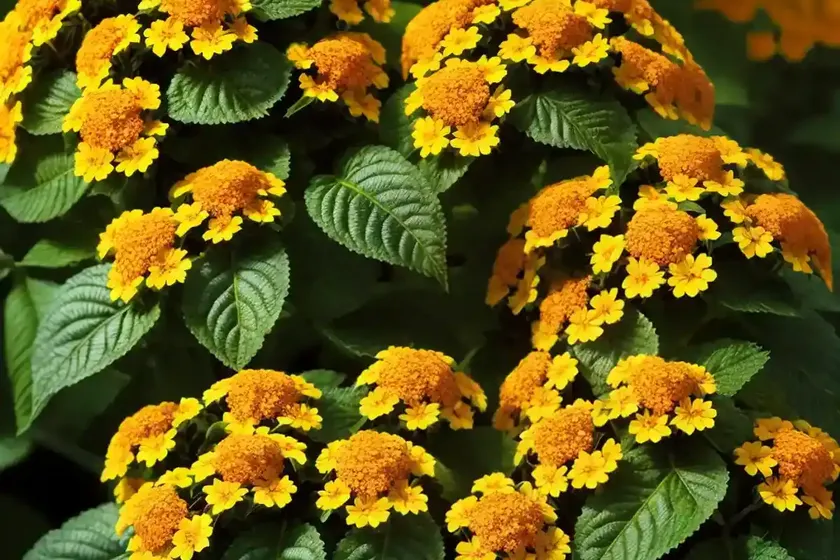
Lantana camara, commonly known as Bigleaf Lantana, is a colorful and popular shrub that has found its way into numerous gardens, thanks to its vibrant and long-lasting blooms. The Landmark™ Citrus variety of Lantana camara is particularly noteworthy for its stunning citrus-colored flowers and its adaptability to different growing conditions.
As a plant scientist, I am excited to share everything you need to know about Lantana camara Landmark™ Citrus, from its culture and uses to its care requirements and common pests and diseases. Whether you are already a fan of this beautiful plant or are considering adding it to your garden, this comprehensive guide will provide you with valuable insights into the world of Bigleaf Lantana.
What is Lantana camara Landmark™ Citrus?
Lantana camara, a member of the Verbenaceae family, is a species of flowering plant native to the American tropics. The Landmark™ Citrus variety is known for its large, citrus-colored flower clusters that attract pollinators such as butterflies and hummingbirds. With its dense foliage and robust growth habits, this cultivar is prized for its ornamental value and ability to thrive in diverse environments.
Key Takeaways – Lantana camara Landmark™ Citrus (Bigleaf Lantana)
Before we delve deeper into the various aspects of Lantana camara Landmark™ Citrus, let’s take a moment to summarize some key points about this captivating plant:
- Plant Name: Lantana camara Landmark™ Citrus (Bigleaf Lantana)
- Common Names: Bigleaf Lantana, Landmark™ Citrus Lantana camara
- Botanical Family: Verbenaceae
- Key Features: Citrus-colored flowers, robust growth, ornamental foliage
- Growing Habits: Adaptable, drought-tolerant, attracts pollinators
Now, let’s explore the culture, uses, and care guidelines for Lantana camara Landmark™ Citrus in detail.
Culture
To truly appreciate the beauty of Lantana camara Landmark™ Citrus, it’s essential to understand its cultural requirements and the environments in which it thrives. Here’s a comprehensive look at the culture of this stunning plant:
Uses
Lantana camara Landmark™ Citrus offers a multitude of uses in various landscaping and gardening applications. From serving as a vibrant border plant to attracting pollinators in butterfly gardens, the versatility of this cultivar is truly remarkable. Some common uses of Lantana camara Landmark™ Citrus include:
- Garden Borders: The dense foliage and vibrant flowers make Lantana camara Landmark™ Citrus an excellent choice for defining garden borders and pathways.
- Butterfly Gardens: The nectar-rich flowers of this Lantana variety attract butterflies, making it a valuable addition to butterfly-friendly gardens.
- Container Gardening: Due to its adaptability to container growth, Lantana camara Landmark™ Citrus can be featured in potted displays on patios and decks.
- Pollinator Attraction: The bright and colorful blooms of this cultivar make it highly attractive to pollinators, including butterflies and hummingbirds.
Now that we’ve explored the various uses of Lantana camara Landmark™ Citrus, let’s delve into the specific cultural requirements for optimal growth and performance.
Water
Lantana camara Landmark™ Citrus is known for its drought-tolerant characteristics, making it well-suited to environments with limited water availability. However, providing adequate water is crucial, especially during the establishment phase and periods of prolonged heat or drought. Here are some key points to keep in mind regarding water requirements:
- Establishment Phase: During the initial planting and establishment phase, regular watering is essential to help the roots develop and anchor the plant securely in the soil.
- Drought Tolerance: Once established, Lantana camara Landmark™ Citrus exhibits remarkable tolerance to dry conditions, reducing the need for frequent irrigation.
- Watering Frequency: While this cultivar can withstand periods of drought, it’s important to monitor soil moisture levels and provide supplemental watering during extended dry spells.
Sunlight
Like many sun-loving plants, Lantana camara Landmark™ Citrus thrives in full sun, where it can bask in the direct rays of the sun for the majority of the day. Adequate sunlight is essential for promoting robust growth and prolific flowering. Here’s what you need to know about sunlight requirements for this cultivar:
- Full Sun Exposure: To ensure the best performance and abundant blooms, plant Lantana camara Landmark™ Citrus in an area that receives at least 6-8 hours of direct sunlight daily.
- Sunlight Intensity: This cultivar is well-adapted to intense sunlight and can withstand the heat of the midday sun, making it an ideal choice for sun-drenched landscapes.
- Shade Tolerance: While Lantana camara Landmark™ Citrus prefers full sun, it can tolerate brief periods of partial shade. However, prolonged shade may lead to reduced flowering and overall vigor.
Fertilizer
Proper fertilization is essential for promoting healthy growth, robust flowering, and overall vitality in Lantana camara Landmark™ Citrus. When providing fertilizer to this cultivar, it’s important to choose products that are well-balanced and tailored to the specific nutritional needs of flowering plants. Here are some key considerations for fertilizing Lantana camara Landmark™ Citrus:
- Balanced Formulation: Select a balanced, slow-release fertilizer that provides essential nutrients without promoting excessive vegetative growth at the expense of flowering.
- Application Frequency: Apply fertilizer to Lantana camara Landmark™ Citrus in early spring, before the onset of active growth, and again in mid-summer to support continuous flowering.
- Nutrient Requirements: Look for fertilizers with a balanced NPK ratio, enriched with micronutrients such as iron and magnesium, to support overall plant health and flower production.
Soil
Lantana camara Landmark™ Citrus is adaptable to a wide range of soil types, provided that the soil is well-draining and moisture-retentive. Understanding the soil preferences of this cultivar is crucial for creating an optimal growing environment. Here’s what you need to know about soil considerations for Lantana camara Landmark™ Citrus:
- Drainage: Ensure that the planting site has well-draining soil to prevent waterlogging, which can lead to root rot and other moisture-related issues.
- Soil pH: Lantana camara Landmark™ Citrus thrives in slightly acidic to slightly alkaline soil, with a pH range of 6.0 to 7.5 being ideal for optimal growth and nutrient uptake.
- Soil Amendments: Incorporating organic matter such as compost or well-rotted manure can improve soil structure and fertility, enhancing the overall health of Lantana camara Landmark™ Citrus.
Pruning
Pruning plays a crucial role in maintaining the form, appearance, and overall health of Lantana camara Landmark™ Citrus. Regular pruning helps remove spent flowers, control size, and promote a bushy, compact growth habit. When pruning this cultivar, consider the following guidelines:
- Deadheading: Remove faded flowers regularly to encourage continuous blooming and prevent the plant from diverting energy into seed production.
- Shape Maintenance: Prune Lantana camara Landmark™ Citrus as needed to maintain a tidy and well-proportioned appearance, especially during the growing season.
- Winter Pruning: In regions where frost occurs, trim back Lantana camara Landmark™ Citrus in late winter or early spring to remove any dead or damaged growth and encourage new growth.
Propagation
Propagating Lantana camara Landmark™ Citrus allows you to expand your collection of this captivating plant and share its beauty with others. Whether you prefer by seed or through cuttings, understanding the proper propagation methods is essential. Here are some key points to consider when propagating Lantana camara Landmark™ Citrus:
- Seed Propagation: Collect ripe seeds from spent flowers and sow them in well-draining, sterile seed-starting mix. Keep the soil evenly moist and provide warmth for successful germination.
- Cutting Propagation: Take softwood or semi-hardwood cuttings from healthy, disease-free stems and root them in a sterile, well-draining propagation medium under controlled conditions.
Container Popularity
Due to its adaptability and ornamental value, Lantana camara Landmark™ Citrus is highly popular for container gardening. Whether featured in patio planters, hanging baskets, or mixed container displays, this cultivar adds a colorful and lively touch to outdoor living spaces. Here’s why Lantana camara Landmark™ Citrus is a hit among container gardeners:
- Versatile Growth: The compact growth habit of Lantana camara Landmark™ Citrus lends itself well to container culture, making it a versatile choice for small urban gardens and balconies.
- Seasonal Displays: This cultivar’s continuous blooming nature allows it to brighten up container gardens throughout the spring, summer, and fall, providing long-lasting visual appeal.
- Pollinator Attraction: Even in containers, Lantana camara Landmark™ Citrus attracts pollinators, adding an interactive and dynamic element to container displays.
Now that we’ve explored the cultural aspects and uses of Lantana camara Landmark™ Citrus, it’s important to address potential challenges, including common diseases and pests that may affect this captivating plant.
Common Diseases
Like many garden plants, Lantana camara Landmark™ Citrus is susceptible to certain diseases, ranging from fungal infections to bacterial issues. Recognizing the symptoms and understanding the preventative measures is crucial for keeping this cultivar healthy and vibrant. Here are some common diseases that may affect Lantana camara Landmark™ Citrus:
- Powdery Mildew: A common fungal disease, powdery mildew appears as a white powdery coating on leaves, often caused by humid or poorly ventilated conditions. To prevent powdery mildew, ensure good air circulation and avoid overhead watering.
- Leaf Spot: Various fungi can cause leaf spot, resulting in dark, irregular spots on the foliage. Prune affected plant parts and apply fungicidal treatments to prevent the spread of leaf spot.
- Root Rot: Excessive soil moisture and poor drainage can lead to root rot, a condition marked by wilted, yellowing foliage and stunted growth. Improve soil drainage and avoid overwatering to prevent root rot.
Disease Diagnosis
When identifying and diagnosing potential diseases affecting Lantana camara Landmark™ Citrus, it’s important to carefully observe the appearance of the plant and note any unusual symptoms. Consulting with a local horticultural extension office or plant health specialist can provide valuable insights and guidance for disease diagnosis.
Common Pests
In addition to diseases, Lantana camara Landmark™ Citrus may also encounter various pests that can affect its growth and overall health. From chewing insects to sap-feeders, understanding the potential pests and implementing integrated pest management strategies is essential. Here are some common pests that may target Lantana camara Landmark™ Citrus:
- Aphids: Small, soft-bodied insects that feed on plant sap and excrete honeydew, leading to distorted growth and attracting sooty mold. Consider natural predators or insecticidal soaps to control aphid populations.
- Whiteflies: Tiny, flying insects that congregate on the undersides of leaves and can cause yellowing and premature leaf drop. Using reflective mulches or introducing natural enemies can help manage whitefly infestations.
- Spider Mites: These minuscule arachnids can cause stippling and webbing on the foliage, leading to reduced photosynthetic efficiency. Regularly spraying the plant with water and applying horticultural oil can help suppress spider mite populations.
Botanist’s Tips
As a plant scientist with a passion for Lantana camara Landmark™ Citrus and its horticultural significance, I’d like to share some valuable tips and insights for cultivating and enjoying this captivating plant:
- Companion Planting: Pair Lantana camara Landmark™ Citrus with other sun-loving, pollinator-friendly plants such as salvias, verbenas, and butterfly bush to create vibrant and beneficial garden ecosystems.
- Seasonal Maintenance: Regularly deadhead spent flowers, monitor for signs of diseases and pests, and maintain a clean and well-groomed appearance to keep Lantana camara Landmark™ Citrus in prime condition.
- Growth Habit Management: Consider combining regular pruning with strategic shaping to encourage a bushy and compact growth habit, enhancing the ornamental appeal of this cultivar.
Fun Facts
To round out our exploration of Lantana camara Landmark™ Citrus, here are some fascinating and fun facts about this stunning plant:
- Fragrant Flowers: Some varieties of Lantana camara, including Landmark™ Citrus, produce pleasantly fragrant flowers that attract a myriad of pollinators, enriching the garden with delightful scents.
- Long-Lasting Blooms: The vibrant flower clusters of Lantana camara Landmark™ Citrus are known for their exceptional staying power, providing continuous color and interest throughout the growing season.
- Global Cultivation: Lantana camara Landmark™ Citrus is widely cultivated not only for its ornamental value but also for its ability to thrive in diverse climates and soil types, making it a popular choice worldwide.
Links to External Resources
For further information and resources related to Lantana camara Landmark™ Citrus, as well as horticultural best practices, plant care guidelines, and gardening inspiration, explore the following external links:
- Lantana camara Landmark™ Citrus – Plant Care and Growing Guide
- Pollinator-Friendly Plants for Butterfly Gardens – Learn and Grow
- Integrated Pest Management for Ornamental Plants – The Complete Guide
With its dazzling citrus-colored flowers, adaptive nature, and pollinator-friendly attributes, Lantana camara Landmark™ Citrus is a perennial favorite among gardeners and landscape enthusiasts. As a plant scientist, my hope is that this comprehensive guide has equipped you with valuable insights and practical knowledge to cultivate and appreciate the beauty of Bigleaf Lantana in all its splendor. Whether used as a border plant, a container centerpiece, or a valuable pollinator magnet, this vibrant cultivar continues to captivate and enrich outdoor spaces with its enduring allure.


