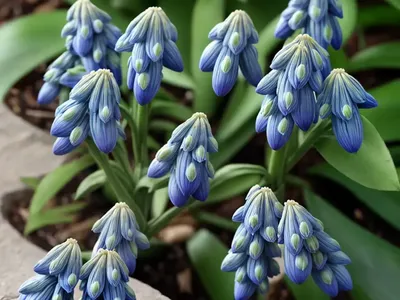
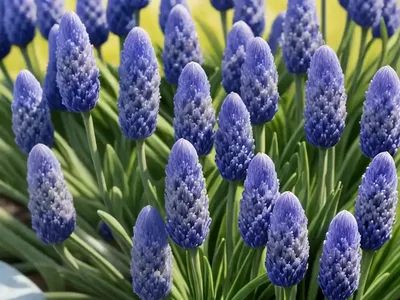
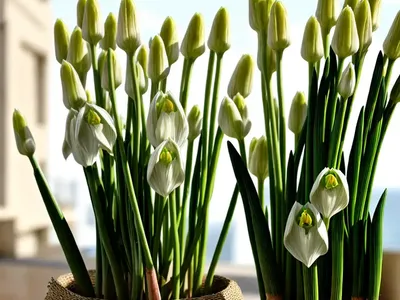
Maianthemum Stellatum (Starry False Lily Of The Valley)
Maianthemum stellatum, commonly known as Starry False Lily of the Valley, is a delightful woodland perennial plant native to North America. It belongs to.
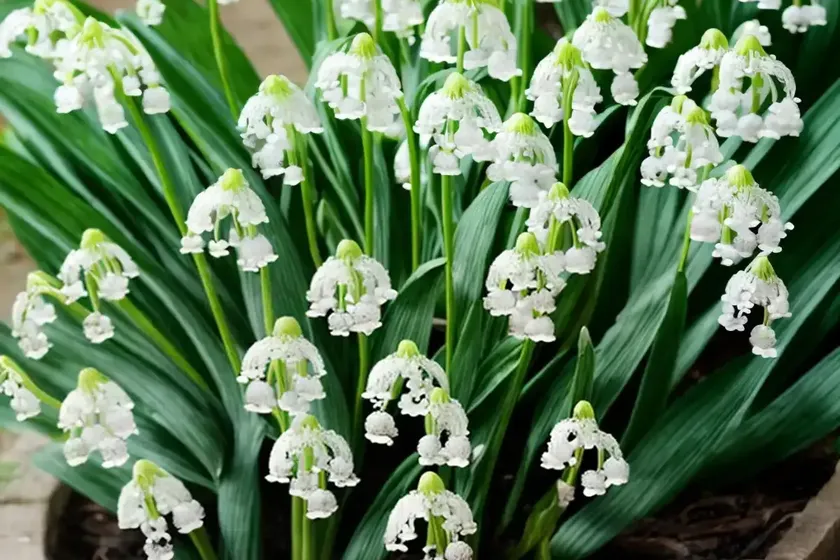
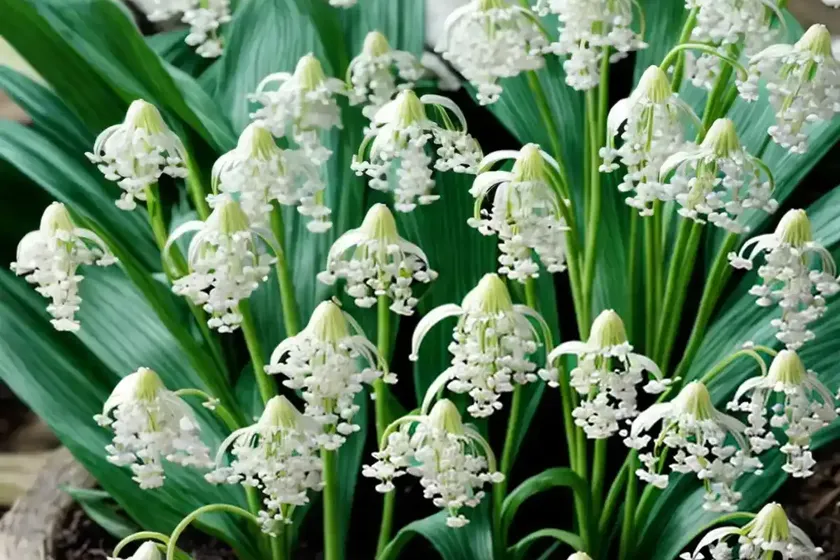
What is Plant?
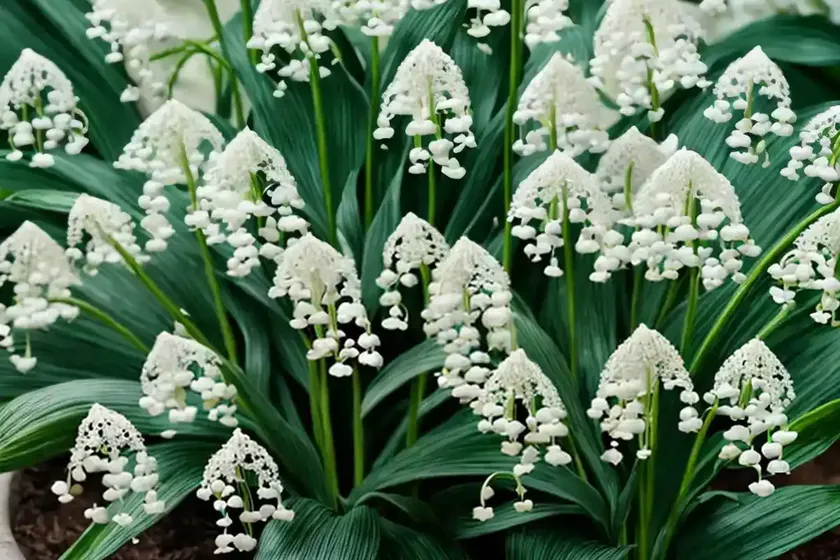
Maianthemum stellatum, commonly known as Starry False Lily of the Valley, is a delightful woodland perennial plant native to North America. It belongs to the Asparagaceae family and is a close relative of the true lilies and has similar rhizomatous growth habits. The plant is admired for its charming and delicate blossoms, making it a favorite among gardeners and nature enthusiasts.
Key Takeaways – Maianthemum stellatum (Starry False Lily of the Valley)
- Scientific Name: Maianthemum stellatum
- Common Name: Starry False Lily of the Valley
- Family: Asparagaceae
- Native Habitat: North America woodlands
- Growth Type: Rhizomatous perennial
- Flower Type: Small, star-shaped, white blooms in clusters
- Foliage: Broad, lance-shaped leaves
- Uses: Ornamental, Medicinal
Culture
The culture of Maianthemum stellatum involves understanding its natural habitat, growing conditions, and its behavior when cultivated in home gardens. This section will delve into the plant’s cultural aspects, providing insights into its preferred environment, care requirements, and its adaptability to various growing conditions.
Habitat
Starry False Lily of the Valley is a woodland plant that thrives in moist, shady environments. In its native North American woodlands, it can be found carpeting the forest floors with its delicate foliage and dainty flowers. The plant is typically found in rich, well-drained soils, often near streams or in damp, shaded areas. Its natural habitat provides crucial insights into the ideal conditions for cultivating Maianthemum stellatum in gardens.
Uses
The uses of Maianthemum stellatum are diverse, ranging from its ornamental value in landscaping to its historical applications in folk medicine. Understanding the various uses of the Starry False Lily of the Valley can provide a comprehensive perspective on its significance and versatility.
Ornamental Use
One of the primary uses of Maianthemum stellatum is its ornamental value as a shade-loving perennial. The plant’s delicate, star-shaped white blossoms and lustrous green foliage make it an enchanting addition to woodland gardens, shaded borders, and naturalistic landscapes. Its ability to thrive in low-light conditions renders it a valuable asset in creating visually appealing and diverse green spaces.
Medicinal Use
In traditional folk medicine, certain Native American tribes utilized the roots and rhizomes of Maianthemum stellatum for various medicinal purposes. The plant was employed to create poultices for treating wounds, as well as an infusion to relieve coughs and certain respiratory ailments. Exploring the historical medicinal uses of the Starry False Lily of the Valley provides insights into its cultural significance and potential therapeutic properties.
Water
Water is an essential factor in the successful cultivation of Maianthemum stellatum. Understanding the plant’s specific water requirements and its sensitivity to moisture levels is crucial for maintaining its health and promoting robust growth.
Water Needs
Starry False Lily of the Valley thrives in consistently moist soil. While the plant requires ample moisture, it is important to avoid waterlogging, as excessive water can lead to root rot and other issues. Adequate drainage is essential to prevent water from pooling around the plant’s rhizomes, ensuring healthy and vigorous growth.
Seasonal Considerations
During the growing season, especially in dry periods, it is important to monitor the moisture levels around Maianthemum stellatum and provide supplemental watering when necessary. Additionally, proper watering practices are essential for newly established plants and those in containers to help them acclimate and establish strong root systems.
Sunlight
Understanding the lighting preferences of Maianthemum stellatum is pivotal for cultivating thriving specimens and ensuring the plant’s optimal development and flowering.
Sun Exposure
As a woodland plant, Starry False Lily of the Valley naturally favors shaded environments with dappled sunlight or partial shade. In its native habitat, the plant thrives under the filtered light of the forest canopy. When cultivated in home gardens, it is crucial to provide the plant with similar conditions to mimic its natural habitat and promote lush, healthy foliage and abundant flowering.
Light Intensity
Exposure to direct sunlight, especially during the hot hours of the day, can be detrimental to Maianthemum stellatum, leading to leaf scorch and reduced vigor. Understanding the ideal light intensity for the plant and providing sufficient shade are key factors for successful cultivation and the overall well-being of Starry False Lily of the Valley.
Fertilizer
Proper fertilization practices play a significant role in promoting the growth, vigor, and flowering of Maianthemum stellatum. Understanding the plant’s nutritional requirements and the appropriate timing for fertilization is essential for supporting its overall health and enhancing its ornamental value.
Nutrient Needs
Starry False Lily of the Valley benefits from a balanced fertilizer with a slightly higher ratio of phosphorus, which promotes flowering and root development. Incorporating a slow-release, organic fertilizer into the soil during the plant’s active growth phase provides essential nutrients to support its vitality and enhances its blooming capacity.
Application Frequency
Applying fertilizer to Maianthemum stellatum in early spring, before the onset of new growth, and again in early summer can help sustain the plant’s nutrient levels and boost its flowering potential. It is important to follow the recommended application rates and avoid excessive fertilization, which can lead to adverse effects on the plant’s growth and overall performance.
Soil
The soil composition and quality significantly influence the growth, health, and overall performance of Maianthemum stellatum. Understanding the plant’s soil preferences and how to create an ideal growing medium is essential for cultivating thriving specimens.
Soil Type
Starry False Lily of the Valley thrives in rich, organic soils with good drainage. The plant’s native woodland habitat offers valuable insights into the type of soil it favors, typically well-drained loam enriched with organic matter. Creating a similar soil environment in home gardens promotes the development of robust root systems and supports the plant’s vitality.
pH Range
The preferred soil pH for Maianthemum stellatum is slightly acidic to neutral, ranging from 5.5 to 7.0. Maintaining the appropriate pH range is crucial for ensuring optimal nutrient uptake and overall physiological balance in the plant. Conducting a soil test and amending the soil as needed can help create an ideal growing medium for Starry False Lily of the Valley.
Pruning
Pruning plays a significant role in maintaining the vigor, shape, and flowering potential of Maianthemum stellatum. Understanding the appropriate pruning techniques and timing is essential for promoting the plant’s overall health and enhancing its ornamental value.
Deadheading
Removing spent blooms and discolored foliage helps maintain the aesthetic appeal of Maianthemum stellatum and prevents the formation of seeds, redirecting the plant’s energy into producing new flowers. Deadheading also contributes to tidier growth and encourages a prolonged blooming period, enhancing the plant’s visual appeal in gardens and landscapes.
Seasonal Pruning
Pruning Maianthemum stellatum in late winter or early spring aids in rejuvenating the plant and removing any damaged or unsightly growth. Trimming back overgrown or crowded stems helps promote air circulation and reduces the risk of disease. Additionally, periodic pruning can help manage the size of the plant and prevent it from encroaching on neighboring specimens in the garden.
Propagation
Understanding the various methods of propagating Maianthemum stellatum is essential for expanding its presence in gardens and landscapes. From division to seed propagation, each technique offers unique benefits and considerations for successfully propagating new plants.
Division
Dividing the rhizomes of mature Maianthemum stellatum plants is a reliable method for propagation. This approach involves carefully separating the rhizomes into sections, each containing viable buds, to be replanted in prepared soil. Division can rejuvenate older plants, create new specimens, and promote the continued presence of Starry False Lily of the Valley in garden settings.
Seed Propagation
While less commonly practiced, propagating Maianthemum stellatum from seeds presents an opportunity to raise new plants and introduce genetic diversity. Collecting ripe seeds from the plant’s berries and sowing them in a suitable propagation medium can yield new seedlings. However, seed propagation typically requires more time and patience compared to division and may result in variable traits among the offspring.
Container Popularity
The compact growth habit and ornamental value of Maianthemum stellatum make it suitable for container cultivation, allowing enthusiasts with limited garden space to enjoy the plant’s charm in various settings.
Container Selection
Choosing the appropriate containers for growing Starry False Lily of the Valley is essential for providing adequate space for its rhizomatous growth and promoting healthy development. Selecting shallow, wide containers with good drainage facilitates optimal growth and helps mimic the plant’s natural environment.
Garden Applications
Container-grown Maianthemum stellatum can be used to adorn shaded patios, balconies, and outdoor living spaces, adding a touch of woodland elegance to urban and suburban settings. Additionally, grouping containers of Starry False Lily of the Valley can create captivating displays and provide flexibility in arranging the plant within diverse garden designs.
Common Diseases
Recognizing the potential diseases that can affect Maianthemum stellatum is crucial for maintaining the plant’s health and implementing timely intervention measures when necessary. From fungal infections to physiological disorders, understanding the symptoms and management practices for common diseases is essential for cultivating robust and disease-resistant specimens.
Fungal Pathogens
Maianthemum stellatum may be susceptible to certain fungal diseases, such as powdery mildew and leaf spot. Powdery mildew manifests as a white, powdery coating on the plant’s foliage, while leaf spot causes the development of dark, irregular spots on the leaves. Providing adequate airflow, avoiding overhead watering, and applying appropriate fungicidal treatments can help manage fungal pathogens and prevent extensive damage to the plant.
Physiological Disorders
Certain physiological disorders, such as root rot and crown rot, can occur in Maianthemum stellatum when exposed to prolonged periods of excessive moisture and poor drainage. Implementing proper watering practices, improving soil drainage, and ensuring the overall health of the plant can help mitigate the risk of physiological issues and promote a resilient and vibrant specimen.
Pests
While generally resilient, Maianthemum stellatum may occasionally encounter pest infestations that can impact its growth and ornamental value. Recognizing the common pests that may affect the plant and implementing appropriate pest management techniques is essential for preserving its health and vitality.
Aphids
Aphids are among the potential pests that can affect Maianthemum stellatum, particularly during periods of new growth and flowering. These tiny, sap-sucking insects can cluster on the plant’s stems and leaves, causing distortion and discoloration. Implementing natural predators, such as ladybugs, or using insecticidal soap can help manage aphid populations and prevent significant damage to the plant.
Slugs and Snails
In moist, shaded environments, slugs and snails may pose a threat to Maianthemum stellatum, feeding on its tender foliage and causing unsightly damage. Creating barriers, such as copper tape, and removing potential hiding spots can help deter these pests and protect the plant from feeding damage. Additionally, employing organic slug and snail control methods can help manage infestations effectively.
Botanist’s Tips
Drawing from botanical insights and practical experience, several tips can enhance the cultivation and appreciation of Maianthemum stellatum. These tips encompass various aspects of caring for the plant, from selecting companion species to creating ornamental arrangements.
Companion Planting
Integrating Maianthemum stellatum with compatible woodland plants, such as ferns, hostas, and native wildflowers, can create visually dynamic and ecologically supportive garden compositions. Selecting companion species that share similar cultural requirements and complement the delicate beauty of Starry False Lily of the Valley can enrich garden settings and promote biodiversity.
Ornamental Arrangements
Incorporating the lustrous foliage and delicate blooms of Maianthemum stellatum in floral arrangements and seasonal displays can accentuate its visual appeal and infuse indoor spaces with natural charm. The plant’s elegant, star-shaped flowers and versatile foliage make it suitable for creating enchanting arrangements that celebrate the beauty of the woodland flora.
Fun Facts
Uncovering intriguing and lesser-known facts about Maianthemum stellatum adds depth to the appreciation of this native woodland plant, enriching the cultural and horticultural narratives surrounding its presence in gardens and natural landscapes.
Mythological Associations
In certain Native American cultures, Maianthemum stellatum is associated with symbolism and mythological significance, representing elements of nature and embodying unique stories and traditions. Exploring the plant’s mythological associations offers a glimpse into its cultural relevance and the intricate narratives woven into its presence within various indigenous societies.
Ecological Importance
As a native woodland species, Maianthemum stellatum plays a vital role in the ecological dynamics of its natural habitat, contributing to the diversity of plant communities and providing essential habitat and food sources for local wildlife. Recognizing the ecological importance of the plant fosters a deeper understanding of its contributions to native ecosystems and the broader conservation efforts for woodland flora.
Links to External Resources
To delve deeper into the world of Maianthemum stellatum and expand the knowledge base on its cultivation, natural history, and ecological significance, the following external resources provide valuable insights and perspectives:
1. Wildflower Organization – Maianthemum stellatum
2. USDA – Plants Database: Maianthemum stellatum
3. North Carolina Extension Gardener Plant Toolbox: Maianthemum stellatum
4. Wisconsin State Herbarium: Maianthemum stellatum
5. Illinois Wildflowers – Maianthemum stellatum
Cultivating Maianthemum stellatum, the enchanting Starry False Lily of the Valley, offers a captivating journey into the realm of native woodland plants and their inherent beauty and ecological significance. Embracing the plant’s cultural heritage, ornamental value, and ecological contributions enriches the horticultural experience and fosters a deeper connection to the natural world and its diverse botanical treasures.