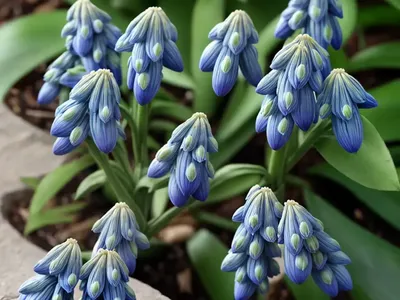
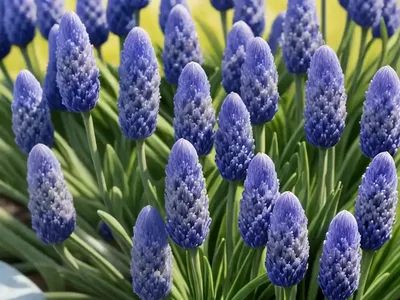
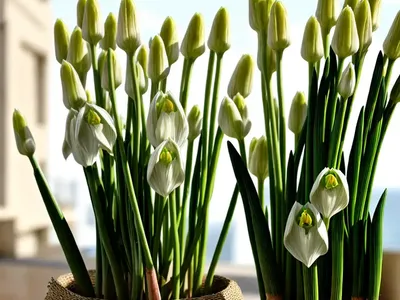
Maianthemum Canadense (Canada Mayflower)
Maianthemum canadense, commonly known as Canada Mayflower, is a captivating native plant that holds immense ecological significance and cultural value..
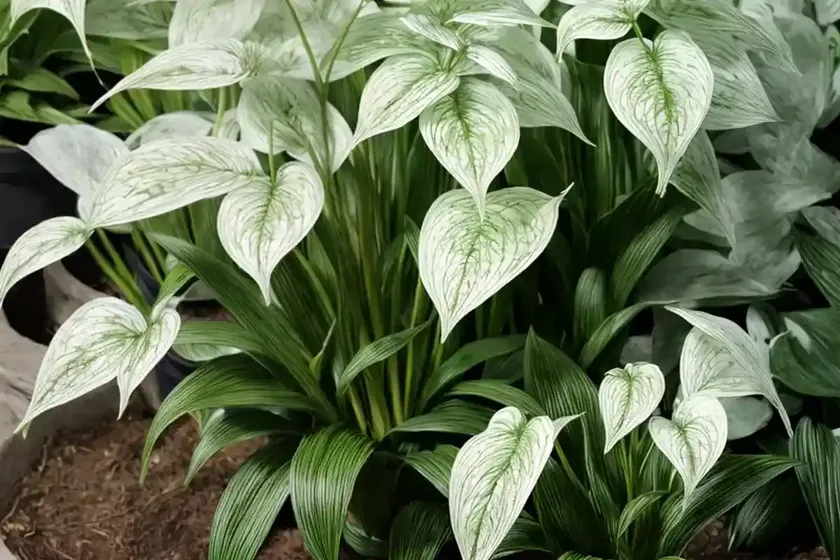
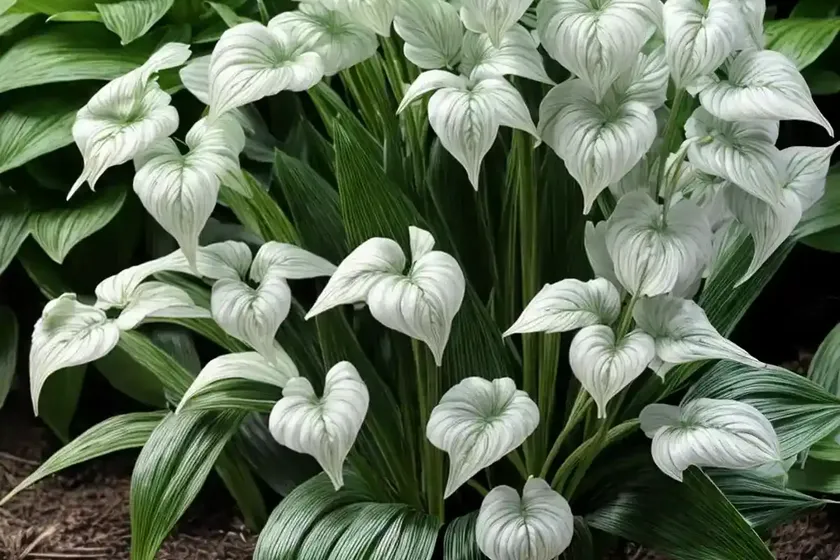
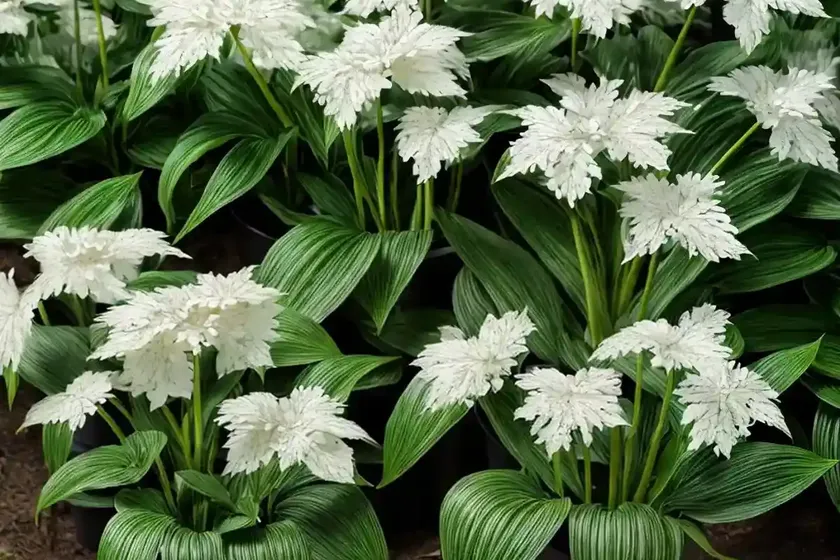
Maianthemum canadense, commonly known as Canada Mayflower, is a captivating native plant that holds immense ecological significance and cultural value. This resilient species is a vital component of Canada’s natural landscapes, contributing to biodiversity and serving as an essential habitat for wildlife. In this comprehensive guide, we delve into the various facets of Maianthemum canadense, encompassing its cultural uses, habitat requirements, gardening tips, and much more.
What is Maianthemum canadense (Canada Mayflower)?
Maianthemum canadense, a member of the Asparagaceae family, is a perennial herbaceous plant that is indigenous to North America. This species is widely distributed across diverse habitats, ranging from woodlands and forests to wetlands and meadows. The Canada Mayflower plant is characterized by its delicate white flowers, which bloom in spring and emit a fragrant, sweet scent. The plant’s leaves are vibrant green and display an attractive alternate arrangement, adding to its ornamental appeal.
The Canada Mayflower holds a revered status in indigenous folklore and traditional medicine, where it is valued for its medicinal properties and spiritual symbolism. Additionally, this plant plays a crucial role in the ecological balance of its native habitats, supporting a myriad of animal species and contributing to the overall biodiversity of the region.
Key Takeaways – Maianthemum canadense (Canada Mayflower)
Before delving into the specific aspects of Maianthemum canadense, let’s explore the key takeaways of this remarkable plant:
- Native Habitat: Thrives in woodlands, forests, wetlands, and meadows across North America
- Cultural Significance: Holds cultural and medicinal value in indigenous traditions; revered for its symbolism
- Wildlife Support: Supports diverse wildlife species through its ecological interactions and plant morphology
- Ornamental Appeal: Features delicate white flowers and vibrant green leaves, making it an attractive addition to gardens
- Conservation Efforts: Draws attention to conservation initiatives due to its ecological significance and endangered status in certain regions
Now, let’s delve into the specific aspects of Maianthemum canadense, covering its culture, uses, habitat preferences, and more.
Culture
The Canada Mayflower, with its rich cultural history and traditional uses, holds a special place in the hearts of many indigenous communities. Across generations, the plant has been revered for its significance in folklore, spirituality, and traditional medicine. The intricate white flowers of the Canada Mayflower have been a symbol of purity and hope in various cultural narratives, often embodying the beauty of the natural world.
Uses
This plant has a range of uses, including medicinal, culinary, and ceremonial applications:
- Medicinal: In traditional medicine, the Canada Mayflower has been utilized to treat various ailments, including fevers, digestive issues, and skin conditions. The rhizomes and leaves contain compounds with potential therapeutic properties.
- Culinary: While not commonly used in modern culinary practices, the young shoots and leaves of the Canada Mayflower were historically consumed by indigenous communities, providing a source of nutrition in times of scarcity.
- Ceremonial: Due to its symbolic significance, the Canada Mayflower has been incorporated into ceremonial practices and rituals, symbolizing purity, renewal, and the interconnectedness of all living beings.
Habitat Requirements
Understanding the specific habitat requirements of Maianthemum canadense is crucial for its successful cultivation and conservation efforts. This species exhibits preferences for certain environmental conditions, which are essential for promoting its growth and maintaining its health.
Water
The Canada Mayflower thrives in moist, well-drained soils, making it an ideal choice for woodland gardens and shaded landscapes. Adequate soil moisture, especially during the growing season, is vital for promoting healthy foliage and flower production.
Sunlight
As a shade-tolerant plant, Maianthemum canadense prefers partial to full shade conditions. It naturally thrives under the dappled light of forest canopies, making it a suitable addition to shaded garden beds and woodland areas.
Fertilizer
In its natural habitat, the Canada Mayflower derives essential nutrients from the organic matter present in forest soils. When cultivating this species in garden settings, minimal fertilization is recommended, as excessive nutrients can be detrimental to its growth. Organic mulches can be used to simulate the natural forest floor environment and provide slow-release nutrients over time.
Soil
The ideal soil for Maianthemum canadense is humus-rich, well-draining, and slightly acidic. It is well-adapted to loamy soils with ample organic matter, mimicking the forest floor conditions where it thrives in the wild.
Pruning
Pruning requirements for the Canada Mayflower are minimal, primarily focusing on the removal of dead or damaged foliage to promote the plant’s overall health and appearance. As a woodland species, Maianthemum canadense benefits from a natural, unmanicured aesthetic, requiring minimal intervention from gardeners.
Propagation
Propagating Maianthemum canadense can be achieved through various methods, including division, seed sowing, and rhizome cuttings. Each technique offers unique advantages and considerations, allowing for the expansion of Canada Mayflower populations in both natural and cultivated settings.
- Division: Dividing established clumps of Canada Mayflower allows for the rapid multiplication of plants. This method is best performed in early spring or late fall when the plant is dormant.
- Seed Sowing: Collecting and germinating Canada Mayflower seeds can be a rewarding way to propagate this species. Stratifying the seeds prior to sowing can enhance germination rates.
- Rhizome Cuttings: Extracting and planting rhizome cuttings can yield new Canada Mayflower plants, especially when aiming to establish populations in specific garden areas.
Container Popularity
Due to its shade tolerance and ornamental appeal, Maianthemum canadense is increasingly popular for container gardening, particularly in shaded urban spaces and balconies. When selecting containers for this plant, it is essential to prioritize adequate drainage and moisture retention, replicating the preferred soil conditions of the Canada Mayflower.
Container Common Diseases
While the Canada Mayflower is relatively resistant to diseases, certain common issues can arise when cultivating this species in containers. Monitoring for the following diseases can help maintain plant health and vitality:
- Fungal Diseases: Excessive moisture and poor air circulation can lead to fungal infections, including powdery mildew and leaf spot diseases. Proper watering practices and adequate spacing between containers can mitigate these issues.
Disease Diagnosis
Diagnosing potential diseases in Maianthemum canadense involves careful observation of the plant’s foliage, stems, and overall vigor. Common symptoms of disease in the Canada Mayflower may include leaf discoloration, wilting, and abnormal growth patterns. A thorough assessment of plant health can aid in early disease detection and appropriate intervention.
Common Pests
While relatively resilient, the Canada Mayflower can be susceptible to certain pests that may impact its growth and vitality. Vigilant monitoring and prompt intervention can help mitigate potential pest infestations.
- Deer: In woodland settings and naturalized landscapes, deer browsing can pose a threat to Canada Mayflower populations. Implementing deer-resistant gardening strategies and physical barriers can safeguard the plants from browsing damage.
- Slugs and Snails: These common garden pests may feed on the foliage of Maianthemum canadense, particularly in moist, shaded environments. Non-toxic slug and snail control measures, such as organic baits and physical barriers, can effectively manage infestations.
Botanist’s Tips
For those seeking to cultivate Maianthemum canadense in garden settings or naturalized landscapes, the following tips from botanists and horticulturists can guide successful plant care and conservation efforts:
- Site Selection: Choose shaded, moist locations with well-drained, humus-rich soil for optimal growth and naturalization of Canada Mayflower.
- Native Plant Landscaping: Incorporate the Canada Mayflower into native plant landscaping projects, promoting biodiversity and enhancing wildlife habitat.
- Wildlife Observations: Observe and document the interactions of wildlife with Maianthemum canadense, highlighting its ecological significance and role in supporting local biodiversity.
- Conservation Advocacy: Raise awareness about the ecological value of Canada Mayflower and advocate for its conservation in natural habitats and urban green spaces.
Fun Facts
The Canada Mayflower, steeped in cultural significance and ecological importance, presents several intriguing and lesser-known facts:
- Across indigenous cultures, the Canada Mayflower holds diverse symbolic meanings, often representing concepts of renewal, endurance, and interconnectedness with nature.
- The plant’s rhizomes, while celebrated for their medicinal properties, contain compounds that have been studied for their potential pharmacological applications, contributing to ongoing research in natural medicine and ethnobotany.
- Maianthemum canadense’s wildlife value extends beyond its floral beauty, as it serves as a valuable food source for certain insect species and small mammals, further emphasizing its ecological role.
Links to External Resources
For further exploration of Maianthemum canadense and its diverse aspects, the following external resources offer valuable insights and information:
- Native Plant Landscaping Guide
- Ethnobotany and Traditional Plant Uses
- Wildlife Habitat Conservation Strategies
Conclusion
The Canada Mayflower, with its intricate beauty, cultural significance, and ecological contributions, stands as a testament to the diverse and profound roles of native plants in our natural world. By understanding and celebrating the unique characteristics of Maianthemum canadense, we can promote its conservation, advocate for its inclusion in sustainable landscapes, and honor the rich legacy it embodies within indigenous traditions and ecological systems.
Incorporating the Canada Mayflower into garden designs and urban green spaces not only enhances the visual appeal of our surroundings but also serves as a beacon of ecological stewardship, fostering connections between people, plants, and wildlife. Through continued conservation efforts and thoughtful cultivation practices, we can support the enduring presence of Maianthemum canadense, ensuring its legacy thrives for generations to come.
As we embrace the cultural heritage and ecological significance of the Canada Mayflower, we are reminded of the invaluable contributions of native plants to our communities, ecosystems, and collective well-being. Let us join together in celebrating and preserving the remarkable story of Maianthemum canadense, a plant deeply rooted in the landscapes and narratives of Canada and beyond.