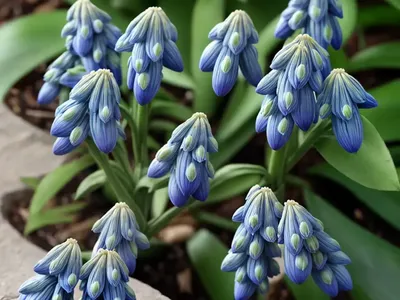
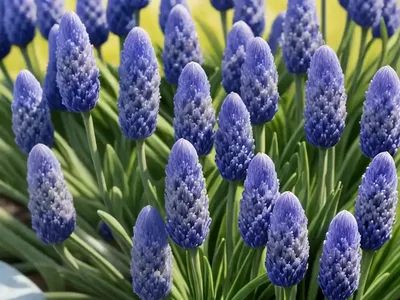
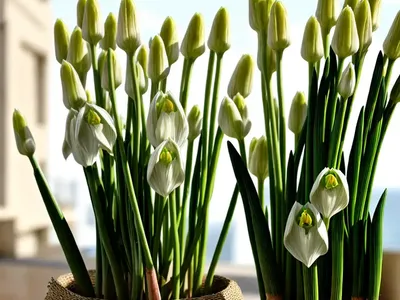
Maianthemum Bifolium (False Lily Of The Valley)
Maianthemum bifolium, commonly known as False Lily of the Valley, is a delicate and graceful perennial plant that belongs to the Asparagaceae family. It is.
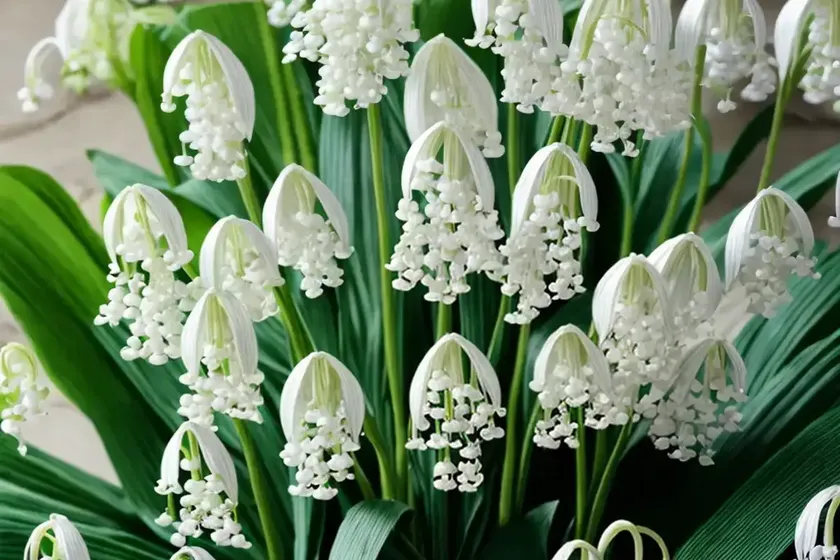
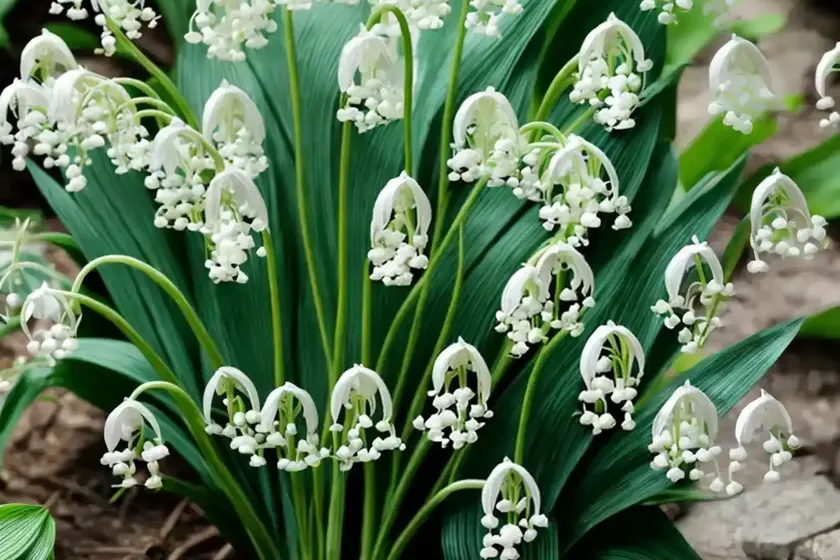
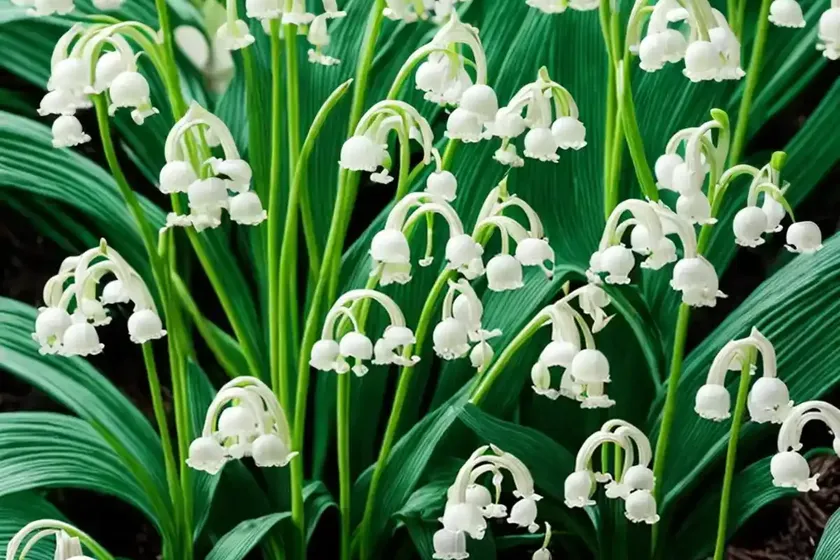
Maianthemum bifolium, commonly known as False Lily of the Valley, is a delicate and graceful perennial plant that belongs to the Asparagaceae family. It is native to various parts of Europe and Asia, where it is primarily found in shady woodlands, hedgerows, and along woodland margins.
This article will delve into the various aspects of Maianthemum bifolium, including its description, habitat, uses, care requirements, and interesting facts. Whether you are a seasoned gardener or just starting with your green thumb, this comprehensive guide will provide you with all the information you need to successfully cultivate and appreciate this enchanting plant.
Description of Maianthemum Bifolium
Maianthemum bifolium is a dainty plant characterized by its elegant, elongated leaves and dainty, lily-of-the-valley-like flowers. It typically reaches a height of 15-20 cm (6-8 inches) and forms spreading colonies over time. The plant produces delicate, white, star-shaped blossoms in spring that are beautifully fragrant and attract pollinators like bees and butterflies.
Key Characteristics of Maianthemum Bifolium
- Scientific Name: Maianthemum bifolium
- Common Name: False Lily of the Valley
- Family: Asparagaceae
- Height: 15-20 cm (6-8 inches)
- Flower Color: White
- Fragrance: Sweet, reminiscent of lily of the valley
- Flowering Season: Spring
Habitat of Maianthemum Bifolium
False Lily of the Valley is typically found in shady or woodland environments, thriving in moist, well-drained soils with ample organic matter. It can be spotted in various habitats, including deciduous woodlands, hedgerows, and along stream banks. When cultivated in gardens, Maianthemum bifolium thrives under dappled shade and a cool, moist microclimate.
Uses of Maianthemum Bifolium
Garden Ornamentation
The delicate, graceful appearance of Maianthemum bifolium makes it a popular choice for shaded gardens, where it can be used to add a touch of elegance and whimsy to woodland-themed landscapes.
Medicinal Purposes
In traditional herbal medicine, various parts of the plant have been used to treat ailments such as headaches and rheumatism. However, it is important to note that the plant’s medicinal uses should be approached with caution and under the guidance of a qualified herbalist or healthcare professional.
Floral Arrangements
The charming, fragrant blooms of False Lily of the Valley make it an excellent candidate for fresh floral arrangements and bouquets, especially for spring-themed displays.
Wildlife Attraction
The nectar-rich flowers of Maianthemum bifolium attract pollinators, making it a valuable addition to wildlife-friendly gardens.
Cultivation of Maianthemum Bifolium
Water
- Natural Habitat: In its native environment, Maianthemum bifolium prefers consistently moist soils, especially during the growing season. Adequate watering is crucial, especially in dry periods.
- Garden Cultivation: When grown in gardens, it is important to mimic the moist, well-drained soil conditions found in its natural habitat. Regular watering, particularly during periods of prolonged dryness, is essential for the plant’s health and vigor.
Sunlight
- Natural Habitat: False Lily of the Valley typically thrives in shaded or partially shaded areas in its native woodland environment. It is accustomed to dappled sunlight and indirect light.
- Garden Cultivation: In garden settings, it is best to plant Maianthemum bifolium in areas with partial shade to full shade. Excessive exposure to direct sunlight can lead to leaf scorch and reduced vigor.
Fertilizer
- Natural Habitat: In its natural woodland habitat, False Lily of the Valley benefits from the organic matter and nutrients present in the forest floor.
- Garden Cultivation: When cultivated in gardens, it is recommended to amend the soil with organic matter such as compost or well-rotted manure to provide essential nutrients. Additionally, a balanced, slow-release fertilizer can be applied in spring to support healthy growth and abundant flowering.
Soil
- Natural Habitat: Maianthemum bifolium thrives in humus-rich, well-drained soils in its native woodland habitat.
- Garden Cultivation: When growing False Lily of the Valley in gardens, it is important to provide well-drained, slightly acidic to neutral soil. Amending the planting area with organic matter can improve the soil structure and fertility, creating an environment conducive to the plant’s growth and development.
Pruning
- Natural Habitat: In its natural habitat, Maianthemum bifolium does not require significant pruning, as it typically maintains a tidy growth habit.
- Garden Cultivation: Minor maintenance pruning, such as removing spent flower stalks, can help to promote a neat appearance and prevent self-seeding in garden settings.
Propagation
- Division: False Lily of the Valley can be propagated through division, with each division having at least one healthy rhizome and a portion of the root system. Fall or early spring is an ideal time for dividing and transplanting the plant.
- Seed Propagation: While less commonly used, Maianthemum bifolium can also be propagated from seeds. However, this method requires patience, as the seeds may take some time to germinate and establish.
Container Popularity
- False Lily of the Valley is a popular choice for container gardening in shaded patios, balconies, and outdoor living spaces. Its compact size and graceful appearance make it an attractive addition to container arrangements, particularly in combination with other shade-loving plants like ferns and hostas.
Common Diseases
- Leaf Spot: In conditions of high humidity or excessive moisture, False Lily of the Valley may be susceptible to fungal leaf spot diseases. Proper sanitation and ensuring good air circulation around the plants can help prevent and manage this issue.
- Root Rot: Prolonged periods of waterlogging can lead to root rot in Maianthemum bifolium. Planting in well-draining soil and avoiding overwatering are essential for preventing this disease.
Disease Diagnosis
When diagnosing potential diseases in Maianthemum bifolium, it is important to observe the plant for symptoms such as leaf spots, wilting, or yellowing foliage. Additionally, checking the soil moisture levels and assessing environmental conditions can provide insights into the potential causes of distress.
Common Pests
- Slugs and Snails: These soft-bodied pests can feed on the foliage of False Lily of the Valley, particularly in moist, shaded areas. Physical barriers, organic pest control methods, and handpicking can help manage slug and snail populations in the garden.
- Aphids: Occasionally, aphids may infest the tender new growth of Maianthemum bifolium. Neem oil or insecticidal soap can be used to control aphid populations without harming beneficial insects.
Botanist’s Tips for Growing False Lily of the Valley
- Provide Adequate Moisture: Ensuring consistent moisture, especially during the growing season, is crucial for the health and vigor of Maianthemum bifolium. Mulching can help retain soil moisture and regulate soil temperature.
- Choose the Right Planting Site: Select a shaded or partially shaded area with well-drained, humus-rich soil to create an environment that closely mimics the plant’s natural woodland habitat.
- Regular Monitoring: Keep an eye on the plant for signs of stress, pest infestations, or diseases. Early intervention can prevent issues from escalating and promote the plant’s overall well-being.
Fun Facts about Maianthemum Bifolium
- The plant’s specific epithet, “bifolium,” is derived from the Latin words “bis” meaning “twice” and “folium” meaning “leaf,” alluding to the plant’s characteristic paired leaves.
- In some regions, Maianthemum bifolium is also known as “May lily” due to its blooming period in the month of May.
As a plant scientist, it is always fascinating to unravel the intricate details and nuances of plant species, and Maianthemum bifolium certainly captivates with its delicate beauty and enchanting presence in shaded woodlands and gardens.
For further in-depth information and resources on Maianthemum bifolium, the following links provide valuable insights and guidance:
– Royal Horticultural Society – Maianthemum bifolium
– Missouri Botanical Garden – False Lily of the Valley
– University of Wisconsin-Madison Extension – Growing False Lily of the Valley