Mahonia Repens (Creeping Mahonia)
Mahonia repens, commonly known as creeping mahonia, is a low-growing evergreen shrub that belongs to the Berberidaceae family. This species is native to.
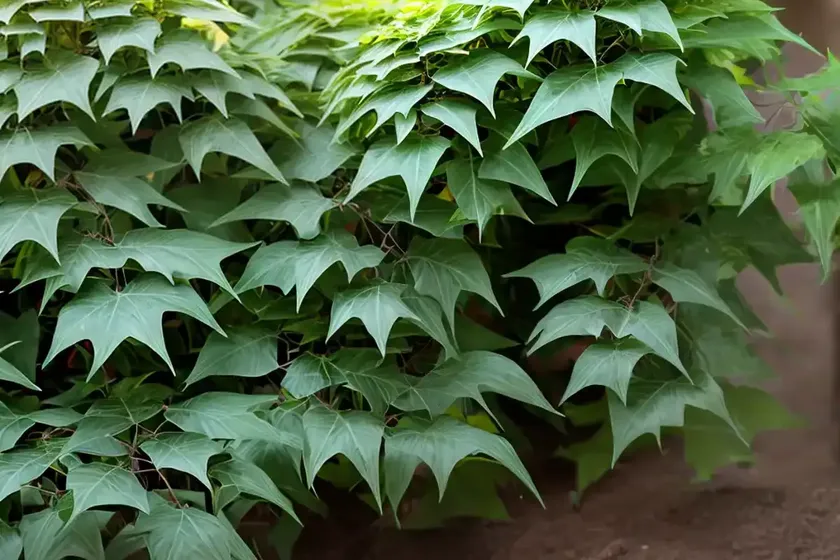
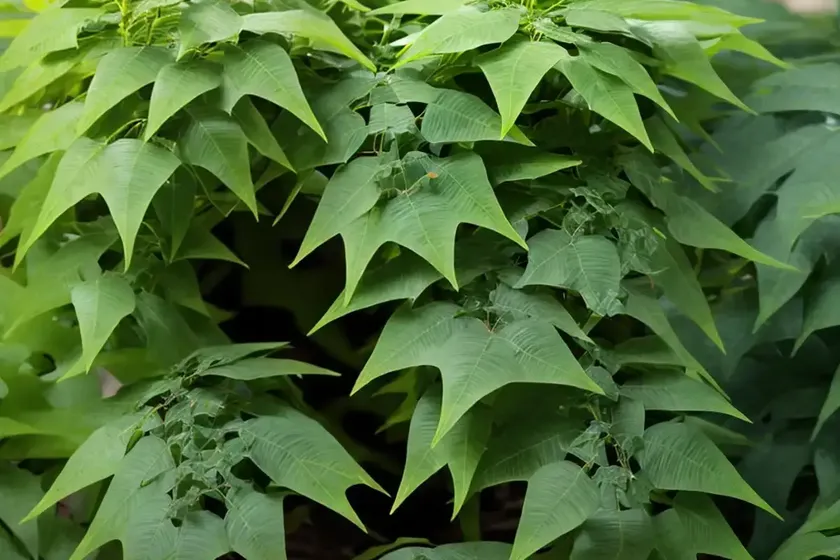
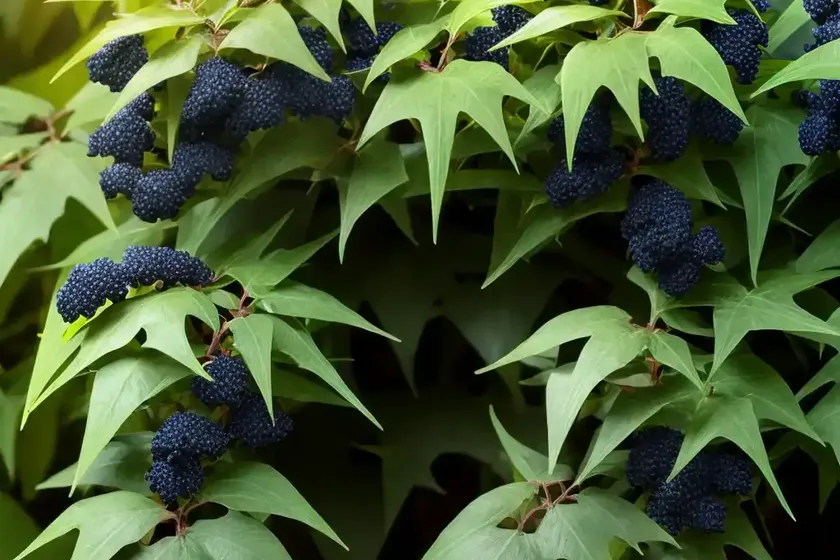
Mahonia repens, commonly known as creeping mahonia, is a low-growing evergreen shrub that belongs to the Berberidaceae family. This species is native to the western United States and is known for its adaptability to various environmental conditions, making it a popular choice for landscaping and ground cover. In this comprehensive guide, we will explore the characteristics, features, care, landscaping ideas, and more aspects of Mahonia repens, shedding light on its significance as a versatile and resilient plant.
What is Mahonia repens (Creeping Mahonia)?
Mahonia repens Characteristics
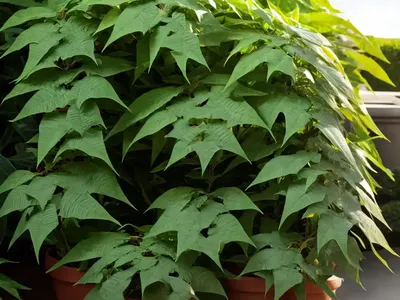
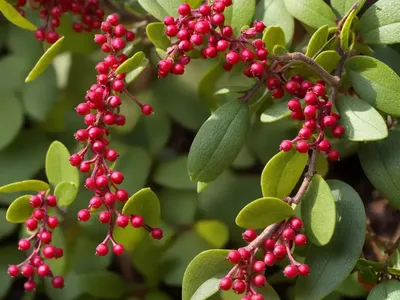
Mahonia repens is a low-growing, spreading shrub that typically reaches a height of 1 to 2 feet and can spread up to 3 to 6 feet. Its growth habit is compact and dense, with leathery, spiny leaves that are arranged in attractive rosettes. This species produces striking yellow flowers in early spring, which develop into clusters of blue-purple, grape-like berries that persist through summer and fall. The foliage of Mahonia repens exhibits an appealing glossy, dark green color, adding visual interest to its surroundings throughout the year.
Creeping Mahonia Features
One of the distinctive features of creeping mahonia is its ability to form a dense, weed-suppressing ground cover. Its low-growing, creeping nature makes it an excellent choice for adding texture and visual contrast to gardens and landscapes. The evergreen foliage and colorful berries further enhance its ornamental value, making it a sought-after plant for beautifying outdoor spaces.
Key Takeaways – Mahonia repens (Creeping Mahonia)
- Mahonia repens, also known as creeping mahonia, is a low-growing evergreen shrub native to the western United States.
- It features compact, dense growth habit, leathery spiny leaves, yellow spring flowers, and blue-purple berries.
- Creeping mahonia is valued for its ground cover capabilities, providing weed suppression and ornamental appeal.
- This species is adaptable and resilient, making it suitable for a wide range of landscaping applications.
Mahonia repens Growth Habits
Understanding the growth habits of Mahonia repens is crucial for successful cultivation and landscape integration.
Creeping Mahonia Plant Care
- Water: Creeping mahonia is relatively tolerant of drought conditions once established. However, it benefits from regular watering, especially during dry spells, to promote healthy growth and flowering.
- Sunlight: This plant thrives in partial to full shade, making it an excellent choice for shaded or woodland areas. It can tolerate some morning sun but generally prefers protection from intense afternoon sunlight.
- Fertilizer: A balanced, slow-release fertilizer applied in spring can support the growth and vigor of creeping mahonia. Be sure to follow package instructions for application rates.
- Soil: Well-draining, slightly acidic soil is ideal for Mahonia repens. Amending the soil with organic matter can enhance its moisture retention and fertility, contributing to the plant’s overall health.
- Pruning: Light pruning in late winter or early spring can help maintain the desired shape and size of creeping mahonia. Remove any dead or damaged branches to encourage new growth and prevent disease spread.
Mahonia repens Landscaping Ideas
- Ground Cover: Creeping mahonia is an excellent choice for ground cover due to its spreading growth habit and dense foliage. It can effectively suppress weeds and fill in bare areas, creating a lush carpet of greenery.
- Garden Design: Incorporate Mahonia repens into woodland gardens, shaded borders, or naturalistic landscapes to add textural interest and year-round color.
- Pathway Edging: Its low-growing nature makes creeping mahonia an attractive option for edging pathways or walkways, providing a neat and visually appealing border.
Mahonia repens Uses in Garden
- Border Plantings: Utilize creeping mahonia as a border plant to define garden beds or demarcate different landscaping zones.
- Erosion Control: Its dense mat-forming growth habit makes Mahonia repens effective for preventing soil erosion on slopes or embankments.
- Wildlife Habitat: The berries of this species offer a food source for birds and wildlife, enhancing the ecological value of the garden.
Creeping Mahonia Maintenance
Maintaining Mahonia repens involves simple yet essential tasks to ensure its health and vitality.
- Disease Resistance: Creeping mahonia exhibits good disease resistance under favorable growing conditions. However, providing proper air circulation and avoiding overhead watering can help mitigate disease risks.
- Pest Control: This species is generally resistant to pests, but occasional monitoring for aphids, scale insects, or spider mites is advisable. Insecticidal soaps or horticultural oils can be used for targeted pest control if necessary.
Mahonia repens Propagation Methods
Propagating Mahonia repens can be achieved through several methods, allowing gardeners to expand their plantings.
- Division: Propagate creeping mahonia through division in early spring or fall. Carefully separate and transplant established clumps to create new plants.
- Seeds: Collect and sow ripe Mahonia repens seeds in a prepared seedbed or container, following standard seed-starting practices.
Creeping Mahonia Pruning Techniques
Pruning is beneficial for maintaining the shape, health, and appearance of Mahonia repens.
- Timing: Conduct light pruning in late winter or early spring before the onset of new growth.
- Method: Remove any dead, damaged, or overgrown branches using clean, sharp pruning shears. Aim to enhance the plant’s natural form while removing any unsightly or congested growth.
Mahonia repens Soil Requirements
Suitable soil conditions are essential for supporting the growth and development of Mahonia repens.
- Drainage: Well-draining soil is crucial for preventing waterlogged conditions, which can be detrimental to the plant’s roots.
- Acidity: A slightly acidic soil pH in the range of 5.0 to 6.5 is preferred by creeping mahonia. Amending the soil with organic matter can help maintain an optimal pH level.
Creeping Mahonia Sun Exposure
Understanding the sun exposure preferences of Mahonia repens is essential for successful cultivation and landscaping.
- Shade Tolerance: Creeping mahonia thrives in partial to full shade and is well-suited for shaded garden areas or woodland settings.
- Protection: While it can tolerate some morning sun, this species generally benefits from protection against intense afternoon sunlight.
Mahonia repens Water Needs
Proper watering practices are essential for promoting the health and vitality of Mahonia repens.
- Regular Watering: Provide regular watering, especially during dry periods, to support the establishment and growth of creeping mahonia.
- Drought Tolerance: Once established, this species exhibits good tolerance to drought conditions. However, consistent moisture is beneficial for optimal growth and flowering.
Creeping Mahonia Winter Hardiness
Mahonia repens displays good winter hardiness, making it suitable for regions with cold and snowy winters.
- Cold Tolerance: This species is hardy in USDA Hardiness Zones 5 to 9, where it can withstand low temperatures and winter frost.
- Winter Protection: While generally hardy, providing a layer of mulch around the base of the plant can offer additional protection during harsh winter conditions.
Mahonia repens Foliage Colors
The foliage of creeping mahonia contributes to its ornamental value, offering year-round visual interest.
- Glossy Green: The leathery, spiny leaves of Mahonia repens feature a glossy, dark green color, adding texture and vibrancy to the landscape.
- Seasonal Changes: While evergreen, the foliage may exhibit slight color variations seasonally, contributing to the plant’s dynamic appearance.
Creeping Mahonia Flower Characteristics
The flowers of Mahonia repens are a delightful feature that adds seasonal color and charm to outdoor spaces.
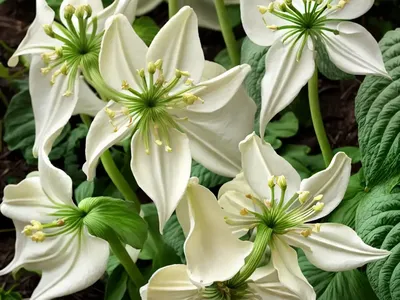
- Spring Bloom: In early spring, clusters of bright yellow flowers adorn the plant, providing a cheerful and eye-catching display.
- Attractive Contrast: The vibrant yellow blooms against the backdrop of the dark green foliage create a striking visual contrast.
Mahonia repens Medicinal Properties
Several species of Mahonia, including Mahonia aquifolium, are known for their medicinal properties. The leaves and roots contain compounds with potential therapeutic benefits, including anti-inflammatory and antibacterial properties. While the medicinal use of Mahonia repens may not be as well-documented as other species within the genus, its botanical relatives are recognized for their medicinal value.
Creeping Mahonia Wildlife Attraction
The berries of Mahonia repens serve as a valuable food source for birds and wildlife, contributing to the ecological significance of this species in garden and natural settings.
- Birds: Berries produced by Mahonia repens attract various bird species, adding vitality and wildlife appeal to the garden.
- Wildlife Habitat: By providing food and shelter, creeping mahonia contributes to creating a welcoming habitat for diverse wildlife.
Mahonia repens Edible Berries
The blue-purple berries produced by Mahonia repens are technically edible, though they are generally considered unpalatable due to their tart and astringent taste. While not widely utilized for culinary purposes, the berries serve as a valuable wildlife food source, enhancing the ecological value of this species.
Creeping Mahonia Drought Tolerance
The adaptability of Mahonia repens to drought conditions makes it a resilient and low-maintenance landscaping option.
- Drought-Resistant: Once established, creeping mahonia exhibits good tolerance to periods of low moisture and can thrive in drier garden settings.
- Water-Saving Landscapes: Incorporating Mahonia repens into xeriscapes and water-wise gardens can contribute to sustainable and resilient landscape designs.
Mahonia repens Container Gardening
While Mahonia repens is often used as a ground cover, it can also be cultivated in containers for versatile landscaping applications.
- Container Size: Select a container with sufficient depth and diameter to accommodate the root system of the plant and allow for healthy growth.
- Growing Medium: Use well-draining potting mix to provide optimal conditions for the plant’s roots and maintain proper soil moisture levels.
Creeping Mahonia Border Plantings
Using Mahonia repens as a border or edging plant adds structure and visual appeal to garden beds and landscape borders.
- Defining Borders: The low, spreading growth habit of Mahonia repens creates a defined border, adding a cohesive and polished look to garden plantings.
- Year-Round Interest: Its evergreen foliage and seasonal blooms ensure that the border maintains visual interest throughout the year.
Mahonia repens Pathway Edging
Incorporating creeping mahonia as a pathway edging plant enhances the aesthetics and functionality of garden pathways.
- Neat Border: The compact and low-growing nature of Mahonia repens lends itself well to creating a tidy and visually pleasing edge along garden paths and walkways.
- Low Maintenance: Once established, creeping mahonia requires minimal maintenance, making it an ideal choice for pathway edging.
Creeping Mahonia Shrubbbery Ideas
Utilizing Mahonia repens within shrub plantings provides a diverse and multi-layered landscape design.
- Underplanting: Use creeping mahonia as an underplanting beneath taller shrubs or trees to create a visually appealing and texturally rich landscape.
- Mixed Borders: Incorporate Mahonia repens into mixed border plantings to add depth and dimension, complementing a variety of shrubs and perennials.
Mahonia repens Naturalizing
The spreading habit and resilience of Mahonia repens make it an excellent candidate for naturalizing in garden and landscape settings.
- Understory Planting: Naturalize Mahonia repens beneath existing trees or within woodland settings to create a harmonious and naturalistic landscape.
- Slope Stabilization: Utilize the spreading growth of creeping mahonia to stabilize slopes and embankments, enhancing soil retention and preventing erosion.
Creeping Mahonia Hillside Planting
The adaptability of Mahonia repens to various soil and environmental conditions makes it well-suited for planting on slopes and hillsides.
- Erosion Control: Utilize creeping mahonia to prevent soil erosion on hillsides, where its dense growth habit can effectively stabilize the soil and prevent runoff.
- Low-Maintenance Landscaping: Once established, Mahonia repens requires minimal maintenance on slopes, making it an attractive option for low-maintenance landscaping solutions.
Mahonia repens Shade Tolerance
The shade tolerance of Mahonia repens makes it an invaluable addition to shaded garden areas and landscapes.
- Woodland Gardens: Incorporate creeping mahonia into woodland gardens and shaded settings, where it can thrive and contribute to the overall biodiversity of the landscape.
- Partial Shade Adaptability: While shade-loving, Mahonia repens can tolerate some morning sun but generally prefers protection from intense afternoon sunlight.
Creeping Mahonia Erosion Control
The spreading growth habit and dense foliage of Mahonia repens make it well-suited for erosion control and soil stabilization measures.
- Slope Stabilization: Plant creeping mahonia on slopes and embankments to prevent soil erosion, retain soil moisture, and create a visually appealing landscape.
- Runoff Prevention: The extensive root system of Mahonia repens helps absorb excess water and prevent runoff, making it a useful plant for erosion-prone areas.
Mahonia repens Low-Maintenance Landscaping
Incorporating Mahonia repens into landscape designs offers the advantage of low-maintenance and resilient plantings.
- Weed Suppression: The ground cover capabilities of creeping mahonia help suppress weeds within garden beds, reducing the need for frequent maintenance.
- Minimal Pruning: With light pruning needs and good disease resistance, Mahonia repens is a low-maintenance addition to garden landscapes.
Creeping Mahonia Groundcover Alternatives
Mahonia repens serves as an attractive and durable ground cover choice, providing an alternative to traditional turfgrass and other groundcover plants.
- Visual Appeal: The glossy, evergreen foliage and seasonal blooms of Mahonia repens create an appealing and vibrant ground cover option.
- Weed Control: Creeping mahonia effectively suppresses weeds, creating a lush and weed-free ground cover across garden and landscape areas.
Mahonia repens Xeriscaping Options
The drought tolerance and resilience of Mahonia repens make it a valuable plant for xeriscaping, which focuses on water-efficient and sustainable landscaping.
- Water-Wise Landscapes: Incorporate Mahonia repens into xeriscape designs to achieve low-maintenance and water-efficient landscapes that conserve water resources.
- Drought-Resistant Plantings: The adaptability of creeping mahonia to dry conditions makes it an ideal choice for regions with limited water availability.
Creeping Mahonia Rock Garden Plant
The low-growing and spreading nature of Mahonia repens makes it suitable for rock garden plantings, adding texture and visual interest to rocky landscapes.
- Texture Contrast: Introduce creeping mahonia into rock gardens to create dynamic texture contrast against rocky features, enhancing visual appeal.
- Resilient Growth: The resilience of Mahonia repens enables it to thrive in shallow or rocky soils, making it well-suited for rock garden settings.
Mahonia repens Wildlife Habitat
Mahonia repens contributes to creating a wildlife-friendly habitat, offering food and shelter for diverse wildlife species.
- Ecological Value: The berries of Mahonia repens attract birds and small mammals, fostering biodiversity and ecological balance in garden and natural settings.
- Wildlife Support: Providing food and shelter for wildlife, creeping mahonia plays a role in supporting local ecosystems and wildlife populations.
Creeping Mahonia Pollinator Plant
The flowers of Mahonia repens serve as a valuable nectar source for pollinators, supporting beneficial insect populations in the garden.
- Pollinator Attraction: The vibrant yellow blooms of creeping mahonia attract bees, butterflies, and other pollinating insects, contributing to garden biodiversity.
- Ecological Importance: By serving as a pollinator plant, Mahonia repens supports essential pollination processes that are critical for ecosystem health and plant reproduction.
Mahonia repens Coastal Gardening
The adaptability of Mahonia repens to various environmental conditions makes it suitable for coastal gardening and landscapes.
- Salt Tolerance: Creeping mahonia exhibits good tolerance to coastal conditions, including salt spray and sandy soils, making it a resilient choice for coastal landscapes.
- Wind Resistance: The dense growth habit of Mahonia repens provides protection against coastal winds, contributing to plant resilience in coastal settings.
Creeping Mahonia Native Plant
As a native plant to the western United States, Mahonia repens holds cultural and ecological significance and supports native plant landscaping initiatives.
- Local Ecology: By utilizing native plants such as creeping mahonia, gardeners contribute to preserving and promoting local biodiversity and ecological balance.
- Habitat Support: Incorporating native plants into landscapes provides essential habitat and food for local wildlife, supporting the overall health of the ecosystem.
Mahonia repens Ornamental Value
The ornamental appeal of Mahonia repens makes it a valuable addition to garden and landscape designs.
- Year-Round Interest: The evergreen foliage, seasonal blooms, and colorful berries ensure year-round visual interest and aesthetic appeal.
- Textural Diversity: Creeping mahonia adds textural contrast and diversity to garden landscapes, enhancing their overall design and appeal.
Creeping Mahonia Fresh Cut Foliage
The leathery, glossy foliage of Mahonia repens can be utilized for fresh cut arrangements, adding a unique and visually appealing element to floral displays.
- Foliage Texture: Utilize the attractive foliage of creeping mahonia for fresh cut arrangements, where its glossy, spiny leaves create a striking and dynamic visual impact.
- Longevity: The durable nature of Mahonia repens foliage allows it to maintain its visual appeal for an extended period, making it a valuable addition to floral designs.
Mahonia repens Companion Plants
Incorporating Mahonia repens into planting schemes with compatible companion plants enhances overall garden aesthetics and ecological benefits.
- Textural Contrast: Pair creeping mahonia with plants of contrasting textures and forms to create visually appealing and diverse garden compositions.
- Seasonal Interest: Select companion plants that complement the seasonal blooms and foliage colors of Mahonia repens, ensuring year-round garden interest.
Creeping Mahonia Border Accent
Mahonia repens serves as an effective border accent, providing structure and visual interest to garden borders and landscape plantings.
- Defining Borders: Utilize creeping mahonia to define and accentuate garden bed borders, creating a polished and cohesive landscape design.
- Focal Point: Incorporate Mahonia repens as a focal point within border plantings, drawing attention and adding ornamental value.
Mahonia repens Fragrant Flowers
The flowers of Mahonia repens emit a delicate, pleasant fragrance, adding sensory appeal to garden landscapes.
- Scented Blooms: Enjoy the subtle fragrance of creeping mahonia flowers, which can enhance the sensory experience of garden settings.
- Pollinator Attraction: The fragrance of the flowers also attracts pollinators,