Mahonia Nervosa (Cascade Mahonia)
Mahonia nervosa, commonly known as Cascade Mahonia, is a beautiful, versatile, and relatively low-maintenance plant that belongs to the Berberidaceae.
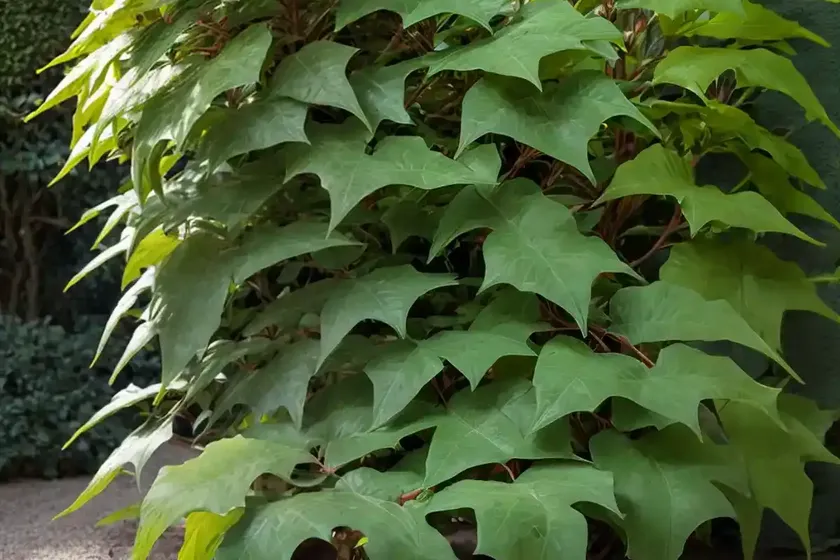
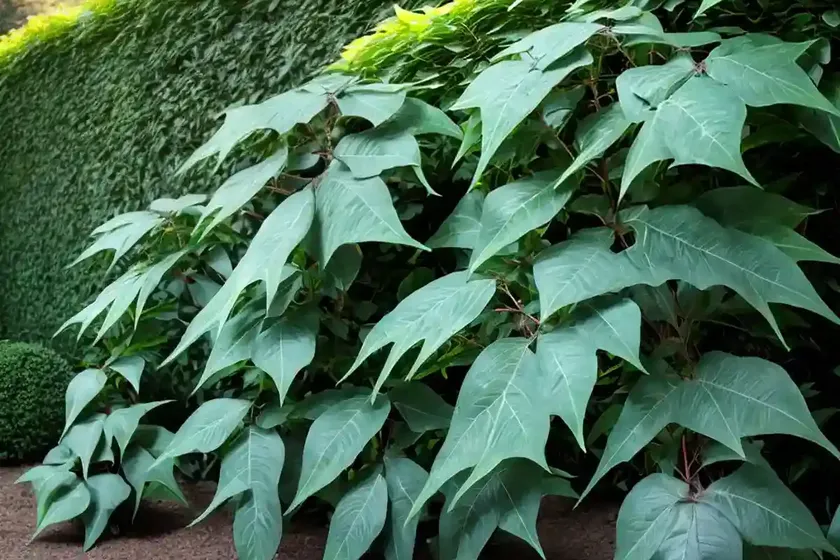
Mahonia nervosa, commonly known as Cascade Mahonia, is a beautiful, versatile, and relatively low-maintenance plant that belongs to the Berberidaceae family. Native to the Pacific Northwest region of North America, this evergreen shrub is appreciated for its attractive foliage, fragrant flowers, and wildlife-friendly characteristics. In this comprehensive guide, we will delve into the various aspects of Mahonia nervosa, covering its culture, uses, water, sunlight, fertilizer, soil, pruning, propagation, and container gardening among other important topics. Let’s explore the captivating world of Mahonia nervosa and gain valuable insights into its care, benefits, and significance in the realm of plant life.
Table of Contents
- Introduction to Mahonia Nervosa
- Key Takeaways
- Culture and Care
- Popularity and Common Diseases
- Botanist’s Tips
- Fun Facts
- Links to External Resources
Introduction to Mahonia Nervosa
Mahonia Nervosa Information
Mahonia nervosa, also known as Cascade Mahonia, is an evergreen shrub that is native to the western part of North America, particularly the Pacific Northwest region. This species is part of the large Berberidaceae family and is known for its resilience, fragrant yellow flowers, and dark green foliage. The plant is characterized by its ability to thrive in shade, making it a valuable addition to gardens and landscapes with limited direct sunlight.
Cascade Mahonia Facts
- Scientific Name: Mahonia nervosa
- Common Name: Cascade Mahonia
- Family: Berberidaceae
- Native Habitat: Western North America
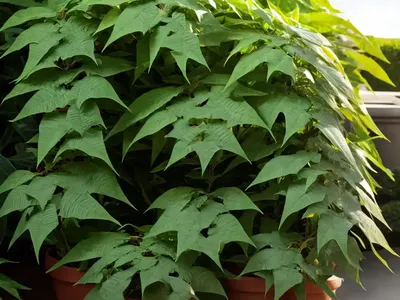
- Foliage: Dark green, leathery
- Flowers: Clusters of fragrant, yellow flowers
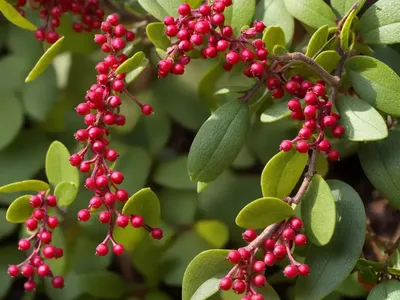
- Fruit: Blue-black berries
- Growth Habit: Low-growing, spreading
Mahonia Nervosa Care Tips
In order to cultivate thriving Mahonia nervosa plants, it is essential to provide appropriate care. This includes considerations such as watering, sunlight exposure, soil quality, and pruning techniques. By understanding the specific requirements of Cascade Mahonia, gardeners can ensure the health and vibrancy of these captivating shrubs.
Growing Cascade Mahonia
The growth of Cascade Mahonia is marked by its ability to spread and form dense clusters of foliage, making it an excellent choice for providing ground cover in garden spaces. The natural habit of this species also makes it a suitable option for creating borders and delineating different areas within a garden landscape.
Mahonia Nervosa Plant Profile
Common Name: Cascade Mahonia
Hardiness Zone: 6-8
Mature Size: 2-4 feet in height, 3-6 feet in width
Landscape Uses: Ground cover, borders, naturalizing areas
Wildlife Attraction: Attracts birds, bees, and butterflies
Seasonal Interest: Evergreen foliage, fragrant flowers in late winter to early spring
Cascade Mahonia Characteristics
- Low-growing, spreading habit
- Leathery, dark green foliage
- Clusters of bright yellow, fragrant flowers
- Blue-black berries in the summer
- Tolerant of shade and varied soil types
Culture and Care
Uses
Mahonia nervosa, or Cascade Mahonia, offers several potential uses and benefits, making it a versatile and valuable addition to garden landscapes. Some common uses include:
- Ground cover: Cascade Mahonia’s spreading habit and dense foliage make it well-suited for covering bare ground and creating visually appealing green spaces.
- Border plantings: The low-growing nature of Cascade Mahonia makes it an excellent option for defining garden borders and pathways.
- Wildlife habitat: The flowers and berries of Mahonia nervosa attract bees, birds, and butterflies, thereby contributing to the biodiversity of garden environments.
Water
Proper watering is crucial for maintaining healthy Mahonia nervosa plants. While these shrubs are relatively tolerant of drought conditions, consistent moisture is essential, especially during periods of low rainfall or high temperatures. When establishing new plants, regular watering is necessary to aid in root development and overall plant health.
Sunlight
One of the distinctive features of Cascade Mahonia is its ability to thrive in shaded conditions. While it can tolerate some sunlight, this species generally prefers partial to full shade. In regions with intense sunlight, growing Mahonia nervosa in locations with dappled or filtered light can help protect its foliage from potential damage.
Fertilizer
Fertilizing Mahonia nervosa plants can help support healthy growth and enhance their overall appearance. A balanced, slow-release fertilizer applied in the early spring can provide the necessary nutrients for robust foliage and vibrant flowers. Additionally, incorporating organic matter into the soil can contribute to the long-term health of Cascade Mahonia.
Soil
Cascade Mahonia is adaptable to a range of soil types, including loamy, sandy, or clay-rich soils. However, well-drained soil is particularly important for the healthy development of Mahonia nervosa plants. Amending the soil with organic matter and ensuring good drainage can contribute to the overall vigor and vitality of these shrubs.
Pruning
Pruning is an important aspect of Mahonia nervosa care, facilitating the maintenance of a tidy appearance and promoting healthy growth. Regular pruning can help manage the spread of the plant and remove any damaged or diseased branches. Additionally, shaping the shrub through selective pruning can enhance its visual appeal and contribute to a well-maintained garden landscape.
Propagation
Propagating Mahonia nervosa can be achieved through several methods, including seed propagation, division of mature plants, and stem cuttings. Each approach offers unique advantages and considerations, allowing gardeners to multiply their Cascade Mahonia plants and expand their presence in different garden settings.
Container Gardening
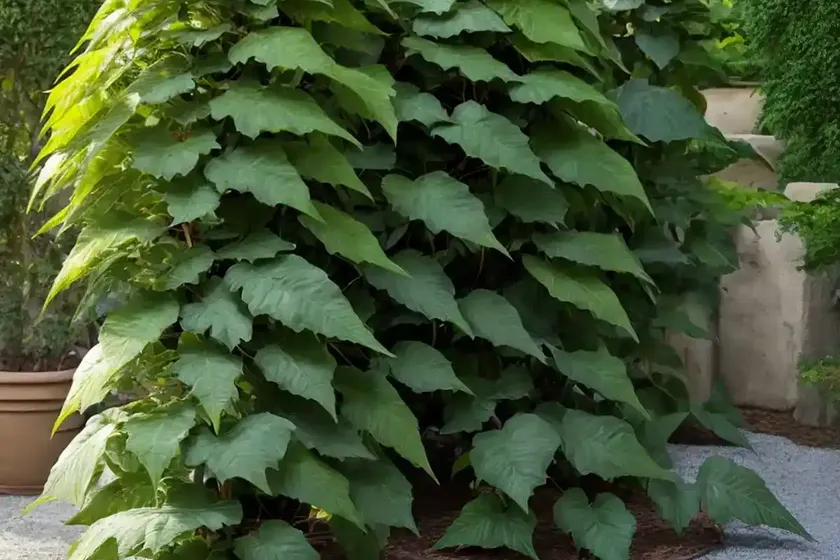
While Cascade Mahonia is often utilized as a ground cover in garden landscapes, it can also thrive in containers, making it a versatile choice for various gardening applications. The adaptability of Mahonia nervosa to potted environments extends its potential uses, enabling gardeners to incorporate these captivating shrubs into diverse design concepts and spatial arrangements.
Popularity and Common Diseases
Common Diseases
While Mahonia nervosa is generally resilient and low-maintenance, it is susceptible to certain diseases and pests that can affect its health and vitality. Understanding the common diseases that may impact Cascade Mahonia is key to implementing effective preventative measures and timely interventions.
Disease Diagnosis
Diagnosing diseases in Mahonia nervosa involves careful observation of the plant’s foliage, stems, and overall growth patterns. Common signs of disease include discoloration of leaves, unusual growths, and the presence of abnormal markings or spots. By closely monitoring the health of Cascade Mahonia plants, gardeners can identify potential issues and take appropriate measures to address them.
Common Pests
Pest infestations can pose a threat to the well-being of Mahonia nervosa, requiring prompt attention and targeted control strategies. Common pests that may affect Cascade Mahonia include aphids, scale insects, and spider mites. Appropriate pest management practices, including the use of natural predators and horticultural oils, can help protect Mahonia nervosa from pest-related damage.
Botanist’s Tips
- When selecting a location for planting Cascade Mahonia, consider its preference for shaded environments and the potential impact of direct sunlight on its foliage.
- Adequate soil preparation, including improving drainage and incorporating organic matter, can contribute to the long-term health and vitality of Mahonia nervosa plants.
- Regular pruning, particularly in the early spring, can help control the growth of Cascade Mahonia and maintain a compact, attractive form.
Fun Facts
- The blue-black berries of Mahonia nervosa are a valuable food source for birds, contributing to the ecosystem in garden environments.
- The fragrant yellow flowers of Cascade Mahonia attract pollinators, including bees and butterflies, adding to the biodiversity of natural spaces.
- The dense, spreading habit of Mahonia nervosa enables it to effectively cover bare ground and contribute to the visual appeal of garden landscapes.
Links to External Resources
For additional information on Mahonia nervosa and related topics, refer to the following resources:
- Plant Native: Mahonia Nervosa – Detailed information on the natural habitat and ecological significance of Mahonia nervosa.
- Royal Horticultural Society: Mahonia Nervosa – Profile of Mahonia nervosa, including cultivation advice and recommended uses in garden landscapes.
- Washington Native Plant Society: Cascade Mahonia – Insights into the characteristics and ecological value of Cascade Mahonia in the Pacific Northwest region.
By exploring the various aspects of Mahonia nervosa, from its cultural requirements to its ecological significance, we gain a deeper understanding of the value and beauty that this species brings to garden landscapes. With proper care and appreciation for its natural attributes, Mahonia nervosa, or Cascade Mahonia, can enrich garden environments and contribute to the conservation of native plant species.
In conclusion, the allure of Mahonia nervosa lies in its adaptability, resilience, and ability to thrive in shaded environments, making it a valuable asset in garden landscapes. This comprehensive guide serves as a valuable resource for plant enthusiasts, offering insights into the care, uses, and ecological significance of Cascade Mahonia. By nurturing and celebrating the presence of Mahonia nervosa, we contribute to the preservation of biodiversity and the beauty of natural spaces.