Mahonia (Mahonia Trifoliolata)
Plants are an essential aspect of life on Earth. They provide us with oxygen, food, medicine, and add aesthetic value to our surroundings. One such.
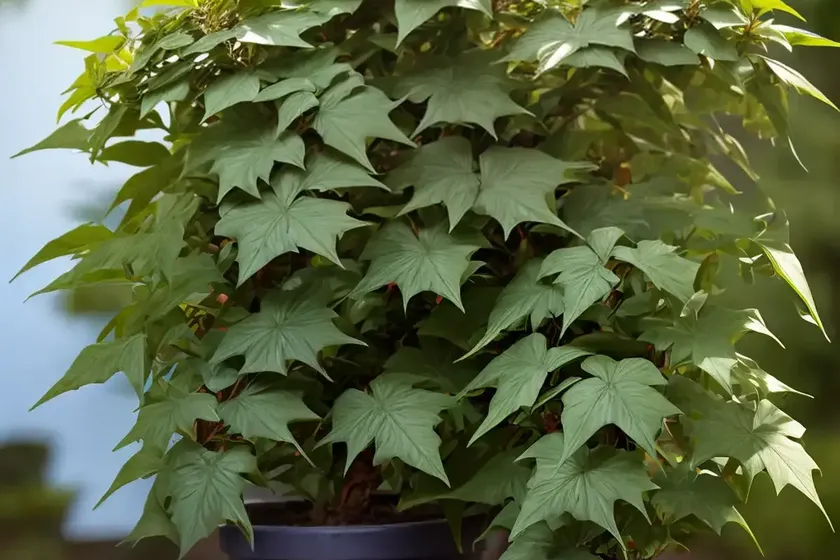
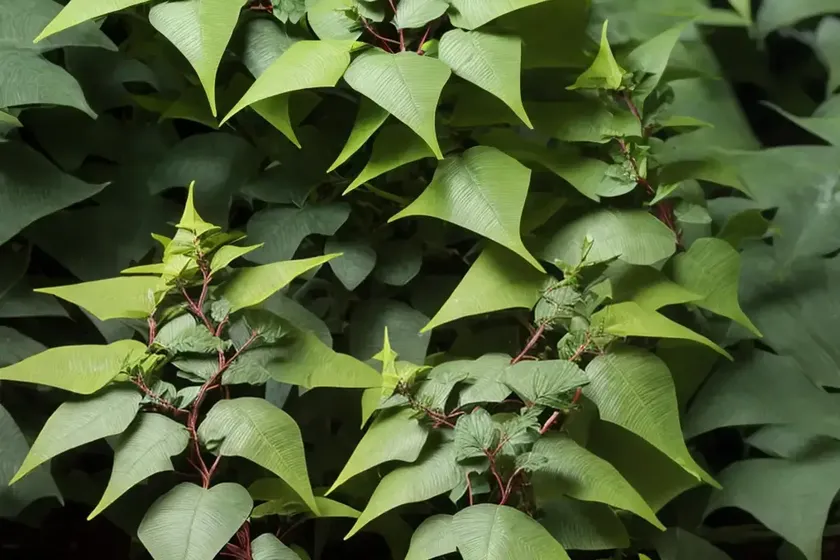
Plants are an essential aspect of life on Earth. They provide us with oxygen, food, medicine, and add aesthetic value to our surroundings. One such fascinating plant is the Mahonia trifoliolata, commonly known as Mahonia. In this comprehensive guide, we will explore various aspects of this beautiful plant, from its culture and uses to its maintenance, including water, sunlight, fertilizer, soil, pruning, propagation, container gardening, and its popularity. The article will also delve into common diseases and pests that afflict the Mahonia, offering insights into diagnosis and possible remedies. Throughout this journey, we will touch on botanist’s tips, fun facts, and how to grow and care for Mahonia effectively.
What is Mahonia?
Mahonia trifoliolata, also known as agarita, algerita, desert holly, or Texas mahonia, is a native evergreen shrub in the southwestern United States and northeastern Mexico. It belongs to the Berberidaceae family, which encompasses around 450-500 species and is commonly found in various regions, including Asia, North and South America, and Africa.
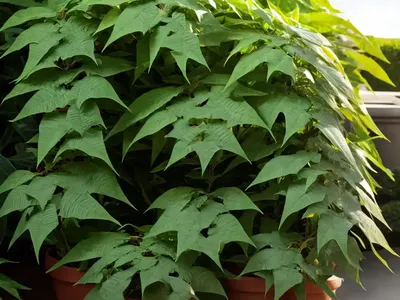
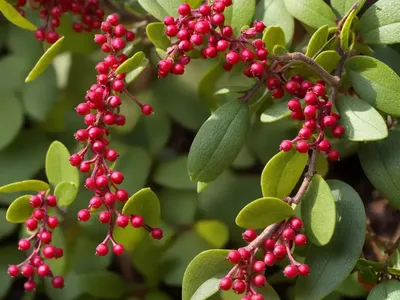
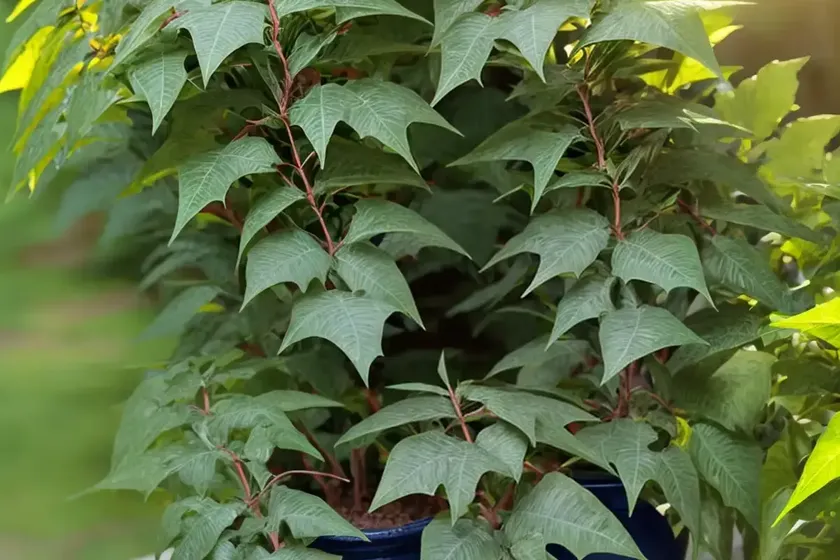
Mahonia trifoliolata is characterized by its holly-like, pinnate, compound leaves and clusters of small, fragrant yellow flowers that bloom in early spring, followed by blue, grape-like berries in late summer and fall. Its striking foliage and attractive, edible berries make it a popular choice for landscaping, as well as for attracting wildlife.
Now that we have a basic idea of what Mahonia is, let’s dive into the key takeaways regarding this remarkable plant.
Key Takeaways
Culture
Mahonia trifoliolata is relatively easy to grow and maintain, making it a favored choice among gardeners and landscapers. It thrives in well-draining soils, low water conditions, and is quite tolerant of various environmental stresses, including drought and cold.
Uses
The Mahonia plant has a wide range of uses, from creating ornamental landscapes to providing wildlife with food and shelter. Additionally, its berries have been traditionally used in making jellies and jams, and the plant itself has medicinal properties.
Water
While Mahonia is well-adapted to drought conditions, it benefits from occasional watering, especially during the establishment phase and prolonged dry periods. It’s important to strike a balance to prevent waterlogging and excessive dryness.
Sunlight
Mahonia thrives in partial to full sun, making it an excellent choice for gardens and landscapes with varying light conditions. However, it can also tolerate shade, but its growth and flowering may be affected.
Fertilizer
Mahonia generally does not require frequent fertilization. However, a light application of balanced fertilizer in spring can promote healthy growth and flowering.
Soil
Well-draining, slightly acidic to neutral soil is ideal for Mahonia. It’s relatively adaptable to different soil types but performs best in soils that are not waterlogged and have good aeration.
Pruning
Pruning is essential to maintain the desired shape and size of Mahonia, as well as to remove dead or damaged branches. Regular pruning can also encourage more prolific flowering and berry production.
Propagation
Mahonia can be propagated from seeds, cuttings, or division. Each method has its own advantages, and the choice depends on the desired outcome and resources available.
Container
Mahonia can be effectively grown in containers, allowing for greater flexibility in placement and care. Container-grown Mahonia can be used to create captivating displays on patios, decks, or other outdoor spaces.
Popularity
Mahonia has gained popularity not only for its ornamental value but also for its versatility and low-maintenance requirements. Gardeners and landscapers appreciate its ability to thrive in various conditions while adding visual interest to the surroundings.
These key takeaways serve as a foundation for understanding Mahonia and will be further explored in the following sections, providing a comprehensive guide for both enthusiasts and those who seek practical knowledge on growing and caring for this captivating plant.
Common Diseases
Mahonia trifoliolata is generally resilient to most diseases, thanks to its natural hardiness. However, it can occasionally fall victim to certain diseases. Understanding these diseases, their diagnosis, and possible remedies is crucial for maintaining the health and vibrancy of the plant.
Disease Diagnosis
When tending to Mahonia, it’s essential to be vigilant for signs of diseases, such as:
- Powdery Mildew: A fungal disease that appears as white powdery spots on the leaves. It can be tackled with proper sanitation and fungicidal treatments.
- Root Rot: Usually caused by waterlogged soil, leading to the rotting of roots. It’s important to address the underlying issue and improve drainage to prevent this disease.
- Leaf Spot: Characterized by dark spots on the leaves, it can be managed through proper sanitation and the application of fungicides if necessary.
Common Pests
While Mahonia is relatively resistant to most pests, it can still encounter some unwelcome visitors, including:
- Aphids: Small insects that feed on plant sap, leading to stunted growth and deformation of leaves and shoots. They can be controlled through natural predators, such as ladybugs, or through the use of insecticidal soaps.
- Scale Insects: These pests can cause yellowing of leaves and, if left unmanaged, can lead to plant decline. Systemic insecticides and horticultural oils can be employed to control their population.
Botanist’s Tips
Understanding the needs and behavior of Mahonia trifoliolata is key to growing it successfully. Here are some expert tips for ensuring the health and vitality of Mahonia:
- Well-draining Soil: Ensure that the soil is well-draining, as Mahonia is susceptible to root rot in waterlogged conditions.
- Pruning: Regularly prune Mahonia to maintain its shape and remove any diseased or damaged parts. Pruning can also promote bushier growth.
- Watering: While Mahonia is drought-resistant, occasional watering, especially during dry spells, can help maintain its vigor and flowering.
Fun Facts
- Mahonia’s berries are not only visually appealing but are also edible and can be used to make jellies and jams.
- The bright yellow flowers of Mahonia trifoliolata are highly attractive to pollinators, making it a valuable addition to wildlife gardens.
- Mahonia has a rich history of medicinal uses in herbal medicine, with different parts of the plant believed to have various therapeutic properties.
Links to External Resources
For additional information on Mahonia trifoliolata and related topics, consider exploring the following reputable sources:
- The American Horticultural Society: Mahonia.
- The Lady Bird Johnson Wildflower Center: Mahonia trifoliolata.
- The Royal Horticultural Society: Growing Mahonia.
- ‘Apollo’: This variety offers bright yellow flowers and typically blooms in spring, adding a charming touch to landscapes.
- ‘Winter Sun’: As the name suggests, this variety thrives during winter, offering vibrant foliage and an excellent contrast to the seasonal landscape.
Pruning Mahonia is essential to maintain its size and shape and to promote better flowering and berry production. Here are some tips for effectively pruning Mahonia:
- Timing: Prune Mahonia in late spring or immediately after flowering to avoid cutting off potential blooms.
- Tools: Use sharp, clean pruners to make accurate cuts and minimize damage to the plant.
- Technique: Remove dead or damaged branches and selectively trim older stems to encourage new growth.
Mahonia trifoliolata can be propagated through various methods, such as seed sowing, stem cuttings, and division. Each method has its own requirements and advantages, allowing gardeners to choose the most suitable approach for their needs. In general, propagation can be carried out as follows:
- Seed Sowing: Collect seeds from ripe berries and sow them in well-draining soil. Keep the soil consistently moist until germination occurs.
- Stem Cuttings: Take 4-6 inch stem cuttings with several nodes and remove the lower leaves. Dip the cut end in rooting hormone and plant it in a well-draining medium.
- Division: Divide mature plants in early spring, ensuring that each division has a good root system. Plant the divisions in suitable locations and provide proper care.
While Mahonia is generally resilient, it can face certain diseases that may impact its health and appearance. Understanding these diseases and their management is essential for maintaining the vitality of Mahonia. Some common diseases include:
- Powdery Mildew: A fungal disease that appears as powdery white spots on the leaves, affecting the overall appearance of the plant. Fungicidal treatments can be used to manage this disease, and ensuring proper air circulation can help prevent its occurrence.
- Root Rot: Often caused by waterlogged soil, resulting in the decay of roots and subsequent decline of the plant. Improving soil drainage and avoiding overwatering are essential for preventing root rot in Mahonia.
- Leaf Spot: Characterized by dark spots on leaves, this disease can be managed through sanitation and targeted fungicidal treatments.
Despite its overall resilience, Mahonia may encounter certain pests that can affect its growth and appearance. Vigilance and appropriate intervention are essential for managing these pests. Some common pests include:
- Aphids: Small, sap-sucking insects that can cause deformities in leaves and affect plant vigor. Natural predators and insecticidal soaps can help control aphid populations.
- Scale Insects: These pests can lead to leaf yellowing and plant decline if left unmanaged. Using horticultural oils and systemic insecticides can effectively control scale insects on Mahonia.
Let’s now delve into the specifics of the plant’s culture, uses, and how to create an optimal environment for its growth and vitality.
Creating an environment that mimics the natural habitat of Mahonia is essential for its health and growth. Understanding its ideal growing conditions and needs will set the stage for successfully nurturing this remarkable plant.
Sunlight
Mahonia trifoliolata thrives in partial to full sun, making it well-suited for various garden and landscape settings. It can also tolerate partial shade, but its growth and blooming may be affected. Positioning Mahonia where it receives adequate sunlight is essential for its well-being.
Soil
Well-draining, slightly acidic to neutral soil is ideal for Mahonia. It adapts to a range of soil types, including loamy and sandy soils, but excessive water retention can lead to root rot. Improving soil drainage and incorporating organic matter can create an optimal growing medium for Mahonia.
Water
While Mahonia is well-adapted to dry conditions, providing occasional deep watering, especially during the establishment phase and extended dry spells, is crucial for its vigor and flowering. However, it’s important to avoid waterlogging, as excessive moisture can contribute to root rot.
Fertilizer
Mahonia generally does not require frequent fertilization, as excessive nutrients can lead to lush foliage at the expense of flowering. A light application of balanced fertilizer in spring can support healthy growth and flowering without promoting excessive vegetative growth.
Now that we’ve covered the important cultural aspects, let’s explore the diverse uses of Mahonia trifoliolata and how it can be incorporated into landscapes and gardens.
Mahonia trifoliolata offers a wide range of uses, from serving as an ornamental plant to providing shelter and food for wildlife. Understanding its uses and potential applications can inspire and guide its incorporation into various landscaping and gardening endeavors.
Ornamental Value
Mahonia’s vibrant foliage, fragrant flowers, and colorful berries make it a valuable addition to ornamental landscapes. Its resilience and attractive attributes make it a favored choice for gardens, public spaces, and naturalized areas.
Wildlife Attractant
The flowers of Mahonia trifoliolata are highly attractive to pollinators, including bees and butterflies, making it a valuable addition to wildlife-friendly gardens. Additionally, its berries provide a food source for birds and small mammals, contributing to the biodiversity of the landscape.
Culinary Uses
The edible berries of Mahonia can be harvested and used to make jams, jellies, and syrups. Their distinctive flavor and rich color make them a unique and flavorful addition to culinary creations.
Medicinal Properties
Mahonia has a rich history of medicinal use, with various parts of the plant believed to possess therapeutic properties. From traditional remedies to modern applications, Mahonia continues to be valued for its potential health benefits.
As Mahonia has diverse uses, it’s important to provide it with the appropriate care and maintenance to ensure its health and vitality. Let’s explore the specific requirements for watering, fertilization, and pruning for this remarkable plant.
Mahonia trifoliolata is adaptable to a range of moisture conditions, making it well-suited for varying climates and soil types. Understanding its water needs and providing appropriate irrigation is essential for promoting its health and vigor.
Watering Guidelines
- Establishment Phase: During the first year of growth, Mahonia benefits from regular watering to encourage root establishment and vigor. Provide deep, thorough watering as needed, ensuring that the soil remains consistently moist but not waterlogged.
- Mature Plants: Once established, Mahonia is relatively drought-tolerant and can thrive with minimal supplemental watering. However, during prolonged dry periods, providing occasional deep watering can support its vitality and flowering.
Watering Tips
- Deep Watering: When watering Mahonia, aim to provide deep moisture penetration, encouraging the development of a robust and resilient root system.
- Avoid Waterlogging: To prevent waterlogging, ensure that the soil has adequate drainage and avoid overwatering, especially in heavy clay soils.
By adhering to appropriate watering practices, Mahonia can flourish and grace the landscape with its beautiful foliage and vibrant berries.
Creating an optimal soil environment for Mahonia trifoliolata is essential for its health and growth. Understanding its soil requirements and making necessary amendments will set the stage for successfully cultivating this remarkable plant.
Soil Characteristics
- Well-Draining: Mahonia thrives in well-draining soil, as it is susceptible to root rot in waterlogged conditions.
- Acidic to Neutral pH: Mahonia prefers slightly acidic to neutral soil, with a pH range of 6.0 to 7.0, although it can tolerate slightly alkaline conditions.
- Soil Amendments: Incorporating organic matter, such as compost or well-rotted manure, can improve soil structure and fertility, supporting the growth of Mahonia.
Soil Improvement
- Improving Drainage: Amending heavy clay soils with organic matter and coarse sand can enhance drainage and prevent waterlogging, creating an optimal growing environment for Mahonia.
- Neutralizing pH: If the soil is excessively acidic or alkaline, it can be beneficial to adjust the pH to the preferred range through the addition of suitable amendments.
By providing Mahonia with well-draining, slightly acidic to neutral soil, gardeners can establish an ideal foundation for its health and vitality.
Fertilization plays a key role in promoting the growth and flowering of Mahonia trifoliolata. However, it’s important to provide balanced nutrition without promoting excessive vegetative growth. Here are some useful tips for effectively fertilizing Mahonia:
Fertilizer Selection
- Balanced Fertilizer: Use a balanced, slow-release fertilizer with an equal NPK ratio, such as 10-10-10 or 20-20-20, to provide essential nutrients without favoring excessive foliage growth.
- Organic Options: Organic fertilizers, such as compost or well-rotted manure, can be utilized to enrich the soil with natural nutrients, promoting the long-term health of Mahonia.
Fertilization Guidelines
- Spring Application: Apply fertilizer in early spring, just before the growing season, to support healthy growth and flowering.
- Moderate Amounts: Avoid excessive fertilization, as it can lead to lush foliage at the expense of flowering and berry production. Follow the recommended application rates for the specific fertilizer used.
By adhering to proper fertilization practices, Mahonia can thrive and grace the landscape with its vibrant foliage and alluring blossoms.
Pruning is an essential aspect of Mahonia trifoliolata maintenance, helping to shape the plant, remove dead or damaged branches, and promote healthier growth and flowering. Here are some key points to consider when pruning Mahonia:
Timing
- Post-Flowering: Prune Mahonia immediately after the flowering period, typically in late spring, to avoid cutting off potential blooms.
- Regular Inspection: Routinely inspect Mahonia for dead or diseased branches and remove them promptly to maintain the plant’s health and appearance.
Techniques
- Deadheading: Remove spent flowers to encourage the production of new blooms and prevent the formation of seeds, redirecting the plant’s energy into growth and flowering.
- Selective Pruning: Trim back older stems to promote new growth and create a fuller, bushier appearance. Additionally, remove any dead or damaged branches to improve the plant’s overall health.
By employing effective pruning techniques, Mahonia can maintain an attractive form and produce abundant flowers and berries, enhancing its ornamental value.
Mahonia trifoliolata can be propagated through various methods, including seed sowing, stem cuttings, and division. Each approach has its own requirements and advantages, catering to the needs and resources of the gardener.
Seed Sowing
- Seed Collection: Collect ripe berries from a healthy Mahonia plant and extract the seeds from the pulp.
- Sowing Process: Plant the seeds in well-draining soil, cover them lightly, and keep the soil consistently moist until germination occurs.
- Germination Time: Germination of Mahonia seeds may take several weeks to a few months, depending on the conditions and viability of the seeds.
Stem Cuttings
- Cutting Selection: Take 4-6 inch stem cuttings from a healthy, mature Mahonia plant, ensuring that each cutting has several nodes.
- Rooting Medium: Dip the cut end of the stem cuttings in rooting hormone and plant them in a well-draining rooting medium.
- Root Development: The root development of Mahonia stem cuttings typically takes several months, after which they can be transplanted into their permanent locations.
Division
- Division Timing: Divide mature Mahonia plants in early spring, just before the growing season begins, to minimize transplant shock and promote establishment.
- Division Process: Carefully dig up the plant and divide the root ball into several sections, each containing a good root system and viable shoots.
- Transplanting: Plant the divisions in suitable locations, ensuring that they receive adequate moisture and protection during the establishment phase.
By propagating Mahonia through the appropriate method and providing favorable conditions