Mahonia Japonica (Japanese Mahonia)
Mahonia japonica, commonly known as Japanese Mahonia, is a versatile and attractive evergreen shrub that belongs to the Berberidaceae family. It is native.
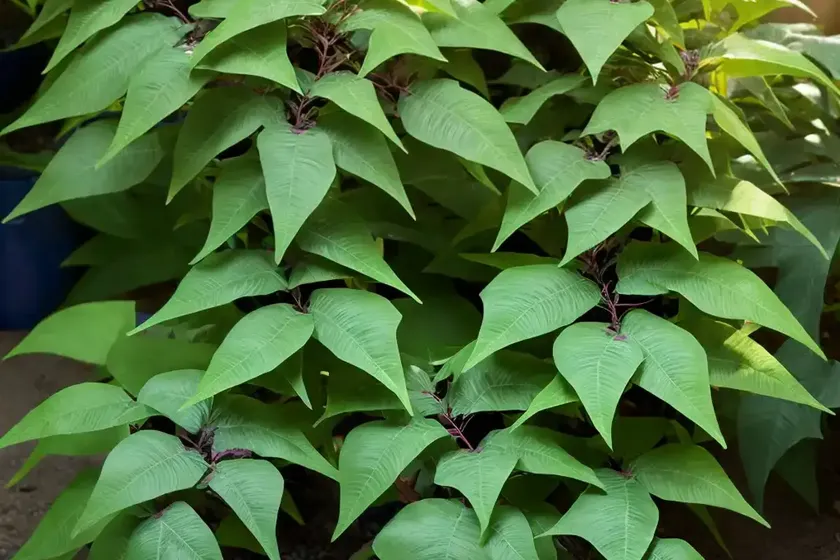
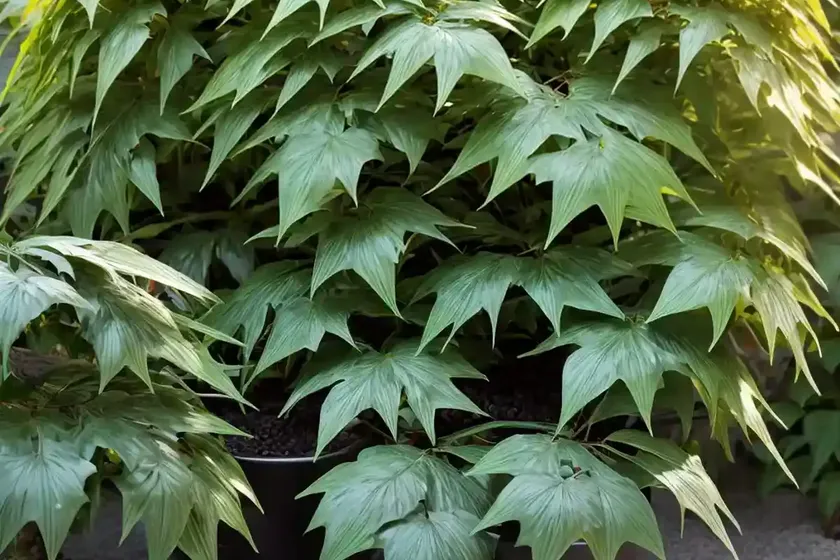
Mahonia japonica, commonly known as Japanese Mahonia, is a versatile and attractive evergreen shrub that belongs to the Berberidaceae family. It is native to China and Japan and is valued for its ornamental features, adaptability, and various cultural uses. In this comprehensive guide, we will delve into the detailed aspects of Mahonia japonica, including its cultural requirements, uses, propagation, common diseases and pests, fun facts, and more. Whether you are a gardening enthusiast or a professional landscaper, this guide will provide valuable insights into the care and cultivation of Japanese Mahonia.
What is Mahonia japonica?
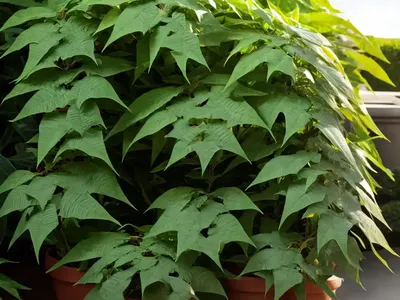
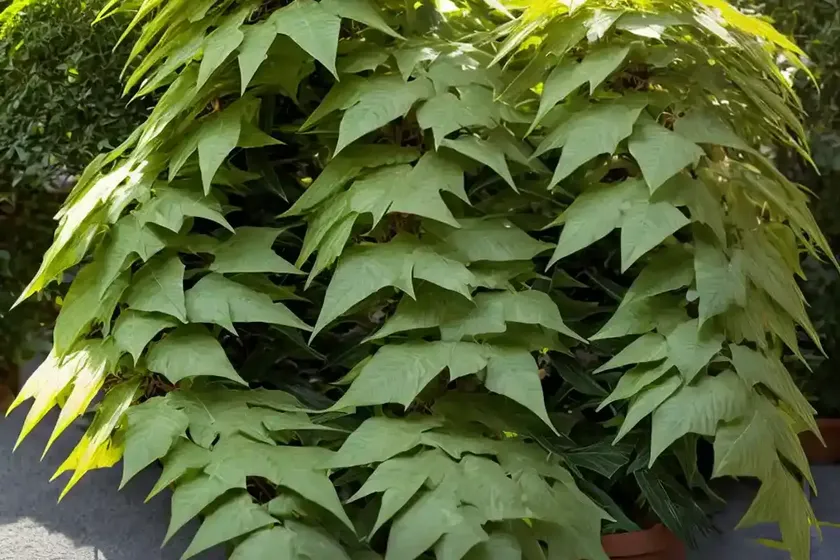
Mahonia japonica is a species of flowering plant in the Mahonia genus, characterized by its spiky, holly-like foliage, fragrant yellow flowers, and clusters of dark blue berries. It is a slow-growing shrub that typically reaches a height and spread of 5-8 feet, making it an ideal choice for foundation plantings, borders, and woodland gardens. The leaves of Mahonia japonica are pinnately compound, with 5-9 spiny leaflets and a glossy, dark green appearance. This shrub’s unique leaf structure and vibrant blooms make it a popular choice for both formal and informal landscapes.
Key Takeaways – Mahonia japonica (Japanese Mahonia)
Let’s begin with an overview of the key takeaways for cultivating and caring for Mahonia japonica:
- Plant Description: Evergreen shrub with holly-like foliage, fragrant yellow flowers, and dark blue berries.
- Cultural Uses: Suitable for foundation plantings, borders, and woodland gardens.
- Water: Moderate watering needs, avoiding waterlogging.
- Sunlight: Partial to full shade, especially in hot climates.
- Fertilizer: Balanced, slow-release fertilizer in spring.
- Soil: Well-draining, acidic to slightly alkaline soil.
- Pruning: Minimal pruning needed, primarily for shaping and maintenance.
- Propagation: Can be propagated by seeds or semi-hardwood cuttings.
- Container Popularity: Well-suited for container gardening.
- Common Diseases: Susceptible to fungal leaf spots and rust diseases.
- Common Pests: Potential pests include aphids and scale insects.
As we delve into these aspects in more detail, you will gain a comprehensive understanding of how to nurture and appreciate the beauty of Mahonia japonica in various settings.
Plant Description
Japanese Mahonia Characteristics
- Foliage: Pinnately compound, holly-like leaves with 5-9 spiny leaflets.
- Flowers: Fragrant, bright yellow flowers in clusters.
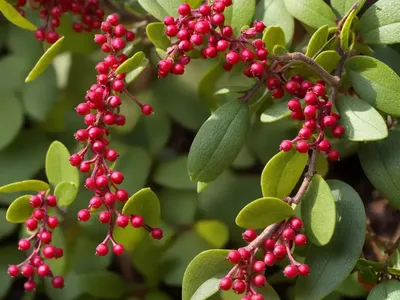
- Berries: Clusters of dark blue, grape-like berries in late summer and fall.
- Growth Habit: Upright, spreading, and slow-growing.
- Fragrance: Pleasant, citrusy fragrance from the flowers.
Landscape Use
Mahonia japonica offers numerous benefits in the landscape, making it a versatile choice for various garden settings:
- Foundation Plantings: Provides year-round interest near buildings and structures.
- Borders and Edges: Creates a natural boundary and adds texture to garden borders.
- Woodland Gardens: Thrives in shaded environments and complements woodland plantings.
Foliage Colors and Seasonal Changes
The dark green, pinnately compound leaves of Mahonia japonica provide an attractive backdrop in the garden. Additionally, the foliage may exhibit seasonal changes, offering visual interest throughout the year:
- Fall Colors: Transition to reddish or purple hues in cooler climates.
- Winter Foliage: Retains its dark green color, providing winter interest.
Hardiness Zones and Climate Suitability
Japanese Mahonia is well-suited to specific hardiness zones and climatic conditions:
- Hardiness Zones: Typically grows in USDA hardiness zones 7-9.
- Sunlight Requirements: Thrives in partial to full shade to prevent leaf scorch in hot climates.
The distinct characteristics and adaptability of Mahonia japonica make it an appealing addition to gardens, whether used as a focal point or as part of a diverse planting scheme.
Mahonia japonica Care
Caring for Mahonia japonica involves attention to its water, sunlight, soil, and fertilizer needs, as well as considerations regarding pruning, propagation, and container gardening. Let’s explore each of these aspects in detail to ensure the successful cultivation of Japanese Mahonia in your garden or landscape.
Water
Proper watering is essential for the health and vigor of Mahonia japonica. Consider the following tips for watering this plant:
- Water Needs: Moderate watering, allowing the soil to dry slightly between waterings.
- Avoid Waterlogging: Ensure well-draining soil to prevent waterlogging, which can lead to root rot.
Sunlight
The sunlight requirements of Mahonia japonica play a crucial role in its overall growth and performance. Here are key considerations for providing adequate sunlight:
- Partial to Full Shade: Prefers partial to full shade, especially in regions with hot summers.
- Protection from Harsh Sunlight: Shield from direct afternoon sun to prevent leaf scorch.
Fertilizer
Fertilizing Japanese Mahonia helps maintain its overall health and promotes blooming. Consider the following aspects when fertilizing this evergreen shrub:
- Balanced Fertilizer: Apply a balanced, slow-release fertilizer in spring to support growth and flowering.
- Avoid Over-fertilization: Use fertilizer according to package instructions to prevent overfeeding.
Soil
The soil requirements of Mahonia japonica are essential for its growth and longevity. Pay attention to the following factors related to soil:
- Well-draining Soil: Thrives in well-draining, fertile soil to prevent waterlogging.
- Acidic to Slightly Alkaline pH: Prefers soil with an acidic to slightly alkaline pH (5.0-7.5).
Pruning
Pruning Mahonia japonica is primarily for maintenance and shaping, as it generally has a tidy growth habit. Follow these pruning tips for optimal plant care:
- Minimal Pruning: Requires minimal pruning, typically limited to removing dead or damaged branches.
- Early Spring Pruning: Conduct any necessary pruning in early spring before the onset of new growth.
Propagation
If you’re interested in propagating Mahonia japonica, consider these methods for successful propagation:
- Seed Propagation: Collect and sow seeds in a suitable growing medium for new plant propagation.
- Semi-hardwood Cuttings: Take semi-hardwood cuttings in late summer for propagating new plants.
Container Gardening
Japanese Mahonia’s adaptability to container gardening makes it an excellent choice for smaller gardens or urban settings. Here are considerations for growing Mahonia japonica in containers:
- Selecting the Container: Use a large, well-draining container to accommodate the plant’s roots.
- Soil and Watering: Use a quality potting mix and ensure consistent moisture levels for container-grown Mahonia.
The proper care and attention to Mahonia japonica’s water, sunlight, soil, fertilizer, and maintenance needs contribute to its continued health and vitality in various garden settings.
Common Diseases and Pests
Disease Diagnosis
Mahonia japonica is susceptible to certain diseases that can impact its overall vigor and appearance. Common diseases include:
- Fungal Leaf Spots: Causes dark, circular spots on the leaves, which may lead to defoliation if severe.
- Rust Diseases: Manifests as reddish-orange or brown spots on the foliage, affecting plant aesthetics.
Pest Control
Preventing and managing pests is essential for maintaining the health of Mahonia japonica. Look out for the following potential pests:
- Aphids: Small, sap-sucking insects that can cause leaf distortion and weaken the plant.
- Scale Insects: Often appear as tiny, immobile bumps on the leaves or stems, feeding on plant juices.
By promptly identifying and addressing these diseases and pests, you can uphold the health and vitality of Japanese Mahonia in your garden or landscape.
Botanist’s Tips
Mahonia japonica Landscaping Guide
Incorporating Mahonia japonica into your landscape can enhance its visual appeal and diversity. Consider these tips for landscaping with Japanese Mahonia:
- Companion Plants: Pair with other shade-tolerant plants such as hostas, ferns, and heucheras for a woodland garden theme.
- Seasonal Interest: Combine with plants that offer seasonal interest to create a dynamic garden display throughout the year.
- Texture and Contrast: Utilize Mahonia japonica’s holly-like foliage and clusters of berries to create textural contrast in the landscape.
Fun Facts
Explore fascinating facts about Mahonia japonica that further highlight its appeal and value in gardens and natural spaces:
- Wildlife Attraction: The berries of Mahonia japonica are attractive to birds, contributing to wildlife support in the garden.
- Medicinal Properties: Some Mahonia species, including Mahonia japonica, contain berberine, a compound with potential medicinal properties.
These insights into landscaping and the unique characteristics of Mahonia japonica add depth to its role in garden design and ecological significance.
External Resources
For further information and resources on Mahonia japonica, explore the following links:
In conclusion, Mahonia japonica, or Japanese Mahonia, is an exceptional evergreen shrub that offers diverse ornamental features, adaptability to various landscape settings, and valuable cultural uses. By understanding its care requirements, disease and pest management, and landscape potential, you can fully appreciate and cultivate the beauty of Mahonia japonica in your garden or landscape projects. Whether you are drawn to its holly-like foliage, fragrant flowers, or wildlife support, Japanese Mahonia is a captivating addition to garden spaces and natural environments.
Remember to continually explore new resources and insights to expand your knowledge and appreciation for Mahonia japonica, along with other plant species that enrich our natural surroundings.
Happy gardening and nurturing the beauty of Mahonia japonica!