Mahonia Fremontii (Fremont Barberry)
Mahonia fremontii, commonly known as the Fremont Barberry, is a beautiful and versatile plant that adds interest to any landscape. As a plant scientist.
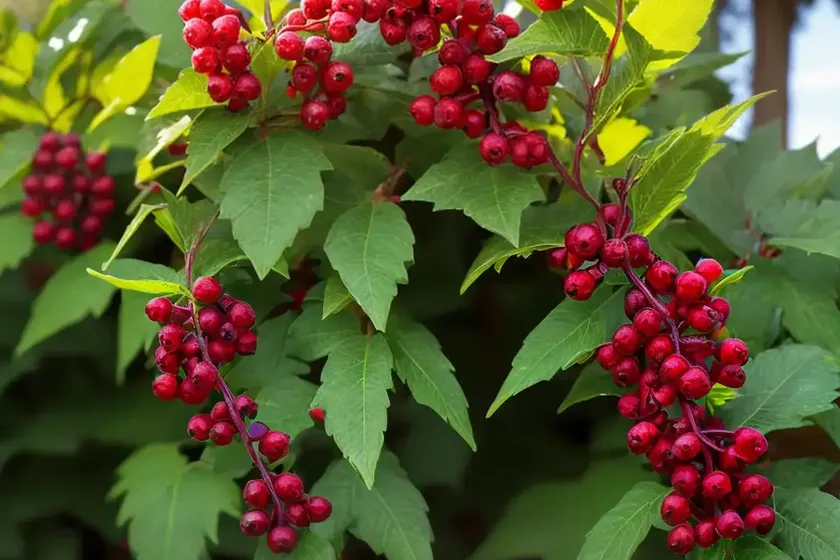
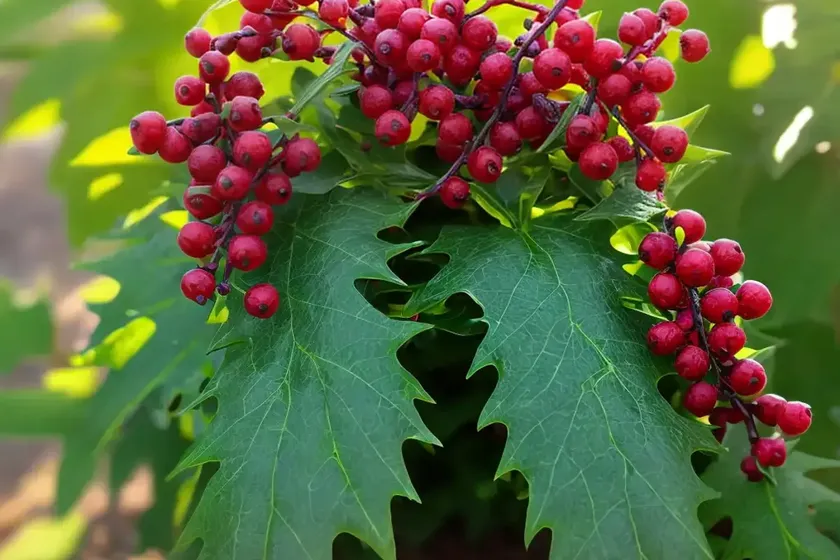
Mahonia fremontii, commonly known as the Fremont Barberry, is a beautiful and versatile plant that adds interest to any landscape. As a plant scientist, it’s my pleasure to guide you through the cultivation, care, uses, and maintenance of this remarkable shrub.
Let’s delve into the various aspects of Mahonia fremontii, exploring its characteristics, requirements, propagation, landscaping potential, and much more. By the end of this comprehensive guide, you’ll be equipped with the knowledge to cultivate and maintain this species to enhance your outdoor spaces.
What is Mahonia fremontii (Fremont Barberry)?
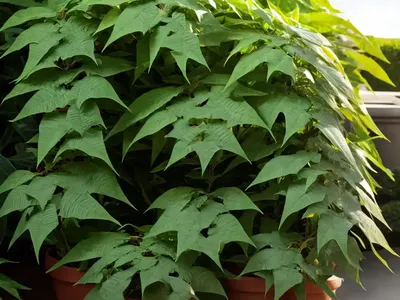
Mahonia fremontii is a species of flowering evergreen shrub in the family Berberidaceae. Native to the western United States, it is commonly found in regions such as Arizona, New Mexico, Utah, and Nevada. This multi-stemmed shrub is appreciated for its distinct holly-like foliage, small yellow flowers, and blue-purple berries that provide ornamental value.
The Fremont Barberry usually reaches a height of 3 to 6 feet, with a similar spread, making it an ideal choice for hedges, borders, and woodland gardens. Its ability to thrive in challenging conditions, such as poor soils and dry climates, further adds to its appeal as a low-maintenance landscape plant.
Key Takeaways – Mahonia fremontii (Fremont Barberry)
Before we dive into the specifics, here are some key takeaways about Mahonia fremontii:
- Family: Berberidaceae
- Common Name: Fremont Barberry
- Type: Evergreen shrub
- Height: 3 to 6 feet
- Spread: 3 to 6 feet
- Native Habitat: Western United States
- Foliage: Holly-like, with spiny leaves
- Flowers: Small, bright yellow
- Fruits: Blue-purple berries
- Uses: Ornamental, landscaping, wildlife habitat creation
Now that we have an overview of the plant let’s explore the essential aspects of its cultivation and care.
Cultivation and Care
Cultivating Mahonia fremontii successfully requires an understanding of its specific cultural needs. From soil preferences to pruning techniques, each aspect contributes to the overall health and beauty of the plant. Let’s break down the key factors to consider when caring for Fremont Barberry.
1. Water
Water Requirements: Mahonia fremontii is relatively drought-tolerant once established. However, regular watering during the first year after planting is essential to promote healthy root development. During periods of prolonged drought, supplemental watering is beneficial, particularly for younger plants.
Optimal Irrigation: Deep, infrequent watering is recommended to encourage deep root growth. When watering, ensure that the soil is moist but not waterlogged. A layer of organic mulch around the base of the plant helps retain soil moisture.
Water Conservation: In regions with limited water availability, utilizing drip irrigation or soaker hoses can efficiently deliver water to the plant’s root zone while minimizing water wastage through evaporation.
2. Sunlight
Sun Exposure: Mahonia fremontii thrives in partial to full sunlight. While it can tolerate some shade, providing ample sunlight ensures better flowering and fruiting. In hot climates, partial shade during the hottest part of the day may be beneficial to prevent leaf scorch.
Optimal Conditions: Planting Fremont Barberry in a location that receives 4 to 6 hours of direct sunlight daily is ideal for promoting robust growth and flowering.
3. Fertilizer
Nutrient Requirements: Mahonia fremontii generally does not require heavy feeding. However, applying a balanced, slow-release fertilizer formulated for acid-loving plants in early spring can support healthy growth and flowering.
Fertilizer Application: Spread the fertilizer evenly around the base of the plant, avoiding direct contact with the stems, and water thoroughly to facilitate nutrient uptake.
4. Soil
Soil Preferences: Fremont Barberry prefers well-draining, slightly acidic to neutral soils. A loamy, sandy, or clay soil with good drainage is suitable, as it prevents waterlogging and root rot.
Soil Amendments: If the soil is heavy or compacted, amending it with organic matter such as compost or peat moss can improve drainage and fertility, creating a more hospitable environment for the plant’s roots.
5. Pruning
Pruning Frequency: Mahonia fremontii responds well to annual pruning, which helps maintain its shape, remove dead or damaged branches, and stimulate new growth.
Pruning Tips: When pruning Fremont Barberry, wear protective gloves to avoid injury from the spiny leaves. Begin by removing any dead or crossing branches, then selectively prune for size control and to enhance the plant’s natural form. It’s best to prune right after the plant finishes flowering.
6. Propagation
Propagating Methods: Mahonia fremontii can be propagated from seeds or by division. Propagating from seeds involves collecting ripe berries, extracting the seeds, and sowing them in a prepared seedbed. Division, on the other hand, is achieved by carefully dividing the plant’s root system and replanting the sections in suitable locations.
Propagation Tips: For successful propagation, provide consistent moisture and warmth to seedlings or divided sections until they establish roots and show signs of new growth.
Now that we have covered the essential care aspects, let’s explore the various uses and potential of Mahonia fremontii in landscaping and outdoor design.
Uses
1. Ornamental Value
Mahonia fremontii is prized for its ornamental characteristics, including:
- Foliage: The holly-like leaves provide year-round interest and texture to the landscape, with their spiny margins adding a unique visual element.
- Flowers: The bright yellow, fragrant flowers that appear in late winter to early spring attract pollinators and provide a burst of color.
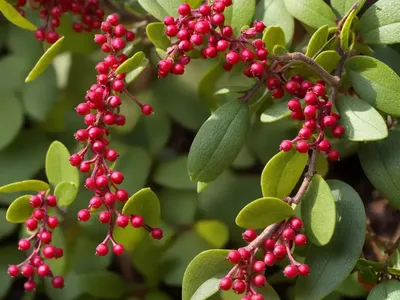
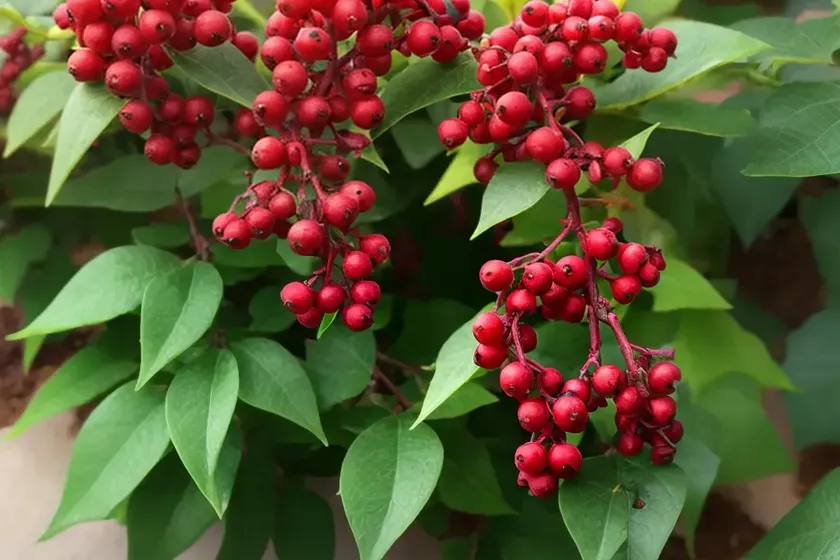
- Berries: The blue-purple berries that follow the flowers not only add ornamental value but also attract birds, which contributes to the overall biodiversity of the garden.
2. Landscaping
Landscaping Applications: Mahonia fremontii is versatile in landscaping, serving various purposes, such as:
- Privacy Screen: Its dense growth habit makes it suitable for creating a natural privacy screen or hedge along property boundaries.
- Borders: Planted as a border along pathways or garden beds, it delineates spaces and adds visual interest.
- Woodland Gardens: Due to its native habitat, Mahonia fremontii blends seamlessly into woodland or naturalized garden settings.
3. Wildlife Habitat Creation
Bird Attraction: The berries of Fremont Barberry attract birds, providing a valuable food source, particularly during the colder months. This contributes to the creation of a wildlife-friendly garden.
4. Medicinal Uses
Traditional Medicine: In traditional herbal medicine, certain species of Mahonia are used for their medicinal properties, such as addressing minor skin irritations and digestive discomfort. However, it’s crucial to consult reliable sources before using any plant for medicinal purposes.
5. Container Gardening
Container Applications: Mahonia fremontii can be grown in large containers or decorative pots, allowing those with limited garden space to enjoy its beauty on patios, balconies, or urban settings.
With its diverse uses and ability to thrive in varying conditions, Mahonia fremontii offers a range of benefits for both the garden and the environment. However, like all living organisms, it is susceptible to certain diseases and pests. Let’s explore strategies to maintain the health of this species and address any potential challenges it may face.
Maintenance
1. Common Diseases
While Mahonia fremontii is generally resilient, it may encounter certain diseases under unfavorable conditions. Common diseases include:
- Leaf Spot: Identified by dark spots or lesions on the leaves, caused by various fungal pathogens.
- Root Rot: This can occur in poorly drained soils or as a result of overwatering, leading to wilting and decline in overall health.
Disease Diagnosis
When diagnosing potential diseases, it’s important to observe any changes in the plant’s foliage, stems, or overall vitality. Early detection and proper identification of diseases enable prompt treatment to minimize their impact on the plant’s health.
2. Common Pests
Mahonia fremontii may also attract certain pests, such as:
- Aphids: These small, sap-sucking insects can distort new growth and excrete honeydew, leading to the growth of sooty mold.
- Spider Mites: Infestations can cause stippling and discoloration of the foliage.
Pest Control
Effective pest control measures for Mahonia fremontii include:
- Natural Predators: Encouraging the presence of natural predators, such as ladybugs and lacewings, which feed on aphids and mites.
- Horticultural Oils: Application of horticultural oils can suffocate pests like aphids and spider mites while being less harmful to beneficial insects.
With an understanding of the common maintenance issues and strategies for addressing them, let’s move on to some botanist’s tips for cultivating Mahonia fremontii and ensuring its long-term health and vitality.
Botanist’s Tips
1. Soil Preferences
Understanding the soil preferences of Mahonia fremontii is crucial for its successful cultivation. While it thrives in well-draining soils, it’s important to avoid waterlogged conditions, especially in compacted or heavy clay soils.
Adding organic matter, such as compost or peat moss, can improve soil structure and fertility, promoting optimal growth and vitality.
2. Seasonal Changes
Observing the plant during different seasons allows for a better understanding of its natural growth patterns and requirements.
In spring, monitor new growth and flowering, adjusting watering and fertilization as needed. During the hotter months, pay attention to soil moisture and potential stress indicators. In autumn, prepare the plant for the winter months by minimizing pruning and ensuring adequate moisture before the onset of dormancy.
3. Wildlife Benefits
Recognizing the value of Mahonia fremontii as a wildlife-friendly plant contributes to a holistic approach to garden design and management.
By providing food and shelter for birds, supporting pollinators, and integrating native species into the landscape, one can create a biodiverse and ecologically balanced outdoor space.
Fun Facts
- The specific epithet “fremontii” honors John C. Frémont, an American explorer who contributed to the understanding of the plant’s native habitat.
- Mahonia fremontii is known for its ability to endure harsh environmental conditions, showcasing resilience in the face of arid climates and rocky soils.
Now that we’ve delved into the essential care and maintenance aspects of Mahonia fremontii, let’s explore additional resources and references to further expand our knowledge of this unique plant.
Links to External Resources
To continue learning about Mahonia fremontii and related topics, I highly recommend exploring the following resources:
- The American Horticultural Society Encyclopedia of Plants and Flowers
- University Extension Services
- Botanical Gardens and Arboretums
- Native Plant Societies
- Plant Conservation Organizations
By delving into reputable sources and engaging with the broader community of plant enthusiasts, you can gain valuable insights and contribute to the conservation and appreciation of Mahonia fremontii and other native species.
Conclusion
In conclusion, Mahonia fremontii, or the Fremont Barberry, is a captivating plant that offers ornamental, ecological, and horticultural value. Through understanding its cultivation and care requirements, utilizing it in landscaping and outdoor design, and appreciating its role in supporting wildlife, we can fully harness the potential of this remarkable species.
I hope this comprehensive guide provides you with valuable insights into Mahonia fremontii and inspires you to incorporate this plant into your outdoor spaces. By fostering an appreciation for native plants and the natural world, we contribute to the preservation and enhancement of our environment.
Thank you for joining me on this journey through the world of Mahonia fremontii. Happy gardening and may your landscapes flourish with the beauty of native flora!
Remember to always consult a local plant expert or extension service for specific guidance tailored to your region’s climate and soil conditions.
“` To get you started on your Fremont Barberry gardening journey, below is a quick reference guide summarizing key cultivation and care aspects.
| Topic | Quick Tips |
|---|---|
| Water | Deep, infrequent watering; moisure retention with organic mulch |
| Sunlight | Partial to full sunlight; partial shade in hot climates |
| Fertilizer | Balanced, slow-release fertilizer in early spring |
| Soil | Well-draining, slightly acidic to neutral soils; amend with organic matter |
| Pruning | Annual pruning after flowering; wear protective gloves |
| Propagation | From seeds or division; provide consistent moisture and warmth |
| Ornamental Value | Holly-like foliage, bright yellow flowers, blue-purple berries |
| Landscaping Applications | Privacy screen, borders, woodland gardens |
| Wildlife Habitat Creation | Attracts birds; provides shelter and food sources |
| Medicinal Uses | Traditional herbal medicine |
| Container Gardening | Suitable for large containers; requires well-draining soil |
| Common Diseases | Leaf spot, root rot; observe changes in foliage and stems |
| Common Pests | Aphids, spider mites; promote natural predators, horticultural oils for control |
I hope this quick reference guide serves as a helpful resource as you embark on your Fremont Barberry gardening journey. Happy planting!“`
By engaging with the various dimensions of Mahonia fremontii, we can fully appreciate its significance in the natural world and utilize its potential in creating captivating and sustainable landscapes. Whether you are an avid gardener, a landscape designer, or a nature enthusiast, this remarkable plant offers a wealth of opportunities for exploration and enjoyment.