Mahonia Bealei (Leatherleaf Mahonia)
Mahonia bealei, commonly known as Leatherleaf Mahonia, is an evergreen shrub native to China. It belongs to the Berberidaceae family and is a popular.
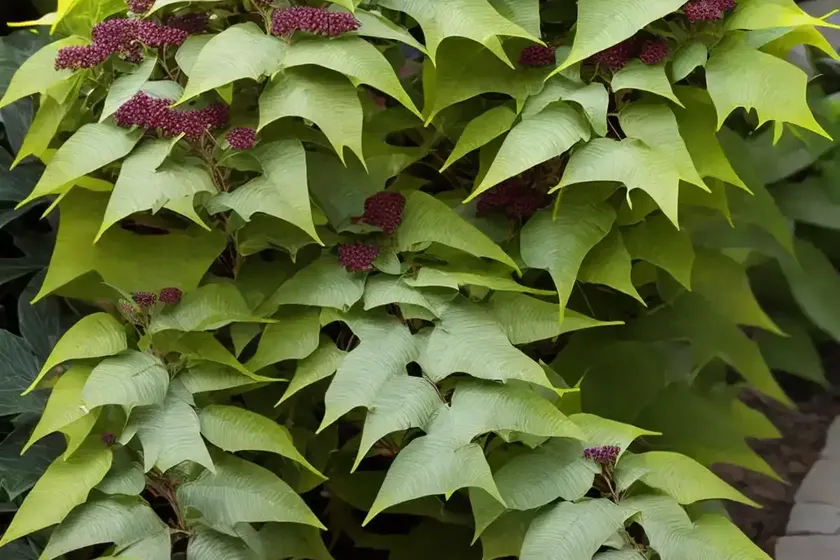
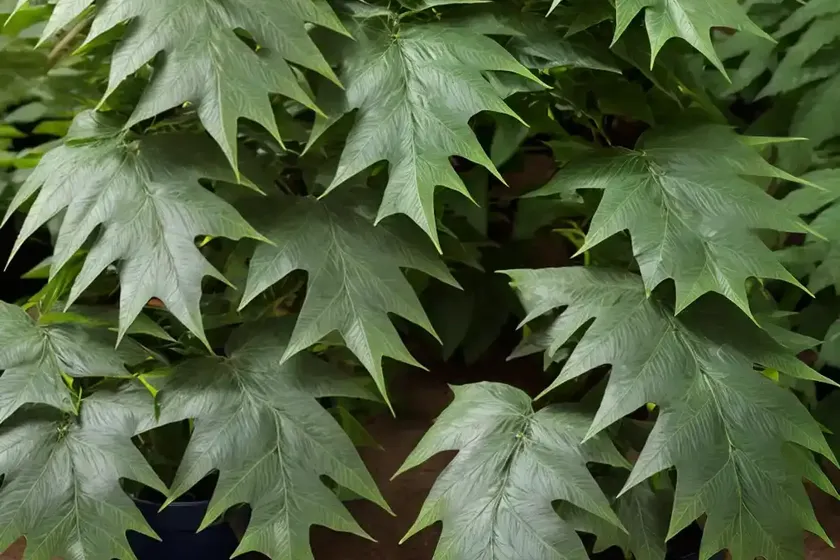
Mahonia bealei, commonly known as Leatherleaf Mahonia, is an evergreen shrub native to China. It belongs to the Berberidaceae family and is a popular landscaping choice due to its attractive foliage, fragrant flowers, and low maintenance requirements. In this comprehensive guide, we will explore the key characteristics and requirements for growing and caring for Mahonia bealei, including its culture, uses, water and sunlight needs, fertilizer requirements, soil preferences, pruning techniques, propagation methods, common diseases, and pests. Additionally, we will delve into fun facts about this plant and provide botanist’s tips for successful cultivation. Let’s embark on a journey to discover the beauty and benefits of Mahonia bealei.
What is Mahonia bealei (Leatherleaf Mahonia)?
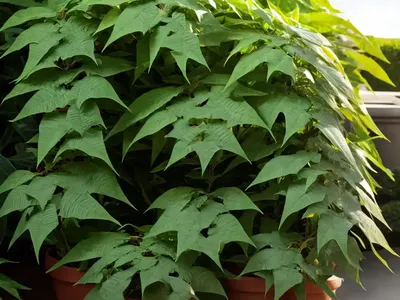
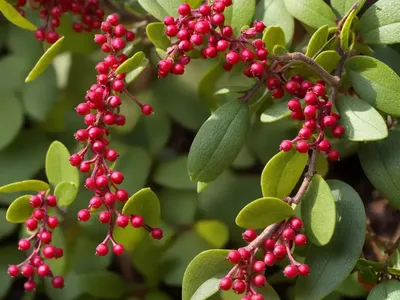
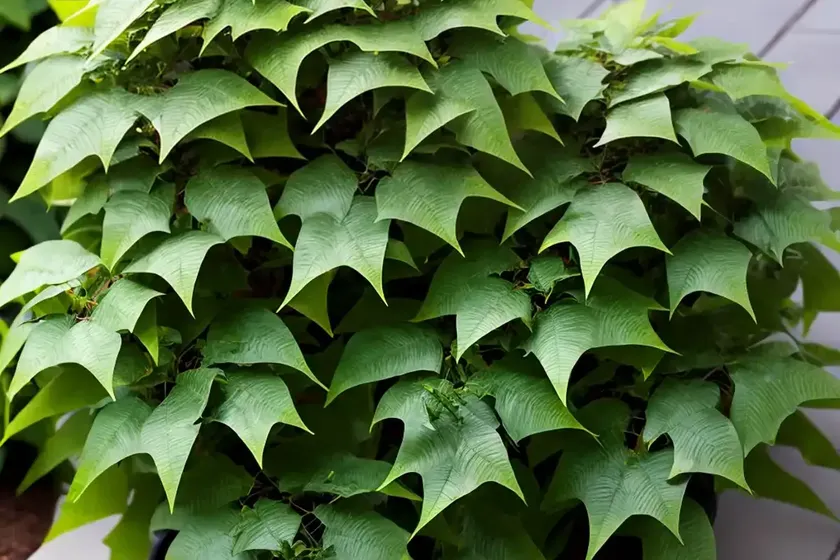
Mahonia bealei, commonly known as Leatherleaf Mahonia, is a species of flowering plant in the family Berberidaceae. It is native to China and is cultivated in various regions for its ornamental value and adaptability to different environmental conditions. This evergreen shrub is characterized by its leathery, pinnately compound leaves, fragrant yellow flowers, and clusters of dark blue berries. The plant typically reaches a height of 4 to 10 feet and spreads to a width of 4 to 8 feet, forming an impressive and dense shrub with an architectural quality. Its bold, spiny foliage and visually striking appearance make it a popular choice for landscaping, especially in gardens and naturalized areas.
Key Takeaways – Mahonia bealei (Leatherleaf Mahonia)
Leatherleaf Mahonia is a versatile and resilient shrub that offers numerous benefits for landscapes and gardens. Here are the key takeaways regarding the culture, uses, and maintenance requirements of Mahonia bealei:
-
Culture: Mahonia bealei thrives in well-drained, acidic soils and requires minimal maintenance once established. It is known for its adaptability to various soil types and environmental conditions, making it an excellent choice for both novice and experienced gardeners.
-
Uses: The plant serves multiple purposes in landscaping, including as a specimen plant, hedging, or border planting. Its evergreen nature, attractive foliage, and fragrant flowers make it a desirable addition to gardens, parks, and commercial landscapes.
-
Water: Leatherleaf Mahonia has medium water needs and benefits from regular watering, especially during dry periods. However, it is also tolerant of short periods of drought once established.
-
Sunlight: It thrives in partial to full shade, making it suitable for shaded or woodland gardens. However, it can also tolerate some sun, especially in cooler climates.
-
Fertilizer: The shrub benefits from a balanced, slow-release fertilizer in spring to support healthy growth and flowering.
-
Soil: It prefers acidic, well-drained soils and is adaptable to a wide range of soil types, including loamy, sandy, or clay soils.
-
Pruning: Regular pruning helps maintain the plant’s shape and promote new growth. It is best to prune Mahonia bealei immediately after flowering, removing any damaged or overgrown branches.
-
Propagation: The plant can be propagated through seeds or by dividing mature clumps. Propagation from seeds requires time and patience, while division ensures genetic uniformity and faster establishment of new plants.
-
Container Popularity: Mahonia bealei is well-suited for container gardening, adding an evergreen element to outdoor spaces and patios.
-
Common Diseases: The plant may be susceptible to fungal diseases such as powdery mildew and rust, especially in humid conditions.
-
Common Pests: While generally pest-resistant, Leatherleaf Mahonia may occasionally attract aphids, scale insects, and spider mites.
-
Botanist’s Tips: To promote optimal growth and flowering, ensure adequate moisture, provide filtered light in hot climates, and protect the plant from harsh winds.
Now that we have an overview of the key aspects of Mahonia bealei, let’s delve deeper into its characteristics and specific requirements for successful cultivation.
Culture
Water
Mahonia bealei has moderate water needs and benefits from regular watering to maintain soil moisture. When establishing a new plant, it is essential to provide sufficient water to support root development and establishment. Additionally, regular watering is crucial during dry spells to prevent stress and dehydration. However, the plant is relatively drought-tolerant once established, making it suitable for regions with sporadic rainfall or water restrictions.
When watering Leatherleaf Mahonia, aim to keep the soil consistently moist but not waterlogged, as excessive moisture can lead to root rot and other fungal issues. Depending on the climate and soil drainage, a general guideline is to provide approximately 1 inch of water per week, either through rainfall or supplemental irrigation. Observing the soil moisture level and the plant’s response to watering can help determine the appropriate frequency for watering Mahonia bealei.
Sunlight
Mahonia bealei thrives in partial to full shade environments, making it a versatile choice for shaded landscapes and woodland gardens. Its preference for shade makes it well-suited for planting under trees or in areas with filtered sunlight. In cooler climates, Leatherleaf Mahonia can tolerate more sun exposure, but it may benefit from some protection against intense afternoon sun, especially in regions with hot summers.
When selecting a planting site for Mahonia bealei, consider the natural light conditions and aim to provide an environment with dappled shade or partial sun. Ample sunlight encourages healthy growth and flowering while protecting the plant from excessive heat and sunburn. By understanding the plant’s light requirements, gardeners can create an optimal environment for Leatherleaf Mahonia to thrive and showcase its ornamental qualities.
Fertilizer
Fertilizing Mahonia bealei is beneficial for promoting healthy growth, abundant flowering, and overall vitality. A balanced, slow-release fertilizer applied in spring provides essential nutrients to support the plant’s development throughout the growing season. When selecting a fertilizer for Leatherleaf Mahonia, opt for a formulation with a balanced NPK ratio, such as a 10-10-10 or 20-20-20 blend, designed for flowering shrubs and ornamental plants.
To fertilize Mahonia bealei effectively, follow these guidelines:
- Timing: Apply the fertilizer in early spring, just as new growth begins, to provide a nutrient boost for the upcoming growing season.
- Application: Spread the fertilizer evenly around the base of the plant, avoiding direct contact with the stems or foliage.
- Watering: After applying the fertilizer, water the soil thoroughly to help the nutrients penetrate the root zone and initiate uptake by the plant.
By incorporating a regular fertilization routine, gardeners can enhance the vigor and visual appeal of Mahonia bealei, ensuring robust growth and prolific flowering.
Soil
Mahonia bealei thrives in well-drained, acidic soils with a pH level ranging from 4.5 to 6.0. While it prefers acidic conditions, the plant demonstrates remarkable adaptability to various soil types, including loamy, sandy, or clay soils. This versatility allows for successful cultivation of Leatherleaf Mahonia in different regions and soil compositions, providing gardeners with flexibility in landscaping and garden design.
When planting Mahonia bealei, it is important to prepare the soil by incorporating organic matter, such as compost or peat moss, to improve drainage and fertility. Additionally, amending the soil with acidicifiers or sphagnum peat can help create an optimal growing medium for the plant, ensuring that it has access to essential nutrients and moisture while maintaining an acidic pH level.
The adaptable nature of Mahonia bealei extends to its soil preferences, making it a resilient and low-maintenance choice for gardens, parks, and commercial landscapes.
Uses
Ornamental Value
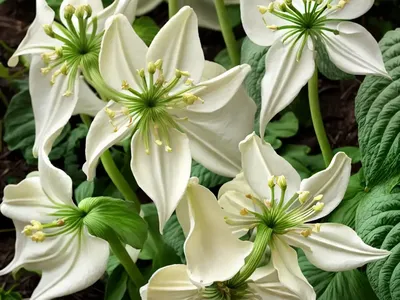
Mahonia bealei is prized for its ornamental value, featuring a combination of attractive foliage, fragrant flowers, and clusters of blue-black berries. The plant’s bold, spiny leaves add texture and visual interest to landscapes, while the aromatic yellow flowers contribute to its appeal as a sensory garden addition. The clusters of berries that follow the flowering period provide ornamental value and may also attract wildlife, adding to the plant’s ecological significance.
Leatherleaf Mahonia serves multiple purposes in landscaping, including:
- Specimen Plant: As a solitary focal point in a garden bed or landscape, Mahonia bealei creates a striking visual impact, showcasing its architectural form and evergreen foliage.
- Hedging: Due to its dense growth habit and thorny foliage, the plant is suitable for creating privacy screens, natural barriers, or delineating property boundaries.
- Border Planting: Mahonia bealei can be used along garden borders, pathways, or under larger trees, providing a lush and resilient backdrop for other garden plants.
- Naturalized Areas: When planted in woodland or naturalized settings, the shrub contributes to the natural beauty of the landscape, blending seamlessly with native vegetation.
Ecological Significance
In addition to its aesthetic value, Mahonia bealei offers ecological benefits by attracting pollinators and wildlife. The fragrant flowers of Leatherleaf Mahonia are attractive to bees, butterflies, and other beneficial insects, supporting their foraging needs and contributing to overall garden biodiversity. The subsequent formation of blue-black berries provides a food source for birds, further enhancing the plant’s role in the ecosystem.
By incorporating Mahonia bealei into designed landscapes, gardeners can create visually appealing settings while also supporting local wildlife and promoting ecological balance. The plant’s ecological significance aligns with sustainable landscaping practices and the creation of resilient, biodiverse environments.
Medicinal and Cultural Uses
While primarily cultivated for its ornamental value, some Mahonia species, including Mahonia bealei, have been used in traditional medicine and herbal remedies. The roots and bark of certain Mahonia species contain alkaloids with potential medicinal properties, and they have been used in traditional Chinese medicine for various purposes, including treating inflammatory conditions and infections.
The cultural significance of Mahonia bealei extends to its historical and symbolic associations, as well as its use in landscaping traditions and horticultural practices. Recognizing the multifaceted uses of the plant enhances its value and relevance in diverse cultural and ecological contexts.
By appreciating the ornamental, ecological, and cultural uses of Mahonia bealei, gardeners and landscape enthusiasts can gain a holistic understanding of the plant’s significance and potential for enhancing outdoor spaces.
Pruning
Pruning is an essential aspect of Mahonia bealei maintenance, contributing to the plant’s health, shape, and flowering performance. Proper pruning techniques help control the plant’s size, remove dead or damaged growth, and encourage new shoots and blooms. Understanding the best practices for pruning Leatherleaf Mahonia is key to maintaining its visual appeal and promoting its longevity.
Timing
The ideal time for pruning Mahonia bealei is immediately after the flowering period, typically in late spring to early summer. This timing allows the plant to recover and initiate new growth before entering the dormant or low-growth phase. Pruning during this period minimizes the risk of disrupting the plant’s natural flowering cycle while promoting healthy development for the upcoming season.
Techniques
When pruning Mahonia bealei, consider the following techniques:
-
Deadheading: Remove spent flowers and clusters of berries to maintain a tidy appearance and prevent self-seeding. This practice also encourages the plant to allocate energy towards new growth rather than seed production.
-
Thinning and Shaping: Thin out crowded or crossing branches to improve air circulation and light penetration within the plant’s canopy. Additionally, shape the shrub to maintain a balanced and visually appealing form, ensuring that the branches are evenly distributed and the overall structure remains intact.
-
Height Control: Trim back any excessively tall or leggy growth to manage the plant’s size and prevent it from becoming unruly. Maintaining a compact and well-proportioned shrub contributes to its aesthetic appeal and overall health.
-
Pruning Tools: Use sharp, clean pruning shears or loppers to make precise cuts without causing damage to the plant. Disinfecting the tools before and after pruning helps minimize the risk of spreading diseases between plants.
By employing proper pruning techniques and adhering to the recommended timing, gardeners can effectively manage the growth and appearance of Mahonia bealei, ensuring that it remains a visually stunning and well-maintained element in the landscape.
Propagation
Propagation of Mahonia bealei can be achieved through several methods, including seeds and division. Each approach offers unique benefits and considerations, providing gardeners with options for expanding their plantings or sharing Mahonia bealei with others.
Seed Propagation
While propagating Mahonia bealei from seeds is possible, it requires patience and an understanding of the plant’s germination process. To propagate the shrub from seeds, follow these steps:
-
Seed Collection: Harvest ripe berries from the plant, extract the seeds, and clean them to remove any pulp or debris. The seeds can be air-dried and stored in a cool, dry place until ready for sowing.
-
Seed Stratification: Many Mahonia species, including Mahonia bealei, benefit from a period of cold stratification to break seed dormancy and promote germination. This process simulates the natural conditions that the seeds experience in the wild, preparing them for successful sprouting.
-
Sowing and Germination: Plant the seeds in a well-draining seed-starting mix and keep the soil consistently moist. Provide indirect light and maintain a suitable temperature for germination, typically around 65-75°F (18-24°C). Germination may take several weeks to months, requiring patience and attentive care.
-
Transplanting: Once the seedlings develop several sets of true leaves, they can be transplanted into individual pots or outdoor locations. Handle the seedlings carefully to avoid damaging the delicate roots and young shoots.
Seed propagation of Mahonia bealei offers an opportunity to grow new plants from collected seeds, allowing for genetic diversity and the potential discovery of unique traits in the offspring. While it requires time and dedication, seed propagation can be a rewarding way to expand the plant’s presence in a garden or landscape.
Division
Dividing mature Mahonia bealei plants is a reliable method for propagating the shrub while maintaining genetic uniformity and accelerating the establishment of new plants. Division involves separating the root ball or clumps of the plant into smaller sections, each containing viable stems, roots, and shoots. To propagate Mahonia bealei through division, follow these steps:
-
Timing: The best time to divide Mahonia bealei is in early spring before new growth begins, or in the fall after the plant has finished flowering. These timing considerations align with the plant’s natural growth cycles and provide optimal conditions for successful division.
-
Preparation: Water the plant thoroughly in the days leading up to division to ensure the soil is adequately moist. Prepare the new planting locations by amending the soil with organic matter and ensuring proper drainage.
-
Division Process: Using a sharp spade or shovel, carefully dig around the perimeter of the plant, creating a root ball that can be lifted and divided. Separate the clumps into smaller sections, ensuring that each division contains healthy roots and shoots.
-
Transplanting: Plant the divided sections in their new locations at the same depth they were previously growing. Water the transplanted divisions thoroughly to promote root establishment and reduce transplant shock.
Division allows gardeners to propagate Mahonia bealei effectively, ensuring the genetic integrity of the offspring while hastening their growth and development. By employing division as a propagation method, gardeners can create new plantings or share the shrub with others, contributing to the widespread appreciation and cultivation of Leatherleaf Mahonia.
Common Diseases
Disease Diagnosis
While Mahonia bealei is generally resilient and disease-resistant, it can be susceptible to certain fungal infections under specific environmental conditions. Common diseases that may affect Leatherleaf Mahonia include:
-
Powdery Mildew: This fungal disease presents as a powdery, white coating on the leaves and stems, often causing distortion and stunted growth. It thrives in humid environments and can be exacerbated by poor air circulation.
-
Rust: Rust infections manifest as orange or brown spots on the undersides of leaves, eventually leading to premature leaf drop and reduced overall vigor. Rust fungi require moisture to spread, making proper watering practices crucial for prevention.
Observing the symptoms and patterns of any potential disease can aid in accurate diagnosis and prompt treatment. Early intervention is key to managing and preventing the spread of diseases, protecting the health and appearance of Mahonia bealei.
Common Pests
Pests Identification
Mahonia bealei exhibits resistance to most common garden pests, but it may occasionally encounter infestations by sap-sucking insects and mites. While the plant’s natural defenses often mitigate pest damage, monitoring for signs of infestation allows gardeners to address potential pest issues promptly. Common pests that may target Leatherleaf Mahonia include:
-
Aphids: These small, soft-bodied insects cluster on young shoots and leaf undersides, feeding on plant sap and secreting honeydew, which can attract other pests and promote sooty mold growth.
-
Scale Insects: Scale insects appear as small, waxy bumps on the stems and leaves, feeding on the plant’s sap and causing weakening and yellowing of the foliage.
-
Spider Mites: These tiny arachnids may infest Mahonia bealei, causing stippling, webbing, and overall decline in plant vigor.
Pest Management
To manage and prevent pest infestations, consider the following strategies:
-
Monitoring: Regularly inspect Mahonia bealei for signs of pest activity, including distorted growth, yellowing leaves, or the presence of insects and webs.
-
Pruning: Remove and dispose of heavily infested plant parts to minimize pest populations and reduce the risk of spread to healthy growth.
-
Natural Predators: Encourage natural predators, such as ladybugs and lacewings, that feed on aphids and other pest insects. Maintaining a balanced ecosystem supports biological pest control processes.
-
Horticultural Oil: Utilize horticultural oil sprays to suffocate and control soft-bodied pests, such as aphids and spider mites, while minimizing potential harm to beneficial insects.
By implementing proactive pest management measures and staying vigilant for signs of infestation, gardeners can help protect Mahonia bealei from pest damage and maintain its optimal health and appearance.
Botanist’s Tips
Fun Facts
-
Leatherleaf Mahonia is often used in traditional Chinese medicine for its purported medicinal properties, with applications in addressing various ailments and health concerns.
-
The plant’s clusters of blue-black berries are a food source for birds, contributing to wildlife attraction and ecological diversity in gardens and naturalized areas.
-
Mahonia bealei is an excellent choice for shaded gardens and woodland landscapes, adding year-round interest and visual appeal in low-light environments.
-
The thorny foliage of Mahonia bealei provides a natural deterrent against browsing animals and unauthorized access, making it useful for creating protective barriers and hedging in outdoor spaces.
Botanist’s Tips for Successful Cultivation
-
Moisture Management: Ensure consistent soil moisture, especially during the establishment phase and dry periods, to support healthy growth and flowering.
-
Filtered Light: Provide shaded or partially shaded environments for Mahonia bealei, particularly in regions with intense sun and heat, to prevent foliage burn and stress.
3.