Mahonia Aquifolium (Oregon Grape Holly)
Welcome to our comprehensive guide on Mahonia aquifolium, commonly known as Oregon Grape Holly. In this article, we will explore the various aspects of.
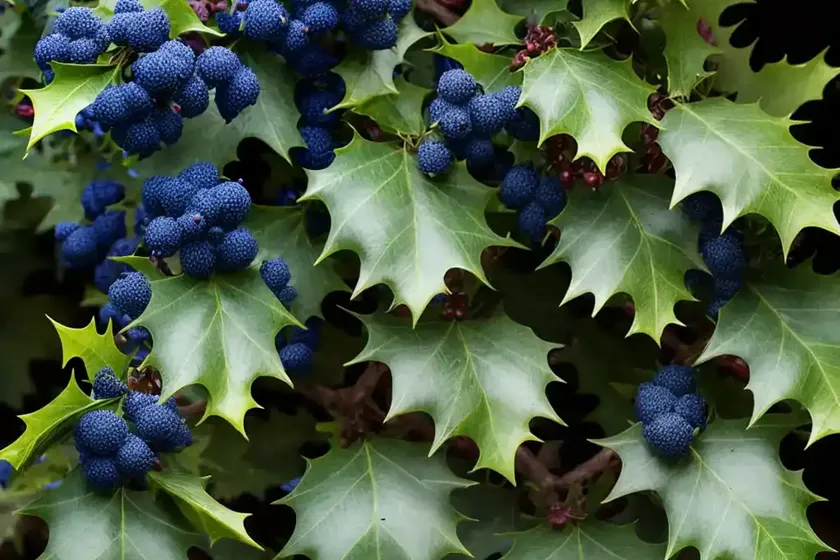
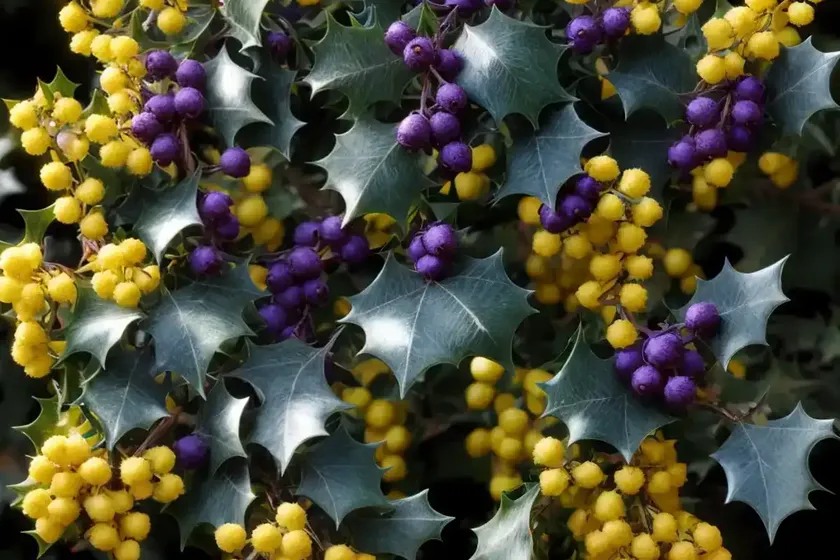
Welcome to our comprehensive guide on Mahonia aquifolium, commonly known as Oregon Grape Holly. In this article, we will explore the various aspects of this fascinating plant, including its cultural requirements, uses, propagation techniques, common diseases, and much more. Whether you are an experienced gardener or a novice plant enthusiast, this guide will provide you with valuable insights into the world of Mahonia aquifolium.
What is Mahonia aquifolium (Oregon Grape Holly)?
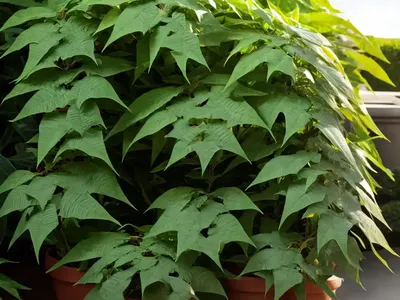
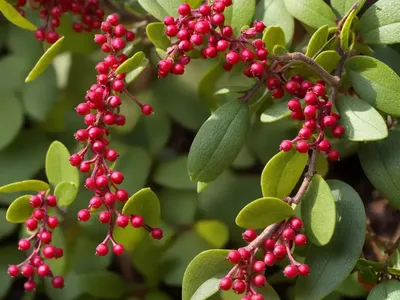
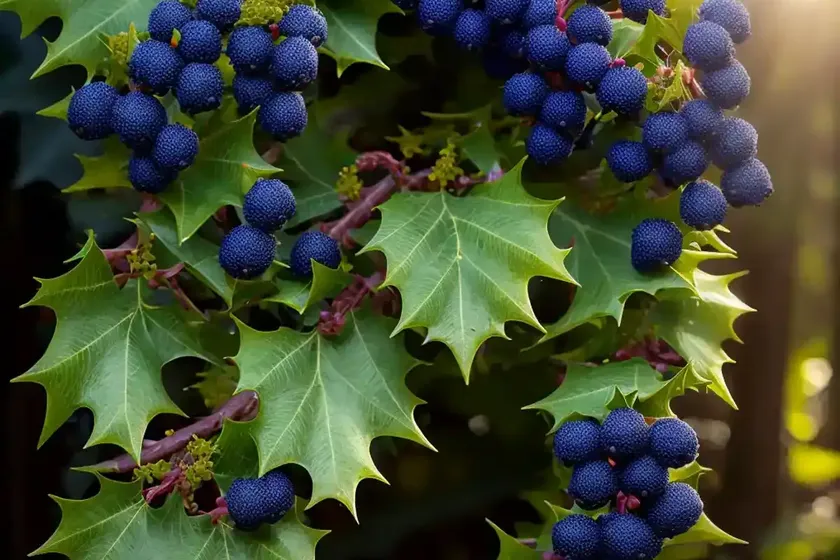
Mahonia aquifolium, also referred to as the Oregon Grape Holly, is a species of flowering plant in the family Berberidaceae. It is native to the western part of North America, particularly the regions of Oregon, Washington, and British Columbia. This evergreen shrub is known for its holly-like foliage, vibrant yellow flowers, and clusters of dark blue, grape-like berries. The plant has historically held cultural and medicinal significance among indigenous communities in its native habitat.
Key Takeaways – Mahonia aquifolium (Oregon Grape Holly)
Before delving into the specifics of Mahonia aquifolium, let’s take a quick look at some of the key takeaways associated with this remarkable plant:
- Mahonia aquifolium benefits: Explore the numerous benefits and uses of Mahonia aquifolium, both in traditional and modern contexts.
- Oregon Grape Holly uses: Discover the various uses of Oregon Grape Holly in landscaping, herbal remedies, and more.
- Medicinal properties of Mahonia aquifolium: Uncover the medicinal properties and traditional uses of Mahonia aquifolium.
- Mahonia aquifolium cultivation tips: Gain insights into the optimal cultivation practices for Mahonia aquifolium.
- Oregon Grape Holly care guide: Learn about the essential care requirements for maintaining healthy Oregon Grape Holly plants.
- Mahonia aquifolium ecological importance: Understand the ecological significance and wildlife value of Mahonia aquifolium.
- Reasons to grow Mahonia aquifolium: Discover compelling reasons to incorporate Mahonia aquifolium into your garden or landscape.
- Mahonia aquifolium landscape ideas: Explore creative landscape design ideas featuring Mahonia aquifolium.
- Oregon Grape Holly landscaping tips: Gain practical tips for incorporating Oregon Grape Holly into your landscaping projects.
- Mahonia aquifolium for wildlife: Learn about the plant’s role in supporting and attracting wildlife.
This comprehensive guide will address these highlights and provide in-depth information on Mahonia aquifolium, serving as a valuable resource for plant enthusiasts, gardeners, and horticulture professionals.
Culture
Water
Mahonia aquifolium is known for its adaptability to different moisture conditions. While it prefers well-drained soil, it can tolerate occasional periods of drought once established. However, regular watering is essential, especially during its initial growth stages and in prolonged dry spells. Adequate moisture contributes to healthy foliage and sustained flowering, making it important to monitor the plant’s water requirements, particularly during the summer months.
Sunlight
When it comes to sunlight requirements, Mahonia aquifolium thrives in partial to full shade. In its native habitat, it is commonly found in woodland areas and the understory of forests, where it receives filtered sunlight. When cultivating Mahonia aquifolium in a garden or landscape setting, it is best to position it in a location that offers partial shade or dappled sunlight throughout the day. This ensures optimal growth and prevents the foliage from scorching in intense sunlight.
Fertilizer
Mahonia aquifolium generally responds well to organic, slow-release fertilizers. Prior to applying any fertilizers, it is advisable to conduct a soil test to determine the nutrient levels and pH of the soil. Based on the test results, appropriate amendments can be made to optimize the soil conditions for the plant. A balanced, slow-release fertilizer can be applied in the spring to promote healthy growth and abundant flowering. It is important to follow the recommended application rates to prevent over-fertilization, which can be detrimental to the plant’s health.
Soil
The Oregon Grape Holly thrives in well-drained, slightly acidic soil. It is adaptable to various soil types, including loamy, sandy, and clay soils, as long as they offer good drainage. When planting Mahonia aquifolium, it is beneficial to amend the soil with organic matter, such as compost or leaf mold, to improve its structure and fertility. Additionally, mulching around the base of the plant helps retain soil moisture, suppresses weed growth, and provides insulation to the root system during temperature fluctuations.
Pruning
Pruning Mahonia aquifolium is essential for maintaining its shape, controlling its size, and rejuvenating older plants. Pruning is typically performed after the plant has finished flowering, usually in late spring or early summer. It is important to remove any dead or damaged branches, as well as thin out crowded growth to enhance air circulation within the plant. This not only improves its overall health but also reduces the risk of disease and pest infestations. When pruning, it is advisable to wear protective gloves due to the plant’s sharply toothed leaflets.
Propagation
Propagation of Mahonia aquifolium can be achieved through various methods, including seed propagation, division of established clumps, and softwood cuttings. The most common method of propagation is by collecting and sowing fresh seeds in a suitable growing medium, preferably in the fall. Another approach involves dividing mature plants during the early spring, separating the rhizomes or offshoots to establish new plants. Softwood cuttings taken in late spring or early summer can also be rooted to produce new Mahonia aquifolium plants, although this method requires proper care and attention to ensure successful rooting.
Container Popularity
Mahonia aquifolium’s compact growth habit and ornamental features make it an attractive choice for container gardening. Its ability to thrive in partial shade also makes it suitable for container cultivation in various outdoor settings, such as patios, balconies, and shade gardens. When grown in containers, it is important to ensure adequate watering and provide a well-draining potting mix to promote healthy root development. Regular monitoring of the plant’s moisture requirements is essential, as containers may dry out more quickly than garden soil, especially during hot and windy conditions.
Common Diseases
Disease Diagnosis
Mahonia aquifolium is generally resistant to most common diseases when provided with suitable growing conditions and proper care. However, it may be susceptible to certain fungal infections and foliar diseases, particularly in humid or poorly ventilated environments. Regular inspection of the plant for any signs of disease, such as discolored or distorted foliage, can aid in early detection and prompt management. Proper sanitation, adequate air circulation, and avoiding overhead watering can help prevent the onset and spread of diseases in Mahonia aquifolium.
Common Pests
Mahonia aquifolium is relatively resistant to many insect pests due to its natural compounds, including berberine, which acts as a deterrent. However, it may still face occasional challenges from pests such as aphids, scale insects, and spider mites. Monitoring the plant for any signs of pest infestation, such as stippled or curled leaves, sticky residues, or visible insects, is crucial for early intervention. Non-toxic control measures, such as spraying the plant with a strong stream of water or using horticultural oils, can be employed to manage pest populations effectively without harming beneficial insects.
Botanist’s Tips
Fun Facts
- In addition to its ornamental value, Mahonia aquifolium is also known for its edible berries, which can be used to make jams, jellies, and wines.
- The plant’s bright yellow flowers are a valuable source of nectar for pollinators such as bees and butterflies, making it a beneficial addition to wildlife-friendly gardens.
- Mahonia aquifolium has a rich cultural history and has been used by indigenous communities for various purposes, ranging from medicinal remedies to dyeing textiles.
Links to External Resources
For further exploration and in-depth study of Mahonia aquifolium, the following links to external resources are highly informative:
- Pacific Northwest Plant Monograph – Mahonia aquifolium
- The American Horticultural Society A-Z Encyclopedia of Garden Plants
- Royal Horticultural Society – Mahonia
- University of California Agriculture and Natural Resources – Mahonia aquifolium
In conclusion, Mahonia aquifolium, or Oregon Grape Holly, is an engaging and versatile plant with a wealth of attributes that make it an excellent addition to both ornamental gardens and natural landscapes. Its distinctive foliage, vibrant flowers, and ecological importance contribute to its appeal, while its cultural and medicinal significance enriches its overall value. By understanding its cultural requirements, uses, and ecological importance, plant enthusiasts and horticulturists can appreciate and harness the potential of Mahonia aquifolium to create captivating and sustainable landscapes. Whether you are drawn to its ornamental beauty, its ecological benefits, or its historical significance, Mahonia aquifolium stands as a testament to the diverse and captivating world of plants.
With the information presented in this comprehensive guide, plant enthusiasts and horticulturists can gain valuable insights into the world of Mahonia aquifolium, also known as Oregon Grape Holly. From its cultural requirements to its ecological importance and uses, this guide serves as a valuable resource for those seeking to enhance their understanding and appreciation of this remarkable plant. Whether for ornamental gardening, ecological restoration, or medicinal exploration, Mahonia aquifolium offers a wealth of possibilities for those who seek to delve into its captivating realm.