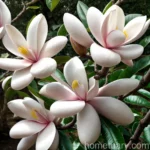
All About Magnolia x soulangeana (Saucer Magnolia)
In the world of ornamental plants, the Magnolia x soulangeana, commonly known as the Saucer Magnolia, emerges as a star performer. Renowned for its stunning, large, saucer-shaped flowers, this deciduous hybrid plant has captivated the hearts of many garden enthusiasts across the globe. In this comprehensive guide, we will explore the various aspects of the Saucer Magnolia, its culture, uses, care requirements, and common diseases and pests that it may encounter.
What is Magnolia x soulangeana (Saucer Magnolia)?
The Magnolia x soulangeana is a hybrid plant developed by crossing Magnolia denudata with Magnolia liliiflora. It belongs to the Magnoliaceae family and is celebrated for its early spring flowering and attractive foliage. Often grown as a small tree or large shrub, the Saucer Magnolia is renowned for its exceptional beauty and ornamental value.
Key Takeaways – Magnolia x soulangeana (Saucer Magnolia)
Before delving into the details, let’s take a look at the key takeaways about Magnolia x soulangeana:
- Common Name: Saucer Magnolia
- Botanical Name: Magnolia x soulangeana
- Plant Type: Deciduous tree or large shrub
- Flower Color: Varying shades of pink, purple, or white, depending on the cultivar.
- Bloom Time: Early spring
- Growth Rate: Moderate
- Hardiness Zone: 4-9
Now that we have an overview of this captivating plant, let’s dive into the specific aspects of its culture and care.
Culture
Cultivating a Magnolia x soulangeana requires an understanding of its specific cultural requirements. By catering to these needs, one can ensure the optimal growth and development of this striking ornamental plant.
Uses
The Saucer Magnolia serves several practical and aesthetic purposes in the landscape. Some common uses include:
- Ornamental Feature: The large, showy flowers make it a standout specimen in the garden, especially during the spring season.
- Shade Tree: When grown as a tree, it provides dappled shade, making it an ideal addition to gardens and landscapes.
- Focal Point: Often used as a focal point in garden designs due to its striking blooms.
Water
Proper watering is essential for the health and vigor of Magnolia x soulangeana. Here are some tips for effective watering:
- Established Plants: Once established, they are moderately drought tolerant, but regular watering is recommended, especially during dry spells.
- Young Plants: Newly planted Saucer Magnolias should be watered more frequently to aid in root establishment.
Sunlight
The Saucer Magnolia thrives in a sunny or partially shaded location. Consider the following sunlight requirements:
- Full Sun: It appreciates full sun conditions, especially in cooler regions.
- Partial Shade: In warmer climates, providing some afternoon shade can prevent stress on the plant.
Fertilizer
Applying the right fertilizers at the appropriate times can significantly enhance the growth and flowering of Magnolia x soulangeana. Consider the following fertilizer guidelines:
- Timing: Fertilize in early spring before new growth appears and again in late spring if necessary.
- Type: A balanced, slow-release fertilizer formulated for flowering trees and shrubs can promote healthy growth and abundant blooms.
Soil
The soil characteristics play a pivotal role in the overall health and vigor of Saucer Magnolias. Here are some key soil considerations:
- Well-Drained Soil: Magnolia x soulangeana prefers well-drained, slightly acidic soil. Avoid waterlogged or compacted soils.
- Amendments: Incorporating organic matter into the soil during planting can improve its structure and fertility.
Pruning
Proper pruning is essential for maintaining the desired form and vigor of Magnolia x soulangeana. Here are some pruning guidelines for this plant:
- Timing: Prune immediately after flowering to avoid impacting the following year’s bloom.
- Purpose: Remove dead or damaged branches, and shape the plant as desired. Avoid extensive pruning, as it can disrupt the natural form of the plant.
Propagation
Understanding the various methods of propagating Magnolia x soulangeana can be valuable for expanding its presence in a garden or landscape. Some common propagation techniques include:
- Softwood Cuttings: Propagate using softwood cuttings taken in late spring or early summer.
- Grafting: Grafting onto suitable rootstocks can also be performed to propagate selected varieties.
Container Popularity
With its ornamental appeal, the Saucer Magnolia is popularly grown in containers, allowing it to be featured on patios, decks, or small gardens.
Container Common Diseases
When grown in containers, Saucer Magnolias may be susceptible to certain diseases specific to container culture. Some common diseases to watch out for include:
- Root Rot: Overwatering or poorly drained soil in containers can lead to root rot issues.
- Leaf Spot: Fungal leaf spot diseases may occur in humid conditions.
Disease Diagnosis
In order to effectively manage and treat diseases, it is important to accurately diagnose the underlying issue. Visual symptoms and laboratory analysis can aid in identifying the specific disease affecting the plant.
Common Pests
While generally resilient, Saucer Magnolias are not immune to pest infestations. Some common pests that may affect them include:
- Scale Insects
- Aphids
- Spider Mites
Botanist’s Tips
As a plant scientist, I would like to share some expert tips for cultivating and caring for Magnolia x soulangeana:
- Site Selection: Choose a well-drained location with ample sunlight for optimal growth and flowering.
- Mulching: Apply a layer of organic mulch around the base of the plant to conserve soil moisture and regulate soil temperature.
- Winter Protection: In regions with harsh winters, protect the plant from extreme cold and frost to prevent damage to tender buds and branches.
Fun Facts
Let’s explore some intriguing and delightful facts about Magnolia x soulangeana:
- The Saucer Magnolia is a deciduous plant, shedding its leaves in the fall.
- It is a favorite among pollinators, attracting bees and butterflies with its nectar-rich flowers.
- The flowers of Magnolia x soulangeana are not only visually stunning but also possess a pleasing fragrance, adding to their allure.
Now that we have gained a comprehensive understanding of the Saucer Magnolia, it’s time to explore further resources and delve deeper into its care and maintenance.
Links to External Resources
For a more in-depth exploration of the various aspects of Magnolia x soulangeana, I recommend the following external resources:
- The American Magnolia Society – A wealth of information on magnolias, including cultivation tips and recommended varieties.
- University Cooperative Extension Services – Local cooperative extension services often provide region-specific guidance on plant care and management.
- Royal Horticultural Society – A trusted source for horticultural advice, featuring extensive plant profiles and care recommendations.
In conclusion, Magnolia x soulangeana, or the Saucer Magnolia, is a captivating and rewarding plant to incorporate into garden landscapes. By adhering to its specific cultural requirements and implementing proper care practices, one can enjoy the breathtaking beauty of its blooms and the overall ornamental charm it brings to outdoor spaces.
Through this guide, I hope to have imparted valuable insights and practical tips for nurturing and appreciating the splendid attributes of the Saucer Magnolia. Happy gardening!
This blog post is for informational purposes only and does not replace professional advice. Some plants may be invasive or may cause allergic reactions in some individuals. Exercise caution and seek guidance from a local horticulturist before planting.