Lupinus Arboreus (Tree Lupine)
Lupinus arboreus, commonly known as Tree Lupine, is a stunning flowering plant that belongs to the family Fabaceae. This species is native to the coastal.
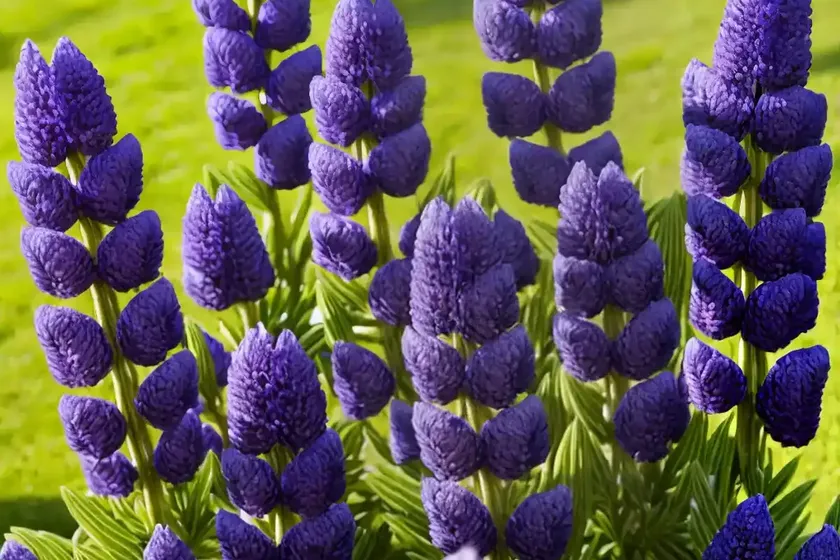
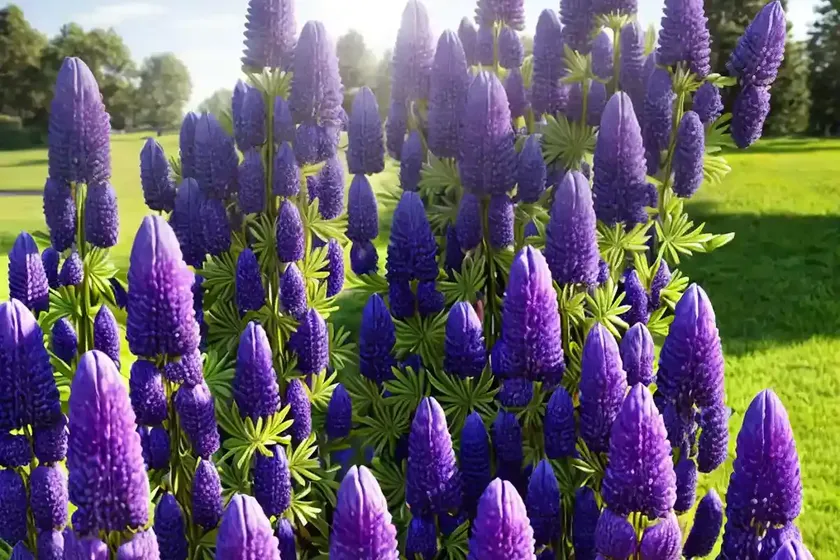
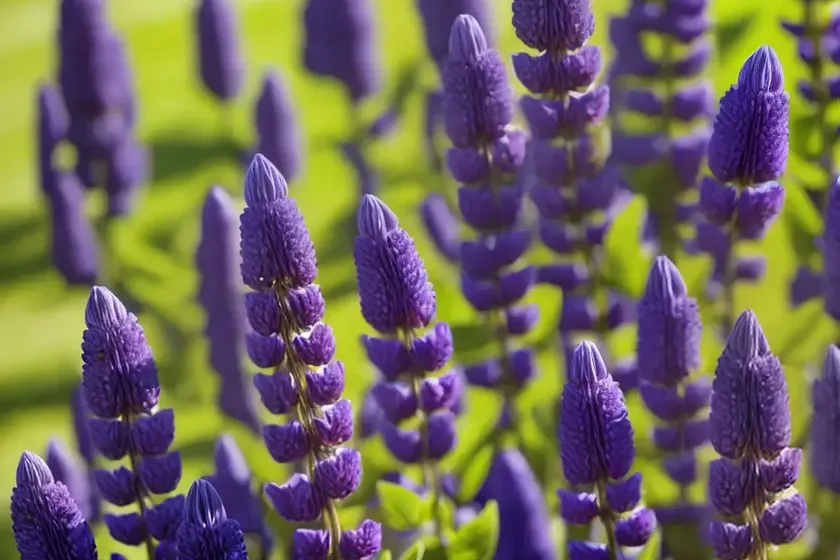
Lupinus arboreus, commonly known as Tree Lupine, is a stunning flowering plant that belongs to the family Fabaceae. This species is native to the coastal regions of North America, particularly California and Oregon. With its vibrant flowers and remarkable ability to thrive in challenging coastal conditions, Tree Lupine has become a popular choice for gardens, coastal restorations, and landscaping projects. In this comprehensive guide, we will delve into the culture, uses, care, and maintenance of Lupinus arboreus, offering valuable insights for both experienced and novice gardeners.
Key Takeaways
Before we delve into the detailed aspects of Tree Lupine, let’s take a look at the key takeaways to provide a quick overview:
- Benefits: Tree Lupine offers an array of benefits, including its vibrant foliage, vibrant flowers, and its ability to attract wildlife.
- Care Guide: Successful cultivation of Lupinus arboreus requires understanding its specific growing conditions, watering needs, pruning techniques, and more.
- Propagation: Propagation of Tree Lupine can be achieved through several methods, including seed starting and transplanting guides.
- Plant Characteristics: Understanding the characteristics of the plant, including its growth rate, root system, climate preferences, and medicinal uses, is crucial for its successful cultivation.
- Disease and Pest Control: Tree Lupine is susceptible to certain diseases and pests, and understanding effective control and treatment methods is important in maintaining its health and vigor.
Now, let’s explore the various aspects of caring for and cultivating Lupinus arboreus in your garden or landscape.
Plant Name: Lupinus arboreus (Tree Lupine)
Lupinus arboreus is a stunning flowering plant with distinct characteristics that make it a valuable addition to gardens and landscapes. Known for its vibrant foliage, colorful flowers, and remarkable adaptability to coastal conditions, this species has gained popularity among both gardeners and landscaping professionals.
Culture
Understanding the cultural requirements of Tree Lupine is essential for its successful growth and development. Let’s explore some of the key cultural aspects of cultivating Lupinus arboreus:
- Water: While Tree Lupine can tolerate dry conditions, it thrives when provided with moderate water. However, it is important to avoid overwatering, as excessive moisture can lead to root rot. Proper drainage is essential to prevent waterlogging, particularly in regions with heavy rainfall.
- Sunlight: Lupinus arboreus thrives in full sun to partial shade. When planted in coastal regions, it is important to ensure that the plant receives adequate sunlight for optimal growth and flowering.
- Fertilizer: Tree Lupine benefits from well-balanced fertilizer applications during the growing season. A slow-release fertilizer with balanced NPK (nitrogen, phosphorus, and potassium) ratios can promote healthy growth and vibrant flowering.
- Soil: This species prefers well-drained, sandy or loamy soil. Soil with good drainage is essential to prevent waterlogged conditions, particularly in regions with high rainfall.
- Pruning: Regular pruning can help maintain the shape and vigor of Tree Lupine. Deadheading spent flowers can promote continuous blooming and prevent self-seeding in garden settings.
Uses
Tree Lupine offers a range of uses, making it a versatile and valuable plant for various gardening and landscaping applications:
- Garden Plant: With its vibrant flowers and attractive foliage, Lupinus arboreus is commonly used as a garden plant, adding color and texture to flower beds, borders, and mixed perennial plantings.
- Coastal Restoration: Due to its ability to thrive in coastal conditions, Tree Lupine is often used in coastal restoration projects to stabilize sandy soils and prevent erosion.
- Wildlife Attraction: The vibrant flowers of Tree Lupine attract pollinators such as bees and butterflies, making it a valuable addition to wildlife gardens and naturalistic landscapes.
Propagation
Propagation of Lupinus arboreus can be achieved through several methods, including seed starting and transplanting guides:
- Seed Starting: Tree Lupine can be propagated from seeds, which can be sown directly into the garden soil or started indoors before transplanting. Proper seed treatment and germination techniques can enhance the success of seed starting.
- Transplanting: Established plants can be propagated through division and transplanting. Care should be taken to minimize root disturbance during the transplanting process to ensure the plant’s successful establishment in its new location.
Container Popularity
While Lupinus arboreus is commonly grown in garden beds and naturalistic landscapes, it can also be successfully cultivated in containers, adding color and vibrancy to patios, balconies, and urban gardens.
Common Diseases
Tree Lupine is susceptible to certain diseases, and being able to recognize and manage these diseases is crucial for its overall health and vigor:
- Disease Diagnosis: Common diseases such as powdery mildew and leaf spot can affect Tree Lupine. Implementing proper sanitation and disease management techniques can help prevent and control these issues.
Common Pests
Certain pests can pose a threat to the health of Tree Lupine, and understanding effective pest control methods is essential in maintaining its vitality:
- Pest Control: Aphids and spider mites are among the common pests that can affect Lupinus arboreus. Regular monitoring and integrated pest management practices can help mitigate pest infestations.
Botanist’s Tips
As a plant scientist, I would like to share some valuable insights and tips for cultivating and caring for Lupinus arboreus based on scientific principles and horticultural practices:
- Choose the Right Location: When planting Tree Lupine, select a location with well-drained, sandy or loamy soil and adequate sunlight to promote healthy growth and flowering.
- Monitor Watering: While Tree Lupine can tolerate dry conditions, ensuring moderate and consistent watering without waterlogging is crucial for its optimal growth and development.
- Pruning Techniques: Regular deadheading of spent flowers and minimal pruning can help maintain the plant’s shape and promote continuous blooming.
- Integrated Pest Management: Implementing an integrated approach to pest management, including regular monitoring and the use of natural predators, can help control pest infestations without the need for harsh chemical treatments.
Fun Facts
Let’s explore some interesting and fun facts about Lupinus arboreus that highlight its unique characteristics and ecological significance:
- The flowers of Tree Lupine come in vibrant shades of yellow, creating a striking visual display in garden and coastal landscapes.
- This species is an important nectar source for pollinators such as bees and butterflies, contributing to the ecological diversity of coastal habitats.
- Tree Lupine has nitrogen-fixing capabilities, enriching the soil with essential nutrients and promoting healthy growth in surrounding plant communities.
Links to External Resources
For further information on the cultivation and care of Lupinus arboreus, you can explore the following external resources:
- The American Lupine Association: The American Lupine Association provides valuable information on the native lupine species of North America, including cultivation guides and ecological significance.
- Coastal Landscaping Guide: This resource offers insights into using native coastal plants such as Tree Lupine in landscaping and restoration projects, emphasizing sustainable and ecologically sensitive practices.
- University Extension Resources: University extension websites provide valuable guides and publications on horticultural practices, plant care, and disease management, offering scientifically based information for gardeners and landscapers.
In conclusion, Lupinus arboreus (Tree Lupine) is a remarkable flowering plant with unique characteristics and valuable ecological contributions. Understanding its specific growing conditions, cultural requirements, and maintenance practices is essential for successful cultivation in gardens, naturalistic landscapes, and coastal restoration projects. By appreciating the beauty and ecological importance of Tree Lupine, we can contribute to the conservation of native plant species and promote sustainable gardening practices.
The blog post provides a comprehensive guide to cultivating and caring for Lupinus arboreus (Tree Lupine) and addresses the specific aspects and characteristics of this native coastal species. The content encompasses key cultural aspects, uses, propagation methods, disease and pest control, botanist’s tips, fun facts, and external resources for further exploration. This information aims to provide valuable insights and practical guidance for gardeners, landscapers, and individuals interested in native plant species and sustainable gardening practices.


