

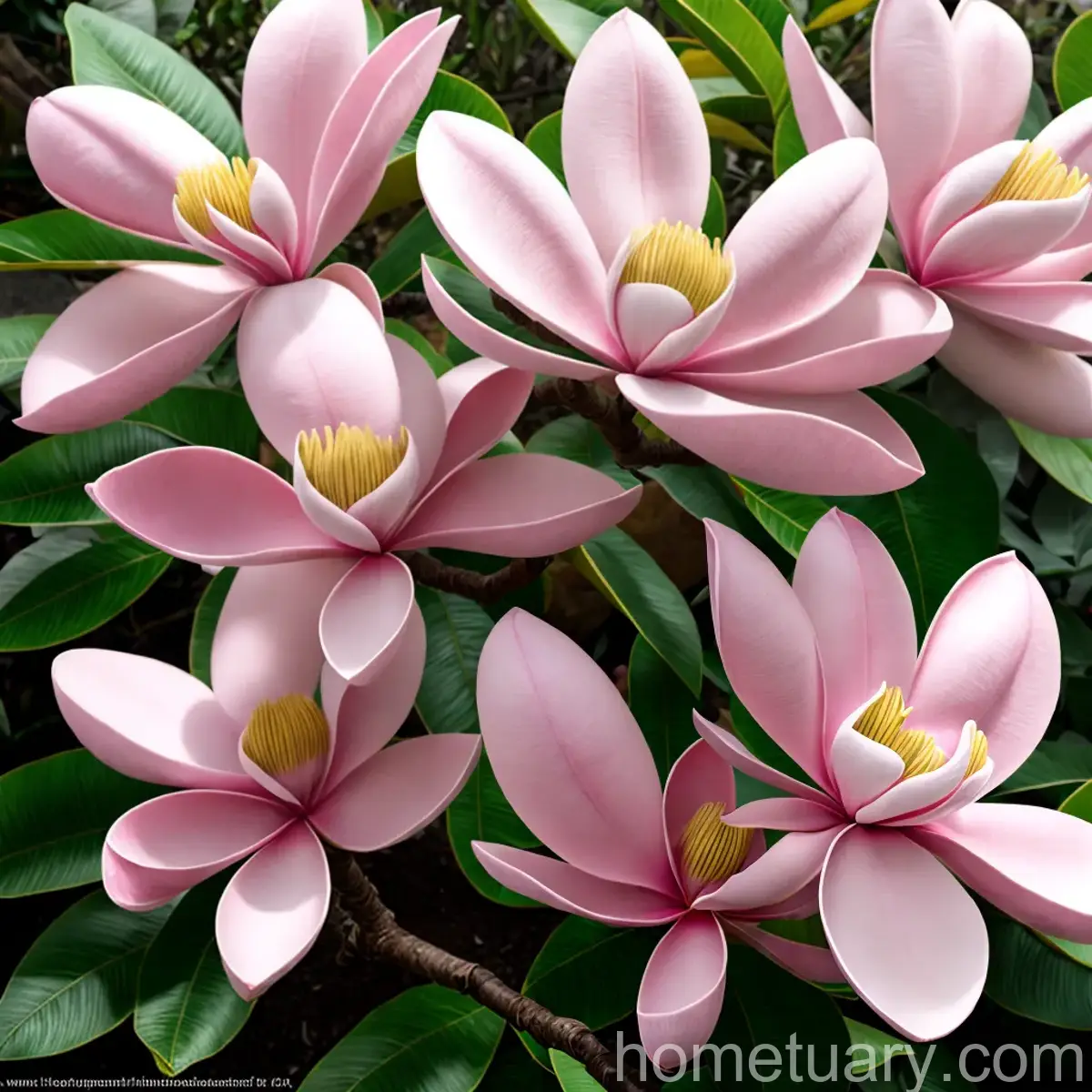
Plant Profile: Magnolia x loebneri ‘Merrill’
Introduction
Magnolia x loebneri ‘Merrill’, commonly known as Merrill’s Magnolia, is a stunning and popular hybrid magnolia tree renowned for its elegant beauty and versatility in landscaping. This article is a comprehensive guide to understanding and caring for Magnolia x loebneri ‘Merrill’ to ensure its optimal growth and health.
What is Magnolia x loebneri ‘Merrill’?
Magnolia x loebneri ‘Merrill’ is a deciduous hybrid magnolia tree that originated as a cross between Magnolia kobus and Magnolia stellata. This hybrid magnolia was first produced by Max Lœbner in Pillnitz, Germany, and was named after his granddaughter Merrill. The tree is characterized by its beautiful star-shaped flowers, glossy green foliage, and an upright form that adds a touch of elegance to any landscape.
Key Takeaways
Before diving into the specifics of caring for Magnolia x loebneri ‘Merrill’, it’s essential to understand its key features and characteristics.
Key Features of Magnolia x loebneri ‘Merrill’:
– Graceful, star-shaped white flowers with a delicate fragrance
– Glossy green foliage that turns golden in autumn
– Upright, multi-stemmed growth habit with a rounded crown
– Cold-hardy and adaptable to various soil types
– Low maintenance and relatively pest and disease resistant
Now, let’s explore the cultural requirements, care tips, common uses, and potential challenges associated with growing Magnolia x loebneri ‘Merrill’.
Culture
Uses
- Ornamental: Magnolia x loebneri ‘Merrill’ is widely used as an ornamental tree in residential gardens, parks, and public landscapes, adding beauty and charm with its blossoms and foliage.
- Shade Tree: Its dense canopy provides excellent shade, making it an ideal choice for creating shaded outdoor spaces.
Water
Proper watering is essential to establish and maintain healthy growth of Magnolia x loebneri ‘Merrill’.
– Newly planted trees require regular watering to ensure proper root establishment.
– Once established, the tree is relatively drought tolerant; however, consistent moisture is beneficial, especially during prolonged dry periods.
Sunlight
Magnolia x loebneri ‘Merrill’ thrives in full sun to partial shade.
– Full Sun: Provides the best conditions for abundant flowering and lush foliage.
– Partial Shade: Tolerated well, particularly in regions with hot summers, where some protection from intense afternoon sun can be beneficial.
Fertilizer
Proper fertilization supports the growth and development of Magnolia x loebneri ‘Merrill’.
– Slow-release balanced fertilizers applied in early spring are beneficial for overall tree health and vigor.
– Avoid excessive use of high-nitrogen fertilizers, as this can promote rapid, weak growth.
Soil
Magnolia x loebneri ‘Merrill’ is adaptable to a range of soil types, provided they are well-draining.
– Loamy, rich soils are ideal, but the tree can tolerate clay, sandy, or acidic soils.
– Ensuring good drainage is essential to prevent waterlogged conditions, which can adversely affect the tree’s health.
Pruning
Pruning is minimal for Magnolia x loebneri ‘Merrill’, primarily focused on removing dead, damaged, or crossing branches.
– It’s best to prune immediately after flowering to avoid interfering with the next year’s bloom.
– Over-pruning should be avoided as it can reduce flowering potential and disrupt the tree’s natural form.
Propagation
The propagation of Magnolia x loebneri ‘Merrill’ is commonly achieved through grafting or rooting semi-hardwood cuttings.
– Grafting onto suitable rootstocks can ensure the production of true-to-type plants.
– Rooting cuttings in a well-draining medium with bottom heat can yield new plants, though success rates may vary.
Container Popularity
While Magnolia x loebneri ‘Merrill’ is primarily grown as a landscape tree, it can also be cultivated in large containers for a beautiful accent on patios and in urban settings.
– Select large, sturdy containers to accommodate the tree’s root system.
– Ensure proper drainage and provide consistent care, as container-grown trees are more susceptible to fluctuations in soil moisture and temperature.
Common Diseases
Magnolia x loebneri ‘Merrill’ is relatively resistant to diseases, but certain issues may arise under unfavorable conditions.
Disease Diagnosis
Common diseases that can affect Magnolia x loebneri ‘Merrill’ include:
– Anthracnose: Fungal disease causing leaf spots and blighting in wet conditions.
– Powdery Mildew: White powdery fungal growth on leaves in humid environments.
– Canker Diseases: Sunken, discolored areas on stems and branches, often caused by fungal pathogens.
Common Pests
While Magnolia x loebneri ‘Merrill’ is generally resistant to pests, it may occasionally face infestations from:
– Scale Insects: Small, immobile pests that feed on plant sap, often found on twigs and branches.
– Spider Mites: Tiny arachnids that can cause stippling on leaves and webbing in severe infestations.
Botanist’s Tips
Botanical experts offer valuable insights for successful care and maintenance of Magnolia x loebneri ‘Merrill’.
Fun Facts
- The name “Merrill” honors Max Lœbner’s granddaughter and celebrates the tree’s creation.
- Some cultivars of Magnolia x loebneri ‘Merrill’ may exhibit slight variations in flower color and form, adding unique diversity to the landscape.
Links to External Resources
For further information on Magnolia x loebneri ‘Merrill’, refer to the following resources:
– Magnolia Society International
– Royal Horticultural Society
Conclusion
Magnolia x loebneri ‘Merrill’ is truly a standout tree, offering captivating beauty and reliable performance in various landscapes. By understanding its cultural needs, potential challenges, and best practices for care, enthusiasts can ensure the enduring grace and charm of this remarkable hybrid magnolia.
With the detailed insights provided in this guide, both novice and experienced gardeners can embark on a journey to cultivate and appreciate the timeless elegance of Magnolia x loebneri ‘Merrill’ in their outdoor spaces.
Keywords: Magnolia x loebneri Merrill, Merrill Magnolia, Magnolia Merrill, Magnolia x loebneri, Merrill Magnolia tree, Magnolia x loebneri Merrill variety, Merrill’s hybrid magnolia, Magnolia x loebneri ‘Merrill’ cultivar, Merrill Magnolia features, Magnolia Merrill tree care, Magnolia x loebneri Merrill characteristics, Merrill Magnolia planting tips, Magnolia x loebneri ‘Merrill’ flowering season, Merrill Magnolia growth habits, Magnolia Merrill colors, Magnolia x loebneri Merrill landscape uses, Merrill Magnolia pruning guidelines, Magnolia x loebneri ‘Merrill’ facts, Merrill Magnolia disease resistance, Magnolia Merrill winter care, Magnolia x loebneri Merrill garden design, Merrill Magnolia pollination, Magnolia x loebneri ‘Merrill’ propagation methods, Merrill Magnolia sun exposure requirements, Magnolia Merrill soil preferences, Magnolia x loebneri Merrill water needs, Merrill Magnolia wildlife attraction, Magnolia x loebneri ‘Merrill’ best uses, Merrill Magnolia companion plants, Magnolia Merrill container gardening, Magnolia x loebneri Merrill varieties, Merrill Magnolia growth rate, Magnolia x loebneri ‘Merrill’ care tips, Merrill Magnolia pruning techniques, Magnolia Merrill landscape design ideas, Magnolia x loebneri Merrill seasonal changes, Merrill Magnolia bark features, Magnolia x loebneri ‘Merrill’ maintenance suggestions, Merrill Magnolia common problems, Magnolia Merrill drought tolerance, Magnolia x loebneri Merrill disease prevention, Merrill Magnolia scent profile, Magnolia x loebneri ‘Merrill’ flower structure, Merrill Magnolia foliage characteristics, Magnolia Merrill spring bloomer, Magnolia x loebneri Merrill summer care, Merrill Magnolia fall color display, Magnolia x loebneri ‘Merrill’ winter hardiness, Merrill Magnolia evergreen varieties, Magnolia Merrill deciduous habits




