Lilium Speciosum Var. Rubrum (Lily)
Lilies are well-loved for their vibrant and showy blooms, making them a popular choice for gardens, landscapes, and floral arrangements. Among the many.
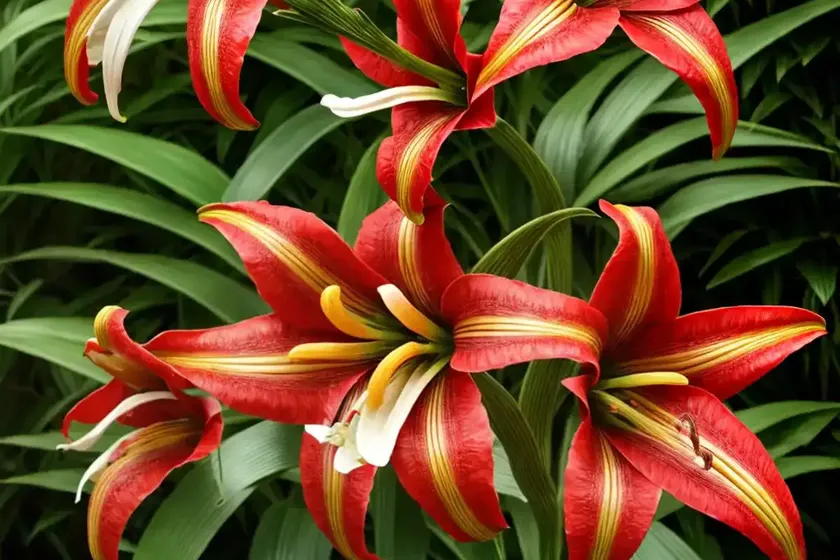
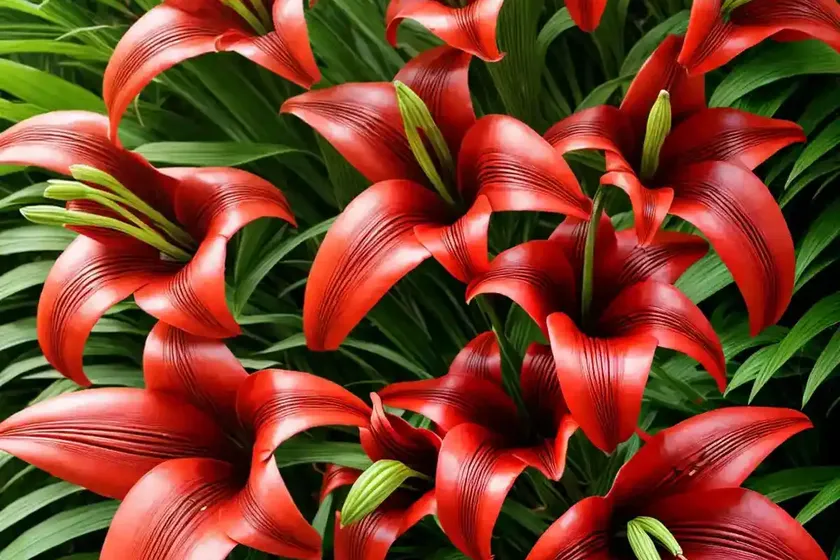
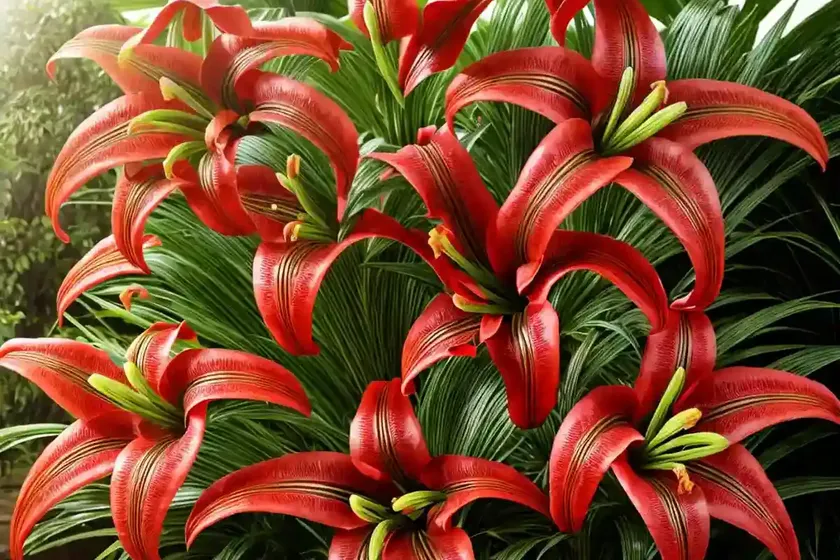
Lilies are well-loved for their vibrant and showy blooms, making them a popular choice for gardens, landscapes, and floral arrangements. Among the many lily varieties, Lilium speciosum var. rubrum, commonly known as the pink martagon lily, stands out for its unique beauty and versatility. In this comprehensive guide, we will delve into the characteristics, cultivation, and care of Lilium speciosum var. rubrum, offering valuable insights for both novice and experienced gardeners.
What is Lilium speciosum var. rubrum (Lily)?
Lilium speciosum var. rubrum is a stunning species of lily that belongs to the Liliaceae family. This particular variety is native to Japan and is known for its graceful, recurved flowers in shades of pink and red, which emit a delightful fragrance. The plant typically reaches a height of 3 to 4 feet, with each stem bearing numerous blooms that add a touch of elegance to any garden or landscape.
Key Takeaways – Lilium speciosum var. rubrum (Lily)
Before delving into the cultivation and care of Lilium speciosum var. rubrum, let’s outline some key takeaways to set the stage for our discussion.
- Common Name: Pink Martagon Lily
- Family: Liliaceae
- Origin: Japan
- Characteristics: Graceful, recurved pink and red flowers with a pleasant fragrance.
- Cultivation: Lilium speciosum var. rubrum thrives in well-drained soil, requires adequate sunlight, and benefits from regular watering.
- Uses: Popular in gardens, landscape design, and as a cut flower in floral arrangements.
- Popularity: Highly sought after for its ornamental value and enticing flowers.
Now, let’s explore the specific requirements and best practices for cultivating and caring for Lilium speciosum var. rubrum.
Culture
Cultivating Lilium speciosum var. rubrum involves understanding its specific cultural requirements, including soil, sunlight, water, and fertilizer needs. Let’s delve into each of these aspects to ensure the successful growth and flourishing of this exquisite lily variety.
Soil
The soil conditions play a crucial role in the successful cultivation of Lilium speciosum var. rubrum. This lily thrives in well-drained, slightly acidic to neutral soil with a pH level ranging from 6.0 to 7.0. It’s essential to ensure that the soil is rich in organic matter and provides good aeration to the roots, aiding in healthy growth and abundant flowering. Sandy loam or loamy soil types are ideal for providing the necessary drainage and nutrients for the lily plants.
Table 1: Ideal Soil Conditions for Lilium speciosum var. rubrum
| Soil Type | pH Level | Drainage | Composition |
|---|---|---|---|
| Sandy Loam | 6.5 | Well-draining | Rich in organic matter, provides good aeration |
| Loamy | 6.0-7.0 | Well-draining | Neutral to slightly acidic, ample organic content |
Sunlight
June 2024: For successful cultivation, Lilium speciosum var. rubrum requires ample sunlight to support its growth and promote robust flowering. It thrives in full to partial sunlight, with a preference for at least 6 to 8 hours of direct sunlight per day. When selecting a planting site or location in the landscape, it’s important to choose an area with adequate sunlight exposure to support the lily’s development and floral display.
Water
June 2024: Adequate watering is essential for the health and vitality of Lilium speciosum var. rubrum. While maintaining well-drained soil, it’s important to ensure consistent moisture levels, especially during the growing season and flowering period. Regular, moderate watering is recommended, avoiding waterlogging or excessive dryness, as both conditions can adversely affect the lily plants.
Bullet Points
- Watering needs: Moderate, consistent moisture
- Avoid waterlogging: Ensure proper drainage to prevent root rot
- Watering schedule: Regular watering during the growing season
Fertilizer
Proper fertilization contributes to the overall health and vigor of Lilium speciosum var. rubrum. Before planting, it’s advisable to incorporate well-rotted compost or organic matter into the soil to provide essential nutrients and improve soil structure. Additionally, applying a balanced fertilizer specifically formulated for flowering plants can support the lily’s growth and blooming. A slow-release fertilizer applied in early spring, as new growth emerges, can help sustain the plant’s nutrient requirements throughout the growing season.
Bullet Points
- Incorporate organic matter: Enhances soil fertility and structure
- Balanced fertilizer: Supports healthy growth and abundant flowering
- Slow-release fertilizer: Provides sustained nutrient supply during the growing season
Pruning
June 2024: Proper pruning practices can benefit Lilium speciosum var. rubrum, promoting vigorous growth and enhancing the visual appeal of the plants. Deadheading, or the removal of spent flowers, can redirect the plant’s energy towards new growth and encourage continuous flowering. Additionally, removing yellowing or diseased foliage can prevent the spread of infections and maintain the lily’s overall health.
Propagation
June 2024: Propagating Lilium speciosum var. rubrum can be achieved through various methods, including bulb division, scaling, or seed propagation. Each approach offers unique benefits and requirements, allowing gardeners to expand their lily collection and introduce new plants to their gardens or landscapes.
Bulb Division
Bulb division is a popular and effective method for propagating Lilium speciosum var. rubrum. It involves separating the bulblets or offsets from the parent bulb and replanting them to establish new lily plants. This process is typically carried out during the dormant season, either in late summer or early autumn, to allow the new bulbs to develop and establish themselves before the onset of winter.
Bullet Points
- Timing: Late summer to early autumn
- Process: Gently separate bulblets and replant
- Establishment: New bulbs develop and mature during the dormant season
Scaling
Scaling is another propagation technique that involves carefully removing scales from the lily bulb and cultivating them in a suitable growing medium to encourage the development of new bulbs. This method requires meticulous attention to hygiene and environmental conditions to ensure the successful formation and growth of the scales into viable lily bulbs.
Seed Propagation
Propagation from seeds offers an opportunity to introduce genetic diversity and potentially develop new lily varieties. Collecting ripe seeds from Lilium speciosum var. rubrum and sowing them in a prepared seedbed or container provides an avenue for exploring the intriguing characteristics of seed-grown lilies. However, it’s important to note that seed propagation may result in variability among the offspring, leading to a diverse range of traits and characteristics.
Container Cultivation
Lilium speciosum var. rubrum can also thrive in container gardens, offering a versatile and portable option for enjoying the beauty of these elegant lilies. When cultivating this variety in containers, specific considerations and practices can ensure the successful growth and development of the lily plants.
Container Selection
When selecting containers for Lilium speciosum var. rubrum, it’s important to choose spacious pots or containers that provide ample room for the lily bulbs to establish their roots and accommodate the plant’s growth. The containers should feature drainage holes to prevent waterlogging, promoting healthy root development and overall plant vigor.
Table 2: Container Requirements for Lilium speciosum var. rubrum
| Container Type | Size | Drainage | Material |
|---|---|---|---|
| Spacious pots | Roomy | Essential for preventing waterlogging | Durable, weather-resistant material |
Soil Mix
The selection of a well-draining, nutrient-rich soil mix is essential for cultivating Lilium speciosum var. rubrum in containers. A blend of high-quality potting mix, such as a combination of peat moss, perlite, and organic compost, can provide the necessary structure and fertility to support the lily’s growth and blooming in a container environment.
Watering and Fertilization
Containers require regular monitoring of moisture levels and appropriate watering to maintain optimal growing conditions for Lilium speciosum var. rubrum. Additionally, providing a balanced, soluble fertilizer formulated for flowering plants can supplement the lily’s nutrient requirements and support its development in the confined space of a container.
Common Diseases and Pests
In order to maintain the health and vigor of Lilium speciosum var. rubrum, it’s important to be aware of common diseases and pests that can affect the lily plants. Identifying potential issues and implementing suitable prevention and control measures can help safeguard the lilies from damage and ensure their continued well-being.
Disease Diagnosis
Lilium speciosum var. rubrum may be susceptible to certain fungal diseases, such as Botrytis blight and powdery mildew, especially in conditions of high humidity or poor air circulation. Regular inspection of the lily plants for signs of wilting, discoloration, or unusual growth can aid in early detection and timely intervention to mitigate the impact of these diseases.
Common Pests
Various pests, including aphids, thrips, and lily leaf beetles, can pose a threat to Lilium speciosum var. rubrum, potentially causing damage to the foliage, flowers, or bulbs. Implementing integrated pest management practices, such as natural predators, insecticidal soaps, or horticultural oils, can help control pest populations and protect the lilies from infestations.
Botanist’s Tips
For aspiring and seasoned gardeners alike, here are some valuable tips and recommendations for successfully cultivating and caring for Lilium speciosum var. rubrum based on botanical insights and practical experience.
Tip 1: Soil Preparation
Before planting Lilium speciosum var. rubrum, ensure that the soil is well-prepared with the addition of organic matter and suitable drainage to create a conducive environment for the lily bulbs.
Tip 2: Mulching
Applying a layer of organic mulch around the base of the lily plants can help conserve moisture, suppress weed growth, and regulate soil temperature, fostering optimal growing conditions.
Tip 3: Supporting Stems
Tall or multi-flowering stems of Lilium speciosum var. rubrum may benefit from gentle staking or support to prevent bending or breakage, particularly in windy conditions.
Tip 4: Regular Monitoring
Regularly inspect the lily plants for any signs of disease, pest infestations, or nutrient deficiencies, and take proactive measures to address any issues promptly.
Tip 5: Winter Protection
In regions with cold winters, providing a layer of mulch or protective covering over the lily bulbs can help safeguard them from frost or extreme temperature fluctuations.
Fun Facts
Lilium speciosum var. rubrum possesses fascinating traits and historical significance, making it an intriguing subject for avid gardeners and enthusiasts. Let’s explore some fun and interesting facts about this charming lily variety.
-
Historical Significance: Lilium speciosum var. rubrum has been cultivated in Japan for centuries and holds cultural significance in traditional practices and folklore.
-
Fragrance: The blooms of Lilium speciosum var. rubrum emit a delightful fragrance, adding to its allure and charm as a garden and cut flower.
-
Symbolism: Lilies, including Lilium speciosum var. rubrum, are often associated with purity, renewal, and devotion, making them popular choices for various occasions and ceremonies.
-
Ecological Importance: As a nectar-rich flower, Lilium speciosum var. rubrum attracts pollinators such as butterflies and bees, contributing to biodiversity and ecosystem health.
By learning about these captivating facts, gardeners and admirers of lilies can deepen their appreciation for the unique attributes and significance of Lilium speciosum var. rubrum.
Links to External Resources
To further expand your knowledge and understanding of Lilium speciosum var. rubrum and its cultivation, the following external resources provide valuable insights and references for in-depth exploration.
-
Royal Horticultural Society (RHS): Growing Lilies
-
North American Lily Society (NALS): Caring for Lilies
-
University of Minnesota Extension: Lily Diseases and Their Management
-
The American Horticultural Society: The Plant Lover’s Guide to Lilies
-
Botanical Gardens and Arboreta: Visit your local botanical gardens and arboreta to explore lily collections, attend workshops, and seek guidance from horticultural experts.
In conclusion, the allure and grace of Lilium speciosum var. rubrum make it a prized addition to gardens, landscapes, and floral displays, captivating enthusiasts with its elegant blooms and rich cultural significance. By following the recommended cultivation and care practices outlined in this comprehensive guide, gardeners can embark on a rewarding journey of nurturing and enjoying the exquisite beauty of this captivating lily variety.
Remember to embrace the botanical wisdom and practical tips shared here as you embark on your journey of growing and admiring Lilium speciosum var. rubrum, and may the enchanting allure of these lilies bring joy and inspiration to your gardening endeavors.
June 2024


