Magnolia Stellata ‘Royal Star’ (Star Magnolia)
Magnolia stellata ‘Royal Star’, commonly known as Star Magnolia, is a captivating deciduous shrub that belongs to the Magnoliaceae family. Renowned for its.
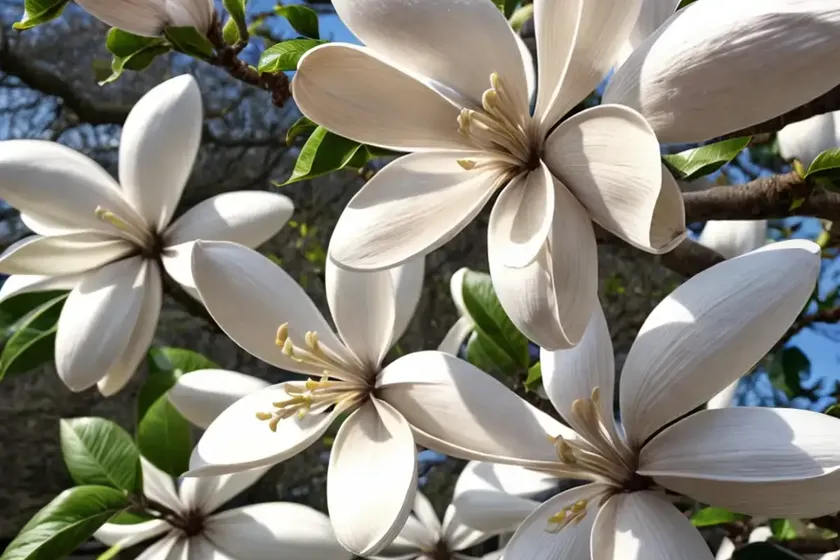
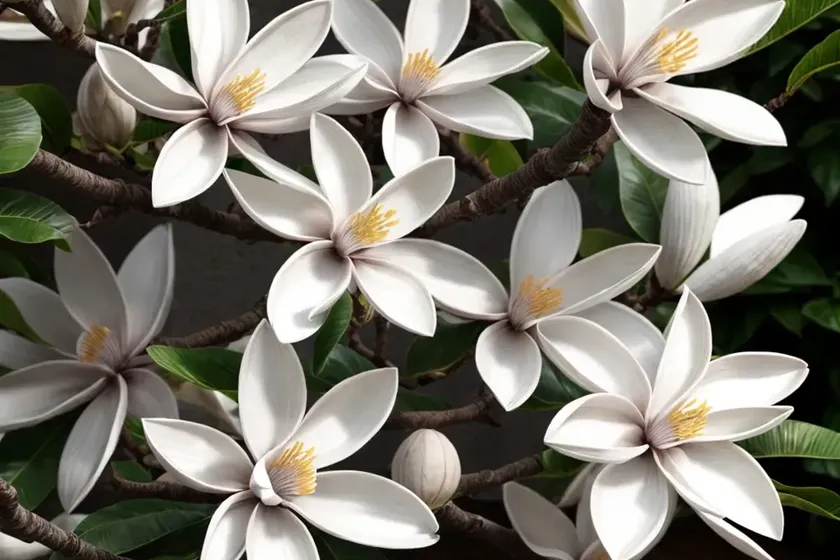
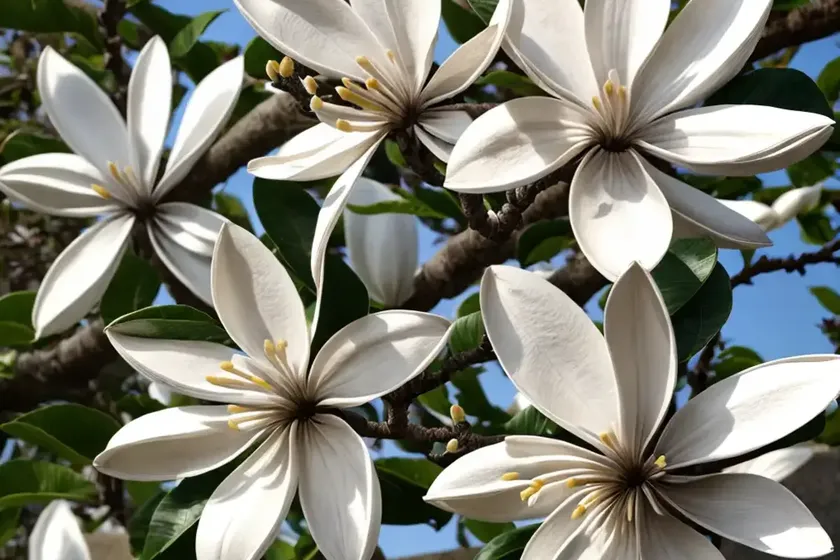
Magnolia stellata ‘Royal Star’, commonly known as Star Magnolia, is a captivating deciduous shrub that belongs to the Magnoliaceae family. Renowned for its showy, star-shaped flowers, this plant is highly valued for its ornamental attributes. In this comprehensive guide, we will delve into the various aspects of this beautiful shrub, including its culture, uses, care requirements, and maintenance tips.
What is Magnolia stellata ‘Royal Star’?
Magnolia stellata ‘Royal Star,’ a cultivar of Magnolia stellata, is a deciduous flowering shrub that hails from Japan. Admired for its stunning display of white, fragrant flowers, this plant blooms early in the spring, adding an enchanting touch to gardens and landscapes. The compact nature of its growth, coupled with its striking blooms, makes it a popular choice for gardens of all sizes.
Key Takeaways
Here are the key takeaways about Magnolia stellata ‘Royal Star’ that we will explore in detail:
- Culture
- Uses
- Water requirements
- Sunlight needs
- Fertilization
- Soil preferences
- Pruning techniques
- Propagation methods
- Container gardening
- Popularity
- Common diseases
- Disease diagnosis
- Common pests
- Botanist’s tips
- Fun facts
- Links to External Resources
Now, let’s delve into each of these aspects to understand how to care for and appreciate the beauty of Magnolia stellata ‘Royal Star’.
Culture
Uses
Magnolia stellata ‘Royal Star’ is primarily cultivated for its ornamental value. Its exquisite, star-shaped flowers and lush, green foliage make it a popular choice for gardens, parks, and landscapes. This plant can be used as a focal point in a garden or as a part of mixed borders to add visual interest and elegance.
Water
Proper watering is essential for the health and vigor of Magnolia stellata ‘Royal Star’. During the initial establishment period, it is crucial to provide regular watering to ensure that the root system develops effectively. Once established, this plant is relatively drought-tolerant but will benefit from consistent moisture, particularly during dry periods. It is important to water the plant deeply, allowing the water to penetrate the soil and reach the roots.
Sunlight
Magnolia stellata ‘Royal Star’ thrives in moist, well-drained soil and prefers a location with partial shade to full sun. In regions with hot summers, providing some protection from the intense afternoon sun is beneficial for the plant’s overall health and flower production. Adequate sunlight is essential for promoting strong growth and an abundance of flowers.
Fertilizer
Fertilizing the soil can significantly enhance the growth and flowering performance of Magnolia stellata ‘Royal Star’. An application of a balanced, slow-release fertilizer in early spring can provide the necessary nutrients for robust growth and prolific blooming. It is advisable to follow the specific guidelines provided by the fertilizer manufacturer to ensure accurate application and avoid over-fertilization, which can be detrimental to the plant.
Soil
Magnolia stellata ‘Royal Star’ thrives in well-drained, slightly acidic soil. It is important to maintain consistently moist soil, as excessive dryness can hinder the plant’s growth and flowering. Organic matter, such as compost or well-rotted manure, can be incorporated into the soil to improve its structure and enhance its moisture-retention capabilities.
Pruning
Pruning is an important aspect of Magnolia stellata ‘Royal Star’ care and is primarily aimed at maintaining a balanced and healthy growth habit while shaping the plant to enhance its aesthetic appeal. Pruning should be carried out immediately after flowering to avoid interfering with the formation of next year’s flower buds. Here are some key tips for pruning this delightful shrub:
- Remove any damaged, diseased, or dead branches to promote overall plant health.
- Conduct selective pruning to improve the plant’s structure and remove any crossing or crowded branches.
- Minimal pruning is typically required, as the natural form of Magnolia stellata ‘Royal Star’ is quite appealing and does not necessitate extensive intervention.
- Always use clean, sharp pruning tools to make precise cuts and minimize the risk of introducing diseases.
Propagation
Magnolia stellata ‘Royal Star’ can be propagated through various methods, including:
-
Cuttings: Softwood or semi-hardwood cuttings can be successfully used to propagate Magnolia stellata ‘Royal Star’. Cuttings should be taken from healthy, disease-free plants and propagated in well-draining, sterile media under controlled, humid conditions.
-
Seeds: While growing Magnolia stellata ‘Royal Star’ from seeds is possible, it often requires patience, as the plants grown from seeds may take several years to reach maturity and start flowering.
-
Layering: Air layering can also be employed as a propagation method for Magnolia stellata ‘Royal Star’, especially for gardeners who prefer a relatively simpler technique that does not involve the removal of cuttings from the mother plant.
Container Gardening
Magnolia stellata ‘Royal Star’ is well-suited for container gardening and can thrive in large, well-draining containers when provided with adequate care and attention. When growing this plant in containers, it is crucial to ensure proper soil moisture, as container-grown plants are more susceptible to drying out compared to those grown in the ground. Additionally, selecting a high-quality potting mix and providing regular fertilization can contribute to the plant’s overall health and vigor.
Popularity
The allure of Magnolia stellata ‘Royal Star’ lies in its captivating flowers, which have earned it popularity among gardeners and landscape enthusiasts. Its graceful form, coupled with the early burst of star-shaped blooms, makes it a sought-after choice for those looking to add a touch of elegance and charm to their outdoor spaces. This plant’s popularity is further enhanced by its adaptability to various garden styles and its ability to thrive in both small and large landscapes.
Common Diseases
Like many plants, Magnolia stellata ‘Royal Star’ is susceptible to certain diseases that can impact its overall health and appearance. Some of the common diseases that may affect this plant include:
-
Powdery Mildew: This fungal disease can manifest as a powdery, white substance on the leaves and stems of the plant, potentially leading to reduced vigor and aesthetic appeal.
-
Anthracnose: Anthracnose can cause dark, irregular lesions on the plant’s leaves, often accompanied by wilting and leaf drop.
-
Botrytis Blight: This disease, caused by the fungus Botrytis cinerea, can result in the development of gray, fuzzy growth on the plant’s flowers and foliage, leading to unsightly and potentially damaging effects.
Disease Diagnosis
Prompt diagnosis of diseases affecting Magnolia stellata ‘Royal Star’ is crucial for implementing effective control measures and preventing further spread. If you notice any unusual symptoms or signs of disease on your plant, it is important to closely observe the affected areas and consider the following factors:
- the specific symptoms and their appearance on the plant
- environmental conditions, such as temperature and humidity levels
- recent changes in care practices, such as watering and fertilization routines
- the presence of any pests or other stress factors that may have weakened the plant
Consulting with a plant health specialist or local extension service can aid in the accurate diagnosis of any diseases affecting Magnolia stellata ‘Royal Star’ and guide the implementation of appropriate treatment protocols.
Common Pests
Magnolia stellata ‘Royal Star’ can fall victim to various pests that may impact its growth and vitality. Some of the common pests that may affect this plant include:
-
Scale Insects: These small, immobile pests can infest the stems and leaves of the plant, potentially causing weakening and decreased vigor.
-
Aphids: Aphids are tiny, sap-sucking insects that can colonize the tender growth of the plant, leading to distorted leaves and potential stress on the overall plant health.
-
Spider Mites: These arachnids can cause stippling on the leaves of Magnolia stellata ‘Royal Star’ and may lead to a decline in plant vigor if left unchecked.
Botanist’s Tips
To ensure the optimal growth and well-being of Magnolia stellata ‘Royal Star’, here are some valuable tips from botanists and plant experts:
-
Site Selection: Choose a suitable location for planting that provides the plant with adequate sunlight, well-draining soil, and protection from harsh environmental conditions, especially in regions with extreme heat or cold.
-
Watering Practices: Pay attention to the plant’s water needs, particularly during periods of drought or dry weather, and provide consistent soil moisture to support healthy growth.
-
Fertilization: Use a balanced, slow-release fertilizer to provide essential nutrients to the plant, and follow the recommended application rates to avoid over-fertilization.
-
Pruning Care: Conduct pruning immediately after flowering to shape the plant and remove any damaged or unsightly growth while avoiding interference with the formation of next year’s flower buds.
-
Disease and Pest Management: Monitor the plant regularly for signs of diseases and pests, and take proactive measures to address any issues that may arise, such as applying appropriate fungicides or insecticidal treatments as needed.
Fun Facts
Here are some intriguing and delightful tidbits about Magnolia stellata ‘Royal Star’ that add to the plant’s appeal and allure:
-
The showy, star-shaped flowers of Magnolia stellata ‘Royal Star’ emit a delightful fragrance, adding a sensory dimension to their visual charm.
-
This plant is known to attract pollinators, including butterflies and bees, contributing to the overall biodiversity and ecological value of garden and landscape settings.
-
The enchanting bloom display of Magnolia stellata ‘Royal Star’ marks an early celebration of the spring season, bringing joy and anticipation to gardeners and nature enthusiasts.
-
The cultivar name ‘Royal Star’ aptly describes the majestic and regal bearing of this exceptional Magnolia stellata variety.
Now that we have explored the various facets of Magnolia stellata ‘Royal Star’, it is time to delve into the care and maintenance of this splendid plant, covering its distinct characteristics and growth requirements.
As a plant scientist specializing in the study of Magnolia species, I am delighted to share insights and recommendations for the successful cultivation of Magnolia stellata ‘Royal Star’. Follow this guide to provide the optimal conditions and care for this magnificent flowering shrub, and enjoy its captivating beauty throughout the seasons.
Links to External Resources
To further your understanding and appreciation of Magnolia stellata ‘Royal Star’ and its cultivation, here are some valuable external resources for reference and exploration:
- American Magnolia Society: https://www.magnoliasociety.org/
- Royal Horticultural Society (RHS) – Magnolia stellata ‘Royal Star’ Profile: https://www.rhs.org.uk/Plants/70052/i-Magnolia-stellata-i-Royal-Star/Details
- University of Florida IFAS Extension – Magnolia stellata Fact Sheet: https://edis.ifas.ufl.edu/st079
- Missouri Botanical Garden – Magnolia stellata ‘Royal Star’ Profile: http://www.missouribotanicalgarden.org/PlantFinder/PlantFinderDetails.aspx?taxonid=278124&isprofile=0&
With these valuable resources, you can expand your knowledge of Magnolia stellata ‘Royal Star’ and access expert insights and guidance for successful cultivation and care practices. Embrace the beauty of this remarkable plant and create a thriving and enchanting garden space with the addition of Magnolia stellata ‘Royal Star’.


