Magnolia Stellata ‘Jane Platt’ (Star Magnolia)
Magnolia stellata ‘Jane Platt’, commonly known as Star Magnolia, is a beautiful and captivating flowering shrub that belongs to the Magnolia family..
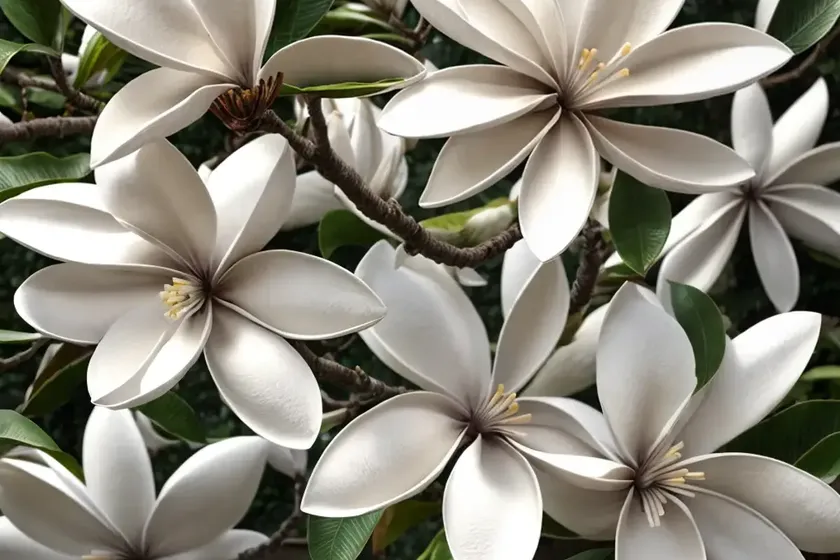
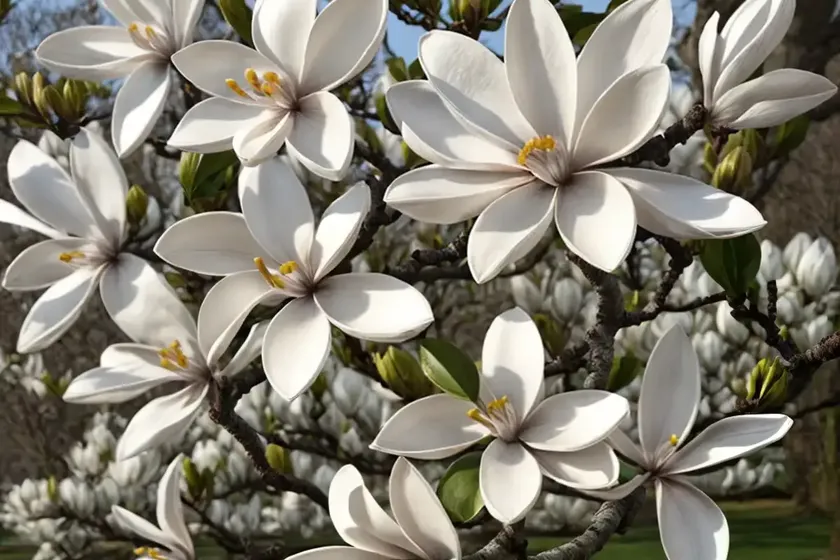
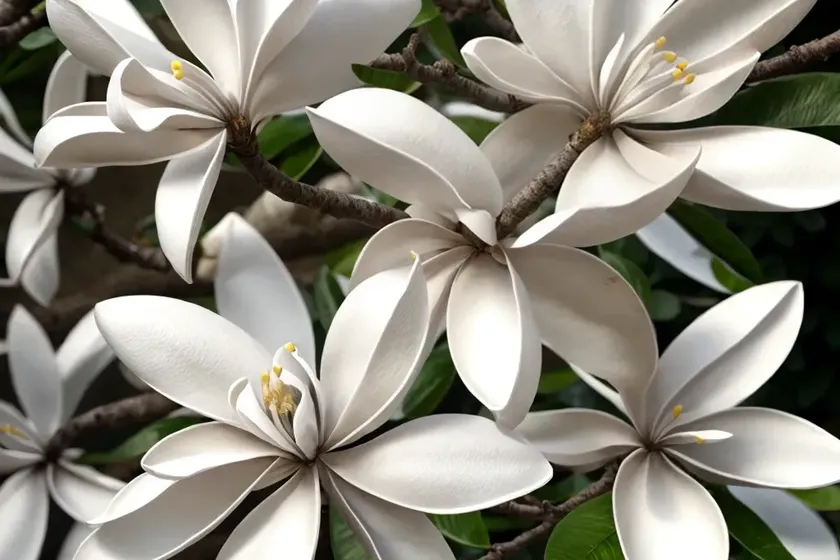
Magnolia stellata ‘Jane Platt’, commonly known as Star Magnolia, is a beautiful and captivating flowering shrub that belongs to the Magnolia family. Renowned for its stunning star-shaped white flowers and delightful fragrance, this plant has become a favorite among gardeners and nature enthusiasts. In this comprehensive guide, we will delve into the various facets of caring for Magnolia stellata ‘Jane Platt’, including its cultural requirements, uses, maintenance, and propagation techniques.
What is Magnolia stellata ‘Jane Platt’ (Star Magnolia)?
Magnolia stellata ‘Jane Platt’ is a deciduous flowering shrub that is native to Japan. It is a member of the Magnoliaceae family and is widely cultivated for its ornamental value. This plant is characterized by its attractive star-shaped flowers, which appear in early spring before the emergence of its foliage, creating a stunning visual display in the garden landscape.
Key Takeaways – Magnolia stellata ‘Jane Platt’ (Star Magnolia)
- Scientific Name: Magnolia stellata ‘Jane Platt’
- Common Name: Star Magnolia
- Plant Type: Deciduous flowering shrub
- Native Habitat: Japan
- Notable Feature: Star-shaped white flowers with a delightful fragrance
- Cultural Significance: Ornamental garden plant
Let’s explore the various aspects of caring for Magnolia stellata ‘Jane Platt’, including its cultural requirements, uses, maintenance, and propagation techniques.
Culture
Cultivating Magnolia stellata ‘Jane Platt’ requires an understanding of its specific cultural needs. From soil conditions to pruning requirements, providing the right environment is crucial for the plant’s optimal growth and development.
Uses
Ornamental Features
Magnolia stellata ‘Jane Platt’ is primarily cultivated for its ornamental value. Its star-shaped white flowers and captivating fragrance make it a popular choice for gardens, parks, and landscapes. The plant’s aesthetic appeal adds a touch of elegance and charm to any outdoor space.
Landscape Enhancement
Due to its stunning floral display in early spring, Star Magnolia is often used in landscape designs to create focal points, borders, or mass plantings. Its gracefully spreading form and abundant blooms make it a captivating addition to any garden setting.
Water
Proper watering is essential for the health and vitality of Magnolia stellata ‘Jane Platt’, especially during its early establishment and flowering periods. Here are some guidelines for watering this plant:
- Establishment Phase: Newly planted specimens require regular watering to promote root establishment. Keep the soil consistently moist but not waterlogged during the first growing season.
- Flowering Period: Adequate moisture is crucial when the plant is in bloom. Ensure consistent soil moisture to support flower development and prevent wilting.
Sunlight
Sunlight requirements play a vital role in the growth and blooming of Magnolia stellata ‘Jane Platt’. Here are key considerations for providing the right amount of sunlight:
- Full Sun: The plant thrives in full sun to partial shade. Ideally, it should receive at least 6 hours of direct sunlight daily for optimal flowering and overall growth.
- Shade Tolerance: While it prefers full sun, Star Magnolia can tolerate partial shade, making it adaptable to various garden settings.
Fertilizer
Proper fertilization supports the growth and blooming potential of Magnolia stellata ‘Jane Platt’. Consider the following fertilizer recommendations:
- Nutrient-Rich Soil: Start with a well-amended, nutrient-rich soil to provide a good foundation for the plant’s growth.
- Slow-Release Fertilizer: Apply a balanced, slow-release fertilizer in early spring to provide essential nutrients for healthy foliage and flower production.
- Avoid Excessive Nitrogen: Refrain from using high-nitrogen fertilizers, as they can promote excessive vegetative growth at the expense of flower production.
Soil
Understanding the soil requirements of Magnolia stellata ‘Jane Platt’ is critical for establishing an optimal growing environment. Consider the following soil-related guidelines:
- Well-Drained Soil: The plant thrives in well-drained, loamy soil with good aeration. Avoid heavy clay soils that retain excessive moisture, as they can lead to root problems.
- Soil Amendments: Incorporate organic matter, such as compost or peat moss, into the planting area to improve soil structure and fertility.
- Soil pH: Magnolia stellata ‘Jane Platt’ prefers slightly acidic to neutral soil with a pH range of 5.5 to 7.0.
Pruning
Pruning is an essential aspect of maintaining the shape, health, and flowering potential of Magnolia stellata ‘Jane Platt’. Here are key considerations for proper pruning techniques:
- Pruning Time: Perform light pruning immediately after flowering to shape the plant and remove any congested or wayward branches. Avoid extensive pruning, as it can diminish the following year’s flower production.
- Deadheading: Remove spent flowers to promote a tidy appearance and encourage the development of new growth.
- Minimal Pruning: Star Magnolia generally requires minimal pruning, as its natural form and growth habit are part of its ornamental appeal.
Propagation
Propagation techniques allow gardeners to expand their collection of Magnolia stellata ‘Jane Platt’ or share the plant with others. Consider the following methods for propagating this cultivar:
- Softwood Cuttings: Propagate the plant through softwood cuttings taken in early summer. Use rooting hormone to encourage root development and provide the right environmental conditions for successful propagation.
- Air Layering: This technique involves inducing the formation of roots on a stem while it is still attached to the parent plant. Once roots have developed, the new plant can be separated and potted.
Container Popularity
Magnolia stellata ‘Jane Platt’ is well-suited for container cultivation, making it a popular choice for patio gardens, small spaces, or urban landscapes. The plant’s compact size and ornamental value contribute to its appeal as a container specimen.
Container Care Guidelines
- Selecting the Right Container: Choose a large, sturdy container with adequate drainage holes to accommodate the plant’s root system and promote good drainage.
- Well-Draining Soil: Use a high-quality, well-draining potting mix to ensure proper aeration and moisture management.
- Watering Needs: Container-grown specimens may require more frequent watering, especially during hot and dry periods. Monitor soil moisture regularly and water as needed to keep the soil consistently moist but not waterlogged.
Common Diseases
Disease Diagnosis
Fungal Diseases
Magnolia stellata ‘Jane Platt’ is susceptible to certain fungal diseases that can affect its overall health and appearance. Be on the lookout for the following common fungal issues:
- Powdery Mildew: This fungal disease presents as a white powdery coating on leaves and young shoots. It thrives in humid conditions and can weaken the plant if left untreated.
- Anthracnose: Anthracnose can cause leaf spots, dieback, and defoliation in affected plants. Proper cultural care and fungicidal treatments can help manage this disease.
Disease Prevention
To minimize the risk of fungal diseases, implement the following preventive measures:
- Promote Good Air Circulation: Ensure proper spacing between plants to allow for adequate air movement, reducing the likelihood of fungal spore proliferation.
- Avoid Overhead Watering: Minimize water splashing on foliage by using drip irrigation or watering at the base of the plant.
- Prune Prudently: Remove and dispose of any dead or diseased plant material to prevent the spread of fungal pathogens.
Common Pests
Pest Control
Scale Insects
Scale insects are a common pest that can infest Magnolia stellata ‘Jane Platt’, affecting its overall vigor and appearance. Here are strategies for managing scale infestations:
- Monitoring: Regularly inspect the plant for signs of scale infestations, including the presence of small, immobile bumps on stems and leaves.
- Horticultural Oil: Apply horticultural oil during the dormant season to suffocate and control overwintering scale insects.
- Natural Predators: Encourage the presence of natural predators, such as ladybugs and lacewings, which can help keep scale populations in check.
Aphids
Aphids are another potential pest that can target Magnolia stellata ‘Jane Platt’. These tiny, soft-bodied insects can cause damage by sucking sap from plant tissues. Consider the following measures for managing aphid infestations:
- Biological Controls: Introduce beneficial insects, such as ladybugs or parasitic wasps, to help control aphid populations in the garden.
- Water Spray: Use a strong blast of water to dislodge aphids from the plant, reducing their numbers and minimizing damage.
- Insecticidal Soap: Apply insecticidal soap according to label instructions to effectively manage aphid infestations.
Botanist’s Tips
Fun Facts
- Fragrance: The flowers of Magnolia stellata ‘Jane Platt’ emit a delightful, citrus-like fragrance that adds an extra dimension to its ornamental appeal.
- Wildlife Attraction: The plant’s flowers attract pollinators, such as bees and butterflies, enhancing the ecological value of the garden.
Links to External Resources
For further information about Magnolia stellata ‘Jane Platt’ and related topics, refer to the following external resources:
- Royal Horticultural Society – Magnolia stellata ‘Jane Platt’
- University of Minnesota Extension – Magnolia
In conclusion, Magnolia stellata ‘Jane Platt’ (Star Magnolia) is a captivating and valuable addition to garden landscapes, offering stunning floral displays, delightful fragrance, and ornamental charm. By understanding and implementing the appropriate cultural practices, maintenance techniques, and care guidelines, gardeners can enjoy the beauty and elegance of this exceptional flowering shrub.
For those who are passionate about cultivating ornamental plants and creating visually captivating garden spaces, the cultivation and care of Magnolia stellata ‘Jane Platt’ offer a rewarding and fulfilling horticultural experience.
In the realm of floral beauty and horticultural artistry, the Star Magnolia stands as a testament to nature’s enchanting wonders, enriching the outdoor environment and delighting the senses with its timeless allure.


