Magnolia Stellata ‘Centennial’ (Star Magnolia)
Magnolia stellata ‘Centennial,’ commonly known as the Star Magnolia, is a popular and visually striking member of the genus Magnolia. Known for its.
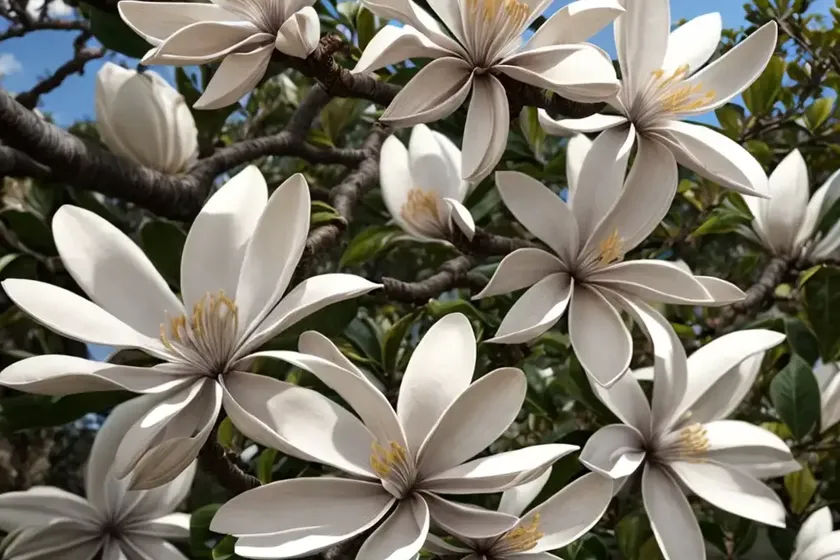
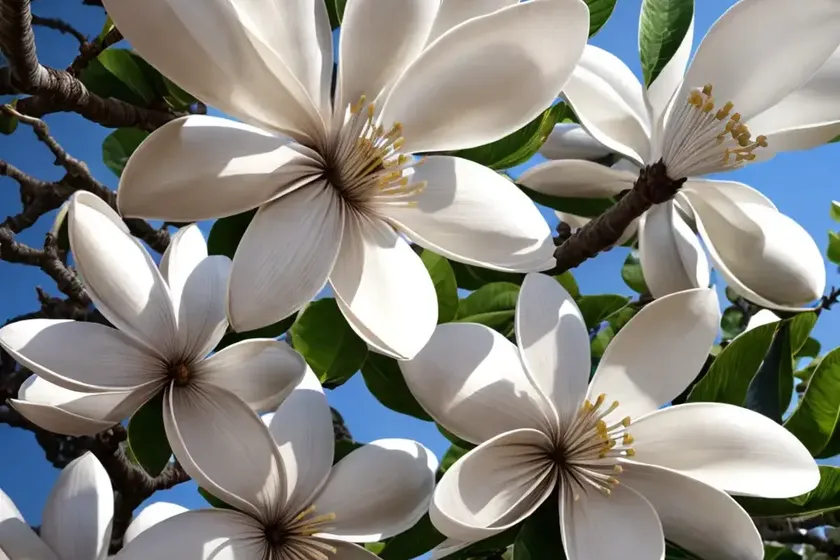
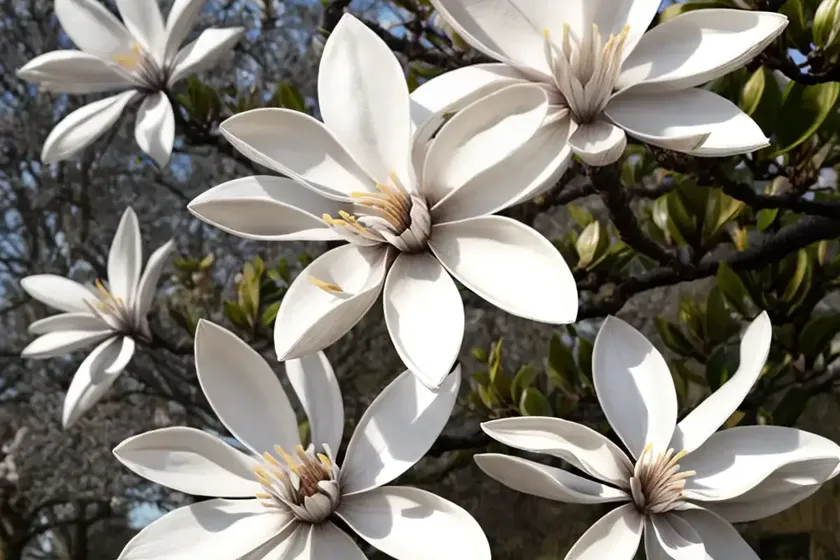
Magnolia stellata ‘Centennial,’ commonly known as the Star Magnolia, is a popular and visually striking member of the genus Magnolia. Known for its stunning, star-shaped flowers and low-maintenance nature, this cultivar has gained widespread appreciation among gardeners and plant enthusiasts. In this comprehensive guide, we will explore the culture, uses, care tips, and interesting facts about this captivating plant, along with tips from botanists, common diseases, and pest management. Whether you are a seasoned gardener or a novice plant enthusiast, this article will provide you with valuable insights into the world of Magnolia stellata ‘Centennial.’
What is Magnolia stellata ‘Centennial’?
Magnolia stellata ‘Centennial’ is a deciduous shrub that belongs to the family Magnoliaceae. Originating from Japan, this cultivar is a variety of the Magnolia stellata species. It is renowned for its stunning, fragrant flowers, which typically bloom in early spring before the arrival of its foliage, creating a breathtaking display of star-shaped blooms. The plant’s compact and rounded habit, coupled with its low maintenance requirements, makes it an ideal choice for gardens, landscapes, and container plantings.
Key Takeaways – Magnolia stellata ‘Centennial’
Before delving into the details of the culture, uses, and care tips for Magnolia stellata ‘Centennial,’ let’s examine some of the key takeaways about this captivating plant:
- Botanical Name: Magnolia stellata ‘Centennial’
- Common Name: Star Magnolia ‘Centennial’
- Type: Deciduous shrub
- Flower: Star-shaped, fragrant white blooms
- Foliage: Green, ovate leaves
- Hardiness Zone: 4-8
- Height: 10-15 feet
- Spread: 10-15 feet
- Watering: Moderate
- Sunlight: Full sun to partial shade
- Soil: Well-draining, moist
- Uses: Ornamental specimen, landscaping, container planting
With these key points in mind, let’s delve deeper into the various aspects of this exquisite plant.
Culture
Understanding the cultural requirements of Magnolia stellata ‘Centennial’ is essential for ensuring its optimal growth and vibrant blooms. This section will provide detailed insights into the plant’s ideal growing conditions, including water, sunlight, fertilizer, soil, and pruning.
Water
Proper watering is crucial for the health and vitality of Magnolia stellata ‘Centennial.’ This cultivar prefers moderately moist soil, especially during its establishment phase and hot, dry periods. However, it is important to prevent waterlogging, as excessively wet conditions can lead to root rot and other water-related issues.
During the growing season, it is advisable to water the plant deeply and regularly, ensuring that the soil around the root zone remains consistently moist. However, as the plant enters dormancy in late fall, it is important to reduce watering to prevent waterlogged soil during the winter months. A layer of mulch around the base of the plant can help retain soil moisture and regulate temperature fluctuations.
Sunlight
Magnolia stellata ‘Centennial’ thrives in locations that receive full sun to partial shade. While it can tolerate varying light conditions, providing ample sunlight is crucial for promoting robust growth and abundant flowering. In regions with hot summers, providing partial shade during the hottest part of the day can help protect the plant from heat stress.
Ideally, the plant should receive at least 6-8 hours of direct sunlight to achieve the best flowering display. However, in exceptionally hot climates, a location with filtered sunlight or partial shade can help prevent the plant from experiencing excessive heat stress.
Fertilizer
Applying a balanced, slow-release fertilizer in early spring can provide the necessary nutrients for healthy growth and prolific flowering. A fertilizer with a formulation such as 10-10-10 or 20-20-20 can support the plant’s overall vigor and blooming potential. When applying fertilizer, it is important to follow the manufacturer’s recommendations and avoid over-fertilization, which can lead to excessive foliage growth at the expense of flower production.
In subsequent years, a light application of fertilizer in early spring can help maintain the plant’s nutritional requirements and support its long-term health. It is advisable to refrain from fertilizing the plant in late summer or fall, as this can stimulate new growth that may be susceptible to damage from winter frosts.
Soil
Magnolia stellata ‘Centennial’ thrives in well-draining, slightly acidic to neutral soil. A loamy, fertile soil with good moisture retention is ideal for promoting healthy root development and overall growth. When planting or transplanting the Magnolia stellata ‘Centennial,’ it is important to amend the soil with organic matter such as compost or peat moss to improve its structure and fertility.
Additionally, ensuring good soil aeration and avoiding compacted or waterlogged soil is essential for preventing root-related issues. Regularly monitoring the soil moisture and drainage can help maintain optimal growing conditions for the plant.
Pruning
Pruning is an important aspect of Magnolia stellata ‘Centennial’ care, as it can help shape the plant, promote air circulation, and remove dead or damaged branches. Pruning is best carried out immediately after the plant has finished flowering in early spring, allowing ample time for new growth to develop and set buds for the following year’s blooms.
When pruning the plant, it is important to remove any dead, diseased, or crossing branches, as well as any growth that detracts from the plant’s natural form. Light shaping and selective pruning can help maintain the plant’s compact habit and encourage balanced growth.
Uses
The versatile nature of Magnolia stellata ‘Centennial’ makes it well-suited for various uses in garden landscapes, container plantings, and urban environments. Whether used as a focal point in a garden bed or as a specimen plant in a container, this cultivar offers a range of uses that cater to diverse gardening preferences. Let’s explore the common uses of Magnolia stellata ‘Centennial’ and the associated benefits.
Garden Landscapes
One of the primary uses of Magnolia stellata ‘Centennial’ is as an ornamental specimen in garden landscapes. Its elegant, star-shaped flowers and compact growth habit make it an ideal choice for creating visually striking focal points within garden beds, borders, and mixed perennial plantings.
When strategically placed within a landscape, this cultivar can add seasonal interest with its early spring blooms, followed by lush foliage and a graceful form throughout the growing season. Additionally, its moderate height and spread make it suitable for small to medium-sized gardens, where space may be limited.
Container Plantings
Magnolia stellata ‘Centennial’ is well-suited for container plantings, where it can serve as a captivating feature on patios, terraces, or balconies. When potted in a suitable container with well-draining soil, this cultivar can thrive in a confined space, making it an excellent choice for urban and small-scale gardening.
Using the plant in containers also offers the advantage of portability, allowing gardeners to position the plant in different locations to maximize its visual impact and adapt to changing light and environmental conditions. With proper care and maintenance, Magnolia stellata ‘Centennial’ can thrive and bloom prolifically in a well-designed container planting.
Urban Environments
In urban environments, Magnolia stellata ‘Centennial’ can contribute to greening efforts and enhance the visual appeal of streetscapes, public spaces, and community gardens. Its compact size, low maintenance requirements, and ornamental value make it a valuable addition to urban landscapes, where space and growing conditions may be limited.
Additionally, its early blooming period can bring a welcome burst of color and fragrance to urban settings, enriching the outdoor experience for residents and visitors alike. Its adaptability to container plantings also makes it suitable for rooftop gardens, courtyards, and other urban settings where traditional in-ground planting may not be feasible.
Propagation
Propagating Magnolia stellata ‘Centennial’ allows for the expansion of its presence in gardens and landscapes, providing the opportunity to cultivate new plants from established specimens. While the Magnolia genus can be propagated through various methods, this section will focus on propagation techniques specifically tailored to Magnolia stellata ‘Centennial,’ including seed propagation, cutting propagation, and air layering.
Seed Propagation
Magnolia stellata ‘Centennial’ can be propagated from seeds, although this method requires patience and may result in some variability in the characteristics of the offspring. To propagate the plant from seeds, it is important to obtain fresh, viable seeds from mature, healthy specimens. The following steps outline the basic process for seed propagation of Magnolia stellata ‘Centennial’:
- Collect mature seeds from the plant in late summer to early fall when the seedpods begin to mature and show signs of splitting.
- Clean the seeds thoroughly, removing any pulp or debris, and allow them to air dry for a few days.
- Store the seeds in a cool, dry location until the following spring, ensuring that they remain viable and free from moisture and pests.
- In early spring, prepare a seed-starting tray or small pots filled with a well-draining, sterile seed-starting mix.
- Sow the seeds at a shallow depth, covering them lightly with the growing medium.
- Water the seeds gently and place the trays or pots in a warm, brightly lit location, ensuring consistent moisture and suitable growing conditions.
- Monitor the seeds for germination, which may occur within a few weeks to a couple of months, depending on the temperature and growing conditions.
Once the seedlings have developed several sets of true leaves, they can be transplanted into individual pots or a nursery bed, where they can continue to grow and develop before being planted in their final location. It is important to note that seed-propagated Magnolia stellata ‘Centennial’ plants may take several years to reach maturity and begin flowering.
Cutting Propagation
Propagating Magnolia stellata ‘Centennial’ from cuttings offers a reliable method for producing new plants that retain the characteristics of the parent plant. Semi-hardwood cuttings taken during the active growth phase can be used to propagate the plant, allowing for the efficient replication of desired traits. The following steps outline the basic process for cutting propagation of Magnolia stellata ‘Centennial’:
- Select healthy, disease-free shoots with semi-hardwood stems, typically harvested in mid-summer to early fall.
- Prepare a rooting hormone solution according to the manufacturer’s instructions, providing the necessary concentration for promoting root development in the cuttings.
- Take 6-8 inch cuttings from the selected shoots, ensuring that each cutting includes several nodes and at least two sets of leaves.
- Remove the lower set of leaves from each cutting to expose the nodes, which will facilitate the formation of roots.
- Dip the base of each cutting into the rooting hormone solution, ensuring that the cut end is thoroughly coated.
- Plant the cuttings in a well-draining propagation medium, such as a mix of perlite, vermiculite, and peat moss, ensuring proper moisture and aeration.
- Place the cuttings in a warm, humid environment with indirect light, covering them with a clear plastic dome or using a misting system to maintain high humidity levels.
Root development should occur within a few weeks to a couple of months, at which point the cuttings can be potted into individual containers and gradually acclimated to their new growing environment. By following proper cutting propagation techniques, gardeners can successfully propagate Magnolia stellata ‘Centennial’ and expand their collection of this exquisite plant.
Air Layering
Air layering is another effective method for propagating Magnolia stellata ‘Centennial,’ particularly for obtaining rooted plants from established specimens with desirable traits. This technique involves inducing roots to form on a portion of a stem while it is still attached to the parent plant, allowing for the successful development of a new plant. The following steps outline the basic process for air layering Magnolia stellata ‘Centennial’:
- Select a healthy, flexible stem on the parent plant, typically in the spring or early summer when the plant is actively growing.
- Make a downward diagonal cut through the bark and cambium layer, creating a small wound in the stem.
- Apply a rooting hormone to the exposed area, covering it thoroughly to promote the initiation of root development.
- Wrap the wounded area with a handful of moist sphagnum moss, ensuring that it completely covers the exposed portion of the stem.
- Encase the moss-covered area with a sheet of clear plastic or plastic wrap, securing it in place to create a sealed, humid environment.
- Monitor the air layer for several weeks, ensuring that the moss remains consistently moist and that roots are beginning to form within the enclosed area.
Once sufficient roots have developed within the air layer, the newly rooted portion can be carefully separated from the parent plant and potted into a suitable growing medium. By utilizing air layering, gardeners can successfully propagate Magnolia stellata ‘Centennial’ and establish new plants with the desired genetic characteristics of the parent specimen.
Popularity
The popularity of Magnolia stellata ‘Centennial’ stems from its exceptional ornamental value, low maintenance requirements, and adaptability to diverse growing conditions. This section will explore the factors contributing to the plant’s widespread appeal and its growing popularity among gardeners, landscapers, and horticultural enthusiasts.
Ornamental Value
One of the primary reasons for the popularity of Magnolia stellata ‘Centennial’ is its exceptional ornamental value, particularly attributed to its exquisite star-shaped flowers. The early spring blooms, which emerge before the leaves, create a stunning visual display and fill the air with a delicate, sweet fragrance. The pure white petals and contrasting stamens of the flowers add a touch of elegance and charm to garden landscapes, drawing attention and admiration from onlookers.
Additionally, the graceful form and lush foliage of the plant contribute to its overall aesthetic appeal, ensuring that it remains visually pleasing throughout the growing season. Its moderate size and compact habit make it a versatile choice for various garden settings, where it can serve as a focal point, accent plant, or part of a mixed border.
Low Maintenance
Magnolia stellata ‘Centennial’ is celebrated for its low maintenance requirements, making it an attractive option for gardeners seeking a beautiful yet easy-to-care-for plant. Once established, this cultivar displays good resilience to common environmental stresses and requires minimal intervention to thrive. Its moderate water and nutrient needs, coupled with its ability to adapt to varying light conditions, make it well-suited for both novice and experienced gardeners.
The plant’s natural resistance to many pests and diseases further contributes to its low maintenance nature, allowing it to thrive with minimal chemical intervention. These characteristics make it an appealing choice for individuals seeking a visually stunning plant that requires minimal upkeep and attention.
Adaptability
Another factor contributing to the popularity of Magnolia stellata ‘Centennial’ is its adaptability to a wide range of growing conditions. From diverse soil types to varying light exposures, this cultivar can thrive and bloom in different environments, providing flexibility for gardeners with varying landscape and gardening preferences. Whether used in urban settings, suburban gardens, or rural landscapes, this versatile plant can adapt to its surroundings and flourish with proper care.
Its adaptability also extends to container planting, where it can thrive in confined spaces such as patios, balconies, and courtyards. This flexibility makes it an appealing choice for individuals with limited garden space or those seeking to enhance outdoor living areas with the beauty of Magnolia stellata ‘Centennial.’
Common Diseases
While Magnolia stellata ‘Centennial’ is known for its resilience to many pests and diseases, it is important for gardeners to be aware of potential ailments that can affect the plant. Understanding common diseases and their associated symptoms can help prevent, identify, and manage issues that may arise during the plant’s growth. This section will outline some of the common diseases that can impact Magnolia stellata ‘Centennial’ and provide insights into their diagnosis and management.
Anthracnose
Anthracnose is a fungal disease that can affect Magnolia stellata ‘Centennial,’ causing symptoms such as irregularly shaped brown lesions on the leaves, premature leaf drop, and twig dieback. The disease thrives in moist conditions, particularly during periods of prolonged rain or high humidity, and can spread through splashing water and airborne spores.
Diagnosis:
– Irregular brown lesions on the leaves
– Premature leaf drop
– Twig dieback
– Gray, fuzzy fungal growth on affected plant parts
Management:
– Prune and dispose of infected plant parts
– Ensure good air circulation around the plant
– Avoid overhead watering
– Apply fungicidal treatments as recommended
Powdery Mildew
Powdery mildew is a common fungal disease that can affect Magnolia stellata ‘Centennial,’ manifesting as a white, powdery coating on the leaves and stems. Although the disease is not usually lethal, severe infestations can lead to distorted growth and reduced vigor in the plant.
Diagnosis:
– White, powdery coating on leaves and stems
– Distorted growth
– Reduced vigor
Management:
– Improve air circulation around the plant
– Avoid overcrowding and provide adequate spacing
– Apply fungicidal treatments as recommended
– Remove and dispose of affected plant parts
Leaf Spot
Leaf spot diseases, caused by various fungal pathogens, can affect the foliage of Magnolia stellata ‘Centennial, leading to the development of dark, irregular spots and lesions on the leaves. In severe cases, leaf spot diseases can cause premature defoliation and impact the overall health of the plant.
Diagnosis:
– Dark, irregular spots and lesions on the leaves
– Premature defoliation
– Reduced aesthetic quality of foliage
Management:
– Remove and dispose of infected leaves
– Avoid overhead watering
– Apply fungicidal treatments as recommended
– Maintain proper plant spacing and sanitation
Botrytis Blight
Botrytis blight, caused by the fungus Botrytis cinerea, can affect the flowers and buds of Magnolia stellata ‘Centennial,’ leading to the development of gray-brown lesions and a fuzzy, mold-like growth. The disease is favored by cool, humid conditions, and can spread rapidly during periods of extended wetness.
Diagnosis:
– Gray-brown lesions on flowers and buds
– Fuzzy, mold-like growth
– Premature flower and bud drop
Management:
– Remove and dispose of infected plant parts
– Provide adequate air circulation
– Avoid overhead watering
– Apply fungicidal treatments as recommended
Petal Blight
Petal blight is a fungal disease that primarily affects the flowers of Magnolia stellata ‘Centennial,’ causing the petals to turn brown, develop spots, and exhibit a mushy texture. As the disease progresses, the affected flowers may become unsightly and fail to provide the desired ornamental display.
Diagnosis:
– Brown, spotted petals
– Mushy texture
– Premature flower deterioration
Management:
– Remove and dispose of affected flowers
– Avoid overhead watering
– Apply fungicidal treatments as recommended
– Monitor and maintain good plant hygiene
By staying vigilant and implementing proactive management practices, gardeners can mitigate the impact of common diseases on Magnolia stellata ‘Centennial’ and ensure the long-term health and vitality of the plant.


