Plant Scientist’s Guide to Magnolia ‘Spectrum’
Magnolia ‘Spectrum’ is a stunning ornamental tree that is sought after for its beautiful flowers and graceful form. As a plant scientist, it is my pleasure to share with you an in-depth guide to understanding and caring for this exquisite plant. In this comprehensive guide, we will explore every aspect of Magnolia ‘Spectrum’, from its basic characteristics to its specific care requirements, diseases, pests, and much more.
What is Magnolia ‘Spectrum’?
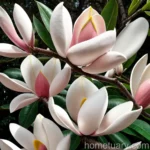
Magnolia ‘Spectrum’ is a deciduous hybrid magnolia known for its remarkable, large, tulip-shaped blooms that exhibit a lovely blend of pink, purple, and white shades. This cultivar is a result of a cross between Magnolia x soulangeana and Magnolia liliiflora. It is a member of the Magnoliaceae family and is prized for its ornamental value in landscapes and gardens.
The tree typically grows to a height of 25 to 30 feet and has a spread of 15 to 20 feet. It features an upright, multi-stemmed growth habit with a rounded crown, making it a captivating focal point in any garden setting.
Key Takeaways
Before we delve deeper into the various aspects of caring for Magnolia ‘Spectrum’, let’s summarize the key takeaways of this guide:
- Plant Name: Magnolia ‘Spectrum’
- Common Name: Spectrum Magnolia
- Family: Magnoliaceae
- Type: Deciduous tree
- Height: 25-30 feet
- Spread: 15-20 feet
- Bloom Time: Late spring to early summer
- Hardiness Zone: 4-8
- USDA Plant Hardiness Zones: 4/5/6/7/8
Now, let’s explore the intricacies of caring for this magnificent plant.
Culture
Proper cultural practices are essential for the healthy growth and development of Magnolia ‘Spectrum’. Understanding its requirements for water, sunlight, fertilizer, soil, and pruning is crucial in ensuring its overall well-being.
Uses
Magnolia ‘Spectrum’ is primarily cultivated for its ornamental purposes. The tree serves as a striking focal point in landscapes and gardens, adding a touch of elegance and charm with its beautiful blossoms. Additionally, it can be used in mixed borders, as a specimen tree, or as part of a woodland or naturalized setting.
Water
Adequate water is vital for the establishment and growth of Magnolia ‘Spectrum’. Here are some key points to consider when watering this plant:
- Young Trees: Newly planted specimens require regular watering, especially during dry spells, to promote root establishment. Keep the soil consistently moist but not waterlogged.
- Established Trees: Once established, the tree generally exhibits moderate drought tolerance. However, during prolonged dry periods, supplemental watering may be necessary to support healthy growth and flowering.
Sunlight
Magnolia ‘Spectrum’ thrives in full sun to partial shade. When selecting a planting site, consider the following sunlight preferences:
- Full Sun: The tree will develop the best flowering and overall growth in a location that receives at least 6-8 hours of direct sunlight daily.
- Partial Shade: It can also tolerate partial shade, particularly in regions with hot summers, where some protection from intense midday sun is beneficial.
Fertilizer
Proper fertilization encourages vigorous growth and enhances the ornamental appeal of Magnolia ‘Spectrum’. Here are some fertilizer-related considerations:
- Timing: Apply a balanced, slow-release fertilizer in early spring before new growth begins.
- Amount: Follow the recommended application rates on the fertilizer label, and avoid over-fertilization as it can lead to excessive vegetative growth at the expense of flowering.
- Method: Spread the fertilizer evenly over the root zone and water thoroughly to ensure incorporation into the soil.
Soil
The soil quality directly impacts the health and performance of Magnolia ‘Spectrum’. Consider the following soil requirements for this plant:
- Well-draining Soil: Plant in well-draining soil to prevent waterlogging, which can lead to root rot and other issues.
- pH Level: Magnolias generally prefer slightly acidic to neutral soil (pH 5.5-6.5).
- Soil Amendments: Incorporating organic matter into the planting site can improve soil structure and fertility, promoting healthy root development and overall growth.
Pruning
Pruning is beneficial for shaping the tree, promoting a strong structure, and enhancing flowering. Here are some pruning tips for Magnolia ‘Spectrum’:
- Timing: Prune immediately after flowering to avoid removing potential flower buds for the following year.
- Purpose: Remove dead, damaged, or crossing branches to maintain the tree’s health and appearance.
- Technique: Make clean cuts just outside the branch collar to promote proper healing.
Propagation
Magnolia ‘Spectrum’ can be propagated through various methods, including seed propagation, softwood or hardwood cuttings, and grafting. Each propagation method has its own set of requirements and challenges, and success rates may vary.
Container Popularity
While Magnolia ‘Spectrum’ is ideally suited for growing in the ground, it is possible to cultivate it in containers under the right conditions. However, the limited soil volume in containers may require more frequent watering and fertilization to support the tree’s growth.
Common Diseases and Pests
Like any other plant, Magnolia ‘Spectrum’ is susceptible to certain diseases and pests that can affect its health and vigor. Understanding these potential issues and their management is crucial for maintaining the tree in optimal condition.
Common Diseases
Several diseases can impact the well-being of Magnolia ‘Spectrum’, and preventive measures are essential in minimizing their occurrence:
- Anthracnose: This fungal disease can cause leaf spots, defoliation, and twig dieback, particularly in wet conditions.
- Cercospora Leaf Spot: Characterized by small, dark spots on the leaves, this fungal disease can lead to premature leaf drop in severe cases.
- Powdery Mildew: A white, powdery fungal growth on the leaves and shoots, powdery mildew can affect the tree’s overall appearance.
Disease Diagnosis
Prompt and accurate diagnosis of diseases is crucial for implementing effective control measures. If you observe any abnormal symptoms on your Magnolia ‘Spectrum’, consider consulting with a plant health specialist or extension service for a proper diagnosis and treatment recommendations.
Common Pests
Several pests can pose potential threats to the health of Magnolia ‘Spectrum’. Vigilance and timely intervention are necessary to manage and mitigate their impact:
- Scale Insects: These tiny, immobile pests can infest the branches and twigs, leading to weakened growth and vitality.
- Spider Mites: These tiny arachnids can cause stippling and webbing on the foliage, impacting the tree’s aesthetic appeal and overall health.
- Magnolia Scale: This specific type of scale insect can affect magnolias, including ‘Spectrum’, by feeding on the sap, leading to yellowing leaves and reduced vigor.
Botanist’s Tips
As a plant scientist deeply passionate about the natural world, I would like to share some insightful tips to help you care for Magnolia ‘Spectrum’ in a way that fosters its health, resilience, and overall beauty:
- Observation: Regularly observe the tree for any signs of stress, disease, or pest infestations, and take timely action to address these issues.
- Patience: Understand that magnolias, including ‘Spectrum’, may take several years to reach their full blooming potential. Be patient and consistent in your care practices to support the tree’s long-term growth and flowering.
- Mulching: Apply a layer of organic mulch around the base of the tree to conserve soil moisture, regulate soil temperature, and suppress weed growth.
Fun Facts
Before we conclude this comprehensive guide, let’s indulge in some fascinating fun facts about Magnolia ‘Spectrum’:
- Magnolia flowers are considered to be among the most primitive of flowering plants, with fossil records dating back millions of years.
- The woody cone-like fruits of magnolias are technically not true botanical fruits but instead aggregate fruits composed of multiple seeds embedded in a fleshy structure.
- The aromatic flowers of Magnolia ‘Spectrum’ can attract various pollinators, including bees and butterflies, adding to its ecological significance in the garden.
Links to External Resources
For further exploration and in-depth information on Magnolia ‘Spectrum’, I recommend the following external resources:
- Magnolia ‘Spectrum’ Plant Profile – The Royal Horticultural Society
- Magnolia ‘Spectrum’ – Missouri Botanical Garden
- Growing Magnolias in the Home Garden – Clemson Cooperative Extension
- Magnolia Tree Care – University of Florida IFAS Extension
This brings us to the end of the Plant Scientist’s Guide to Magnolia ‘Spectrum’. I hope this comprehensive resource empowers you to cultivate and appreciate this remarkable tree in your garden or landscape. By understanding its growth requirements, potential challenges, and aesthetic appeal, you can embark on a rewarding journey of nurturing and enjoying the timeless beauty of Magnolia ‘Spectrum’.
Remember, every blossom on this majestic tree tells a story of resilience, elegance, and natural artistry, inviting you to immerse yourself in the wonders of the botanical world.
Happy gardening!
This blog post is a collaborative effort between Magnolia Enthusiasts and Plant Scientist [Name/Contact].
References
Please find below the list of references used in preparing this guide:
- “Magnolia ‘Spectrum’ Plant Profile – The Royal Horticultural Society”. Retrieved from https://www.rhs.org.uk/Plants/59162/i-Magnolia-i-Spectrum/Details
- “Magnolia ‘Spectrum’ – Missouri Botanical Garden”. Retrieved from http://www.missouribotanicalgarden.org/PlantFinder/PlantFinderDetails.aspx?kempercode=b906
- “Growing Magnolias in the Home Garden – Clemson Cooperative Extension”. Retrieved from https://hgic.clemson.edu/factsheet/magnolias-in-the-home-garden/
- “Magnolia Tree Care – University of Florida IFAS Extension”. Retrieved from https://edis.ifas.ufl.edu/ep450
Note: The information provided in this guide is based on scientific knowledge and practical experience in plant science. It is meant to serve as a comprehensive resource for understanding and caring for Magnolia ‘Spectrum’ but should not be considered as a substitute for personalized horticultural advice or professional consultation.