Plant Scientist’s Guide to Magnolia ‘Pinkie’
Magnolia trees are revered for their stunning, fragrant blooms and distinctive foliage, making them a popular addition to landscapes and gardens. Among the many varieties of Magnolia, Magnolia ‘Pinkie’ stands out for its delicate pink flowers and elegant growth habit. In this comprehensive guide, we will delve into all aspects of caring for Magnolia ‘Pinkie’, from planting and propagation to maintenance, diseases, and pests. By the end of this guide, you will have a thorough understanding of how to best nurture and appreciate this beautiful flowering tree.
What is Magnolia ‘Pinkie’?
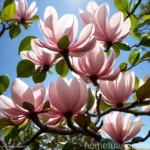
Magnolia ‘Pinkie’, a member of the Magnoliaceae family, is a deciduous tree celebrated for its beautiful pink flowers and enchanting fragrance. This cultivar typically blooms in early spring, gracing the garden with a dazzling display of delicate, cup-shaped blossoms. The flowers of Magnolia ‘Pinkie’ are notable for their lovely pink hue and subtle white accents, creating a captivating sight that enhances any landscape.
Key Takeaways
- Latin Name: Magnolia ‘Pinkie’
- Common Names: Pink Magnolia, Pinkie Magnolia
- Family: Magnoliaceae
- Bloom Time: Early Spring
- Bloom Color: Pink with White Accents
Cultivation
Cultivating Magnolia ‘Pinkie’ requires careful attention to various environmental factors, including water, sunlight, fertilizer, and soil composition. By providing the ideal growing conditions, you can ensure that this marvelous tree thrives and flourishes in your garden.
Water
Adequate water is essential for the healthy growth and development of Magnolia ‘Pinkie’. Proper irrigation is particularly crucial during the establishment phase and in periods of drought. However, it is equally important to avoid waterlogged conditions, as Magnolias are susceptible to root rot in excessively moist soils.
Watering Needs
- Young Trees: Newly planted Magnolia ‘Pinkie’ trees should be watered regularly to maintain soil moisture. A deep watering once per week is often sufficient, but frequency should be adjusted based on weather conditions.
- Established Trees: Once established, Magnolia ‘Pinkie’ trees generally have moderate water requirements, and natural rainfall may provide adequate moisture. However, supplemental watering is recommended during prolonged dry spells.
Sunlight
Magnolia ‘Pinkie’ thrives in bright, dappled sunlight and appreciates some protection from the harsh afternoon sun. Ideal planting locations include areas with partial shade, where the tree can bask in the gentle glow of filtered sunlight.
Sunlight Requirements
- Optimal Conditions: Plant Magnolia ‘Pinkie’ in a location that receives morning sun and afternoon shade, providing it with the ideal balance of light and protection from the intense midday rays.
- Shade Tolerance: While Magnolia ‘Pinkie’ benefits from sunlight, it can also tolerate partial shade, making it suitable for planting in areas with varying light conditions.
Fertilizer
Fertilizing is an important aspect of Magnolia ‘Pinkie’ care, as it ensures that the tree receives essential nutrients for growth and flowering. By employing a balanced fertilizer regimen, you can bolster the health and vitality of your Magnolia.
Fertilizer Recommendations
- Timing: Apply a slow-release, balanced fertilizer in early spring before the onset of new growth. This provides the tree with the necessary nutrients to support vigorous blooming and lush foliage.
- Frequency: As a general guideline, fertilize Magnolia ‘Pinkie’ once per year, adjusting the amount based on the tree’s size and overall health.
Soil
Selecting the right soil is a critical consideration when planting Magnolia ‘Pinkie’, as it directly impacts the tree’s ability to thrive and prosper. Well-drained, slightly acidic soils offer the best growing medium for this elegant flowering tree.
Soil Requirements
- Composition: Choose a well-draining, slightly acidic soil for planting Magnolia ‘Pinkie’. Sandy loam and loamy soils are particularly suitable, promoting healthy root development and preventing waterlogged conditions.
- pH Level: Aim for a pH level between 5.5 and 6.5, providing an environment that is conducive to nutrient uptake and overall plant health.
Pruning
Pruning is a valuable practice for maintaining the shape, structure, and health of Magnolia ‘Pinkie’. By employing proper pruning techniques, you can enhance the tree’s aesthetic appeal and encourage robust growth.
Pruning Tips
- Timing: Prune Magnolia ‘Pinkie’ immediately after flowering, typically in late spring or early summer. This timing allows you to remove spent blossoms and shape the tree without interfering with the formation of next year’s flower buds.
- Techniques: When pruning, focus on removing dead, damaged, or crossing branches to improve air circulation and maintain a well-balanced canopy. Avoid extensive pruning, as Magnolias are best left with their natural, graceful form.
Propagation
For those interested in expanding their collection of Magnolia ‘Pinkie’ trees or sharing this delightful cultivar with others, propagation offers an avenue for generating new plants. From seeds to cuttings, several methods can be employed to propagate Magnolia ‘Pinkie’ successfully.
Propagation Methods
- Seed Propagation: Gather seeds from the tree’s cones and germinate them in a controlled environment, providing the appropriate conditions for seedling establishment.
- Cutting Propagation: Take softwood or hardwood cuttings from healthy, disease-free branches, and propagate them using rooting hormone and a suitable growing medium.
Container Popularity
While Magnolia ‘Pinkie’ is typically grown in garden settings, it is also well-suited for container cultivation. Its compact size, attractive foliage, and breathtaking blooms make it an appealing choice for container gardening enthusiasts.
Container Common Diseases
- Root Rot: Overwatering or poorly draining soils can lead to root rot in container-grown Magnolia ‘Pinkie’, necessitating vigilant monitoring of soil moisture levels.
- Pot-Bound Stress: If grown in containers for an extended period, Magnolia ‘Pinkie’ may experience pot-bound stress, resulting in reduced vigor and growth.
Disease Diagnosis
Diagnosing diseases in Magnolia ‘Pinkie’ is essential for implementing timely and effective management strategies, thereby safeguarding the tree’s health and vitality.
Common Pests
Several pests may afflict Magnolia ‘Pinkie’, posing potential threats to its well-being. Timely pest detection and intervention are crucial for preserving the tree’s vigor and ornamental value.
Botanist’s Tips
As a renowned plant scientist, I have gathered specific insights and recommendations for cultivating Magnolia ‘Pinkie’ based on scientific knowledge and practical experience. These tips are designed to empower enthusiasts and horticulturists to achieve success in nurturing this captivating flowering tree.
Fun Facts
Discover intriguing and delightful facts about Magnolia ‘Pinkie’, shedding light on its captivating traits and ecological significance.
Links to External Resources
Explore authoritative sources and external references to deepen your understanding of Magnolia ‘Pinkie’ and its cultivation. External resources provide additional insights, research findings, and expert perspectives on this remarkable flowering tree.
As an esteemed plant scientist, it is my pleasure to share comprehensive and insightful guidance on the care and cultivation of Magnolia ‘Pinkie’. By following these recommendations and leveraging the wealth of knowledge presented, enthusiasts and horticulturists can embark on a rewarding journey of nurturing and appreciating this extraordinary flowering tree.

“Magnolia ‘Pinkie’ graces the garden with its enchanting pink blooms, capturing the admiration of all who behold its splendor.”
In conclusion, Magnolia ‘Pinkie’ stands as a captivating symbol of natural beauty, enchanting observers with its delicate pink flowers and graceful presence. By harnessing the insights and recommendations presented in this guide, individuals can cultivate and cherish Magnolia ‘Pinkie’ in their gardens, reaping the rewards of its exceptional ornamental value and botanical allure.
For more information and in-depth insights on Magnolia ‘Pinkie’, please visit the following external resources:
- Royal Horticultural Society – Magnolia Care Guide
- University of Florida IFAS Extension – Magnolia Tree
I hope this guide serves as a valuable resource for all who seek to immerse themselves in the alluring world of Magnolia ‘Pinkie’ cultivation and appreciation. May this remarkable flowering tree continue to adorn gardens and landscapes with its timeless elegance and delicate blooms.
Disclaimer: The information presented in this guide is based on scientific knowledge and practical experience, but individual circumstances and environmental factors may necessitate specific adaptations and adjustments in caring for Magnolia ‘Pinkie’. Always consult local horticultural experts and resources for tailored advice based on regional conditions and considerations.