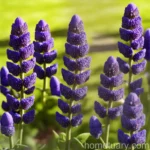
Lupinus ‘Manhattan Lights’ (Lupine): A Fascinating Perennial
Lupinus ‘Manhattan Lights’ is an exquisite perennial plant that belongs to the Lupinaceae family, known for its beautiful blooms and easy cultivability. In this comprehensive guide, we will explore the various aspects of this plant, including its cultural requirements, uses, maintenance, and much more.
What is Lupinus ‘Manhattan Lights’?
Lupinus ‘Manhattan Lights’, commonly referred to as Lupine, is an ornamental perennial plant characterized by its stunning, vibrant flower spikes. This particular variety, ‘Manhattan Lights’, is recognized for its striking bicolor blooms, which feature a combination of deep purple and bright yellow hues. The erect, showy flower spikes of Lupinus ‘Manhattan Lights’ make it a favorite among gardeners and landscaping enthusiasts alike.
Key Takeaways – Lupinus ‘Manhattan Lights’ (Lupine)
Before delving into the specific details of cultivating and caring for Lupinus ‘Manhattan Lights’, let’s outline the primary takeaways for quick reference:
- Common Name: Manhattan Lights Lupine
- Plant Family: Lupinaceae
- Blooming Period: Late spring to early summer
- Sunlight Needs: Full sun to partial shade
- Watering Guidelines: Moderate watering; well-draining soil
- Fertilizer Requirements: Balanced, all-purpose fertilizer during the growing season
- Soil Preferences: Well-draining, slightly acidic to neutral soil
- Maintenance: Regular deadheading; minimal pruning
- Propagation: Best propagated through seeds
- Common Diseases: Keep an eye out for powdery mildew and aphid infestations
- Common Pests: Aphids, spider mites
- Container Gardening: Suitable for large containers
- Popularity: Rising popularity among gardeners and landscapers
With these key takeaways in mind, let’s explore the various aspects of cultivating and caring for Lupinus ‘Manhattan Lights’.
Culture
Sunlight Needs
Lupinus ‘Manhattan Lights’ thrives in locations with full sun to partial shade. Therefore, when selecting a planting spot, ensure that the area receives an ample amount of sunlight. In regions with exceptionally hot summers, providing the plant with some shade during the hottest part of the day can be beneficial.
Watering Guidelines
While Lupinus ‘Manhattan Lights’ appreciates moderate moisture, it is crucial to avoid waterlogged conditions, as this can lead to root rot. During prolonged dry spells, regular watering is necessary to maintain optimal growth and flowering. Opt for well-draining soil to prevent water accumulation around the roots.
Fertilizer Requirements
To promote healthy growth and prolific blooming, it is advisable to feed Lupinus ‘Manhattan Lights’ with a balanced, all-purpose fertilizer during the growing season. Apply the fertilizer according to the manufacturer’s recommendations, ensuring that it is well incorporated into the soil.
Soil Preferences
Lupinus ‘Manhattan Lights’ thrives in well-draining soil with a slightly acidic to neutral pH range. Amending the soil with organic matter, such as compost, can improve its overall structure and drainage, creating an ideal environment for the plant to flourish.
Uses
Garden Design
Lupinus ‘Manhattan Lights’ is a versatile plant that lends itself well to various garden designs. Its vibrant flower spikes add vertical interest to borders and mixed perennial beds. Additionally, the striking color combination of ‘Manhattan Lights’ makes it an excellent choice for creating eye-catching focal points in the garden.
Cut Flowers
The attractive blooms of Lupinus ‘Manhattan Lights’ are well-suited for floral arrangements, bringing an element of natural beauty indoors. When harvesting flowers for arrangements, it is essential to do so carefully, ensuring that enough foliage remains on the plant for continued growth and energy production.
Pollinator Magnet
The nectar-rich flowers of Lupinus ‘Manhattan Lights’ attract a wide array of pollinators, including bees and butterflies. By incorporating this plant into garden spaces, you can actively contribute to the support and preservation of local pollinator populations.
Pruning
Deadheading
Regular deadheading of faded flowers not only maintains the plant’s aesthetic appeal but also encourages the production of new blooms. When deadheading Lupinus ‘Manhattan Lights’, it is best to remove the spent flowers before seed pods begin to form, redirecting the plant’s energy into further flowering.
Propagation
Lupinus ‘Manhattan Lights’ is primarily propagated through seeds. When collecting seeds from the plant, wait until the pods have turned brown and begin to open, indicating that the seeds are mature. These seeds can then be sown in suitable growing conditions to establish new plants.
Container Gardening
Though Lupinus ‘Manhattan Lights’ is often grown directly in garden beds, it can also thrive in large containers. When opting for container cultivation, ensure that the container provides ample space for root development and has sufficient drainage holes to prevent waterlogging.
Common Diseases and Pests
Disease Diagnosis
One of the most common diseases that can affect Lupinus ‘Manhattan Lights’ is powdery mildew. This fungal disease presents as a powdery, white substance on the leaves and stems. While it may not be fatal to the plant, it can hinder its overall vigor and aesthetic appeal if left unaddressed. Adequate air circulation and proactive management can help prevent and control powdery mildew.
Common Pests
Aphids and spider mites are among the primary pests that can pose a threat to Lupinus ‘Manhattan Lights’. Inspect the plant regularly for signs of pest infestations, such as distorted growth or the presence of pests on the undersides of leaves. Prompt action, including the use of natural predators or horticultural oils, can effectively manage pest populations.
Botanist’s Tips
Companion Plants
Consider pairing Lupinus ‘Manhattan Lights’ with complementary companion plants to create visually engaging and ecologically supportive garden spaces. Plants such as Echinacea purpurea (‘Magnus’), Salvia nemorosa, and Achillea millefolium can form harmonious combinations with ‘Manhattan Lights’, enhancing the overall appeal of the garden ecosystem.
Wildlife Attractor
By attracting pollinators and other beneficial insects, Lupinus ‘Manhattan Lights’ contributes to the overall biodiversity of garden environments. In addition to its ornamental value, it plays a crucial role in sustaining local wildlife populations, showcasing its significance beyond its visual beauty.
Fun Facts
- Lupinus ‘Manhattan Lights’ is a hybrid variety resulting from careful crossbreeding, showcasing the innovative potential within the realm of plant cultivation.
- The vibrant coloration of the ‘Manhattan Lights’ blooms creates a captivating display in garden settings, garnering attention and admiration from onlookers.
Links to External Resources
To expand your knowledge and understanding of Lupinus ‘Manhattan Lights’ and its cultivation, here are some valuable external resources:
- Royal Horticultural Society – Lupinus
- University of Maryland Extension – Lupines in the Garden
- Missouri Botanical Garden – Lupinus
- American Society for the Prevention of Cruelty to Plants – Lupine Care and Maintenance
By delving into these resources, you can further enrich your understanding of Lupinus ‘Manhattan Lights’ and gain valuable insights into its care and cultivation.
In conclusion, Lupinus ‘Manhattan Lights’ (Lupine) stands as a captivating perennial plant that not only adorns garden spaces with its vibrant blooms but also contributes to the overall ecological balance. With proper cultural practices and a deep appreciation for its natural beauty, ‘Manhattan Lights’ can thrive and enchant for seasons to come. Whether you are an avid gardener, a landscape enthusiast, or simply someone who appreciates the allure of nature, embracing the charm of Lupinus ‘Manhattan Lights’ can truly elevate your botanical experiences.