Magnolia (Magnolia Wilsonii)
Magnolia wilsonii, commonly known as Wilson’s magnolia, is a stunning and graceful ornamental tree that is cherished for its elegant flowers, attractive.
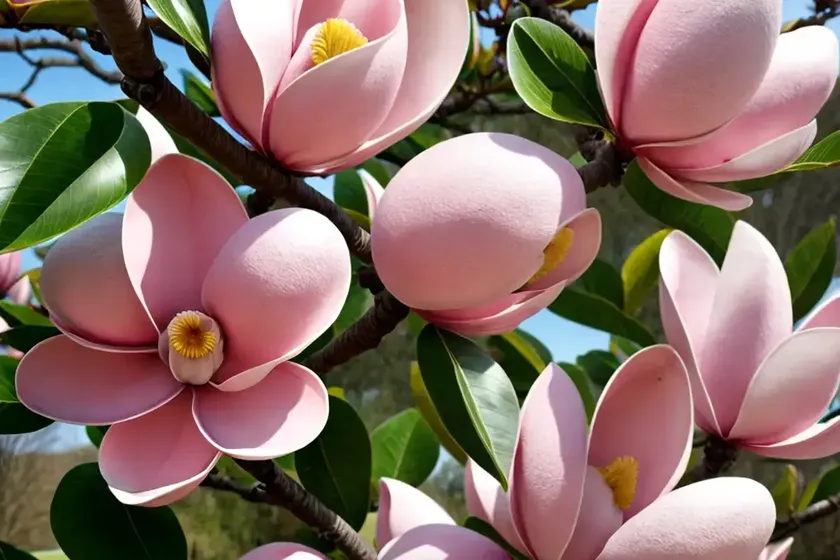
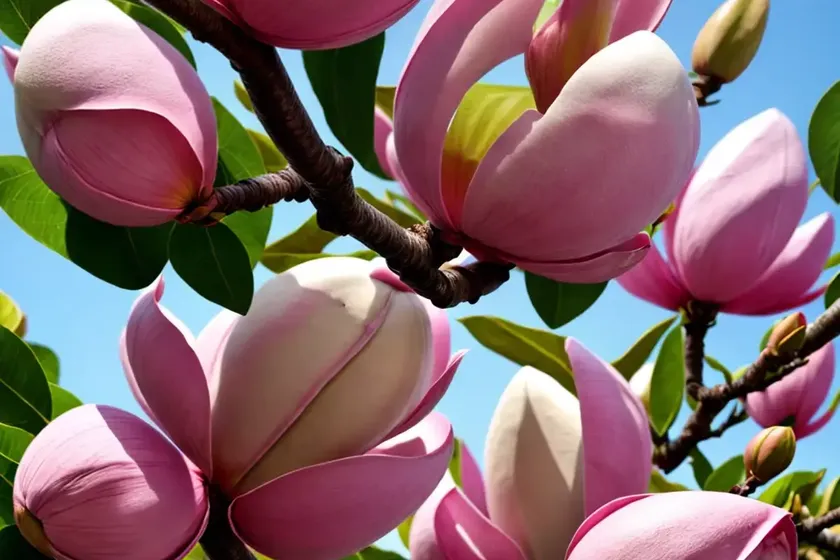
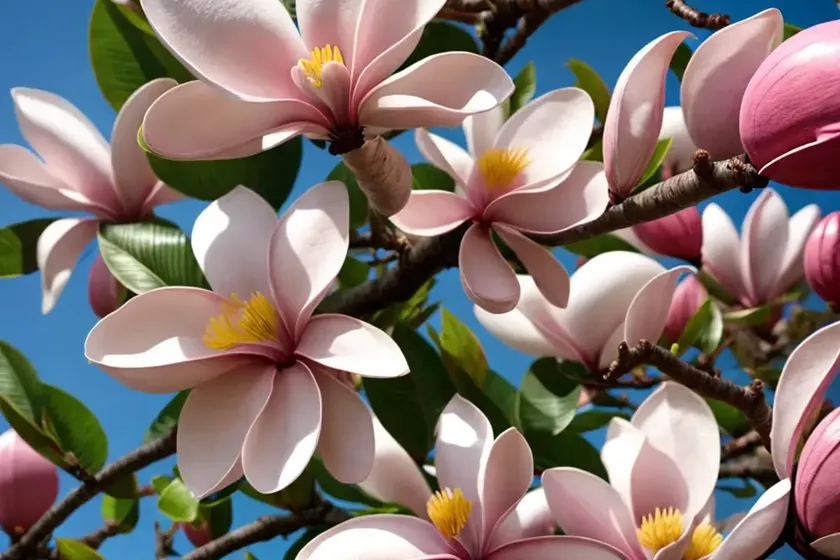
Magnolia wilsonii, commonly known as Wilson’s magnolia, is a stunning and graceful ornamental tree that is cherished for its elegant flowers, attractive foliage, and overall aesthetic appeal. In this comprehensive guide, we will delve into the characteristics, cultivation requirements, uses, and maintenance of Magnolia wilsonii, providing valuable insights for both experienced gardeners and enthusiastic beginners.
What is Magnolia Wilsonii?
Magnolia wilsonii is a deciduous tree belonging to the Magnoliaceae family, renowned for its captivating, large, cup-shaped flowers and rich green leaves. The tree’s origins can be traced back to China, where it thrives in its native environment. The species was named in honor of the distinguished plant collector, Ernest Henry Wilson, who explored the botanical treasures of China in the early 20th century.
Key Takeaways – Magnolia (Magnolia wilsonii)
- Scientific Name: Magnolia wilsonii
- Common Name: Wilson’s Magnolia
- Family: Magnoliaceae
- Plant Type: Deciduous Tree
- Native Habitat: China
- Primary Uses: Ornamental, Horticultural
- Bloom Time: Spring
With its remarkable beauty and distinctive features, Magnolia wilsonii has become a coveted addition to gardens, parks, and landscapes around the world, where it adds a touch of elegance and grandeur.
Culture
Cultivating Magnolia wilsonii entails understanding its specific cultural requirements, which encompass aspects such as watering, sunlight, soil conditions, and fertilization. By ensuring that these needs are met, gardeners can optimize the tree’s growth and promote an abundance of striking blooms.
Uses
- Landscape Ornament: Magnolia wilsonii is often utilized as a focal point in landscape designs due to its striking appearance and aesthetic appeal. Its magnificent flowers and graceful form make it an excellent choice for enhancing the visual interest of outdoor spaces.
Water
Adequate and consistent moisture is essential for the optimal growth and development of Magnolia wilsonii. While the tree prefers well-draining soil, it is essential to ensure a consistent moisture supply, particularly during dry spells and hot weather. When establishing young plants, regular watering is crucial to encourage healthy root development and overall vigor.
Sunlight
Magnolia wilsonii thrives in a location that offers ample sunlight, although it appreciates some protection from intense, direct sunlight, especially during the hottest part of the day. An ideal planting site would provide the tree with partial shade, sheltering it from the harsh afternoon sun while still allowing it to receive sufficient light.
Fertilizer
To support the growth and vitality of Magnolia wilsonii, it is beneficial to provide it with a balanced fertilizer that is specifically formulated for woody plants. Fertilization should be carried out in early spring, before new growth emerges, and again in mid to late summer to sustain the tree’s nutritional needs throughout the growing season.
Soil
Magnolia wilsonii thrives in well-draining, slightly acidic soil that is rich in organic matter. Loamy soils with good fertility are particularly well-suited for the tree, facilitating healthy root development and overall vigor. Prior to planting, it is advisable to amend the soil with organic compost or peat moss to enhance its structure and nutrient content.
Pruning
Pruning Magnolia wilsonii is generally minimal, focusing primarily on the removal of dead, damaged, or diseased branches, as well as the occasional shaping to maintain an attractive form. It is advisable to conduct pruning tasks during the tree’s dormant season to minimize stress and allow for optimal healing.
Propagation
Magnolia wilsonii can be propagated through various methods, including seeds, cuttings, and grafting. Each approach has its distinct advantages and requirements, offering gardeners the flexibility to choose a method that aligns with their preferences and expertise.
Container Popularity
While Magnolia wilsonii is predominantly cultivated in outdoor landscapes, it can also be successfully grown in containers, allowing individuals with limited space to enjoy the beauty of this magnificent tree. Selecting a large container with adequate drainage and providing the necessary care ensure that the tree thrives in a containerized environment.
Common Diseases
Despite its overall resilience, Magnolia wilsonii is susceptible to certain diseases, posing potential risks to its health and vigor. Awareness of these common diseases, along with appropriate preventive measures, is essential to safeguard the tree’s well-being and longevity.
Disease Diagnosis
Timely diagnosis of potential diseases is crucial for implementing effective management strategies and mitigating their impact on Magnolia wilsonii. By recognizing the symptoms and signs associated with common diseases, gardeners can take proactive measures to address the underlying issues and prevent the escalation of the problem.
Common Pests
Magnolia wilsonii can attract various pests, including aphids, scale insects, and spider mites, which may pose a threat to its overall health and appearance. Vigilance, prompt detection, and targeted control measures are instrumental in managing pest infestations and preserving the tree’s vitality.
Botanist’s Tips
To enhance the successful cultivation of Magnolia wilsonii, here are some valuable tips from botanists and horticultural experts:
- Selecting a Planting Site: Choose a location with well-draining soil and sufficient sunlight, providing the tree with an optimal environment for vigorous growth.
- Pruning Best Practices: When pruning Magnolia wilsonii, focus on the removal of dead or damaged branches, ensuring minimal interference with the tree’s natural form.
- Pest Monitoring: Regularly inspect the tree for signs of pest activity, enabling early intervention and the prevention of potential infestations.
Fun Facts
Delve into some intriguing and delightful facts about Magnolia wilsonii:
- Legend and Myth: The magnolia tree is often associated with legends and myths, symbolizing concepts such as purity, nobility, and perseverance.
- Fragrant Blooms: The flowers of Magnolia wilsonii exude a delightful fragrance, adding to their allure and sensory appeal.
Understanding the distinct features and notable attributes of Magnolia wilsonii contributes to a deeper appreciation of its significance and value within horticulture and botanical arts.
Links to External Resources
Explore additional information and insights on Magnolia wilsonii from trusted external sources:
- The Magnolia Society International: A reputable organization dedicated to the promotion and conservation of magnolias, offering valuable resources and expertise.
- Royal Horticultural Society: Magnolia: Access information and guidance on the cultivation and care of magnolias from the renowned Royal Horticultural Society.
- Missouri Botanical Garden: Magnolia: Discover comprehensive resources on magnolias, including detailed plant profiles and cultivation recommendations.
As a valuable resource for enthusiasts and professionals alike, these external references provide comprehensive knowledge and guidance on the cultivation and care of Magnolia wilsonii.
In conclusion, Magnolia wilsonii stands as a captivating and revered tree, admired for its resplendent flowers, graceful stature, and cultural significance. By understanding and meeting its cultivation requirements, appreciating its aesthetic charm, and safeguarding its well-being, gardeners can celebrate the enduring beauty and allure of this remarkable species.


