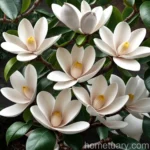
Plant Name: Magnolia (Magnolia ‘Susan’)
Magnolias are a diverse genus of flowering plants in the family Magnoliaceae. They are widely admired for their stunning, large, fragrant flowers, which come in various colors and bloom in early spring. Magnolias are native to East and Southeast Asia and the Americas, with the majority of species being found in the Eastern United States and Mexico. Magnolias are commonly used as ornamental plants in gardens and landscapes due to their attractive flowers and foliage.
In this article, we will explore the characteristics, care tips, growth habits, planting guide, maintenance, pruning techniques, and much more about a specific magnolia cultivar, the Magnolia ‘Susan.’
What is Magnolia ‘Susan’?
Magnolia ‘Susan’ is a delightful deciduous shrub or small tree that belongs to the Magnolia genus. It is a hybrid of Magnolia stellata and Magnolia liliiflora and is known for its spectacular blooming habit. The ‘Susan’ cultivar was raised by the revered New Zealand plantsman Felix Jury. It bears an abundance of tulip-shaped, deep reddish-purple flowers, also known as “tulip trees.” This cultivar is valued for its profusion of late-winter to early-spring blooms, making it an exceptional choice for adding a burst of color to the landscape when most other plants are still dormant.
‘Magnolia Susan is known for its moderate growth rate and moderate mature size, making it a great choice for small gardens or landscapes with limited space. It typically grows up to 10-15 feet in height, with a spread of 8-12 feet, forming a rounded, compact shape.
Key Takeaways – Magnolia ‘Susan’
The Magnolia ‘Susan’ is a notable cultivar with several characteristics and care requirements that make it a popular choice among gardeners and landscaping enthusiasts. Let’s delve into the key takeaways related to its culture, uses, water and sunlight requirements, fertilizer needs, soil preferences, pruning techniques, propagation methods, container gardening, popularity, common diseases, pest control, and interesting facts associated with this beautiful magnolia cultivar.
Culture
- Magnolia ‘Susan’ thrives in a temperate climate and is well-suited for growing in USDA hardiness zones 4-8. It prefers cool to mild summers and is known for its excellent cold hardiness.
- It is adaptable to various soil types but prefers moist, well-draining, slightly acidic soil. Incorporating organic matter into the soil at planting time can be beneficial for its growth and development.
- Regular watering is essential, especially during its establishment phase. Once established, it exhibits good drought resistance, but consistent moisture is still advantageous for optimal flowering and foliage health.
Uses
- This cultivar is commonly used as an ornamental focal point in residential landscapes, public parks, and botanical gardens due to its attractive flowers and compact growth habit.
- Magnolia ‘Susan’ is ideal for creating eye-catching spring displays in mixed borders, woodland gardens, and as a standalone specimen plant.
Water
- Regular watering, particularly during dry spells, is crucial for the initial establishment and overall health of Magnolia ‘Susan.’
- Proper irrigation is essential to ensure the soil remains consistently moist but not waterlogged, especially during the flowering and fruiting stages.
Sunlight
- Magnolia ‘Susan’ thrives in a location that receives full to partial sunlight. It benefits from at least 6-8 hours of direct sunlight per day to promote healthy growth, robust flowering, and a well-formed structure.
Fertilizer
- A balanced, slow-release fertilizer formulated for flowering shrubs or trees can be applied in early spring to support healthy growth and prolific flowering. Avoid excessive use of nitrogen-rich fertilizers to prevent excessive vegetative growth at the expense of flowering.
Soil
- Well-draining, loamy soil with a slightly acidic to neutral pH is ideal for growing Magnolia ‘Susan.’ It is important to avoid soils with poor drainage, as waterlogged conditions can lead to root rot and other issues.
Pruning
- Pruning is best carried out immediately after flowering to shape the tree and remove any dead or damaged branches. Minor pruning may also be performed during the growing season to maintain the desired size and shape.
Propagation
- Magnolia ‘Susan’ can be propagated through semi-hardwood cuttings taken during the summer months. Rooting hormone application and a well-draining propagation medium can enhance the success rate of cuttings.
Container Popularity
- Due to its compact size and ornamental value, Magnolia ‘Susan’ is a popular choice for container gardening. It can be grown in large containers on patios, balconies, or other outdoor spaces where its spring blooms can be prominently showcased.
Container Common Diseases
- When grown in containers, Magnolia ‘Susan’ may be susceptible to root rot if the soil becomes waterlogged. Proper drainage and using an appropriate potting mix can help prevent this issue.
Disease Diagnosis
- Magnolia ‘Susan’ is generally resistant to many common diseases; however, it may occasionally be affected by leaf spot or powdery mildew. Promptly removing and disposing of infected plant parts and promoting good air circulation can help prevent the spread of these diseases.
Common Pests
- Magnolia scale, aphids, and spider mites are some of the common pests that may infest Magnolia ‘Susan.’ Regular monitoring and using environmentally friendly pest control methods are recommended to manage these pests effectively.
Botanist’s Tips
- When selecting a location for planting Magnolia ‘Susan,’ consider its mature size and ensure adequate space for its spreading canopy.
- Mulching around the base of the plant can help conserve soil moisture, regulate soil temperature, and suppress weed growth.
- Regular observation of the plant for signs of stress, disease, or pest infestation can aid in early intervention and maintenance of its overall health.
Fun Facts
- The common name “magnolia” honors the French botanist Pierre Magnol, who was instrumental in developing early botanical classification systems.
- Magnolia flowers are considered to be one of the most primitive flowering plants, with fossil records dating back millions of years.
Links to External Resources
For further information about Magnolia ‘Susan’ and other magnolia cultivars, consider exploring the following external resources: