Magnolia Little Gem (Magnolia Grandiflora ‘little Gem’)
The Magnolia Grandiflora ‘Little Gem,’ commonly known as the Magnolia Little Gem, is a striking evergreen tree that has captured the attention of plant.
What is Magnolia Little Gem?
The Magnolia Grandiflora ‘Little Gem,’ commonly known as the Magnolia Little Gem, is a striking evergreen tree that has captured the attention of plant enthusiasts and landscapers alike. It belongs to the Magnoliaceae family and is a cultivar derived from the Magnolia grandiflora species. This compact magnolia tree offers a plethora of aesthetic, cultural, and ecological benefits, making it a popular choice for residential gardens, parks, and urban landscapes.
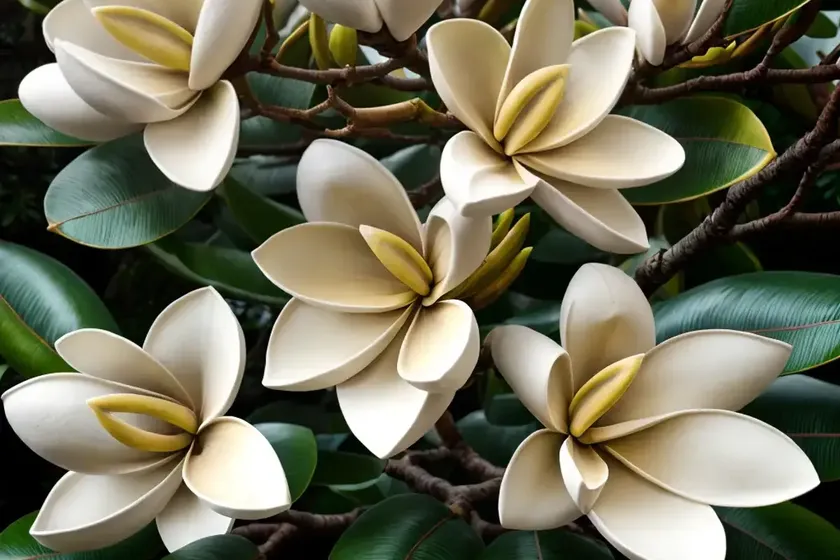
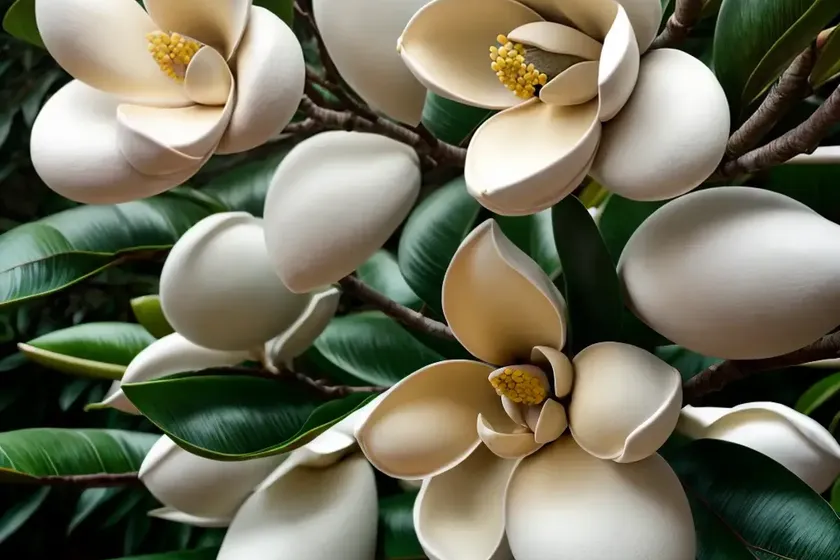
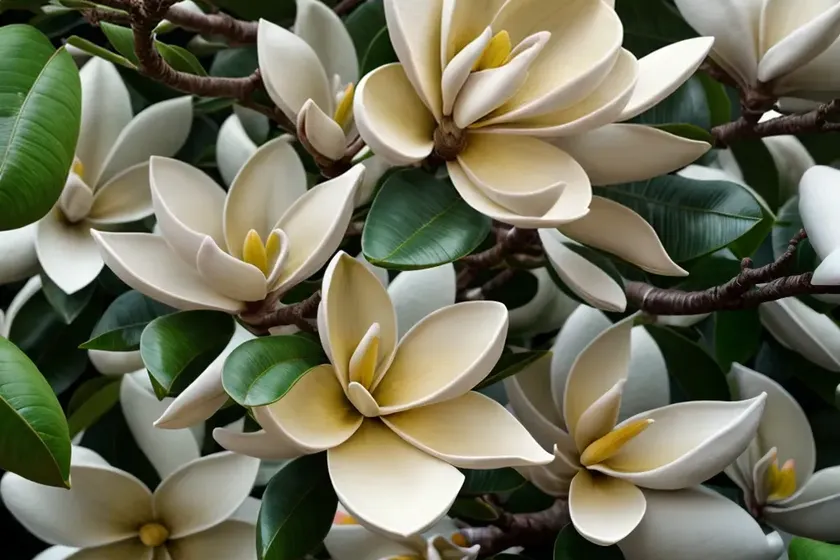
The Magnolia Grandiflora ‘Little Gem’ is characterized by its stunning glossy green leaves, fragrant creamy white flowers, and a compact, upright growth habit. It is favored for its adaptability to various soil types and climates, as well as its relatively low maintenance requirements compared to other magnolia species. The combination of its ornamental features and manageable size makes it an ideal addition to both small and large-scale landscaping projects.
In the sections below, we will delve into the key aspects of Magnolia Little Gem, including its cultural requirements, uses, disease management, and essential care tips, allowing both novice and seasoned gardeners to harness the full potential of this magnificent flowering tree.
Key Takeaways – Magnolia Little Gem
Culture
The Magnolia Little Gem thrives in diverse climatic conditions, including both subtropical and temperate regions. Its adaptability to various soil types, from sandy to clayey, makes it a versatile addition to landscaping projects in a wide range of locations. With proper care and maintenance, this compact magnolia tree can flourish in both urban and rural settings, adding an element of natural beauty to any environment.
Uses
The versatile nature of Magnolia Little Gem makes it suitable for a multitude of landscaping applications, including:
- Ornamental Tree: The striking foliage and sweetly fragrant flowers make the Magnolia Little Gem a standout ornamental tree in gardens, parks, and urban landscapes.
- Privacy Screen: Its dense foliage and upright growth habit make it an excellent choice for creating privacy hedges and screens.
- Container Planting: Due to its compact size, the Magnolia Little Gem is well-suited for container planting, allowing individuals with limited garden space to enjoy its beauty on patios and balconies.
Water
Plant Establishment: Adequate watering is crucial during the early stages of growth to facilitate root development and overall establishment. Newly planted Magnolia Little Gem trees require regular watering, especially during dry spells, to ensure optimal growth and vitality.
Mature Trees: Once established, Magnolia Little Gem trees demonstrate good drought tolerance. However, during prolonged dry periods, supplemental watering is beneficial, particularly for trees growing in containers or those situated in exposed locations.
Sunlight
Magnolia Little Gem thrives in well-lit environments and prefers full to partial sun exposure. To promote robust growth and prolific flowering, ensure that the tree receives at least six hours of direct sunlight daily. When selecting a planting site, consider the natural light conditions in the area to provide the optimal environment for the tree’s development.
Fertilizer
Young Trees: During the initial years of growth, it is beneficial to supplement the soil with a balanced, slow-release fertilizer to support the tree’s establishment and vigor. Apply the fertilizer in early spring before the onset of new growth, following the manufacturer’s recommendations for application rates.
Mature Trees: Once the Magnolia Little Gem tree has matured, a yearly application of a balanced fertilizer, preferably formulated for acid-loving plants, can help maintain its health and promote lush foliage and abundant blooms.
Soil
Magnolia Little Gem adapts well to a range of soil types, provided they offer good drainage and are slightly acidic. While the tree is tolerant of various soil textures, including sandy and loamy soils, ensuring proper drainage is essential to prevent waterlogging and root rot. Amending heavy clay soils with organic matter can improve their drainage and aeration, creating a more favorable environment for the tree’s root system.
Pruning
Pruning is an integral part of Magnolia Little Gem care and is typically carried out to maintain the tree’s shape, remove dead or damaged branches, and enhance overall aesthetics. Essential pruning tips include:
- Pruning Time: Perform pruning during the dormant season, preferably in late winter or early spring before the onset of new growth.
- Precision Pruning: Use sharp, clean pruning tools to make precise cuts, ensuring minimal stress and damage to the tree.
- Pruning Frequency: Regular light pruning is preferable over heavy pruning, as it helps maintain the tree’s natural form and minimizes the risk of excessive regrowth.
Propagation
Propagation Method: While Magnolia Little Gem can be propagated from seeds, the process is time-consuming and may result in variations in the characteristics of the offspring. A more reliable and efficient method of propagation is through stem cuttings.
Propagating from Cuttings: Select healthy, semi-hardwood cuttings with a length of 4-6 inches, preferably taken from the current season’s growth. Remove lower leaves from the cutting and dip the cut end in a rooting hormone. Plant the cutting in a well-draining potting mix, ensuring adequate moisture and warmth to encourage root development.
Container Popularity
The compact size and manageable growth habit of Magnolia Little Gem make it an appealing choice for container planting. The versatility of container-grown Magnolia Little Gem trees allows individuals with limited outdoor space to enjoy the beauty and fragrance of this ornamental species on patios, balconies, and other confined areas.
Container Common Diseases
When growing Magnolia Little Gem in containers, be mindful of potential diseases that can affect the tree. Common diseases that may occur in container-grown magnolias include:
- Root Rot: Overwatering and poor drainage can lead to root rot, causing the tree to exhibit symptoms such as wilting, yellowing leaves, and overall decline in vigor.
- Powdery Mildew: In humid or poorly ventilated conditions, powdery mildew may develop on the foliage, presenting as a powdery white coating on the leaves.
Disease Diagnosis
Early diagnosis and prompt management of diseases are critical in preserving the health and vitality of Magnolia Little Gem. Regularly inspect the tree for symptoms of common diseases, such as leaf spotting, distortion, or discoloration, and take appropriate measures to address any health concerns.
Common Pests
Magnolia Little Gem is relatively resistant to pest infestations; however, certain pests may occasionally pose a threat to the tree’s well-being. Common pests that may affect Magnolia Little Gem include:
- Scale Insects: These tiny, immobile pests can cluster on the stems and leaves, feeding on the sap and potentially causing stress to the tree.
- Whiteflies: Whiteflies can infest the foliage, leading to leaf discoloration and reduced overall vigor.
Botanist’s Tips
Enrich your Magnolia Little Gem cultivation experience with the following expert tips:
- Mulching: Apply a layer of organic mulch around the base of the tree to conserve soil moisture, regulate temperature, and suppress weed growth.
- Regular Observation: Regularly observe the tree for any signs of stress, pest infestations, or nutrient deficiencies, ensuring timely intervention when necessary.
- Soil pH Monitoring: Monitor the soil pH periodically to ensure it remains slightly acidic, within the range of 5.0-6.5, to support the tree’s nutrient uptake and overall health.
Fun Facts
Uncover the remarkable characteristics and trivia associated with Magnolia Little Gem:
- The Magnolia Grandiflora ‘Little Gem’ derives its name from the diminutive size of its flowers and overall growth habit, making it a cherished addition to small gardens and urban landscapes.
- The large, fragrant flowers of the Magnolia Little Gem are pollinated by beetles, a trait that reflects the tree’s evolutionary history and ecological significance.
Links to External Resources
Elevate your understanding of Magnolia Little Gem with the following resources:
- The Royal Horticultural Society (RHS) – Magnolia Grandiflora ‘Little Gem’ Profile
- University of Florida IFAS Extension – Magnolia grandiflora – Southern Magnolia
- North Carolina State University Cooperative Extension – Magnolia grandiflora Little Gem
- The American Society for the Prevention of Cruelty to Animals (ASPCA) – Magnolia
The Magnolia Little Gem (Magnolia Grandiflora ‘Little Gem’) stands as a testament to the captivating beauty and resilience of ornamental trees. Through the careful integration of its cultural requirements, disease management strategies, and expert tips, enthusiasts can cultivate and cherish this remarkable magnolia cultivar, enhancing the natural splendor of diverse landscapes and environments.


