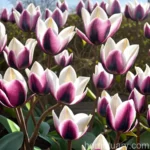
Magnolia ‘Ivory Chalice’: A Comprehensive Guide to Growing and Caring for this Beautiful Plant
Magnolia ‘Ivory Chalice’ is a stunning flowering plant that belongs to the Magnoliaceae family. Its botanical name, Magnolia, pays homage to the French botanist Pierre Magnol, while ‘Ivory Chalice’ refers to the characteristic color and shape of its flowers. This unique and elegant plant is a sought-after addition to gardens and landscapes due to its exceptional ornamental features and relatively low maintenance requirements.
What is Magnolia ‘Ivory Chalice’?
Magnolia ‘Ivory Chalice’ is a deciduous tree or large shrub known for its large, chalice-shaped, ivory-colored flowers that bloom in spring. These flowers exude a delicate fragrance, adding to the allure of this magnificent plant. The foliage of Magnolia ‘Ivory Chalice’ is a rich, dark green, providing a stunning contrast to the pale blossoms.
Key Takeaways
Before delving further into the specifics of caring for Magnolia ‘Ivory Chalice’, let’s summarize its key characteristics and requirements:
- Scientific Name: Magnolia ‘Ivory Chalice’
- Plant Type: Deciduous tree or large shrub
- Flower Color: Ivory
- Flowering Season: Spring
- Foliage: Rich, dark green
- Fragrance: Delicate and alluring
- Maintenance: Relatively low
Now, let’s explore the various aspects of growing and caring for this captivating plant.
Culture
Uses
- Landscape Ornamental: Magnolia ‘Ivory Chalice’ is commonly used as an ornamental plant in gardens, parks, and larger landscapes, adding a touch of elegance with its striking flowers and lush foliage.
- Feature Planting: Due to its vibrant blossoms, it can be used as a feature plant to create focal points within a garden or landscape design.
Water
Magnolia ‘Ivory Chalice’ thrives best in moist, well-drained soils. It’s essential to water newly planted specimens regularly to help establish a healthy root system. Once established, the plant typically has moderate water needs and can tolerate short periods of drought.
Sunlight
For optimal growth and abundant flowering, Magnolia ‘Ivory Chalice’ requires full sun to partial shade. Planting it in a location with adequate sunlight exposure is crucial for its overall health and vigor.
Fertilizer
Applying a balanced, slow-release fertilizer in early spring can support the growth and flowering of Magnolia ‘Ivory Chalice’. Additionally, incorporating organic matter into the soil during planting can provide essential nutrients for sustained development.
Soil
This plant thrives in humus-rich, acidic to slightly acidic soils. It’s important to ensure that the soil is well-drained to prevent waterlogging, which can be detrimental to the plant’s health.
Pruning
Proper pruning can help maintain the desired shape and size of Magnolia ‘Ivory Chalice’, and it’s typically performed after the plant has finished flowering in spring or early summer. Pruning can also involve the removal of dead or damaged branches to promote overall plant health.
Propagation
Magnolia ‘Ivory Chalice’ can be propagated through various methods such as seed propagation, softwood cuttings, or layering. Each method has its own requirements, but with proper care and attention, successful propagation can be achieved.
Container Popularity
While Magnolia ‘Ivory Chalice’ is often planted in the ground to allow for its expansive growth, it is also favored for container gardening. This allows individuals with limited space, such as those living in urban areas, to enjoy the beauty of this plant on patios, balconies, or small gardens.
Common Diseases
Like many plants, Magnolia ‘Ivory Chalice’ is susceptible to certain diseases. However, with proper care and maintenance, the risk of disease can be greatly minimized. Common diseases that may affect Magnolia ‘Ivory Chalice’ include:
- Leaf Spot: This fungal disease can result in dark spots or lesions on the plant’s leaves.
- Powdery Mildew: A powdery, white substance on the plant’s leaves and stems is indicative of this fungal disease.
- Anthracnose: This disease can lead to browning or necrosis of the plant’s tissues, particularly during periods of high humidity.
Disease Diagnosis
Proper diagnosis of potential diseases affecting Magnolia ‘Ivory Chalice’ involves careful observation of the plant’s symptoms, including any changes in foliage color, texture, or overall plant vitality. Consulting with a plant health specialist or horticulturist may be necessary for more accurate diagnoses and effective treatment options.
Common Pests
In addition to diseases, Magnolia ‘Ivory Chalice’ may also be targeted by certain pests. Vigilant monitoring and prompt intervention can help prevent pest infestations from causing significant damage. Common pests that may affect this plant include:
- Scale Insects: These pests can attach themselves to the stems and leaves, causing wilting and damage to the plant.
- Spider Mites: These tiny pests can create fine webbing on the plant and cause leaf discoloration and drop.
- Magnolia Scale: This specific type of scale insect can affect the overall health and vigor of Magnolia ‘Ivory Chalice’ if left untreated.
Botanist’s Tips
As a plant scientist, here are some additional tips and insights for successfully growing and caring for Magnolia ‘Ivory Chalice’:
- Mulching: Applying a layer of organic mulch around the base of the plant can help conserve soil moisture and inhibit weed growth. This can be particularly beneficial during periods of drought.
- Pruning Frequency: While pruning is essential for maintaining the plant’s shape and health, it’s important to avoid excessive or overly aggressive pruning, which can stress the plant.
- Soil Amendments: Regularly incorporating organic matter, such as compost or well-rotted manure, into the soil can enhance its fertility and structure, providing an optimal growing environment for the plant.
Fun Facts
To further appreciate the unique characteristics of Magnolia ‘Ivory Chalice’, here are some intriguing fun facts about this plant:
- The flowers of Magnolia ‘Ivory Chalice’ are often fragrant, emitting a delightful scent that can enchant any garden or outdoor space.
- Some varieties of Magnolia ‘Ivory Chalice’ may exhibit a combination of deciduous and evergreen traits, making them stand out throughout the year.
- The intricate design and color of the flowers often attract various pollinators, contributing to the biodiversity of the surrounding environment.
Links to External Resources
For additional information on growing and caring for Magnolia ‘Ivory Chalice’, as well as insights from horticultural experts and enthusiasts, consider exploring the following external resources:
- Magnolia Care Guide – The Royal Horticultural Society
- Magnolia ‘Ivory Chalice’ – Missouri Botanical Garden
In the subsequent sections of this comprehensive guide, we will delve into the varying aspects of Magnolia ‘Ivory Chalice’, covering important topics such as growth habits, blooming season, soil requirements, pest management, and much more. Whether you are a seasoned gardener, a novice horticulturist, or simply an admirer of botanical beauty, there is much to discover about the magnificent Magnolia ‘Ivory Chalice’.