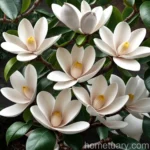
Magnolia (Magnolia ‘Betty’): A Comprehensive Guide
Magnolia ‘Betty’ is a stunning variety of magnolia tree that is cherished for its beautiful flowers and elegant foliage. In this comprehensive guide, we will delve into the intricacies of this magnificent plant, covering its culture, uses, care, common diseases, pests, propagation, and much more. Whether you’re a seasoned gardener or a novice enthusiast, this article will equip you with valuable insights into nurturing and enjoying the charm of Magnolia ‘Betty’.
What is Magnolia ‘Betty’?
Magnolia ‘Betty’ belongs to the Magnoliaceae family and is a deciduous hybrid magnolia. Noted for its compact size and abundance of large, fragrant flowers, it is a popular choice for gardens and landscapes. The plant showcases an upright, rounded form with glossy green leaves and tulip-shaped flowers that emerge in early spring. Its flowers range from pale pink to deep magenta, adding a touch of elegance to any outdoor space.
Key Takeaways
Magnolia (Magnolia ‘Betty’)
- Scientific Name: Magnolia ‘Betty’
- Common Name: Magnolia ‘Betty’
- Plant Type: Deciduous shrub/tree
- Mature Height: 10-15 feet
- Mature Spread: 8-12 feet
- Blooming Season: Early spring
- Fragrance: Pleasant, sweet scent
Now, let’s explore various aspects of the magnificent Magnolia ‘Betty’, including its culture, uses, care, diseases, pests, and much more.
Culture
Cultivating Magnolia ‘Betty’ requires an understanding of its specific needs and preferences. From soil requirements to pruning techniques, a tailored approach to its culture can yield splendid results.
Uses
Magnolia ‘Betty’ serves various purposes in landscaping and horticulture, making it a versatile addition to gardens and outdoor spaces. Its primary uses include:
- Ornamental specimen tree
- Accent shrub
- Hedging plant
- Privacy screen
The plant’s versatility and aesthetic appeal make it an excellent choice for diverse landscape designs and garden compositions.
Water
Ensuring adequate moisture levels is crucial for the healthy growth and development of Magnolia ‘Betty’. While the plant prefers moist, well-draining soil, it is essential to avoid waterlogging, especially in poorly drained or compacted soils.
Watering Tips:
1. Water deeply and infrequently to promote deep root growth.
2. Monitor soil moisture regularly, especially during the establishment phase and dry periods.
3. Mulching helps retain soil moisture and regulates temperature around the roots.
Sunlight
Magnolia ‘Betty’ thrives in locations with ample sunlight, although it can tolerate partial shade. When selecting a planting site, consider the following sunlight requirements:
- Full sun to partial shade
- At least 6 hours of direct sunlight per day for optimal blooming and growth
Sunlight Considerations:
1. Choose a site with morning sun and afternoon shade in regions with hot summers to prevent stress and sunburn to the foliage and flowers.
2. Evaluate the surrounding landscape for potential shade from buildings, trees, or other structures before planting.
Fertilizer
Proper fertilization can significantly impact the health and vigor of Magnolia ‘Betty’, promoting robust growth and prolific blooming. A balanced and well-timed fertilization regimen is essential for optimal results.
Fertilization Guidelines:
– Utilize a slow-release, balanced fertilizer in early spring before new growth emerges.
– Refrain from excessive nitrogen application to prevent lush foliage at the expense of flower production.
– Conduct a soil test to determine specific nutrient requirements and adjust fertilizer applications accordingly.
Soil
Magnolia ‘Betty’ thrives in well-draining, slightly acidic to neutral soil. Soil composition and pH levels directly influence the plant’s nutrient uptake and overall health.
Soil Preferences:
– Well-draining loamy soil with good aeration
– pH range of 5.5 to 6.5 for optimal nutrient availability
– Amending heavy or compacted soils with organic matter to improve drainage and soil structure
Pruning
Pruning plays a vital role in maintaining the desired form, promoting flowering, and eliminating dead or diseased wood in Magnolia ‘Betty’. Understanding the principles of pruning is essential for preserving the plant’s natural beauty and health.
Pruning Techniques:
– Prune immediately after flowering to avoid removing potential flower buds for the following year.
– Remove dead, damaged, or crossing branches to enhance air circulation and light penetration.
– Limit extensive pruning to avoid stimulating excessive new growth and compromising the plant’s natural shape.
Propagation
Propagating Magnolia ‘Betty’ allows gardeners and enthusiasts to expand their plant collection or share this delightful variety with others. While the propagation process requires patience and precision, it offers a rewarding opportunity to propagate new plants from established specimens.
Propagation Methods:
1. Softwood cuttings
2. Hardwood cuttings
3. Air layering
4. Grafting
Each propagation method has its advantages and challenges, and selecting the appropriate method depends on the timing, expertise, and resources available.
Container Popularity
The compact size and ornamental appeal of Magnolia ‘Betty’ make it an attractive candidate for container gardening, allowing individuals with limited garden space to enjoy its beauty on patios, balconies, or other outdoor areas.
Container Considerations:
– Select a large, sturdy container with adequate drainage holes.
– Use a well-draining potting mix formulated for woody plants.
– Provide regular watering and ensure proper overwintering protection for container-grown specimens in colder climates.
Common Diseases
While Magnolia ‘Betty’ is generally resilient, it is susceptible to certain diseases that can pose challenges to its health and vitality. Recognizing common diseases and implementing preventive measures are essential for safeguarding the plant from potential threats.
Disease Diagnosis
Common Diseases:
1. Anthracnose
2. Botryosphaeria canker
3. Powdery mildew
4. Leaf spot diseases
Early detection and accurate diagnosis are pivotal for addressing potential diseases promptly and effectively. Close monitoring of the plant’s foliage, stems, and overall vigor is crucial for identifying and managing potential disease issues.
Common Pests
Magnolia ‘Betty’ may attract a range of pests that can compromise its aesthetics and overall well-being. Understanding common pests and implementing integrated pest management strategies is vital for ensuring the plant remains healthy and free from infestations.
Common Pests:
1. Scale insects
2. Aphids
3. Spider mites
Regular inspection and proactive pest management practices can mitigate pest-related issues and minimize the need for chemical intervention.
Botanist’s Tips
Incorporating expert botanical insights into the care and cultivation of Magnolia ‘Betty’ can optimize its growth, blooming, and longevity. A botanist’s perspective offers valuable guidance for nurturing this exquisite plant to its full potential.
Fun Facts
- The Magnolia genus is ancient, with fossilized remains dating back over 20 million years.
- Magnolia ‘Betty’ is a hybrid variety, resulting from the crossbreeding of distinct magnolia species.
- The highly fragrant flowers of Magnolia ‘Betty’ attract pollinators, such as bees and butterflies, enhancing the ecological value of the plant.
Links to External Resources
For further information on Magnolia ‘Betty’ and related topics, consider exploring the following external resources:
- Royal Horticultural Society (RHS) – Magnolia care
- University of Florida IFAS Extension – Magnolia tree pests and diseases
- Missouri Botanical Garden – Magnolia species and cultivars
Conclusion
Magnolia ‘Betty’ is a splendid addition to any garden or landscape, enchanting enthusiasts with its captivating flowers and graceful demeanor. By understanding its culture, care requirements, potential challenges, and intrinsic beauty, individuals can cultivate and cherish this exceptional plant with confidence and appreciation. Whether adorning a garden bed, serving as a focal point in a landscape, or thriving in a container, Magnolia ‘Betty’ brings timeless allure and natural elegance to outdoor spaces, delighting all who encounter its floral splendor.
As you embark on your journey with Magnolia ‘Betty’, remember that each interaction with this remarkable plant offers an opportunity to deepen your connection with nature and the captivating world of horticulture. Embrace the unique attributes of Magnolia ‘Betty’ and witness its seasonal transformations, from the enchanting spring blooms to the verdant foliage of summer and the golden hues of autumn, cultivating a profound appreciation for this extraordinary botanical gem.