Madonna Lily (Lilium Candidum)
As a plant scientist, I am excited to share my extensive knowledge about one of the most exquisite and cherished ornamental plants, the Madonna Lily.
As a plant scientist, I am excited to share my extensive knowledge about one of the most exquisite and cherished ornamental plants, the Madonna Lily (Lilium Candidum). In this comprehensive guide, we will delve into various aspects of the Madonna Lily, including its cultural significance, uses, care requirements, propagation, common diseases, and much more. Furthermore, we will explore its botanical features, historical significance, and the essential role it plays in gardens, landscapes, and human traditions.
What is Madonna Lily (Lilium Candidum)?
Madonna Lily, scientifically known as Lilium Candidum, is a perennial bulbous plant belonging to the Liliaceae family. It is native to the Balkans, the islands of the Aegean, and the Middle East. This species is renowned for its pure white, trumpet-shaped, fragrant flowers that have captivated the human imagination for centuries. Madonna Lily is deeply rooted in various cultural, religious, and historical contexts, making it a symbol of purity and grace in many parts of the world.
Key Takeaways – Madonna Lily (Lilium Candidum)
Culture
- Madonna Lily has a rich cultural significance and has been associated with purity, spirituality, and motherhood for centuries.
- It plays a prominent role in religious ceremonies, including weddings, funerals, and festivities in many cultures.
Uses
- Madonna Lily is primarily grown as an ornamental plant, adorning gardens, landscapes, and indoor spaces with its elegant blooms.
- It is traditionally used in floral arrangements, wedding bouquets, and various cultural and spiritual practices.
Water
- Madonna Lily requires regular watering, maintaining evenly moist soil throughout the growing season.
- Adequate watering is essential for the proper development of its bulbs and flowers.
Sunlight
- Madonna Lily thrives in full sun to partial shade, requiring around 6-8 hours of direct sunlight for optimal growth.
- In hotter climates, partial shade protection during the hottest part of the day is beneficial.
Fertilizer
- Well-balanced fertilization is crucial for Madonna Lily, and a slow-release, high-potassium fertilizer is ideal for promoting robust blooms.
- Fertilization should be performed during the growing season, following the recommended dosage for bulbous plants.
Soil
- Well-draining, fertile soil with a slightly acidic to neutral pH is best suited for Madonna Lily.
- Organic matter such as compost can be incorporated into the soil to improve its structure and fertility.
Pruning
- Deadheading spent flowers and removing yellowing or damaged foliage helps maintain the plant’s vigor and aesthetic appeal.
- Pruning should be carried out after the blooming period to encourage strong regrowth and bulb development.
Propagation
- Madonna Lily can be propagated through bulb division, allowing the formation of new bulbs and increasing the plant’s population.
Container Popularity
- Madonna Lily is well-suited for container gardening, providing an opportunity to cultivate it in various settings and limited spaces.
Common Diseases
- Madonna Lily may be susceptible to fungal diseases such as Botrytis blight and basal rot, necessitating proactive measures to prevent and manage these issues.
Disease Diagnosis
- Close monitoring of the plant for signs of discoloration, wilting, or abnormal growth can aid in the early detection and treatment of diseases.
Common Pests
- Aphids, lily leaf beetles, and mites are among the common pests that may affect Madonna Lily, requiring diligent pest control measures.
Botanist’s Tips
- To promote healthy growth and abundant flowering, provide Madonna Lily with optimal growing conditions, including proper sunlight, watering, and soil fertility.
- Regular inspection of the plant for signs of diseases and pests is essential for maintaining its overall health and vigor.
Fun Facts
- The flowers of Madonna Lily are often associated with the Virgin Mary in Christian traditions, symbolizing purity and virtue.
- The plant’s fragrance has been highly esteemed and is used in perfumery and aromatherapy applications.
Links to External Resources
For further exploration of Madonna Lily and related topics, we recommend visiting the following resources:
These resources provide valuable insights into cultivation, care, and the cultural significance of Madonna Lily, serving as excellent references for enthusiasts, gardeners, and researchers alike.
In the subsequent sections, we will delve into the fascinating botanical aspects, historical significance, and the multifaceted role of Madonna Lily in various facets of human life, from art to spirituality.
Botanical Overview of Madonna Lily
Madonna Lily (Lilium Candidum) is distinguished by its graceful appearance and captivating blossoms, making it a cherished addition to gardens and landscapes. Let’s delve into the botanical features and growth characteristics that define this remarkable plant.
Scientific Classification
Madonna Lily belongs to the plant kingdom Plantae and the family Liliaceae. Its scientific classification is as follows:
- Kingdom: Plantae
- Family: Liliaceae
- Genus: Lilium
- Species: Candidum
Species Overview
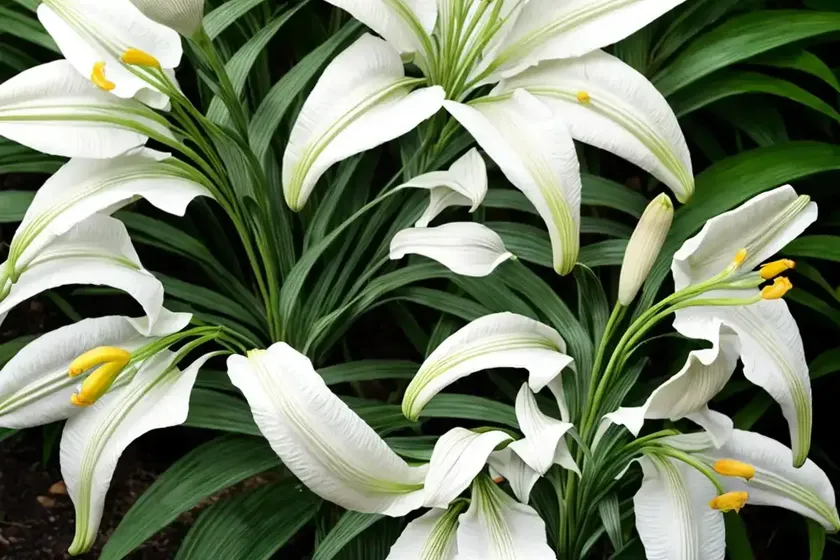
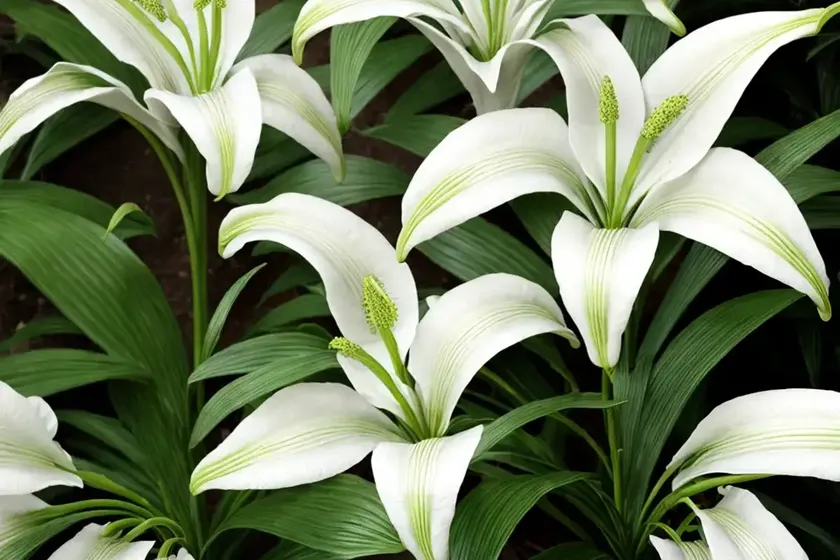
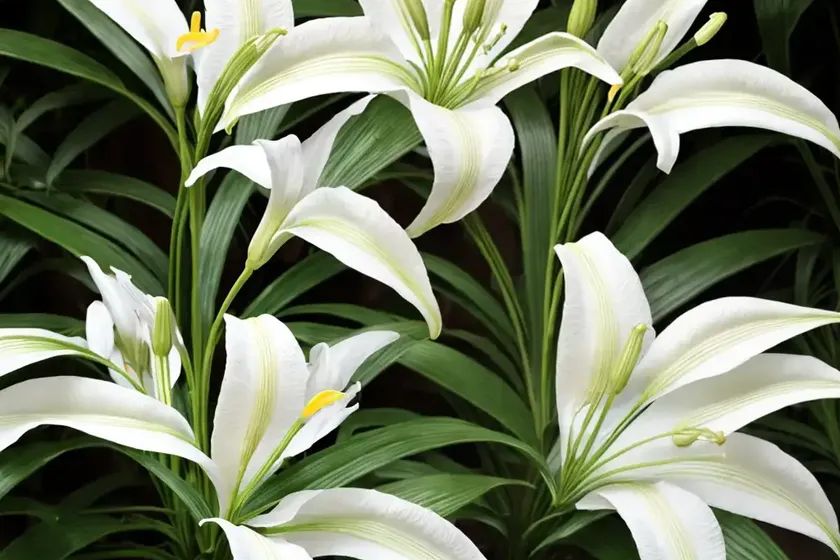
Lilium Candidum is a herbaceous perennial that emerges from a bulb and produces erect stems with lanceolate leaves arranged in whorls. Its fragrant, trumpet-shaped flowers are pure white in color, featuring graceful, recurved petals and prominent yellow stamens. The plant typically reaches a height of 2 to 3 feet and blooms in late spring to early summer, creating a stunning display of ethereal beauty.
Native Habitat
The native habitat of Lilium Candidum includes regions in the Balkans, the Aegean islands, and parts of the Middle East. It thrives in well-drained, fertile soils and benefits from the warmth of the Mediterranean climate. The plant’s natural habitat has influenced its cultural and historical associations, shaping its significance in various traditions and customs.
Cultivation and Care of Madonna Lily
Cultivating Madonna Lily requires attention to its specific growing requirements, encompassing aspects such as sunlight, water, soil, and fertilization. By understanding and addressing these needs, enthusiasts can enjoy the splendid blooms and graceful presence of this iconic plant. Let’s explore the essential care guidelines for cultivating Madonna Lily.
Sunlight Requirements
Madonna Lily thrives in full sun to partial shade, necessitating at least 6-8 hours of direct sunlight for optimal growth and flowering. In regions with intense heat, providing partial shade during the hottest part of the day can protect the plant from excessive heat stress.
Watering Needs
Proper watering is critical for Madonna Lily, especially during the active growing season. The soil should be kept evenly moist, ensuring that it does not become waterlogged or excessively dry. Regular watering, particularly during periods of low rainfall, supports the development of healthy foliage and robust blooms.
Soil Considerations
The ideal soil for Madonna Lily is well-draining and fertile, with a slightly acidic to neutral pH. It is beneficial to incorporate organic matter such as compost into the soil, enhancing its structure and nutrient content. Good soil quality is instrumental in providing a conducive environment for the plant’s growth and development.
Fertilization Tips
Fertilizing Madonna Lily with a balanced, slow-release fertilizer is instrumental in supporting its growth and flowering. A high-potassium fertilizer is particularly beneficial for promoting the development of sturdy stems and vibrant blooms. Fertilization should be carried out in accordance with the recommended dosage for bulbous plants during the growing season.
Pruning Techniques
Pruning plays a key role in maintaining the vigor and aesthetic appeal of Madonna Lily. Deadheading spent flowers and removing yellowing or damaged foliage contribute to the plant’s overall health. Pruning should be performed after the blooming period, allowing the plant to conserve energy and resources for the next growing season.
Propagation Methods
Madonna Lily can be propagated through bulb division, which involves carefully separating new bulbs from the parent plant and replanting them in suitable locations. This method facilitates the expansion of the plant’s population and the creation of additional clusters of graceful blooms.
Container Gardening
Madonna Lily is well-suited for cultivation in containers, offering versatility and convenience for gardening enthusiasts with limited outdoor space. Containers should provide adequate drainage and sufficient space for the plant’s root system, allowing for optimal growth and development.
By adhering to these care guidelines, gardening enthusiasts can nurture healthy and vibrant Madonna Lily plants, enjoying the timeless elegance and delicate beauty they offer.
Madonna Lily in Cultural and Historical Context
Beyond its botanical allure, Madonna Lily holds profound cultural and historical significance, resonating with various traditions, ceremonies, and artistic expressions. Let’s delve into the multifaceted roles played by Madonna Lily in human culture and history, exploring its symbolism, uses, and impact on artistic and spiritual practices.
Symbolism and Cultural Significance
Madonna Lily has captivated the human imagination for centuries, evolving as a symbol of purity, virtue, and grace in diverse cultural contexts. It is commonly associated with notions of purity and beauty, featuring prominently in religious ceremonies, art, and literature. The plant’s symbolism has endured across cultures, embodying values that transcend geographical and temporal boundaries.
Historical Significance
The historical significance of Madonna Lily is intertwined with its portrayal in paintings, literature, and historical records. It has been revered as a symbol of purity and motherhood, finding its place in depictions of the Virgin Mary and other revered figures. The rich heritage of Madonna Lily is intertwined with countless narratives and artistic representations, reflecting its enduring appeal and cultural resonance.
Cultural Practices and Traditions
Madonna Lily has been an integral part of various cultural practices, including weddings, religious ceremonies, and festivals. It is often used in floral arrangements, particularly in wedding bouquets and as a representation of elegance and purity. The plant’s enchanting blooms have graced countless occasions, contributing to the timeless traditions and customs that continue to honor its significance.
Artistic Expression
Madonna Lily has served as a muse for artists, poets, and writers, inspiring creative expressions that celebrate its ethereal beauty and symbolic meaning. Its graceful form and fragrant blossoms have found their way into various art forms, including paintings, poetry, and literature, enriching the cultural legacy associated with the plant.
Spiritual and Medicinal Uses
Apart from its ornamental value, Madonna Lily has been attributed with spiritual and medicinal properties in certain traditions. It has been associated with healing and wellness, featuring in herbal remedies, folklore, and spiritual practices that acknowledge its therapeutic and aromatic qualities.
Cultural Preservation and Conservation Efforts
Efforts to preserve and conserve Madonna Lily in its natural habitat are instrumental in safeguarding its cultural and historical significance. Conservation initiatives and cultural documentation play an essential role in sustaining the legacy of the plant and its enduring relevance in contemporary society.
By acknowledging and honoring the cultural and historical resonance of Madonna Lily, we recognize the plant’s enduring influence on human traditions, aesthetics, and spiritual expressions.
Common Diseases and Pest Control for Madonna Lily
Encountering diseases and pests can pose challenges for Madonna Lily enthusiasts, necessitating proactive measures to prevent and manage these issues. By understanding the common diseases and pests that affect the plant, enthusiasts can implement effective control strategies, preserving the health and vitality of their Madonna Lily specimens.
Common Diseases
Madonna Lily may be susceptible to certain diseases, including fungal infections that can affect its foliage, stems, and bulbs. Two prevalent diseases that may impact Madonna Lily are Botrytis blight and basal rot.
- Botrytis Blight (Gray Mold): This fungal disease can manifest as greyish-brown spots on the plant’s foliage, accompanied by wilting and decay. It thrives in humid conditions and can spread rapidly, necessitating prompt intervention to prevent its escalation.
- Basal Rot: Basal rot, caused by soil-borne pathogens, can lead to the deterioration of the plant’s bulbs, resulting in rotting and discoloration. It poses a significant threat to the plant’s vitality and requires timely identification and treatment.
Disease Diagnosis
Monitoring Madonna Lily for signs of diseases, such as discoloration, wilting, or abnormal growth, enables early diagnosis and intervention. Close observation of the plant’s overall condition and prompt action upon detecting symptoms of diseases are instrumental in mitigating their impact and preventing further spread.
Common Pests
Several pests can pose a threat to Madonna Lily, affecting its foliage and overall health. Common pests that may target the plant include aphids, lily leaf beetles, and mites.
- Aphids: These small, sap-sucking insects can distort the plant’s new growth and cause leaves to become yellow or wilted. Aphids can multiply rapidly, necessitating appropriate pest control measures to limit their impact.
- Lily Leaf Beetles: Lily leaf beetles target Madonna Lily’s foliage, feeding on its leaves and causing significant damage. Their bright red color makes them easily identifiable, and proactive pest control measures are essential to safeguard the plant.
- Mites: Spider mites can infest Madonna Lily, leading to stippling and discoloration of the leaves. Their presence may also result in webbing on the plant, signaling the need for targeted pest management strategies.
Pest Control Measures
Integrated pest management practices, including cultural, mechanical, and biological control methods, are beneficial for addressing pest infestations while minimizing the use of chemical interventions. Techniques such as hand-picking pests, applying insecticidal soaps, and promoting beneficial predator populations can contribute to effective pest control.
Disease Prevention
Preventive measures, such as promoting good air circulation, maintaining proper watering practices, and removing affected plant debris, can help prevent the onset and spread of diseases in Madonna Lily. Additionally, selecting disease-resistant varieties and practicing vigilant garden hygiene further supports disease prevention efforts.
By recognizing the signs of diseases and pests that may impact Madonna Lily, enthusiasts and gardeners can implement strategic approaches to safeguard the plant’s well-being, ensuring its continued vibrancy and allure.
Beyond the Garden: Madonna Lily’s Artistic and Cultural Appeal
Madonna Lily transcends the boundaries of horticulture, exerting an enduring influence on artistic, spiritual, and cultural realms. Its delicate blossoms and symbolic resonance have inspired myriad expressions, enriching human experiences and traditions. Let’s explore the multifaceted appeal of Madonna Lily, from its artistic interpretations to its cultural significance and diverse applications.
Floral Symbolism and Artistry
Madonna Lily’s timeless elegance and evocative symbolism have made it a recurring motif in art, featuring prominently in paintings, literature, and ceremonial settings. Its delicate, trumpet-shaped blooms continue to captivate artists and artisans, inspiring the creation of ornate floral arrangements, exquisite bouquets, and evocative floral art.
Spiritual Significance and Traditional Uses
In various traditions and belief systems, Madonna Lily holds spiritual significance, embodying purity, grace, and spiritual enlightenment. It has been associated with healing, ritual practices, and customs emblematic of its enduring impact on human spirituality and wellness.
Aromatic and Medicinal Properties
The fragrant blooms of Madonna Lily have been esteemed for their aromatic allure and therapeutic potential, finding applications in perfumery, herbal remedies, and wellness practices. The plant’s ethereal fragrance has been harnessed to create alluring perfumes, soothing essential oils, and traditional remedies that celebrate its natural bounty.
Cultural Heritage and Folklore
Madonna Lily’s presence in folklore, mythology, and historic narratives has contributed to its enduring legacy, shaping cultural significance and regional traditions. It has been revered as a botanical symbol with deep-rooted folklore, folkloric and historical significance, infusing human narratives with its timeless allure and enchanting presence.
Artistic Inspiration and Creative Expressions
Artists, writers, and creators have drawn inspiration from Madonna Lily, infusing their works with its ethereal beauty and symbolic resonance. Its graceful form, alongside its cultural and historical associations, has sparked imaginative expressions, enriching artistic and literary realms with its timeless essence.
Cultural Heritage Conservation
Efforts to preserve Madonna Lily’s cultural and historical significance contribute to safeguarding its enduring appeal and significance in various cultural traditions. Conservation initiatives, botanical collections, and context-specific documentation play a vital role in protecting the plant’s intangible cultural heritage and ensuring its continued resonance.
By acknowledging Madonna Lily’s artistic and cultural appeal, we honor its role as a source of inspiration, beauty, and symbolism that transcends horticulture, enriching human experiences and creative expressions.
Conclusion
Madonna Lily (Lilium Candidum) stands as a timeless emblem of purity, grace, and enduring beauty, captivating countless enthusiasts, artists, and cultural devotees across the ages. Its influence extends beyond its botanical allure, permeating artistic, spiritual, and historical landscapes, weaving a narrative that resonates with the human imagination.
By embracing Madonna Lily’s multifaceted appeal and adhering to its care requirements, enthusiasts and gardeners can cultivate a deeper appreciation for this iconic ornamental plant, celebrating its rich heritage and its enduring presence in gardens, art, and traditions.
Through the lens of a plant scientist, we have explored the remarkable botanical features, cultural significance, and care guidelines for Madonna Lily, shedding light on its timeless and endearing allure. As we continue to cherish and preserve the legacy of Madonna Lily, we honor its status as a botanical gem that enriches our lives in profound and enchanting ways.


