Lysimachia Punctata (Yellow Loosestrife)
Lysimachia punctata, commonly known as Yellow Loosestrife, is a species of herbaceous flowering plant belonging to the Primrose family. This vibrant and.
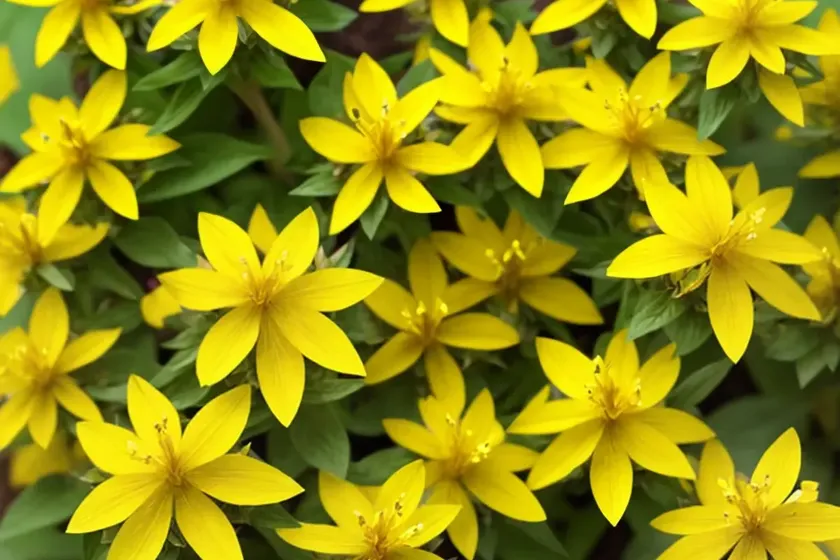
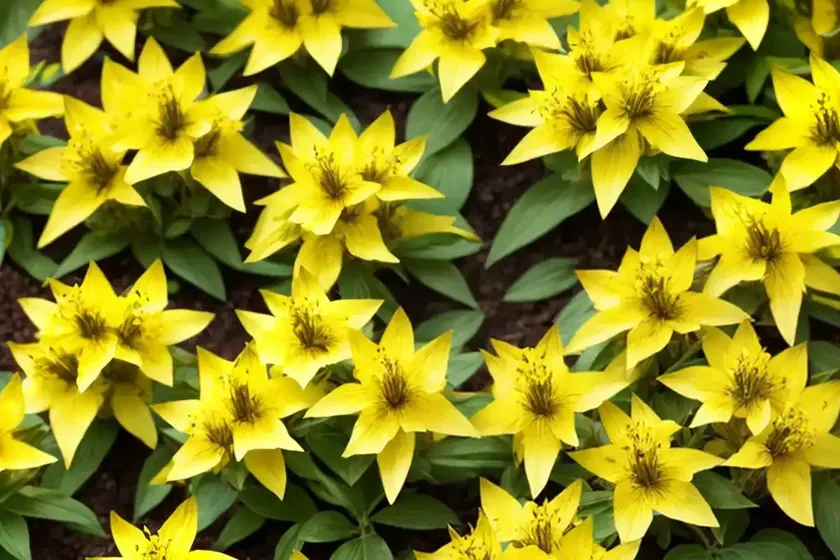
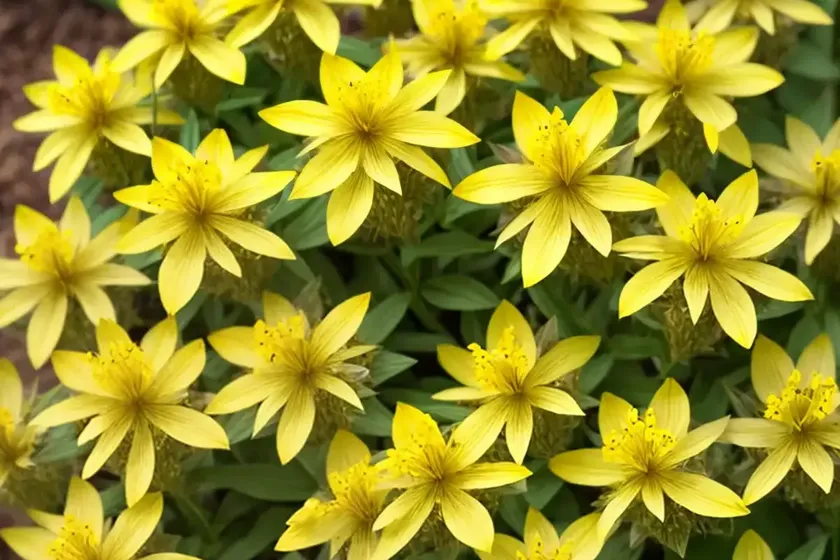
Lysimachia punctata, commonly known as Yellow Loosestrife, is a species of herbaceous flowering plant belonging to the Primrose family. This vibrant and versatile plant has captured the interest of many gardeners and landscape enthusiasts due to its striking yellow flowers and ability to thrive in various environmental conditions. In this comprehensive guide, we will delve into the characteristics, cultivation, uses, and ecological significance of Lysimachia punctata. Whether you are a seasoned horticulturist or a gardening enthusiast, this guide will provide you with valuable insights into the world of Yellow Loosestrife.
What is Lysimachia punctata?
Lysimachia punctata is a herbaceous perennial plant that is native to Europe and Asia. It is characterized by its lance-shaped leaves and clusters of bright yellow, star-shaped flowers that bloom throughout the summer. This plant typically reaches a height of 2 to 3 feet and produces a clump-forming habit, making it an ideal choice for borders, woodland gardens, or naturalistic plantings.
Lysimachia punctata Characteristics
- Family: Primulaceae
- Common Name: Yellow Loosestrife
- Plant Type: Herbaceous perennial
- Height: 2 to 3 feet
- Flowering Period: Summer
- Flower Color: Yellow
- Native Range: Europe and Asia
- Growth Habit: Clump-forming
- Foliage: Lance-shaped leaves
- Sunlight: Full sun to partial shade
- Soil: Moist, well-draining
Key Takeaways – Lysimachia punctata (Yellow Loosestrife)
Before delving into the specific aspects of cultivating and caring for Yellow Loosestrife, let’s outline some essential key takeaways that encapsulate the essence of this plant.
Lysimachia punctata (Yellow Loosestrife) Key Takeaways
- Yellow Loosestrife is a clump-forming herbaceous perennial with lance-shaped leaves and clusters of vibrant yellow flowers.
- It thrives in full sun to partial shade and requires moist, well-draining soil.
- This plant is valued for its ornamental appeal and is commonly used in borders, woodland gardens, and naturalistic plantings.
- Yellow Loosestrife has a long flowering period, extending throughout the summer, and is known for its resilience and adaptability to various environmental conditions.
- It serves as an essential source of nectar for pollinators and contributes to the ecological balance of diverse habitats.
Now that we have established a foundational understanding of Lysimachia punctata, let’s explore the various facets of cultivating and caring for this captivating plant.
Culture
The successful cultivation of Lysimachia punctata relies on a comprehensive understanding of its cultural requirements. From choosing the right location to providing optimal care, incorporating Yellow Loosestrife into your garden or landscape necessitates attention to key cultural factors.
Uses
Lysimachia punctata holds significant value for both ornamental and ecological purposes. Its vibrant yellow flowers and clump-forming growth habit make it a desirable addition to gardens and naturalistic landscapes. The plant’s ornamental appeal is enhanced when used in borders, woodlands, or cottage garden settings. Moreover, its ecological significance lies in its ability to attract pollinators, such as bees and butterflies, thus contributing to the overall biodiversity of the surrounding area.
Water
Yellow Loosestrife flourishes in moist soil conditions, making it essential to provide consistent watering, especially during dry periods. While the plant tolerates occasional wetness, it is crucial to ensure that the soil is well-draining to prevent waterlogging, which can lead to root rot. Regular monitoring of soil moisture and adjusting watering frequency based on environmental conditions is key to promoting the health and vigor of Lysimachia punctata.
Sunlight
When it comes to sunlight requirements, Yellow Loosestrife demonstrates a preference for full sun to partial shade. A location that receives ample sunlight during the morning and partial shade in the afternoon is ideal for promoting robust growth and prolific flowering. However, it is important to note that the plant can tolerate varying light conditions, thereby offering flexibility in its placement within different garden settings.
Fertilizer
Lysimachia punctata generally does not have high fertilizer requirements, as it is capable of thriving in nutrient-rich soils. However, incorporating organic matter, such as compost or well-rotted manure, into the soil prior to planting can provide the plant with essential nutrients and improve soil structure. In established plantings, a balanced, slow-release fertilizer applied in early spring can support healthy growth and abundant flowering throughout the season.
Soil
The selection of an appropriate soil type is fundamental in ensuring the vitality of Yellow Loosestrife. The plant prefers moist, well-draining soil with a slightly acidic to neutral pH. Loamy or sandy loam soils are well-suited for Lysimachia punctata, as they promote optimal root development and prevent water stagnation. Conducting a soil test to determine the pH and nutrient levels can guide soil amendment strategies and contribute to the long-term success of the plant within its growing environment.
Pruning
Pruning plays a vital role in maintaining the form and vigor of Yellow Loosestrife. Regular deadheading of spent flowers not only encourages continued blooming but also prevents self-seeding, which can lead to the plant becoming invasive in certain regions. In late fall or early spring, the removal of any damaged or overcrowded stems can rejuvenate the plant and promote a tidy appearance. Additionally, division of overcrowded clumps every 2 to 3 years can help manage the plant’s growth and ensure its continued health and vitality.
Propagation
The propagation of Lysimachia punctata can be achieved through several methods, including division, seeds, and stem cuttings. Division is the most common and effective means of propagation, typically carried out in early spring or fall. By carefully dividing the root ball and replanting the sections in suitable locations, gardeners can successfully propagate Yellow Loosestrife and expand its presence within the garden. Seed propagation, while possible, may result in variations in flower color and other traits, making it a less preferred method for maintaining the plant’s true characteristics. Stem cuttings can also be utilized for propagation, with the best results achieved when taken from healthy, actively growing stems during the growing season.
Container Popularity
While Lysimachia punctata is commonly grown in garden and landscape settings, it also exhibits potential for cultivation in containers. Its clump-forming habit and vibrant flowers lend themselves well to container plantings, offering versatility in design and placement options. When considering container cultivation, it is crucial to select a container with adequate drainage holes and utilize a high-quality, well-draining potting mix. Regular watering and fertilization, along with appropriate sunlight exposure, are essential factors in ensuring the plant’s success and longevity in a container environment.
Common Diseases
Like many plants, Lysimachia punctata is susceptible to certain diseases that can potentially impact its overall health and appearance. Understanding these common diseases and implementing preventive measures is crucial in safeguarding the well-being of Yellow Loosestrife within garden and landscape settings.
Disease Diagnosis
-
Root Rot: Excessive moisture and poor soil drainage can lead to the development of root rot in Lysimachia punctata. Symptoms include wilting, yellowing of foliage, and eventual plant decline. To diagnose root rot, carefully inspect the roots for signs of decay and discoloration. Implementing appropriate soil amendments and adjusting watering practices can aid in preventing and addressing root rot in Yellow Loosestrife.
-
Powdery Mildew: This fungal disease presents as a powdery, white coating on the leaves and stems of the plant. It can weaken the plant and diminish its ornamental appeal. Adequate air circulation and the removal of affected plant material can help mitigate the incidence of powdery mildew. Additionally, the application of fungicidal treatments, as recommended by local extension services, can aid in managing and preventing this disease.
-
Leaf Spot Diseases: Various fungal and bacterial pathogens can cause leaf spot diseases in Yellow Loosestrife, resulting in the formation of dark, necrotic lesions on the foliage. Proper sanitation, including the prompt removal and disposal of affected leaves, is essential in preventing the spread of leaf spot diseases. Implementing preventive fungicidal treatments and maintaining optimal growing conditions can contribute to the overall health and disease resistance of the plant.
Common Pests
While Yellow Loosestrife is generally resilient and resistant to many pests, it can still be affected by certain insect nuisances that require vigilance and management to prevent infestations and minimize damage to the plant.
Some common pests that may affect Lysimachia punctata include:
-
Aphids: These small, sap-sucking insects can distort new growth and cause the formation of sticky honeydew on the plant. Regular monitoring and the use of physical or organic control methods, such as spraying with a strong stream of water or applying insecticidal soaps, can help manage aphid populations effectively.
-
Slugs and Snails: These mollusks are known to feed on the foliage of Yellow Loosestrife, leaving behind ragged, chewed leaves. Applying physical barriers, such as copper tape or diatomaceous earth, and handpicking these pests during the evening hours can aid in reducing their presence and protecting the plant from damage.
-
Japanese Beetles: The feeding activity of Japanese beetles can lead to significant defoliation of the plant, compromising its overall vigor. Implementing deterrents, such as beetle traps positioned away from the plant, and applying targeted insecticidal treatments based on the pest’s life cycle can help manage Japanese beetle infestations effectively.
By remaining attentive to the presence of these pests and implementing appropriate control measures, gardeners can safeguard the health and aesthetic appeal of Lysimachia punctata within their gardens.
As we continue to explore the world of Yellow Loosestrife and its versatile attributes, several additional aspects merit attention. From fascinating botanist’s tips to intriguing fun facts and valuable external resources, the journey of discovery continues with Lysimachia punctata.
Botanist’s Tips
Embark on an enriching exploration of Yellow Loosestrife with these insightful botanist’s tips, designed to enhance your understanding and appreciation of Lysimachia punctata.
-
Companion Planting: When incorporating Lysimachia punctata into garden designs, consider its compatibility with other moisture-loving plants, such as Ligularia spp., Astilbe spp., and Lobelia cardinalis. The complementary growth habits and moisture requirements of these plants can create visually appealing and ecologically harmonious planting compositions.
-
Pollinator Support: Utilize the nectar-rich flowers of Yellow Loosestrife to attract and support pollinators in the garden. By integrating this plant into pollinator-friendly garden designs, you can contribute to the conservation of native pollinators and promote the ecological balance of the surrounding landscape.
-
Naturalistic Settings: Embrace the clump-forming growth habit and vibrant blooms of Lysimachia punctata in naturalistic garden settings. Its adaptability to moist soils and partial shade makes it an excellent choice for woodland gardens, rain gardens, and other naturalistic plantings, where it can thrive and contribute to the overall biodiversity of the landscape.
Fun Facts
Explore the captivating world of Yellow Loosestrife with these intriguing fun facts, offering delightful insights into the remarkable characteristics and historical significance of Lysimachia punctata.
- The genus name “Lysimachia” is derived from the ancient Greek word “Lysimacheia,” attributed to a mythological figure, Lysimache, who was known as a beneficent herb-gatherer.
- Yellow Loosestrife has been historically associated with various medicinal uses, including the treatment of wounds and inflammation, showcasing its historical significance in herbal medicine practices.
Links to External Resources
Continue your journey of discovery and knowledge acquisition by exploring the following links to valuable external resources related to Lysimachia punctata (Yellow Loosestrife):
- The Royal Horticultural Society (RHS) – RHS Plant Finder: Lysimachia punctata
- University of Wisconsin-Madison Department of Botany – Flora of Wisconsin: Lysimachia punctata
With its vibrant yellow blooms, adaptability to various growing conditions, and ecological significance, Lysimachia punctata (Yellow Loosestrife) stands as a compelling addition to gardens and landscapes. In this comprehensive guide, we have delved into the plant’s cultural requirements, uses, propagation methods, and significance within the natural world. Whether you are considering incorporating Yellow Loosestrife into your garden or seeking to expand your knowledge, this guide offers a wealth of information to enrich your understanding and appreciation of this remarkable plant.


