Lysimachia Clethroides (Gooseneck Loosestrife)
Lysimachia clethroides, commonly known as Gooseneck Loosestrife, is a beautiful and versatile perennial plant that belongs to the primrose family.
Lysimachia clethroides, commonly known as Gooseneck Loosestrife, is a beautiful and versatile perennial plant that belongs to the primrose family (Primulaceae). This plant is renowned for its gracefully arching flower spikes and its ability to thrive in various growing conditions. In this comprehensive guide, we will explore the characteristics of Lysimachia clethroides, delve into its cultivation, maintenance, and landscape uses, and provide valuable insights into its propagation, pests, and diseases. Whether you are an avid gardener, a landscape designer, or a plant enthusiast, this guide will equip you with the knowledge and expertise to cultivate and care for this stunning ornamental plant successfully.
What is Lysimachia clethroides (Gooseneck Loosestrife)?
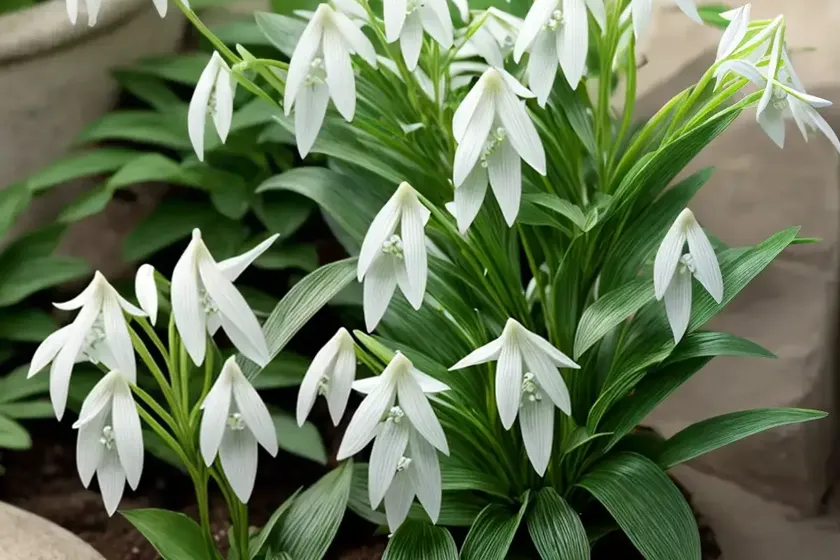
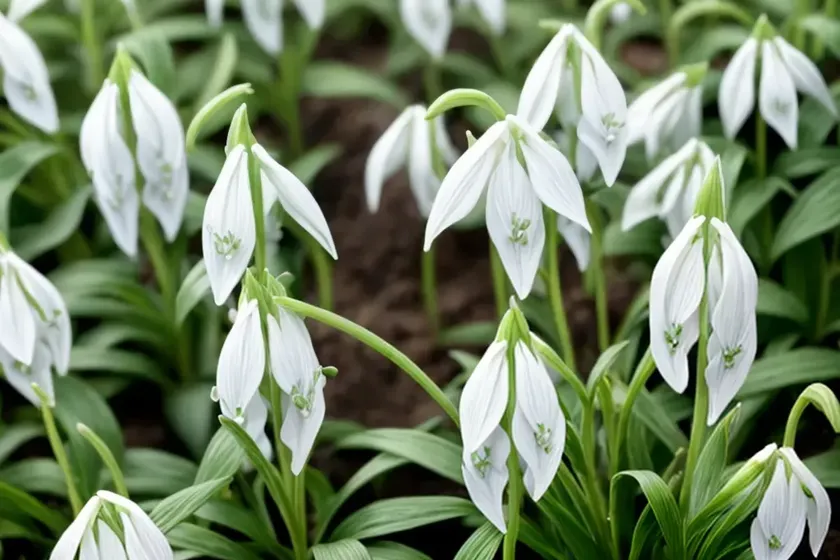
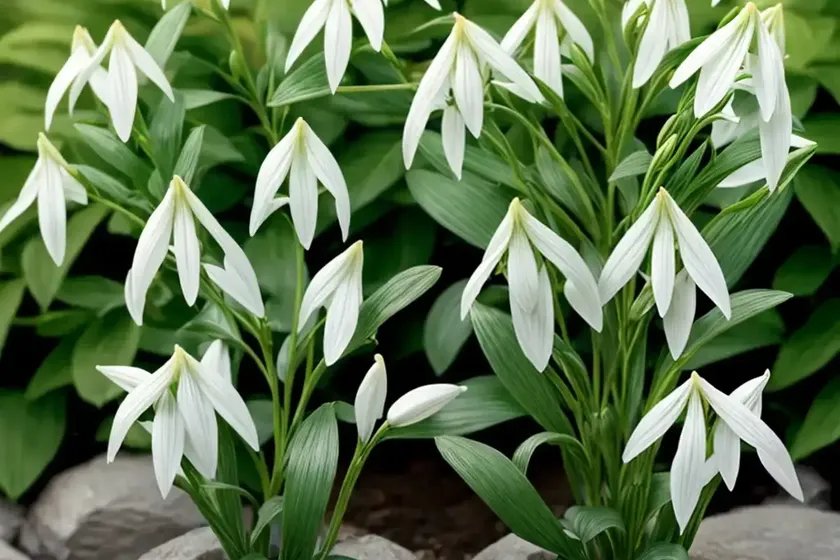
Lysimachia clethroides is native to East Asia, including China, Japan, Korea, and Russia. It is a herbaceous perennial that typically reaches a height of 2 to 3 feet and spreads vigorously through rhizomes. The plant features lance-shaped dark green leaves arranged in whorls along the stems, setting the stage for its most distinguishing feature – the long, elegant, and cascading racemes of white, star-shaped flowers. These unique flower spikes resemble the graceful curve of a gooseneck, hence the common name “Gooseneck Loosestrife”.
This species is a robust grower and can thrive in various conditions, making it a popular choice for gardens, borders, and naturalistic plantings. Its architectural form and striking blooms add an element of elegance and grace to any landscape.
Key Takeaways – Lysimachia clethroides (Gooseneck Loosestrife)
Before we delve deeper into the specifics of caring for Lysimachia clethroides, let’s summarize the key takeaways about this captivating plant:
- Scientific Name: Lysimachia clethroides
- Common Name: Gooseneck Loosestrife
- Plant Type: Herbaceous perennial
- Native Range: East Asia (China, Japan, Korea, and Russia)
- Height: 2 to 3 feet
- Flower Color: White
- Sun Exposure: Full sun to partial shade
- Soil Preference: Moist, well-draining soil
- Uses: Borders, naturalistic plantings, and cut flower arrangements
- Special Feature: Graceful, arching racemes of flowers resembling a gooseneck curve
Now that we have an overview of Lysimachia clethroides, let’s explore the specific aspects of its cultivation and care.
Culture
Cultivating Lysimachia clethroides successfully involves understanding its cultural requirements, including its preference for water, sunlight, soil, and fertilizer.
Uses
Lysimachia clethroides is a versatile plant that can serve various purposes in landscape design and gardening. Its uses include:
- Borders: The plant’s erect growth habit and elegant floral display make it a fantastic choice for border plantings. It adds a vertical element to the garden while providing an extended bloom time with its stunning white flowers.
- Naturalistic Plantings: In naturalistic or informal plantings, Gooseneck Loosestrife can lend a sense of wild beauty. Its arching form and abundant blossoms create a relaxed and unstructured appeal in naturalistic settings.
- Cut Flower Arrangements: The long-lasting flower spikes are prized for floral arrangements, adding a touch of grace and sophistication to bouquets and indoor displays.
Water
Lysimachia clethroides thrives in consistently moist soil, making it an excellent candidate for gardens with poorly drained areas. However, it is essential to avoid waterlogged conditions, which can lead to root rot. Adequate moisture levels are crucial for the health and vigor of this plant, particularly during the growing season and dry spells.
Sunlight
In terms of sunlight requirements, Lysimachia clethroides prefers partial shade to full sun. While it can tolerate some shade, providing ample sunlight encourages robust growth and profuse flowering. In hotter regions, providing some afternoon shade can help prevent stress and leaf scorch.
Fertilizer
When it comes to fertilization, Lysimachia clethroides does not have excessive nutrient demands. A balanced, slow-release fertilizer applied in spring can support healthy growth and flowering. It’s important to follow the manufacturer’s recommendations for application rates to avoid over-fertilization, which can lead to excessive foliage at the expense of flowers.
Soil
Lysimachia clethroides thrives in moist, well-draining soil with a slightly acidic to neutral pH. It performs best in rich, organic soils that retain moisture without becoming waterlogged. Amending the planting site with organic matter such as compost or well-rotted manure can improve soil structure and fertility, creating an ideal growing environment for this species.
Pruning
Pruning plays a vital role in maintaining the health, shape, and vigor of Lysimachia clethroides. Proper pruning techniques can promote abundant flowering, reduce overcrowding, and prevent the plant from becoming invasive.
Maintenance
Routine maintenance tasks for Lysimachia clethroides include:
- Deadheading: Removing spent flowers encourages the plant to produce new blooms and prevents the formation of seeds, which can lead to prolific self-seeding and unwanted spread.
- Dividing: Periodically dividing established clumps can rejuvenate the plant, promote better airflow, and prevent the center from becoming woody and unproductive.
- Stem Removal: Trimming back overly vigorous stems can help maintain a tidy appearance and prevent the plant from encroaching on neighboring specimens.
Proper maintenance practices not only contribute to the plant’s aesthetic appeal but also contribute to its overall health and longevity.
Propagation
Propagating Lysimachia clethroides can be achieved through various methods, including division, seeds, and stem cuttings.
Division
Dividing mature clumps in early spring or early fall is an effective way to propagate Lysimachia clethroides. This method allows the gardener to create new plantings from existing specimens while rejuvenating the parent plant. When dividing, it is important to ensure that each divided section has both roots and shoots to support successful establishment.
Seeds
While Lysimachia clethroides can produce seeds, propagation from seed is generally less common due to variability in seed viability and the time it takes for seed-grown specimens to reach maturity and flowering age. This method may be suitable for experienced growers or for those seeking to explore the genetic diversity of this plant.
Stem Cuttings
Using stem cuttings to propagate Lysimachia clethroides offers a reliable method of creating genetically identical offspring. Softwood cuttings taken in late spring or early summer have the best chance of rooting and establishing successfully. Hormone rooting powder can enhance the success rate of the cuttings.
Container Popularity
While Lysimachia clethroides is often grown in garden borders and naturalistic plantings, it is also well-suited to container cultivation. The plant’s compact growth habit and attractive foliage and flowers make it an excellent choice for containers on patios, decks, or outdoor seating areas.
Container
When growing Lysimachia clethroides in containers, it is important to choose a container with adequate drainage holes to prevent waterlogging. Using a well-draining potting mix with a good balance of organic matter and perlite or vermiculite can support healthy growth and moisture retention without suffocating the roots.
Regular watering and attention to humidity levels are essential when growing Lysimachia clethroides in containers, as they can dry out more quickly than plants in the ground. Additionally, providing a balanced, water-soluble fertilizer at a diluted concentration can support the plant’s nutrient needs as it grows in a contained environment.
Common Diseases
While Lysimachia clethroides is generally resilient, it can be susceptible to certain diseases under unfavorable growing conditions. Understanding these potential issues and implementing preventive measures can help maintain the plant’s health and vitality.
Disease Diagnosis
Some common diseases that can affect Lysimachia clethroides include:
- Powdery Mildew: This fungal disease presents as a powdery white coating on the leaves and stems. It thrives in humid conditions and can weaken the plant over time. Adequate spacing, good air circulation, and fungicidal treatments can help prevent and manage powdery mildew.
- Leaf Spot: Leaf spot diseases manifest as dark or discolored spots on the leaves, often leading to leaf yellowing and premature defoliation. Ensuring proper soil drainage, avoiding overhead watering, and promptly removing and disposing of infected foliage can mitigate the spread of leaf spot diseases.
- Root Rot: Excessive soil moisture and poor drainage can predispose Lysimachia clethroides to root rot. Symptoms include wilting, yellowing leaves, and stunted growth. Preventing overwatering, enhancing soil drainage, and applying fungicidal drenches can help combat root rot.
Vigilance, good cultural practices, and prompt intervention can minimize the impact of diseases on Lysimachia clethroides.
Common Pests
In addition to diseases, Lysimachia clethroides may face challenges from certain pests. Monitoring the plant for signs of pest infestation and taking preventive measures can safeguard its health and appearance.
Botanist’s Tips
As a botanist specializing in ornamental plants, I offer the following tips for successfully cultivating and caring for Lysimachia clethroides:
- Maintain Adequate Moisture: Ensure a consistent level of moisture in the soil, particularly during the active growing season, to support the plant’s vitality and flowering.
- Provide Partial Shade: While Lysimachia clethroides can tolerate full sun, providing some afternoon shade can prevent stress and sun damage, especially in regions with intense heat.
- Practice Good Air Circulation: Avoid overcrowding and promote good air circulation around the plant to minimize the risk of foliar diseases such as powdery mildew and leaf spot.
- Watch for Root Rot: Monitor soil moisture and drainage to prevent the onset of root rot, which can compromise the plant’s health and vigor.
- Deadhead Spent Flowers: Regularly deadheading spent flowers can encourage continuous blooming and prevent the plant from diverting energy into seed production.
Fun Facts
Before we explore further aspects of Lysimachia clethroides, consider these fun and intriguing facts about the plant:
- In traditional Chinese medicine, Lysimachia clethroides has been used for its purported medicinal properties, including as an herbal remedy for various ailments.
- The specific epithet “clethroides” refers to the resemblance of the plant’s flower spikes to the form of Cleyera japonica, a species in the tea family (Theaceae).
- Lysimachia clethroides has historical significance and has been associated with various folklore and cultural traditions in East Asia, where it is native.
Links to External Resources
For further information on Lysimachia clethroides, its cultivation, and landscape uses, explore the following external resources:
- Royal Horticultural Society (RHS) – Lysimachia clethroides
- Missouri Botanical Garden – Gooseneck Loosestrife
- Fine Gardening – Lysimachia clethroides
In conclusion, Lysimachia clethroides, or Gooseneck Loosestrife, is an enchanting and resilient perennial plant that offers a wealth of ornamental and landscape potential. By understanding its specific cultural requirements, propagation methods, disease and pest management, and its versatile uses, you can integrate this stunning species into your garden or landscape with confidence and creativity. Whether adorning borders, gracing containers, or enhancing naturalistic plantings, Lysimachia clethroides brings a touch of elegance and timeless beauty to any setting. With the insights provided in this comprehensive guide, you are now equipped to embark on a rewarding journey of cultivating and caring for Lysimachia clethroides with knowledge and skill.


