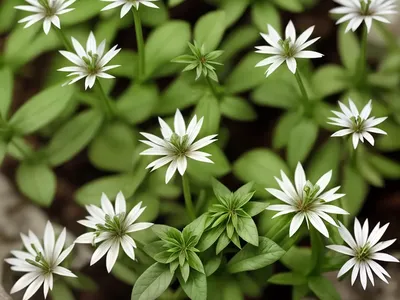
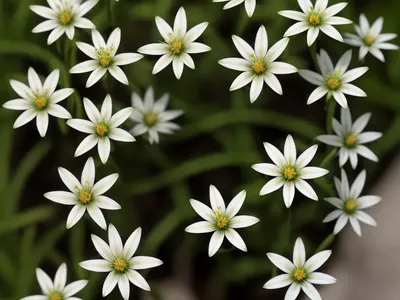
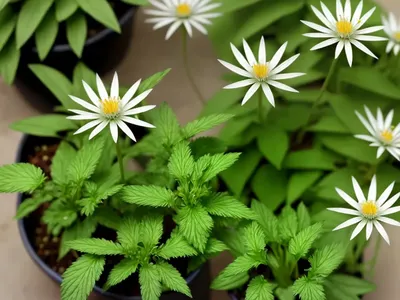
Lychnis Coronaria (Rose Campion)
Plants have always held a special place in human culture. They are not only essential for our survival but also add beauty and serenity to our.
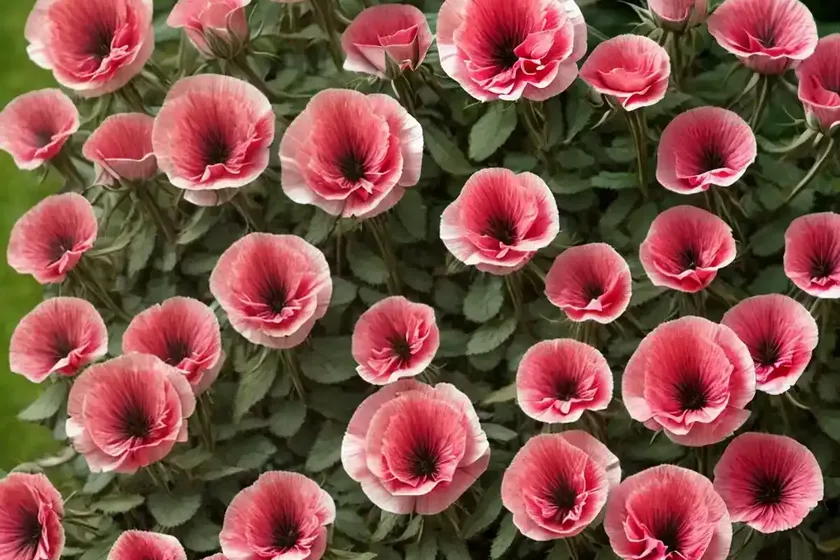
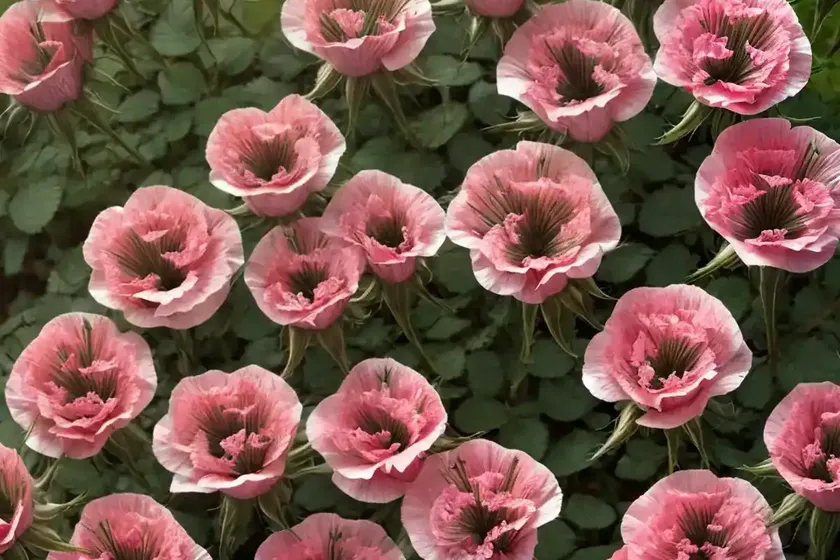
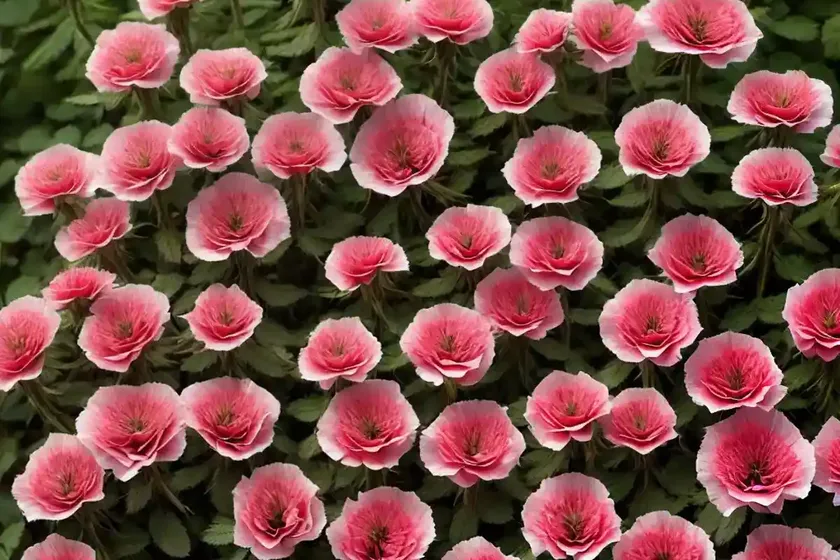
Plants have always held a special place in human culture. They are not only essential for our survival but also add beauty and serenity to our surroundings. Among the myriad options available, Lychnis coronaria, commonly known as Rose Campion, stands out as an enchanting and versatile plant that captivates the heart with its vibrant blooms and hardy nature.
Introduction to Lychnis coronaria
Lychnis coronaria is a flowering plant native to the Mediterranean region but has become popular in gardens around the world for its striking appearance and adaptability. It belongs to the family Caryophyllaceae and is known for its vivid magenta, rose, or white flowers, which bloom profusely during the summer months. This perennial plant is cherished for its ability to thrive in various conditions and its ornamental value.
Key Takeaways – Lychnis coronaria (Rose Campion)
Here are some key takeaways about Lychnis coronaria that will be discussed in detail in this comprehensive guide:
- Lychnis coronaria plant: Understanding the characteristics and growth habits of this captivating plant.
- Rose Campion flower: Exploring the beauty and significance of the flowers of Lychnis coronaria.
- Lychnis coronaria care: Guidelines for providing the optimum care and maintenance for this plant.
- Growing Rose Campion: Tips for successful cultivation of Lychnis coronaria.
- Lychnis coronaria cultivation: Understanding the best practices for cultivating this plant.
- Rose Campion plant: All about the unique features and attributes of this remarkable plant.
- Lychnis coronaria varieties: Exploring the different varieties of Lychnis coronaria available.
- Rose Campion gardening: Guidelines for integrating Lychnis coronaria into your garden.
- Lychnis coronaria perennial: Understanding the perennial nature of this plant.
- Rose Campion characteristics: Unique characteristics that set Lychnis coronaria apart from other plants.
- Lychnis coronaria landscape: Utilizing Lychnis coronaria for landscaping purposes.
- Rose Campion seeds: Everything you need to know about the seeds of Lychnis coronaria.
- Lychnis coronaria maintenance: Guidelines for the regular maintenance of Lychnis coronaria.
- Rose Campion blooms: Understanding the blooming patterns and habits of Lychnis coronaria.
- Lychnis coronaria propagation: Techniques for propagating Lychnis coronaria effectively.
- Rose Campion perennial plant: Exploring the perennial aspects of Lychnis coronaria.
- Lychnis coronaria flowers: Understanding the characteristics and significance of the flowers of Lychnis coronaria.
- Rose Campion planting tips: Tips for successfully planting Lychnis coronaria.
- Lychnis coronaria growing conditions: Understanding the specific growing conditions required by Lychnis coronaria.
- Rose Campion garden design: Creative ideas for incorporating Lychnis coronaria into your garden design.
- Lychnis coronaria medicinal uses: Exploring the medicinal uses and properties of Lychnis coronaria.
- Rose Campion companion plants: Suitable companion plants to be grown alongside Lychnis coronaria.
- Lychnis coronaria wildlife attraction: Understanding the ecological significance of Lychnis coronaria.
- Rose Campion drought-tolerant: Exploring the drought-tolerant nature of Lychnis coronaria.
- Lychnis coronaria pests and diseases: Identifying and managing pests and diseases affecting Lychnis coronaria.
- Rose Campion pollinator-friendly: Understanding the role of Lychnis coronaria in supporting pollinators.
- Lychnis coronaria landscape design: Using Lychnis coronaria for designing captivating landscapes.
- Rose Campion container gardening: Guidelines for growing Lychnis coronaria in containers.
- Lychnis coronaria for cut flowers: Utilizing Lychnis coronaria for cut flower arrangements.
- Rose Campion medicinal properties: Exploring the medicinal properties of Lychnis coronaria.
- Lychnis coronaria garden borders: Creative uses of Lychnis coronaria for garden borders.
- Rose Campion ground cover: Utilizing Lychnis coronaria as a ground cover plant.
- Lychnis coronaria herbal remedy: The traditional and herbal uses of Lychnis coronaria.
- Rose Campion color variations: Exploring the different color variations available in Lychnis coronaria.
- Lychnis coronaria rock gardens: Incorporating Lychnis coronaria into rock garden designs.
- Rose Campion rainbow of flowers: Appreciating the spectrum of colorful flowers produced by Lychnis coronaria.
- Lychnis coronaria garden ideas: Creative ideas for integrating Lychnis coronaria into your garden.
- Rose Campion drought-resistant: Understanding the resilience of Lychnis coronaria in dry conditions.
- Lychnis coronaria blooming period: Exploring the blooming periods and cycles of Lychnis coronaria.
- Rose Campion low-maintenance plant: Understanding the low-maintenance nature of Lychnis coronaria.
- Lychnis coronaria garden design ideas: Creative ideas for designing gardens with Lychnis coronaria.
- Rose Campion attracting butterflies: The role of Lychnis coronaria in attracting butterflies and other beneficial insects.
- Lychnis coronaria naturalizes well: Understanding the naturalizing tendencies of Lychnis coronaria.
- Rose Campion sunlight requirements: Understanding the specific sunlight requirements of Lychnis coronaria.
- Lychnis coronaria folklore beliefs: Exploring the cultural and folkloric significance of Lychnis coronaria.
- Rose Campion soil preferences: Understanding the ideal soil conditions for Lychnis coronaria.
- Lychnis coronaria ornamental plant: Appreciating the ornamental value and significance of Lychnis coronaria.
- Rose Campion seasonal interest: Understanding the seasonal changes and interests associated with Lychnis coronaria.
- Lychnis coronaria deer-resistant: The resistance of Lychnis coronaria to deer browsing.
- Rose Campion pest control: Strategies for managing pests affecting Lychnis coronaria.
Now, let’s delve into the various aspects of Lychnis coronaria and explore the enchanting world of this remarkable plant.
Culture
Uses
Lychnis coronaria holds a special place in horticulture and landscape design due to its versatility and ornamental value. Its uses include:
- Ornamental Plant: The most common use of Lychnis coronaria is as an ornamental plant valued for its vibrant flowers and silver-green foliage.
- Cut Flowers: The attractive blooms of Lychnis coronaria make it a popular choice for cut flower arrangements, adding a touch of elegance to floral displays.
- Landscaping: It is often used in landscaping to add color and texture to garden beds, borders, and rock gardens.
- Wildlife Attraction: Lychnis coronaria is known to attract pollinators such as butterflies, bees, and other beneficial insects, enhancing the ecological value of gardens.
- Medicinal Uses: In traditional herbal medicine, certain parts of Lychnis coronaria are believed to have medicinal properties, although it is not widely used for this purpose in modern times.
- Drought-Tolerant Plant: Due to its ability to thrive in dry and challenging conditions, Lychnis coronaria is used as a drought-tolerant plant in xeriscaping and water-wise gardens.
Care
Water
Proper watering is essential for the healthy growth and blooming of Lychnis coronaria. Understanding its water requirements is crucial for its overall well-being:
- Established Plants: Once established, Lychnis coronaria is relatively drought-tolerant and can withstand dry conditions. Watering during prolonged dry spells is beneficial, but it generally does not require frequent irrigation.
- Young Plants: Newly planted or young Lychnis coronaria plants may need more frequent watering to help them establish strong root systems. It is important to keep the soil consistently moist during the initial growth stages.
Sunlight
Lychnis coronaria thrives in sunny locations and benefits from ample sunlight. Understanding its sunlight requirements is crucial for its vigor and flowering:
- Full Sun: This plant performs best in full sunlight, receiving at least 6-8 hours of direct sunlight each day. Planting it in a sunny location ensures robust growth and prolific blooming.
- Partial Shade: While Lychnis coronaria prefers full sun, it can tolerate some light shade, especially in hotter climates. However, reduced sunlight may result in sparse flowering and less vigorous growth.
Fertilizer
Proper fertilization can enhance the growth and blooming of Lychnis coronaria, ensuring its vigor and ornamental appeal:
- Balanced Fertilizer: A balanced, all-purpose fertilizer can be applied in early spring when new growth begins. This provides the necessary nutrients for healthy development.
- Organic Amendments: Organic compost or well-rotted manure can be added to the soil around Lychnis coronaria plants to enrich the soil and promote long-term soil health.
Soil
Lychnis coronaria thrives in well-draining soil and can adapt to various soil types. Understanding its soil preferences is crucial for its overall health and growth:
- Well-draining Soil: This plant prefers well-draining soil to prevent waterlogged conditions, which can lead to root rot. Amending heavy clay soil with organic matter can improve drainage.
- pH Levels: Lychnis coronaria grows well in slightly acidic to neutral soil with a pH range of 6.0-7.0. Conducting a soil test can help determine the pH and make necessary adjustments.
Pruning
Pruning Lychnis coronaria is essential to maintain its shape, encourage blooming, and remove spent flowers:
- Deadheading: Regular deadheading of spent flowers promotes continuous blooming and prevents self-seeding. This involves removing faded blooms before they develop seeds.
- Cutting Back: In late summer or early fall, cutting back the flower stems to a few inches above the ground can encourage a fresh flush of growth and extend the blooming season.
Propagation
Lychnis coronaria can be propagated through several methods, allowing for the multiplication of plants and the creation of new specimens:
- Division: Established clumps of Lychnis coronaria can be divided in early spring, separating the root ball into sections and replanting them to create new plants.
- Seeds: Collecting and sowing seeds is a common method of propagation. Seeds can be sown indoors in early spring or directly outdoors after the last frost.
Container Popularity
Lychnis coronaria is well-suited for cultivation in containers, making it a popular choice for container gardening enthusiasts. Its striking flowers and drought-tolerant nature make it an ideal container plant for patios, balconies, and small garden spaces. When grown in containers, it is essential to provide well-draining soil and ample sunlight to ensure the plant’s health and vigor.
Common Diseases
Although Lychnis coronaria is generally resilient, it can be susceptible to certain diseases, which may affect its growth and overall appearance. Common diseases that may affect Lychnis coronaria include:
- Powdery Mildew: This fungal disease can cause a powdery white growth on the foliage, leading to reduced vigor and aesthetic appeal. Proper air circulation and avoiding overhead watering can help prevent powdery mildew.
- Leaf Spot: Leaf spot diseases can manifest as dark spots or lesions on the leaves, potentially weakening the plant. Removing and disposing of affected leaves can help manage this issue.
Disease Diagnosis
Diagnosing and addressing diseases promptly is crucial for maintaining the health and vitality of Lychnis coronaria. Careful observation of the plant’s foliage, stems, and overall growth can help in identifying potential diseases. If signs of disease are observed, it is essential to take appropriate measures, including cultural practices and, if necessary, the use of suitable treatments or fungicides.
Common Pests
Pests can occasionally pose a threat to the well-being of Lychnis coronaria. Among the common pests that may affect this plant are:
- Aphids: These small, sap-sucking insects can cluster on the new growth of Lychnis coronaria, potentially causing distortion of leaves and the transmission of viral diseases.
- Spider Mites: These tiny arachnids can infest the undersides of leaves, leading to stippling and discoloration. They thrive in hot, dry conditions.
Botanist’s Tips
Seasoned botanists and gardening enthusiasts often impart valuable tips and insights for growing and caring for Lychnis coronaria. Some of their tips include:
- Companion Planting: Pairing Lychnis coronaria with companions such as Salvia, Lavandula, and Nepeta can create visually appealing and ecologically beneficial plant groupings.
- Drought-Tolerant Landscapes: Incorporating Lychnis coronaria into drought-tolerant landscape designs can enhance the beauty of water-wise gardens and reduce water consumption.
- Butterfly Gardens: Planting Lychnis coronaria alongside other nectar-rich and host plants can help create butterfly-friendly gardens, supporting the conservation of these beneficial insects.
Fun Facts
- The common name “Rose Campion” is derived from the resemblance of the flowers to those of wild roses.
- The silvery-gray foliage of Lychnis coronaria adds a unique color contrast to garden settings.
- In folklore, Lychnis coronaria was believed to possess certain mystical and protective properties, and it was often grown in cottage gardens for this reason.
Links to External Resources
For further exploration and detailed information about Lychnis coronaria, the following external resources provide valuable insights and practical advice:
- Royal Horticultural Society – Lychnis coronaria
- Missouri Botanical Garden – Growing Rose Campion
- University of Florida IFAS Extension – Lychnis coronaria
Lychnis coronaria presents a captivating combination of beauty, resilience, and ecological value, making it a cherished addition to gardens and landscapes. Its vibrant flowers, drought tolerance, and ecological contributions make it a plant of interest for both horticultural enthusiasts and conservationists. By understanding its characteristics, care requirements, and wider ecological significance, we can appreciate and celebrate the enchanting world of Lychnis coronaria.