Lychnis Chalcedonica (Maltese Cross)
The enchanting Lychnis chalcedonica, commonly known as Maltese Cross, is a captivating herbaceous perennial that belongs to the family Caryophyllaceae..
Introduction
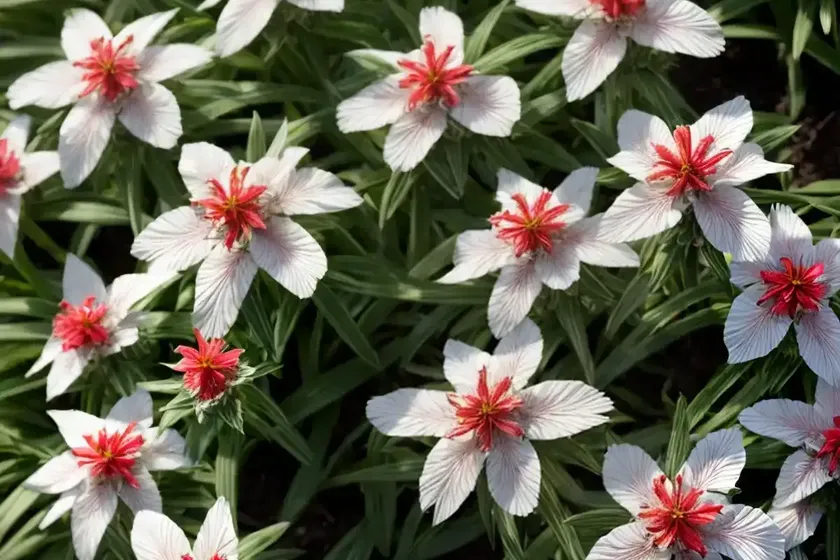
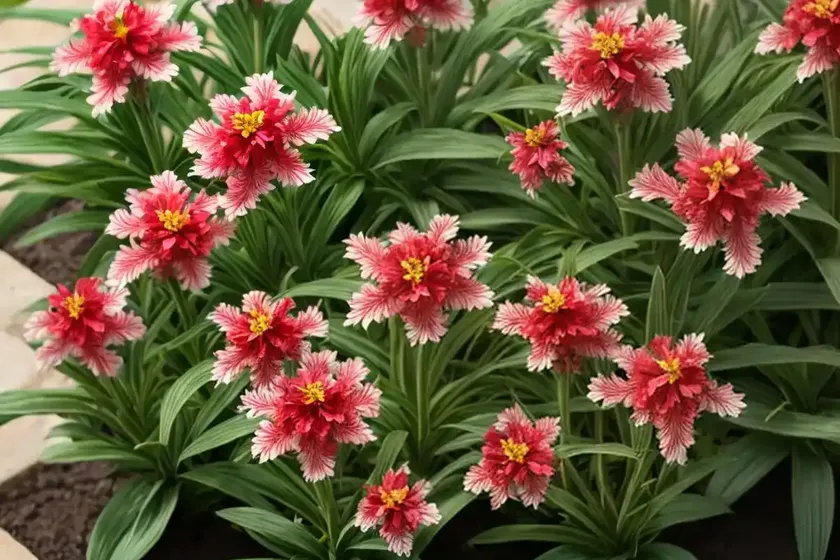
The enchanting Lychnis chalcedonica, commonly known as Maltese Cross, is a captivating herbaceous perennial that belongs to the family Caryophyllaceae. This mesmerizing plant hails from the Caucasus region in Eastern Europe and is revered for its stunning, fiery red, clustered blooms. Boasting a long history in cultivation, Lychnis chalcedonica has been adorning gardens for centuries, drawing awe and admiration from many plant enthusiasts. In this comprehensive guide, we will explore the various aspects of nurturing and caring for this unique and splendid perennial.
What is Lychnis chalcedonica (Maltese Cross)?
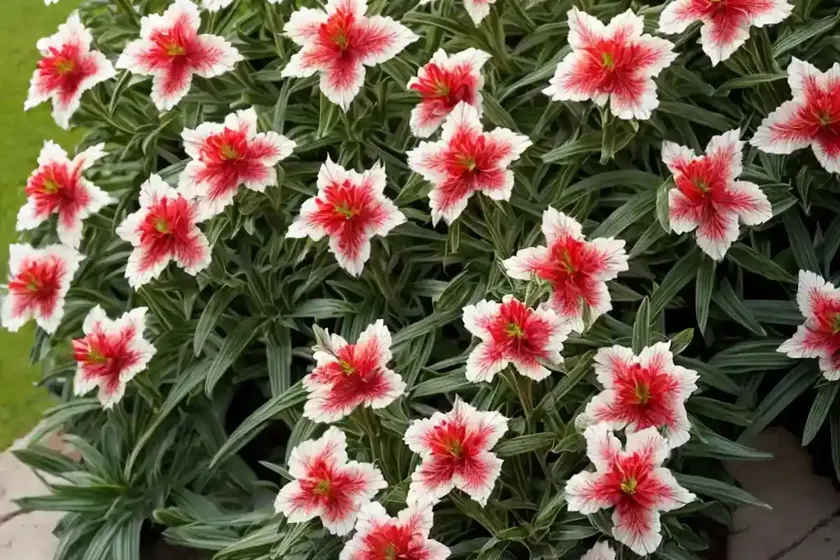
Lychnis chalcedonica, also known as the Maltese Cross, is a hardy herbaceous perennial that is native to the Caucasus region in Eastern Europe. This captivating plant is prized for its vibrant, scarlet flowers that are arranged in dense clusters atop sturdy, upright stems. The Maltese Cross received its common name due to the resemblance of its flower clusters to the symbol of the Order of the Knights of Malta. The dazzling blooms make a striking statement in any garden, and the plant’s lush foliage further adds to its ornamental value.
Key Takeaways – Lychnis chalcedonica (Maltese Cross)
Culture
Cultivating Lychnis chalcedonica requires attention to specific cultural needs to ensure optimal growth and blooming. Understanding its requirements is essential for successfully nurturing this beautiful perennial.
Uses
The Maltese Cross serves various purposes, including its employment in traditional herbal medicine and its ornamental value in landscaping and garden designs.
Water
Watering is a critical aspect of caring for Lychnis chalcedonica, and maintaining appropriate soil moisture levels is crucial for its health and vigor.
Sunlight
Being a sun-loving plant, sufficient sunlight is imperative for the proper growth and blooming of Lychnis chalcedonica, and understanding its sunlight preferences is vital for successful cultivation.
Fertilizer
Fertilizing the Maltese Cross at the right time and with the appropriate nutrients is essential for promoting robust growth and abundant flowering.
Soil
Understanding the soil preferences of Lychnis chalcedonica and providing it with the suitable soil type and conditions are essential for ensuring its well-being.
Pruning
Pruning is an integral part of maintaining the health and aesthetics of Lychnis chalcedonica, and learning the proper techniques is crucial for successful garden management.
Propagation
Propagation methods such as division, seed sowing, and cutting propagation are essential for multiplying Lychnis chalcedonica and expanding its presence in the garden.
Container Popularity
The Maltese Cross’s suitability for container gardening makes it an attractive choice for those with limited garden space, and understanding how to grow it in containers is beneficial for urban gardeners.
Container Common Diseases
Being aware of potential diseases and their management is essential for ensuring the well-being of Lychnis chalcedonica when grown in containers.
Disease Diagnosis
Identifying common diseases that affect Lychnis chalcedonica is crucial for implementing timely intervention measures and preserving its health and vitality.
Common Pests
Understanding the pests that may afflict Lychnis chalcedonica and employing effective pest control measures is vital for maintaining its pristine condition.
Botanist’s Tips
Insightful tips and recommendations from botanists can provide valuable guidance for successfully cultivating and caring for Lychnis chalcedonica.
Fun Facts
Exploring intriguing and delightful facts about Lychnis chalcedonica adds a layer of fascination to this already captivating plant.
Links to External Resources
Additional resources and references that offer further insights into the cultivation and care of Lychnis chalcedonica contribute to a comprehensive understanding of this splendid perennial.
Now that we’ve outlined the key takeaways, let’s delve into each of these aspects in detail.
Lychnis chalcedonica Care
Lychnis chalcedonica, commonly known as the Maltese Cross, is a resilient and enchanting herbaceous perennial that demands attention to various care aspects to flourish and thrive in garden settings. In this section, we will explore the vital factors contributing to successful care and cultivation of this captivating plant.
Maltese Cross Plant
Description
Lychnis chalcedonica is renowned for its striking and vibrant scarlet flowers that are densely clustered atop tall, sturdy stems. These eye-catching blooms, which resemble the symbol of the Order of the Knights of Malta, lend the plant its common name. The charming foliage of Lychnis chalcedonica enhances its ornamental appeal, making it a prized addition to any garden or landscape.
Growing Lychnis chalcedonica
When it comes to cultivating Lychnis chalcedonica, providing it with the proper growing conditions is imperative for its overall well-being and flowering prowess. Understanding its growth habits and requirements is essential for successfully nurturing this captivating perennial.
Lychnis chalcedonica Perennial
As a perennial plant, Lychnis chalcedonica exhibits enduring traits, returning year after year with its delightful blooms and lush foliage. Its perennial nature makes it a valuable and long-lasting asset in garden landscapes.
Maltese Cross Flower
The flowers of Lychnis chalcedonica are a spectacular sight, captivating onlookers with their fiery red hue and captivating arrangement atop tall, erect stems. Understanding the blooming period and attributes of its flowers is essential for appreciating and caring for this magnificent plant.
Lychnis chalcedonica Propagation
Multiplying and propagating Lychnis chalcedonica involves various techniques such as division, seed sowing, and cutting propagation. Knowing the suitable propagation methods is essential for expanding the presence of this captivating plant in gardens and landscapes.
How to Grow Lychnis chalcedonica
Providing the proper growing conditions, including sunlight, soil, and water, lays the foundation for successful cultivation of Lychnis chalcedonica. Understanding the essential aspects of its growth requirements is crucial for nurturing this enchanting perennial.
Lychnis chalcedonica Varieties
An array of varieties and cultivars of Lychnis chalcedonica offer diverse options for gardeners and enthusiasts, each with its unique characteristics and ornamental qualities.
Maltese Cross Plant Care
Effective care and maintenance practices are essential for promoting the health and vigor of Lychnis chalcedonica, ensuring its longevity and flowering excellence.
Lychnis chalcedonica Planting
Optimal planting techniques and considerations, including spacing, depth, and timing, are crucial for establishing healthy and robust growth of Lychnis chalcedonica.
Lychnis chalcedonica Seeds
Understanding the characteristics and requirements of the seeds of Lychnis chalcedonica is essential for sowing them successfully and producing healthy plants.
Lychnis chalcedonica Cultivation
Cultivating Lychnis chalcedonica in various settings, such as garden borders, native plant gardens, and mixed perennial beds, adds diversity and charm to landscapes, enhancing their visual appeal.
Lychnis chalcedonica Maintenance
Regular maintenance tasks, including watering, fertilizing, and pruning, play a vital role in preserving the health and beauty of Lychnis chalcedonica throughout the growing season.
Lychnis chalcedonica Landscape
Employing Lychnis chalcedonica in landscape designs yields a stunning visual impact, enriching outdoor spaces with its vibrant blooms and lush foliage.
Lychnis chalcedonica Growth Habits
Understanding the growth habits and characteristics of Lychnis chalcedonica aids in providing it with the appropriate care and maintenance tailored to its specific needs.
Lychnis chalcedonica Blooming Period
The blooming period of Lychnis chalcedonica offers a delightful showcase of its vibrant and captivating flowers, adding charm and allure to garden spaces.
Maltese Cross Flower Meaning
Exploring the symbolic meanings associated with the Maltese Cross flower adds depth and significance to its presence in various cultural and historical contexts.
Lychnis chalcedonica Garden Design
Incorporating Lychnis chalcedonica into garden designs and layouts introduces captivating visual elements, enhancing the aesthetics and appeal of outdoor spaces.
Lychnis chalcedonica Disease Resistance
Understanding the disease resistance and susceptibility of Lychnis chalcedonica is crucial for implementing preventive measures and preserving its health and vitality.
Lychnis chalcedonica Hardiness Zones
Being mindful of the hardiness zones suitable for Lychnis chalcedonica is essential for selecting the optimal growing locations and ensuring its adaptability to local climates.
Lychnis chalcedonica Natural Habitat
Exploring the native habitat and ecological preferences of Lychnis chalcedonica provides valuable insights into its adaptability and growth requirements.
Lychnis chalcedonica Flowering Time
Understanding the flowering time and duration of Lychnis chalcedonica allows for planning and anticipation of its splendid blooms, making the most of its ornamental presence in garden settings.
Lychnis chalcedonica Landscape Use
Utilizing Lychnis chalcedonica in landscaping scenarios offers diverse opportunities for enhancing the visual appeal and aesthetic quality of outdoor environments.
Lychnis chalcedonica Foliage Color
The foliage color and texture of Lychnis chalcedonica contribute to its ornamental value, adding interest and allure to its overall appearance.
Maltese Cross Plant Symbolism
Exploring the symbolic meanings and connotations associated with the Maltese Cross plant provides cultural and historical context to its presence in gardens and landscapes.
Lychnis chalcedonica Water Requirements
Meeting the water requirements specific to Lychnis chalcedonica is essential for sustaining its health and vitality and promoting robust growth and flowering.
Lychnis chalcedonica Full Sun
As a sun-loving plant, providing ample sunlight to Lychnis chalcedonica is crucial for its overall health and vigor, ensuring abundant flowering and lush foliage.
Lychnis chalcedonica Partial Shade
Understanding the tolerance of Lychnis chalcedonica to partial shade conditions provides flexibility in selecting suitable growing locations and environments for this captivating plant.
Lychnis chalcedonica Companion Plants
Selecting compatible companion plants that complement and enhance the ornamental value of Lychnis chalcedonica contributes to cohesive and visually appealing garden designs.
Lychnis chalcedonica Soil Preferences
Adhering to the soil preferences and requirements of Lychnis chalcedonica is crucial for establishing a healthy and conducive growing environment for this captivating plant.
Lychnis chalcedonica Height and Spread
Understanding the typical height and spread of Lychnis chalcedonica aids in planning and designing garden layouts that accommodate this splendid perennial effectively.
Lychnis chalcedonica Medicinal Properties
Exploring the traditional and historical uses of Lychnis chalcedonica in herbal medicine offers insights into its medicinal properties and potential beneficial attributes.
Lychnis chalcedonica Pollinator-Friendly
The pollinator-friendly nature of Lychnis chalcedonica makes it a valuable addition to garden spaces, fostering biodiversity and supporting local pollinator populations.
Lychnis chalcedonica Wildlife Attraction
Attracting and supporting local wildlife populations, including birds and beneficial insects, enhances the ecological value of incorporating Lychnis chalcedonica into garden landscapes.
Lychnis chalcedonica Species Diversity
Exploring the diverse range of species and cultivars within the Lychnis chalcedonica genus offers a rich tapestry of options for gardeners and enthusiasts, each with its unique ornamental qualities.
Lychnis chalcedonica Container Gardening
Utilizing container gardening techniques to grow Lychnis chalcedonica provides flexibility and versatility in incorporating this captivating plant into various outdoor environments.
Lychnis chalcedonica Deer-Resistant
The deer-resistant qualities of Lychnis chalcedonica make it a practical choice for gardens in areas prone to deer browsing, ensuring its protection and longevity.
Maltese Cross Plant Diseases
Being mindful of common diseases that may afflict Lychnis chalcedonica is essential for implementing timely intervention measures and preserving its health and well-being.
Lychnis chalcedonica Fragrant Flowers
The fragrant flowers of Lychnis chalcedonica offer sensory appeal and olfactory delight, adding an extra dimension of charm to this captivating plant.
Lychnis chalcedonica Cutting Propagation
Utilizing cutting propagation techniques to multiply and propagate Lychnis chalcedonica allows for expanding its presence and ensuring genetic diversity within garden landscapes.
Lychnis chalcedonica Native Range
Understanding the native range and distribution of Lychnis chalcedonica provides insights into its adaptability and ecological preferences, enriching the understanding of this captivating plant.
Lychnis chalcedonica Dormant Period
Being aware of the dormant period and seasonal cycles of Lychnis chalcedonica aids in implementing appropriate care and maintenance practices tailored to its specific growth patterns.
Lychnis chalcedonica Garden Border
Incorporating Lychnis chalcedonica into garden borders and edging introduces a dynamic visual element, enhancing the structure and aesthetic appeal of garden landscapes.
Lychnis chalcedonica Common Pests
Identifying and managing common pests that may affect Lychnis chalcedonica is essential for preserving its health and vitality and preventing potential damage.
Lychnis chalcedonica Seasonality
Understanding the seasonal characteristics and changes in growth and blooming patterns of Lychnis chalcedonica is essential for planning and managing its care and maintenance.
Lychnis chalcedonica Garden Display
Showcasing and displaying Lychnis chalcedonica in garden settings introduces a captivating focal point, adding color and vibrancy to outdoor spaces.
Lychnis chalcedonica Drought-Tolerant
The drought-tolerant qualities of Lychnis chalcedonica make it a resilient and adaptable plant, suitable for various garden settings and environmental conditions.
Lychnis chalcedonica Garden Color Scheme
Incorporating Lychnis chalcedonica into garden color schemes and palettes adds depth and vibrancy to outdoor spaces, enhancing their visual appeal and aesthetic quality.
Lychnis chalcedonica Plant Family
Exploring the botanical family and relationships of Lychnis chalcedonica provides insights into its taxonomical classification and evolutionary history, enriching the understanding of this captivating plant.
Lychnis chalcedonica Decorative Uses
The decorative and ornamental qualities of Lychnis chalcedonica make it a valuable and versatile addition to garden landscapes, elevating the visual appeal of outdoor environments.
In Conclusion, Lychnis chalcedonica, or the Maltese Cross, stands as a captivating and resilient perennial that graces garden landscapes with its vibrant blooms and lush foliage. Understanding its unique characteristics and specific care requirements is essential for successfully cultivating and nurturing this captivating plant. By exploring the various facets of its growth, care, and ornamental value, we gain a deeper appreciation for the beauty and allure that Lychnis chalcedonica offers to gardeners and enthusiasts alike.
Whether adorning garden borders, mixed perennial beds, or container gardens, the Maltese Cross imparts a striking visual impact, adding color, vibrancy, and charm to outdoor spaces. Its ecological contributions, pollinator-friendly nature, and ornamental diversity further enrich its appeal and significance, making it a prized and cherished addition to garden landscapes.
Understanding its cultural significance, traditional uses, and ornamental versatility enhances our admiration for this captivating plant, nurturing a deeper connection and appreciation for the natural world. As with any living organism, proper care, attention, and understanding of its unique requirements are essential for fostering a thriving and resilient presence of Lychnis chalcedonica in garden settings.
In our exploration of caring for and cultivating Lychnis chalcedonica, we have uncovered a multitude of insights, from its growth habits and cultural preferences to its ornamental diversity and ecological contributions. Embracing the beauty and charm of the Maltese Cross enriches our experiences in gardening and fosters a deeper sense of wonder and appreciation for the natural world that surrounds us.
As we embark on our journey of tending to the captivating Lychnis chalcedonica, may we find joy, inspiration, and fulfillment in cultivating and caring for this splendid perennial, and may its vibrant blooms and enchanting presence continue to enrich our lives and landscapes for generations to come.
References
-
Missouri Botanical Garden. (n.d.). Lychnis chalcedonica. Missouri Botanical Garden – Plant Finder. Link
-
Royal Horticultural Society. (n.d.). Lychnis chalcedonica. RHS – Royal Horticultural Society. Link
-
Cornell University College of Agriculture and Life Sciences. (n.d.). Growing Perennials. Cornell University – Gardening Resources. Link
-
NC State Extension. (n.d.). Integrated Pest Management: A Guide for North Carolina Gardeners and Landscapers. NC State Extension – Gardening Publications. Link
-
University of California Agriculture and Natural Resources. (n.d.). Gardening Basics. UC Agriculture and Natural Resources. Link
-
Michigan State University Extension. (n.d.). Diseases. MSU Extension – Gardening in Michigan. Link
-
United States Department of Agriculture. (n.d.). National Invasive Species Information Center. USDA – National Agricultural Library – Invasive Species. Link
-
University of Florida IFAS Extension. (n.d.). Horticulture Publications. UF IFAS Extension – Gardening Solutions. Link
-
Penn State Extension. (n.d.). Plant Propagation Basics. Penn State Extension – Master Gardener Manual. Link
-
Ohio State University Extension. (n.d.). Planting Flowers. Ohio State University Extension – Fact Sheets. Link
-
University of Georgia Extension. (n.d.). Soils and Plant Nutrients. UGA Extension – Soil, Water & Forage Testing Laboratory. Link
-
University of Illinois Extension. (n.d.). Pruning Trees and Shrubs. U of I Extension – Horticulture Corner. Link
-
North Carolina State University College of Agriculture and Life Sciences. (n.d.). Insect and Related Pests of Flowers and Foliage Plants. NCS