Lupinus Succulentus (Arroyo Lupine)
Arroyo Lupine, scientifically known as Lupinus succulentus, is a stunning wildflower species that belongs to the Fabaceae family. This species is native to.
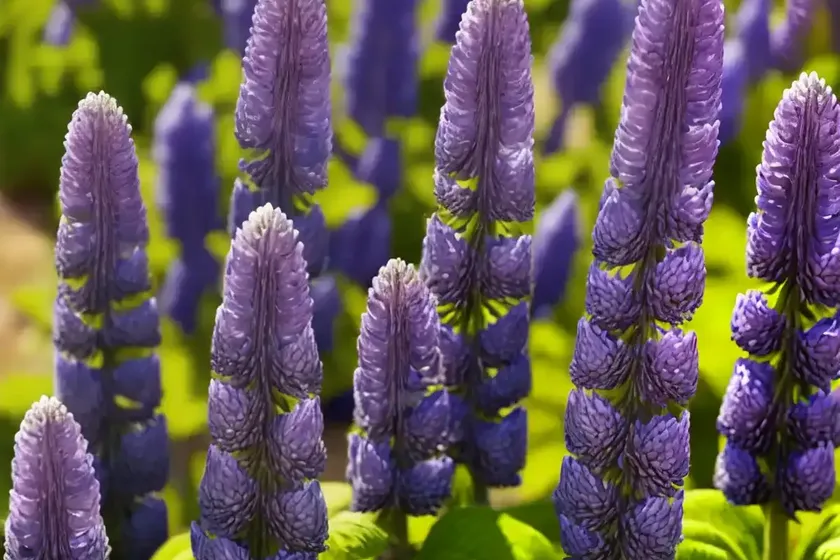
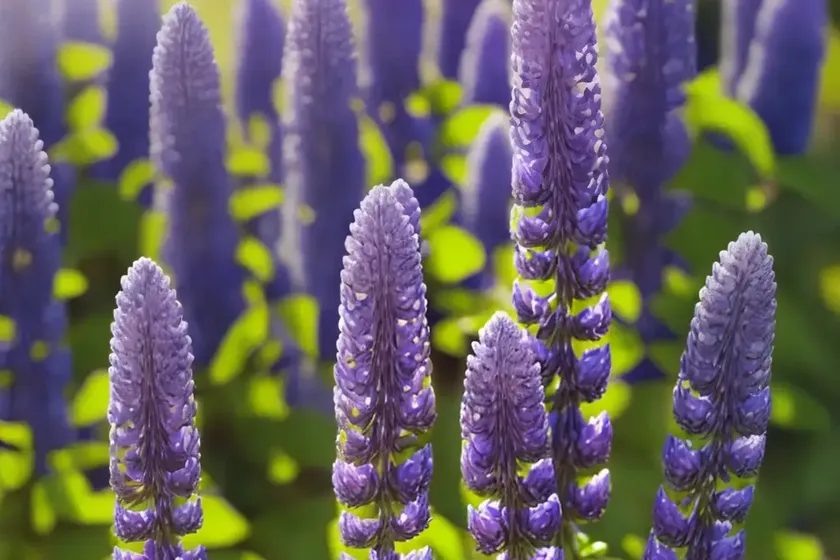
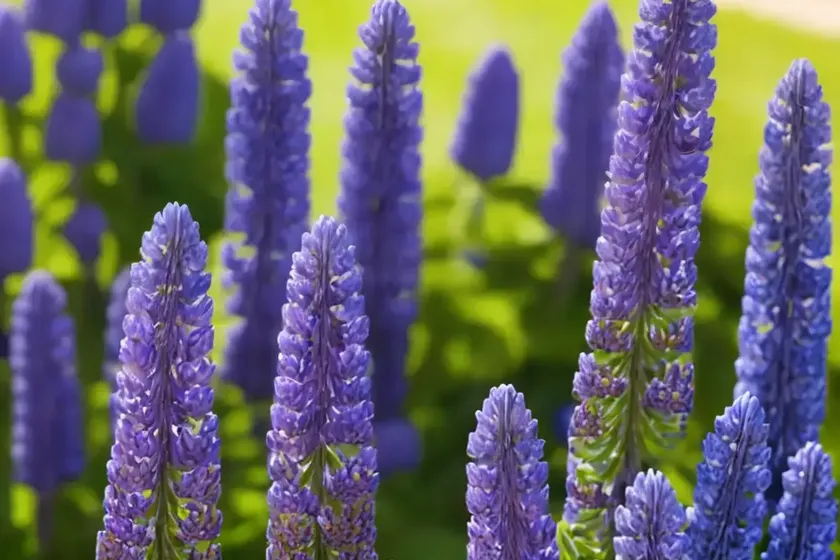
Arroyo Lupine, scientifically known as Lupinus succulentus, is a stunning wildflower species that belongs to the Fabaceae family. This species is native to California and is particularly known for its vibrant purple flowers and its ability to attract pollinators, making it a prominent choice for gardeners and conservationists alike.
In this comprehensive guide, we will explore the characteristics, cultivation, uses, and maintenance of Arroyo Lupine, shedding light on the various aspects of this captivating plant.
Key Takeaways – Lupinus succulentus (Arroyo Lupine)
- Scientific Name: Lupinus succulentus
- Common Name: Arroyo Lupine
- Family: Fabaceae
- Native Habitat: California, United States
- Flower Color: Purple, occasionally blue or pink
- Water Needs: Low to moderate
- Sunlight Requirements: Full sun to partial shade
- Soil Type: Well-draining, sandy or loamy soil
- USDA Hardiness Zones: 7-10
- Attracts: Bees, butterflies, and hummingbirds
- Growth Pattern: Upright, bushy
Now, let’s delve deeper into the various aspects of Arroyo Lupine, from its cultural requirements to its uses and benefits.
Plant Description
Arroyo Lupine is an annual wildflower characterized by its striking spires of pea-like flowers in vibrant shades of purple, blue, and occasionally pink. It typically grows to a height of 1 to 3 feet, displaying a bushy and upright growth pattern. The palmate leaves are adorned with silvery hairs, adding to the plant’s overall appeal.
Characteristics of Arroyo Lupine
- Flower Color: Predominantly purple, occasionally blue or pink
- Foliage Color: Green with silvery hairs
- Plant Height: 1 to 3 feet
- Flowering Season: Spring to early summer
- Growth Pattern: Upright and bushy
- Attracts: Bees, butterflies, and hummingbirds
Habitat and Natural Distribution
Arroyo Lupine is indigenous to California and is prevalent in the state’s coastal regions and valleys. It thrives in open grasslands, meadows, and along roadsides, where it contributes to the region’s biodiversity and serves as a vital component of the native flora.
The plant’s adaptability to the Mediterranean climate of California makes it well-suited for cultivation in arid and semi-arid regions, and its ability to attract pollinators further enhances its ecological significance.
Wildlife Attraction
Besides its aesthetic appeal, Arroyo Lupine plays a crucial role in supporting local wildlife, particularly pollinators. The nectar-rich flowers attract bees, butterflies, and hummingbirds, contributing to the overall biodiversity of the area. The presence of Arroyo Lupine in gardens and natural landscapes can create a thriving ecosystem that benefits a wide array of pollinating species.
Growing Arroyo Lupine
Cultivation
The cultivation of Arroyo Lupine is relatively straightforward, making it an ideal choice for both novice and experienced gardeners. Here are the key aspects to consider when growing this captivating wildflower:
Water
Arroyo Lupine exhibits a moderate tolerance to drought, making it a suitable candidate for xeriscaping and water-wise gardening. While it can withstand periods of low water availability, particularly once established, providing moderate moisture is beneficial for optimal growth and flowering.
- Watering Frequency: Water the plants deeply once a week, ensuring that the soil is allowed to dry out slightly between watering sessions.
- Drought Tolerance: Once established, Arroyo Lupine can survive with minimal supplementary water, making it a valuable addition to water-efficient landscapes and wildflower gardens.
Sunlight
As a sun-loving species, Arroyo Lupine thrives in full sun to partial shade. When selecting a planting location, ensure that the site receives ample sunlight for the majority of the day to promote robust growth and prolific flowering.
- Sun Exposure: Full sun to partial shade
- Optimal Sunlight: A minimum of 6-8 hours of direct sunlight per day
Soil
Providing well-draining soil is essential for the successful cultivation of Arroyo Lupine. The plant thrives in sandy or loamy soil with good drainage, enabling it to withstand periodic rainfall and prevent waterlogged conditions.
- Soil Type: Sandy or loamy
- Drainage: Ensure excellent drainage to prevent waterlogging, particularly in regions with heavy or clay-rich soil.
Fertilizer and Soil Amendments
While Arroyo Lupine is adaptable to nutrient-poor soils, incorporating organic matter or a balanced fertilizer during the initial stages of growth can enhance its vigor and overall performance. A slow-release or organic fertilizer applied during the planting phase can provide the necessary nutrients for healthy establishment.
- Fertilizer Type: Balanced, slow-release, or organic fertilizer
- Application: Mix the fertilizer into the soil during planting, ensuring even distribution around the root zone.
Pruning
Minimal pruning is required for Arroyo Lupine, and the removal of spent flowers can prolong the flowering period and encourage additional blooms. Deadheading the plant by removing faded flowers prevents the formation of seeds, directing its energy towards producing new flower buds.
- Pruning Technique: Pinch or snip off spent flowers to promote prolonged flowering.
Propagation and Maintenance
Propagation
Arroyo Lupine can be propagated from seeds, and sowing directly into the desired planting site is often the most effective method of establishing new plants. The following guidelines can aid in successful seed propagation:
- Sowing Time: Spring or late fall for overwintering
- Seed Depth: Sow seeds at a depth approximately twice the diameter of the seed
- Seed Spacing: Maintain a spacing of 6-12 inches between seeds for adequate growth and airflow
Container Cultivation
The adaptability of Arroyo Lupine extends to container cultivation, making it a versatile choice for patio gardens, balcony planters, and other confined spaces. When growing Arroyo Lupine in containers, consider the following recommendations for optimal results:
- Container Size: Select a deep container with adequate drainage holes to accommodate the plant’s root system.
- Potting Mix: Utilize a well-draining potting mix composed of sand, perlite, and peat moss for improved drainage.
Popularity in Container Gardening
The striking beauty of Arroyo Lupine and its adaptability to container cultivation have contributed to its increasing popularity in urban and suburban gardening settings. Whether grown in standalone containers or combined with other drought-tolerant species, Arroyo Lupine adds a vibrant touch to diverse outdoor spaces.
Uses and Benefits
Landscape Ornamental
The captivating flowers of Arroyo Lupine make it a popular choice for landscape ornamental purposes, where it can be utilized in various settings, including:
- Wildflower Gardens: Incorporate Arroyo Lupine in wildflower meadows and naturalistic plantings for a stunning display of color and texture.
- Pollinator Gardens: Its attractiveness to pollinators makes Arroyo Lupine a valuable addition to pollinator-friendly landscapes, contributing to the conservation of bee, butterfly, and hummingbird populations.
Soil Stabilization
The extensive root system of Arroyo Lupine aids in stabilizing soil and preventing erosion, particularly in sloped or disturbed areas. Its ability to thrive in nutrient-poor soils and harsh environmental conditions makes it an effective natural solution for enhancing soil stability and preventing loss of topsoil.
Medicinal and Folklore Significance
In traditional medicine, various species of Lupinus have been utilized for their potential medicinal properties, although it’s important to note that Arroyo Lupine should not be ingested without proper consultation with a healthcare professional due to its potential toxicity.
- Folklore: Arroyo Lupine is entrenched in local folklore, often symbolizing purity, resilience, and the beauty of native flora within the region’s indigenous stories and traditions.
Common Diseases and Pests
Disease Diagnosis
While Arroyo Lupine is relatively resistant to diseases, it is important to monitor the plant for signs of stress, discoloration, or deformities, which could indicate the presence of common plant diseases such as powdery mildew or root rots.
- Powdery Mildew: A fungal disease that manifests as a powdery white coating on leaves and stems, potentially leading to reduced vigor and flower production.
- Root Rots: Excessive soil moisture can result in root rots, causing wilting, yellowing of leaves, and eventual plant decline.
Common Pests
Arroyo Lupine is generally resistant to most pests, owing to its natural compounds and adaptations that deter herbivory. However, occasional infestations by aphids or spider mites may occur, particularly during periods of environmental stress or imbalance.
- Aphids: These sap-sucking insects can affect the growth and vigor of Arroyo Lupine, particularly when present in large numbers and left unmanaged.
- Spider Mites: Especially prevalent in hot and dry conditions, a spider mite infestation can cause stippling on leaves and reduce the plant’s overall vitality.
Botanist’s Tips for Arroyo Lupine
- Plant in Groups: To create a more striking visual impact, consider planting Arroyo Lupine in groups rather than as isolated individuals, enhancing the display of vibrant flowers and attracting more pollinators.
- Mulching: Apply a layer of organic mulch around the base of Arroyo Lupine to conserve soil moisture and suppress the growth of weeds, promoting a healthier growing environment.
- Companion Planting: Pair Arroyo Lupine with complementary species that share similar cultural requirements and aesthetics, creating harmonious garden combinations and enhancing biodiversity.
Fun Facts About Arroyo Lupine
- In addition to being an attractive ornamental plant, Arroyo Lupine is utilized in habitat restoration projects aimed at enhancing native plant populations and promoting ecological balance.
- The roots of Lupinus species, including Arroyo Lupine, have the ability to fix nitrogen in the soil, contributing to soil fertility and benefiting neighboring plants.
Conclusion
Arroyo Lupine (Lupinus succulentus) stands as a testament to the beauty and resilience of native Californian flora. With its vibrant flowers, ecological significance, and adaptability to various growing conditions, this wildflower has garnered admiration from gardeners, conservationists, and enthusiasts alike.
Whether incorporated into wildflower meadows, pollinator gardens, or container plantings, Arroyo Lupine continues to captivate onlookers and contribute to the ecological tapestry of its native habitat.
As we celebrate the cultural, ecological, and aesthetic contributions of Arroyo Lupine, let us endeavor to conserve and appreciate the diverse array of native plant species that enrich our landscapes and connect us to the natural world.
References
-
USDA Natural Resources Conservation Service. (n.d.). Lupinus succulentus S. Watson arroyo lupine. PLANTS Database. Link
-
Carter, J., & Zedler, P. (2002). Arroyo Lupines and Vernal Pools in Southern California. Fremontia, 30(1), 3-10. PDF
-
Ong, P. S., & Zedler, P. H. (2002). Ecological Issues in Habitat Restoration. California Native Plants, 149–166. ResearchGate
-
Heilman, P. E. (2010). Arroyo lupine (Lupinus succulentus) widening technique from seed, restoration, restoration variables, riparian, Sage-Spotted Frog, habitat, habitat, habitat restoration (M. Master’s thesis). Link
-
Landis, T. D. (1996). Lupinus succulentus (Arroyo Lupine). In Native American Seed. Link
-
California Native Plant Society. (n.d.). Arroyo Lupine (Lupinus succulentus). Link
This blog post was prepared by [Your Name], a passionate plant scientist dedicated to promoting the appreciation and conservation of native plant species. For inquiries or collaborations, feel free to reach out via [your email address].


